





Do you know?What Happens when a truck pulls into a weigh station?
5 Truck Trailering Mistakes to Avoid
What are the top trailering mistakes? GM’s resident expert outlines five common mistakes fleet operators must avoid ensuring safe and productive trailering.
July 15, 2011
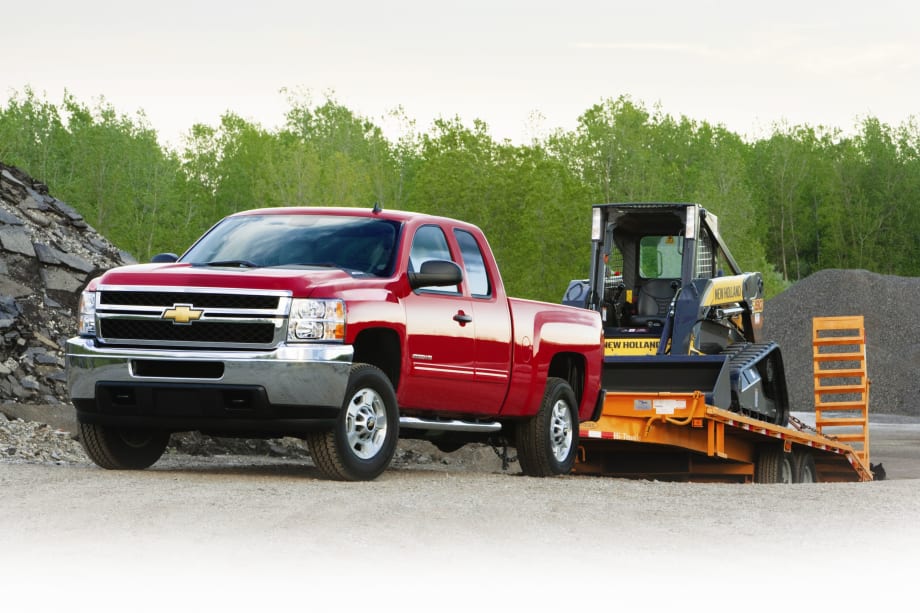
It's crucial to weigh the loaded trailer at the nearest available scale before towing it.
Photo: Chevrolet
5 min to read
As lead trailering engineer for General Motors Co., Robert Krouse knows that adding a trailer to a vehicle poses a unique set of challenges to fleet operators. Trailer safety is something many folks believe they are experts on but often are mistaken. He works daily to educate truck buyers on how to safely tow boats and campers, noting that the average retail customer may only tow a trailer three or four times a year.
But, while retail customers might not trailer often, work truck fleets need to understand trailer safety on a far more regular basis.
"Training is every bit as important on the fleet side," Krouse said. "Just as for personal use, some will drive it only a couple of times a year, some every day." Even the daily routine can vary on the commercial side. Loads change depending on the job, and trailers may be pulled by a number of different drivers and tow vehicles. This makes proper trailering techniques essential, even for the seasoned fleet operator.
With all that in mind, Krouse sat down with Work Truck to discuss five common trailering mistakes and how they can be avoided:
1. Failure to Calculate Actual Trailer Weight
Do you know how much your truck is actually pulling? Krouse points to landscaping trailers as a good example of how operators can misjudge the weight they're asking their trucks to pull. The weight of the equipment inside may seem insignificant compared to the trailer itself, but it's a principal factor in determining whether the equipment is pushing the load past the tow vehicle's capacity.
"Retail or commercial, the same principles apply," Krouse said. "The ratings are based on weight, and that's what we go by."
It's crucial to weigh the loaded trailer at the nearest available scale before towing it. Also check to be sure the trailer's tongue weight - the downward force exerted by the trailer's "tongue" - is within the hitch's rating.
2. Failure to Account for the Actual Capacity of the Tow Vehicle
Now that you know how much weight you're pulling, you just have to check that against your vehicle's trailer weight rating (TWR), right? Not so fast, Krouse said.
Pulling a truck's rating from the Web might not provide the right number. Many manufacturers only provide each vehicle's maximum TWR, which may depend on a particular engine or nonstandard equipment.
The dealer or factory rep should be able to provide a vehicle's TWR and information on how to upgrade it. Once you have the right number, be sure to add the weight of the truck - including people in the cabin and equipment in the bed - to the loaded trailer's weight. If that figure surpasses the vehicle's gross combination weight rating (GCWR), the vehicle is past the point of a safe tow.
3. Problems when Overloading the Trailer or Tow Vehicle
Failing to determine TWR and GCWR are the most common weight-rating pitfalls, but there are several other factors to consider. Krouse said that tow vehicle and trailer gross vehicle weight ratings (GVWRs), individual tow vehicle and trailer gross axle weight ratings (GAWRs), and individual tire ratings are just as important.
There's also the trailer tongue weight, which can differ from the hitch's rating. Failing to note any of the factors listed earlier can result in damage to the tow vehicle or trailer, not to mention excessive wear on a vehicle's brakes or tires.
4. Improper Trailer and Truck Setup
Now that the tow vehicle, trailer, and combination weights and ratings are within range, the next objective is proper coupling.
Do you know some of the common issues with trailer coupling? If the hitch ball sits too high or low or the sway controls and weight-distributing spring bars are improperly adjusted, you still run the risk of damage somewhere along the setup.
To ensure the trailer load is properly balanced for a weight-distributing hitch setup, Krouse suggested measuring the space between the top of the tow vehicle's front tire and the bottom of the fender. That space will increase once the trailer is coupled; adjust the spring bars to get back to the initial measurement without decreasing it.
Each state sets its own standards for trailer brakes, but Krouse recommended adding a brake controller whenever pulling 2,000 lbs. or more. An electric system sends a signal to the trailer brakes when the tow vehicle's brakes are applied, engaging them in unison. Several manufacturers, GM included, now offer a factory-equipped brake controller on most models.
Another option is a hydraulic brake controller, also known as a surge brake. Surge brakes employ a self-contained apparatus in the hitch that engages the trailer brakes when the tow vehicle slows down.
5. Improper Road Protocol when Driving
Krouse summed up his advice for driving while trailering in one word: practice.
"The operator always has to realize, it's not like driving the tow vehicle by itself," he said. "Don't ever let that become back-of-mind."
Turning, stopping, backing up, merging, and changing lanes all require more time and space. There's no substitute for practicing those maneuvers in an open area before hitting the road and remembering to adjust a vehicle's mirrors to the length of the trailer. GM and other manufacturers offer extendable side mirrors as a factory option.
Finally, maintenance must be paid when a pickup is pulling heavy loads. Krouse listed fluids, tires, and brakes as particular areas of concern. The trailer's own brakes and tires also should be checked frequently, and trailers that sit idle for long periods should be inspected before they go back on the road.
And, while the telematics push into trailers has been slow coming, it's starting to change. Find out what experts say about this cutting-edge technology and trailer maintenance and freight management. Ready to spec and design your trailer? Work Truck has you covered with these top questions to ask during the trailer spec'ing process!
Subscribe to Our Newsletter
More Safety
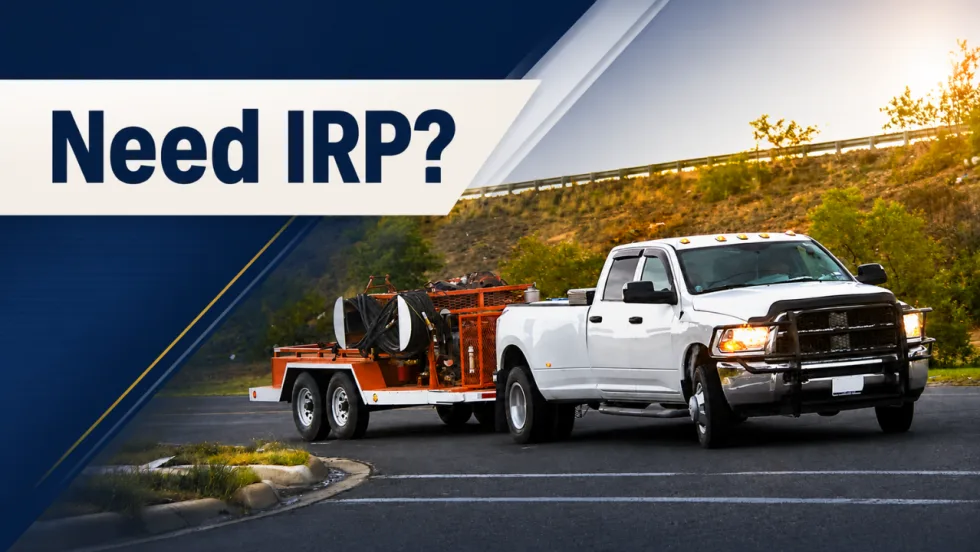
When Work Trucks Under 26,001 Pounds Need IRP Registration
Think trucks under 26,001 pounds are automatically in the clear when it comes to IRP? Not always. Learn where lighter vehicles can still run into trip permit, apportioned registration, and IFTA compliance requirements when crossing state or provincial lines.
Read More →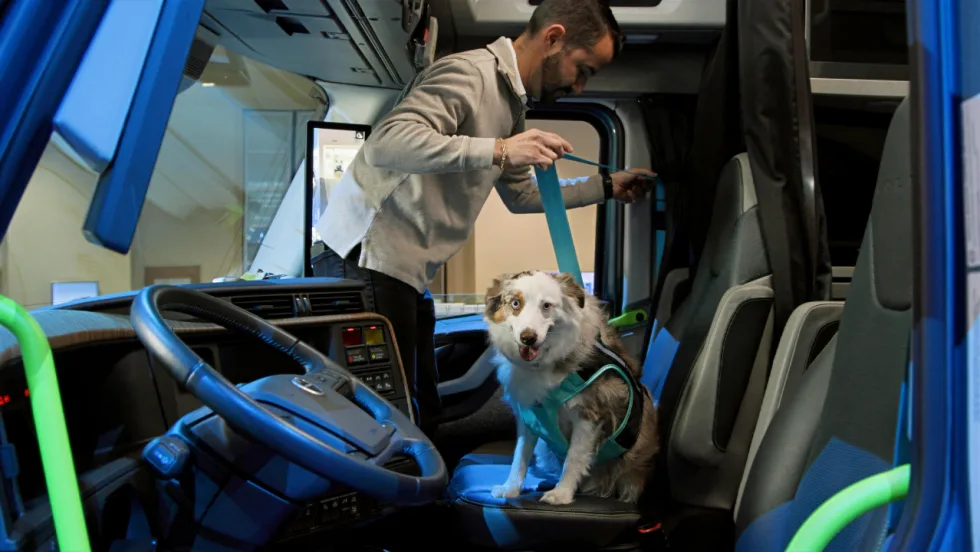
Volvo Trucks Releases New Safety Recommendations for Traveling with Pets
One of the most important recommendations for professional drivers traveling with pets is to ensure pets are properly restrained while the truck is moving. Other tips are available in the new guide from Volvo Trucks North America and Center for Pet Safety.
Read More →
API Issues Refueling Safety Guidelines
The American Petroleum Institute offers a list of safe vehicle refueling guidelines, including ways to avoid potential problems with static electricity discharges in fall, winter, and early spring.
Read More →
Winter Fleet Prep: Expert Tips to Keep Vehicles Running Smoothly
Cold weather can expose weak batteries, tires, fuel systems, and maintenance gaps fast. Use this winter fleet checklist to prepare trucks and drivers before temperatures drop.
Read More →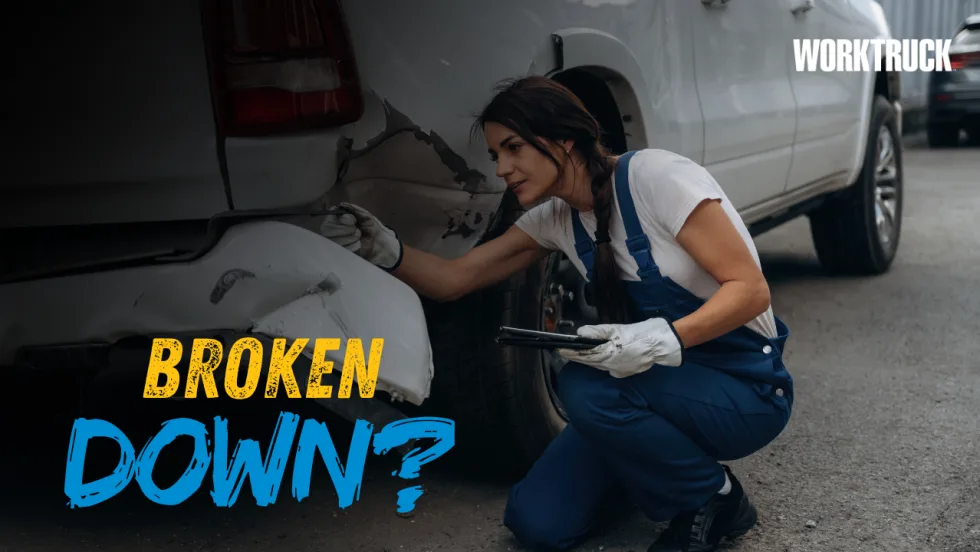
When a Work Truck Breaks Down, the Job Can Stop, Too
A work truck breakdown can stop more than the vehicle. Discover how payloads, jobsites, and specialty equipment change the roadside response.
Read More →
What Stronger Long-Term Fleet Service Partnerships Actually Require
Fleet service partnerships rarely fall apart all at once. Learn the three warning signs that trust is eroding and what fleets and providers can do before downtime, frustration, and lost revenue follow.
Read More →
Applause & TRUCE Software Partner to Improve Driver Safety Through AI-Powered Telematics & Employee Performance Management
Applause has integrated TRUCE driving metrics directly into its employee-first performance and safety platform that transforms mobile devices into AI-powered telematics.
Read More →
How Detroit Assurance with Active Brake Assist Works
Do you want to see what it is like to experience Detroit Assurance’s Active Brake Assist? In this video, Work Truck will put you in the cab to see how it all works and then hear more details from DTNA’s Mike Young.
Read More →
Get Left of Loss: A 5-Step Workplace Violence Prevention Framework for Fleet Operators
Violence risks do not stop at the driver’s door. Learn five practical steps fleets can take to spot threats early and protect workers before loss occurs.
Read More →
Sponsored•July 17, 2026
How Better Visibility Cut Speeding Violations by 48%
Fleet leaders don't need more data, they need clearer visibility into what the data is saying. This case study explores how one utility replaced speeding-event counts with a single metric — miles driven in violation — to strengthen safety and significantly reduce speeding violations.
Read More →