





RELATED: Leveraging Big Data for Actionable Safety Intelligence
5 Tips to Determine Your Fleet’s Insurance Coverage
What should a company look for in insurance coverage for its fleet vehicles? An industry expert suggests a regular policy review and offers guidelines to obtain insurance best suited to individual company needs.
June 23, 2009

Five tips are shared to help fleet's save money on insurance costs while ensuring their needs are covered.
[EMPTY CREDIT]
5 min to read
What should fleet managers look for in a commercial insurance policy to ensure their fleets have the right coverage? What policy terms would minimize a company's risk and overall vehicle insurance costs? Scott Kegler is an insurance broker with The Graham Company, a privately-held firm based in Philadelphia that provides insurance, employee benefits, and bonding to the construction industry. He recommends a regular review of company vehicle policies and offers these five tips.
1. Make Sure Liability Coverage is Symbol 1 'Any Auto.'
Business auto policies are written with symbols, ranging 1-9, to indicate the extent of liability coverage. "Symbol 1," which means "Any Auto," provides maximum protection.
"Sometimes an insurance company will put a Symbol 7 on the policy," Kegler said. "Symbol 7 covers only the specifically described autos listed on the policy."
A danger, according to Kegler, occurs with large fleets, in which vehicles come on and off the policy throughout the year. "You risk missing something and a vehicle does not get added or deleted in the right way. If one of your vehicles gets in an accident and it was not listed on the policy at the time, the insurance company can say, 'Sorry, we didn't know about that vehicle,' and you're left without coverage."
Symbol 1 liability coverage forestalls this situation, Kegler said.
2. Obtain Multiple Quotes
When increasing coverage to a $2 million limit per occurrence, obtain quotes from both primary carrier and umbrella policy writers to determine the most cost effective.
Most commercial auto policies limit per-occurrence insurance to $1 million. For additional protection, many companies purchase an umbrella policy for an additional $1 million, protecting the company with a $2 million limit total.
Before buying an umbrella policy, however, Kegler recommends requesting a broker price quote on both the additional $1 million umbrella policy and an increase in the primary policy from $1 million to $2 million.
"The most expensive part of the umbrella policy is the first $1 million in excess of the commercial auto policy," explains Kegler. "What you can try to do is get a $2 million limit instead of $1 million on your primary policy. You might be able to do it more cost effectively than buying it from the umbrella carrier."
3. Determine Your Deductible
Consider basing the deductible on per-occurrence catastrophe versus per-vehicle.
If a fleet is parked in the same location, a per-occurrence catastrophe deductible limits the total amount a company must pay when a single event (such as a hailstorm, hurricane, or fire) damages several vehicles at once.
"Let's say your commercial auto policy has a $5,000 per-occurrence property damage deductible and a $25,000 per-occurrence catastrophe deductible. If you had a hailstorm that damaged 20 vehicles, the most you would have to pay with a catastrophe deductible is $25,000, rather than $100,000 (20 vehicles multiplied by $5,000 for each vehicle)," says Kegler.
4. Investigate Self-Insuring Physical Damage Coverage
"Do the analysis to find out how much it costs you to purchase the physical damage coverage as part of your business automobile policy," Kegler advises.
Compared to annual costs of physical damage claims, many companies find it cheaper to self-insure physical damage coverage and pay to fix their vehicles, he explains.
5. Uninsured Motorists Coverage
Consider declining - or accepting only minimum limits for - uninsured/underinsured motorist coverage.
This coverage pays for bodily injury, sickness, or disease caused by a driver who has no insurance or insufficient coverage to pay for the damage caused in an accident. Company fleet drivers are already protected by Workers' Compensation coverage as well as "First Party" medical payments benefits in the company's commercial auto policy. An additional $1 million limit of liability available to employees can expose company automobile insurance to significant claims.
"The danger of having a $1 million limit available for a large fleet is a driver who falls asleep at the wheel, drives off the road, and gets into an accident. He could claim a 'phantom' vehicle ran him off the road and try to get recovery out of your uninsured/ underinsured motorist coverage," says Kegler. "We've seen big payments come out for questionable claims."
Best Practices to Impact Insurance Rates
Driver Screening
"There's a whole series of things you can do when you're hiring," Kegler said. "You want to pull the motor vehicle record of your drivers. Set up a scoring system so that you'll have a company policy that says if the driver has above 'X' number of points, you don't hire him. This way, you have something solid in place to evaluate when you're looking at driving records. We also highly recommend drug testing prior to the job offer and if there is reasonable cause after an accident."
These steps can be outlined in fleet policy concerning employee hiring.
Accident Reporting Procedures
Kegler advises putting a card in every vehicle instructing drivers on actions to take in the event of an accident.
"Make sure the card is simple to follow. One number to call and guidelines on what to do and say after an accident. After you get into an accident, you're upset. You're not thinking clearly. You can get into trouble if you don't do or say the right thing after an accident. The card serves as a guide to ensure the driver follows proper procedures and minimize your risk," Kegler explains.
Disposable Cameras in Glove Box
"Take pictures of the accident scene," Kegler advises. Visual documentation "can be huge to defend your position." Disposable cameras can help if a cell phone is out of power.
Cameras/Driver Cams
A new technology available with cameras can be installed in company cars and trucks.
One system offers two views: what the driver sees and a view of the driver. "Was the guy talking on the cell phone, texting, or trying to eat a Big Mac while driving down the road?" Kegler said. "Camera systems like these will help you monitor that behavior."
The in-vehicle camera systems also provide documentation of fault in a crash occurrence, protecting drivers and the company against false claims.
Subscribe to Our Newsletter
More Safety
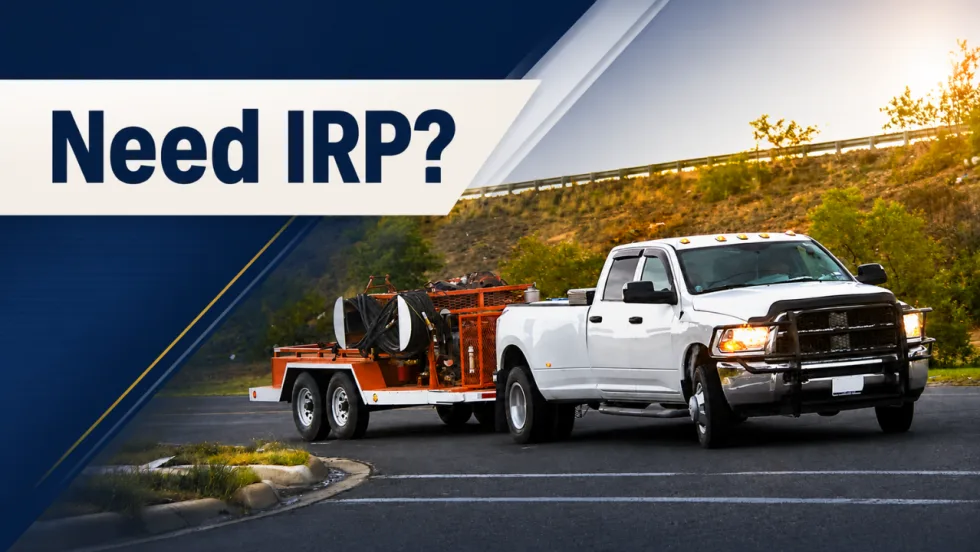
When Work Trucks Under 26,001 Pounds Need IRP Registration
Think trucks under 26,001 pounds are automatically in the clear when it comes to IRP? Not always. Learn where lighter vehicles can still run into trip permit, apportioned registration, and IFTA compliance requirements when crossing state or provincial lines.
Read More →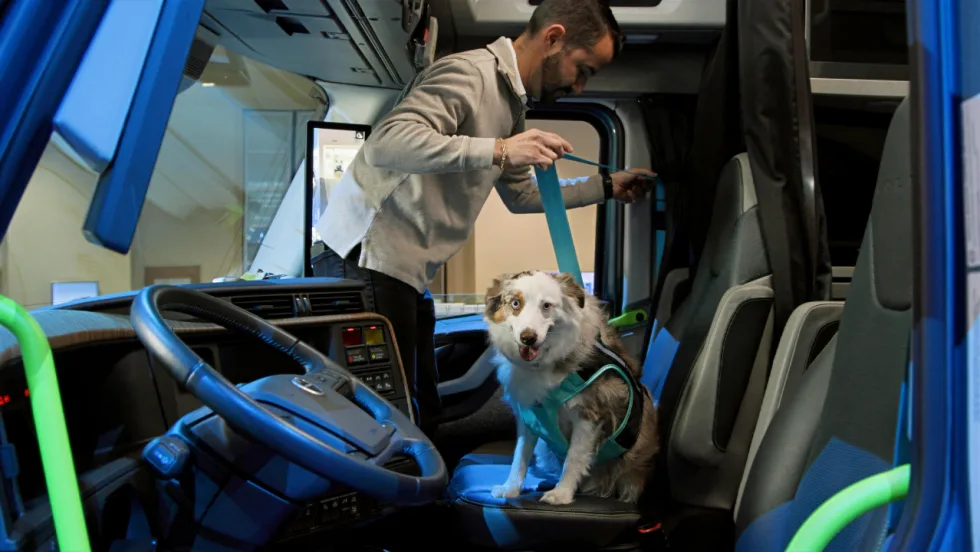
Volvo Trucks Releases New Safety Recommendations for Traveling with Pets
One of the most important recommendations for professional drivers traveling with pets is to ensure pets are properly restrained while the truck is moving. Other tips are available in the new guide from Volvo Trucks North America and Center for Pet Safety.
Read More →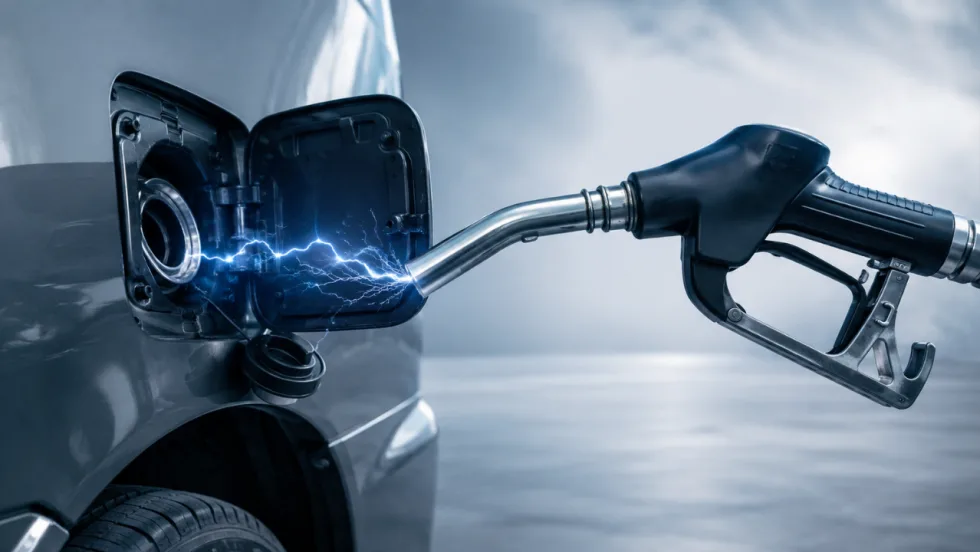
API Issues Refueling Safety Guidelines
The American Petroleum Institute offers a list of safe vehicle refueling guidelines, including ways to avoid potential problems with static electricity discharges in fall, winter, and early spring.
Read More →
Winter Fleet Prep: Expert Tips to Keep Vehicles Running Smoothly
Cold weather can expose weak batteries, tires, fuel systems, and maintenance gaps fast. Use this winter fleet checklist to prepare trucks and drivers before temperatures drop.
Read More →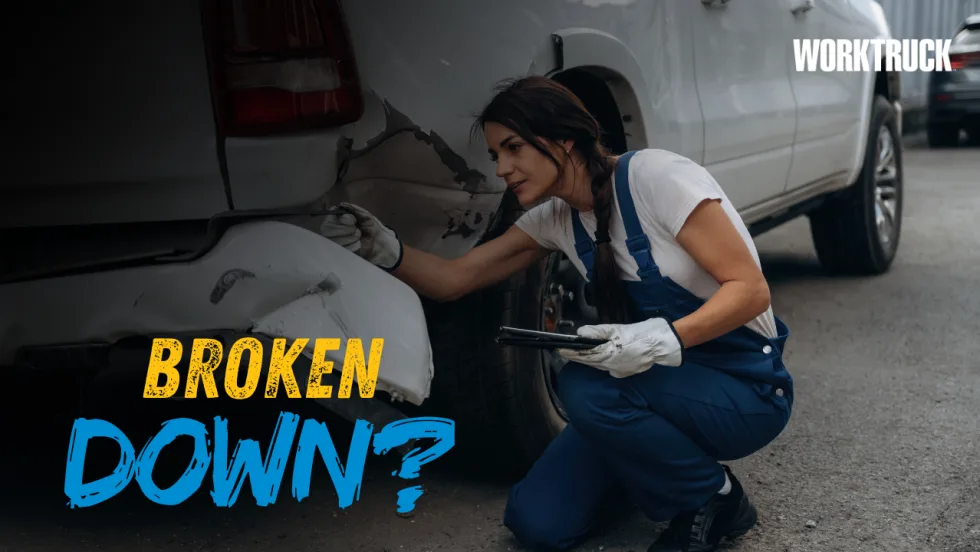
When a Work Truck Breaks Down, the Job Can Stop, Too
A work truck breakdown can stop more than the vehicle. Discover how payloads, jobsites, and specialty equipment change the roadside response.
Read More →
What Stronger Long-Term Fleet Service Partnerships Actually Require
Fleet service partnerships rarely fall apart all at once. Learn the three warning signs that trust is eroding and what fleets and providers can do before downtime, frustration, and lost revenue follow.
Read More →
Applause & TRUCE Software Partner to Improve Driver Safety Through AI-Powered Telematics & Employee Performance Management
Applause has integrated TRUCE driving metrics directly into its employee-first performance and safety platform that transforms mobile devices into AI-powered telematics.
Read More →
How Detroit Assurance with Active Brake Assist Works
Do you want to see what it is like to experience Detroit Assurance’s Active Brake Assist? In this video, Work Truck will put you in the cab to see how it all works and then hear more details from DTNA’s Mike Young.
Read More →
Get Left of Loss: A 5-Step Workplace Violence Prevention Framework for Fleet Operators
Violence risks do not stop at the driver’s door. Learn five practical steps fleets can take to spot threats early and protect workers before loss occurs.
Read More →
Sponsored•July 17, 2026
How Better Visibility Cut Speeding Violations by 48%
Fleet leaders don't need more data, they need clearer visibility into what the data is saying. This case study explores how one utility replaced speeding-event counts with a single metric — miles driven in violation — to strengthen safety and significantly reduce speeding violations.
Read More →