




Dangerous & Deadly: Preventing Distracted Driving
3 Strategies to Avoid Distracted Driving
Learn these three strategies to combat distracted driving for Distracted Driving Awareness Month.
by Ron Cordova, Zonar
April 18, 2023
Learn these three strategies for Distracted Driving Awareness Month.
Photo: Work Truck
4 min to read
April is Distracted Driving Awareness Month, and truck drivers face a sobering statistic: they are 23 times more likely to cause an accident when texting at the wheel, despite the Federal Motor Carrier Safety Administration prohibiting cell phone use when driving.
Judgment lapses behind the wheel are only a small part of the distracted driving equation, and mandated refresher training hasn’t curbed those figures.
There’s a reason for this: it’s one thing to talk about having a safety culture, but providing a safety culture begins with a purposeful understanding of driver psychology, supplemented by supporting the drivers and reinforcing that safety mindset with technology solutions.
Mental Well-Being Begins With Proper Rest
Fatigue management requires frequent and targeted communications regarding the proper amounts of rest. This also encourages a commitment from fleet managers and drivers to address this problem.
Communications should include information on the physiological effects of improper rest and tactics for improving rest quality. Companies can provide resources such as sleep masks, earplugs, and other items to help drivers get better quality rest on the road.
In addition, sleep apnea is a key element of fatigue management that is likely overlooked, for which employers can provide financial and medical support.
Johns Hopkins estimates that 3% of normal-weight individuals, and as much as 20% of obese individuals, suffer from sleep apnea.
Truckers who have tried everything to fight off fatigue and drowsiness with limited success should determine if they exhibit sleep apnea symptoms and consult a specialist if they do.
Numerous interventions are available that significantly improve sleep quality, and employers who subsidize those interventions genuinely walk the walk regarding caring for drivers and creating a safety culture.
Technological Solutions to Boost Driver Health
Once fatigue management strategies have been implemented, technology provides a comprehensive set of in-cab solutions.
These include monitoring drivers’ hours of service using a federally required electronic logging device (ELD) and providing rest breaks, and scheduling flexibility to ensure adequate time to rest and recover.
Wearable devices can monitor drivers' vital signs and provide alerts when signs of fatigue are detected. Artificial intelligence and machine learning algorithms are entering the sector, providing predictions and insight into when drivers are at risk of fatigue and recommendations for when to take rest breaks and other interventions.
Some trucks have lane departure warning systems, which alert drivers when they drift out of their lane. Other vehicles have collision avoidance systems, which use sensors to detect potential hazards and warn drivers of an impending collision.
Many drivers still rely on texts and call for route management. Still, hands-free tablet-based platforms exist to improve communications between drivers and dispatchers and provide additional benefits.

Driver fatigue can cause distracted driving and even accidents.
Photo: Work Truck
The most beneficial tablets keep distractions to a minimum. Form-based messaging tablets are designed for one-touch usage, and some are designed so they will not permit reading or responding to messages while driving.
Commercial trucking tablets are more fragile than those designed for retail consumers. They are built to withstand the rigors of the road, including extreme temperatures, vibrations, and shocks.
They often have special features such as glare-resistant screens to ensure maximum visibility in all lighting conditions.
There are often options to customize features to suit the needs of drivers and fleets. Fleet managers can choose which apps and features to include on the tablets, such as:
Pre-trip inspection checklists.
Load tracking.
Maintenance reminders.
Tablets can also serve as a conduit for driver morale, as drivers can maintain communication with their families and communicate with other drivers or their dispatchers on long-haul routes.
Everyday Vigilance withVocational fleets
Vocational fleets have daily hands-on opportunities to reduce the possibility of distractions.
Construction workers have required safety briefings every day, and fleets should emulate this tactic by encouraging drivers to have a “self-briefing” before they get on the road.
Drivers are required to perform pre- and post-trip inspections. Using a patented electronic verified inspection report lets a driver know that everything on his truck is secured and ready to roll before departure.
This includes walking around the vehicle to ensure it’s clear of hazards, securing cargo, and removing any protective gear so the employee is comfortable driving.
Distracted driving mitigation goes beyond providing tactical tools. It requires a thoughtful, empathic, creative, and comprehensive approach toward creating a culture of safety and caring at every fleet.
A driver with good morale and enough rest is less likely to let his attention wander as he travels America’s highways.
Subscribe to Our Newsletter
More Safety & Compliance

Navigating the Effects of Daylight Saving Time on Work Truck Fleets
Discover how daylight saving time impacts work truck fleets and get essential tips for fleet managers and drivers to navigate the "fall back" transition.
Read More →
How Halloween Changes the Job for Work Truck Drivers
Truck traffic doesn’t take the same Halloween break as other drivers. What fleet managers should know about timing, neighborhood stops, and braking data.
Read More →
Tips for Driving Safely on Halloween Night
This video features a reminder from the Connecticut Department of Transportation (DOT) and the Connecticut Police Chiefs Association, urging drivers to prioritize safety this Halloween.
Read More →From Our Partners



Re-rating Gross Vehicle Weight Ratings (GVWR): Why and How it's Done
Sometimes, it is not in a fleet’s best interests to have a vehicle at a given GVWR. Changing the GVWR to a special value can be done, but the process is complicated.
Read More →
When a Work Truck Gets Stolen, the Real Loss Is Time
A stolen work truck can take more than a vehicle off the road. From tools and access cards to crew downtime, here’s how fleets can prepare for theft before it disrupts the entire workday.
Read More →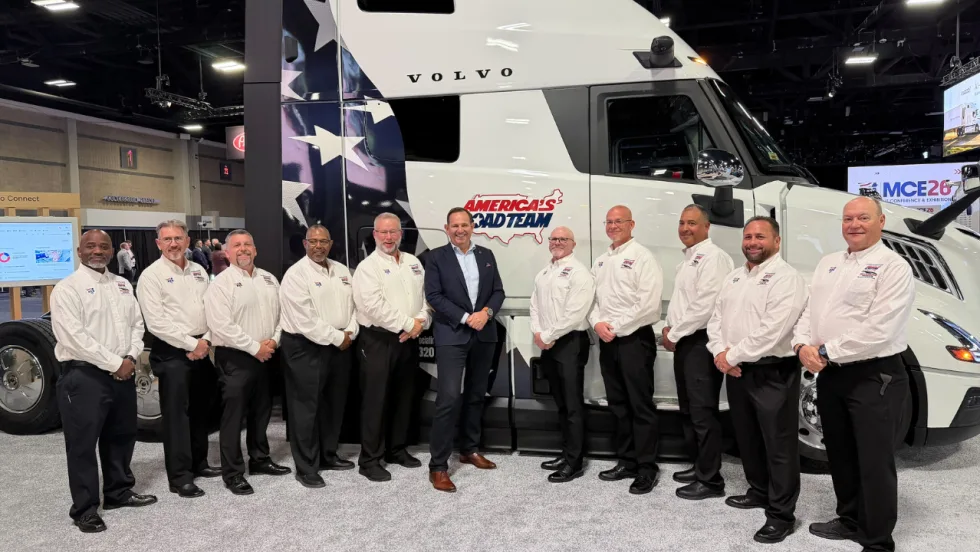
Volvo Trucks Marks 25 Years as Exclusive Sponsor of America's Road Team
Volvo Trucks North America will serve as the exclusive sponsor of the American Trucking Associations' America's Road Team, marking 25 years of Volvo sponsorship. The group of professional drivers promotes safety and the industry as they travel the country.
Read More →
Streamlight’s High-Output Scene Light Recognized with Occupational Safety Award
Streamlight’s Portable Scene Light III (PSL III) won the 2026 Occupational Health & Safety (OH&S) New Product of the Year Award in the Lighting category.
Read More →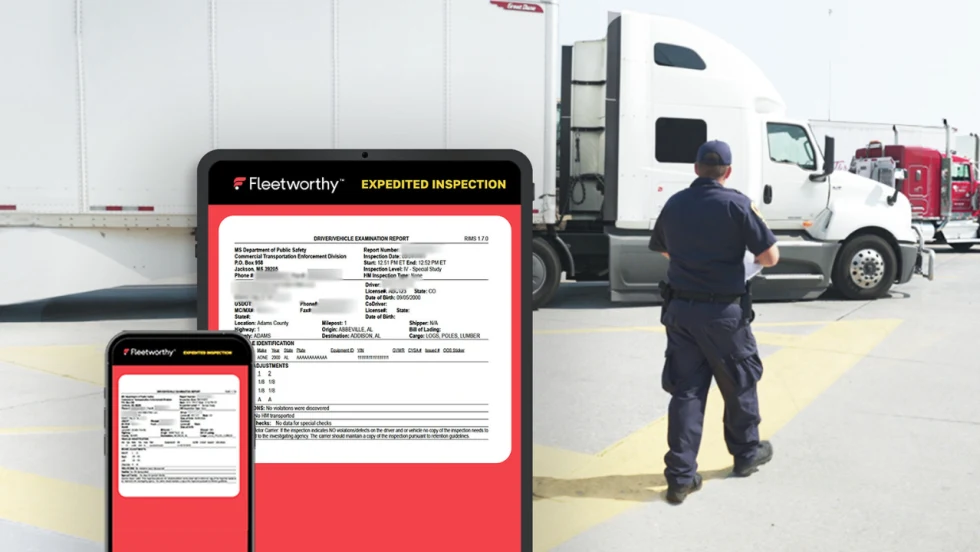
Fleetworthy Expands Expedited Inspection to 5 States
Following its industry-first launch in Nevada, Fleetworthy’s automated inspection technology is now live in California, Michigan, Vermont, and Maine.
Read More →
Crossing State Lines in a Light-Duty Work Truck? Check These Rules First
Crossing state lines in a lighter work truck? J.J. Keller's Kathy Close explains when IRP registration, trip permits, and towing rules come into play.
Read More →
Simple Tire Checks That Help Keep Your Business Fleet Moving
A survey found that nearly one in every 10 passenger vehicles has at least one bald tire. What's more, 27% -- more than one in four -- of vehicles are driven with one or more severely under-inflated tires.
Read More →