





Related: 5 Tips On Connecting Your Fleet To the Electric Grid
22 Questions to Answer Before Installing EV Charging Depots
The answers will dictate site design, energy management considerations, software needs, home charging requirements, and fleet policy updates. Without the proper attention, fleet operators face ballooning and unexpected costs.
May 20, 2021
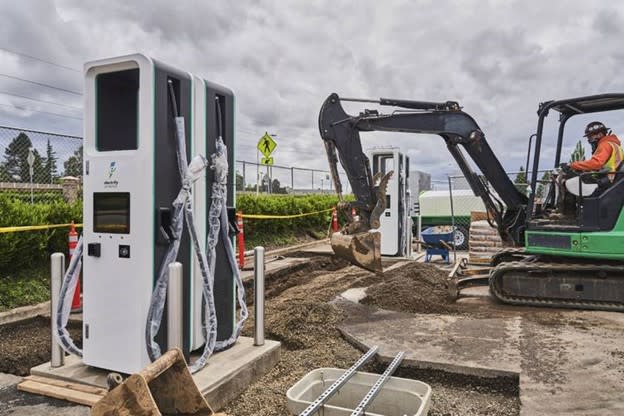
Understanding capacity needs upfront is essential, as there is often a long lead time to get the power from the utility to the charging site, while necessary grid and site upgrades must be considered.
Photo: Electrify Commercial
9 min to read
Every fleet is unique, and therefore every fleet looking to electrify will have unique charging needs. In fact, planning for charging infrastructure is more complicated than most fleet operators think.
“Fleets making the switch to electric will likely have to make some changes in day-to-day fueling and operations that may be uncomfortable initially. Ultimately, though, the changes that come with electrification will result in a net improvement of the efficiency of their depot flow. The more planning a fleet does upfront, the better equipped they will be to make a smooth transition,” says Shana Patadia, director of strategy, energy solutions at ChargePoint.
Fleets tend to first concentrate on the electric vehicles, because they represent the largest, and most easily identifiable, costs. And fleets must deal with various new stakeholders in the process — from electric OEMs and utilities to charging and software providers — that aren’t in tune with the entirety of fleets’ needs.
As well, Patadia says fleet operators often focus on unit costs such as dollars spent per charging station, which ignores the big picture. “You should be worrying about the whole ecosystem,” she says. “The per-station cost is a trivial amount if you paid a million dollars in grid upgrades.”
With this in mind, ChargePoint created a fleet assessment tool to put operators on the right track from square one. The assessment starts with a series of questions. The answers will dictate site design and upgrades, energy management considerations, software needs, home charging and en-route charging requirements, fleet policy updates, and of course overall cost.
Asking the Questions
How many vehicles are in your existing fleet?
Are the vehicles located at one location or multiple locations?
Do vehicles return to the same depot at the end of the day or an alternate depot? Do vehicles go home with the driver?
Do you have a current fuel card provider? If so, which one?
Do you have a vehicle telematics provider? If so, which one?
Do you have a vehicle asset management platform? If so, which one?
Do you have a vehicle dispatch system? If so, which one?
Do you have a particular make/model of electric vehicle in mind?
What is your timeframe for receiving vehicles?
What vehicle types are you considering for electrification? (passenger vehicle, delivery van, box truck, etc.)
What is the application for the vehicle? (service vehicle, delivery truck, etc.)
What cargo type? (people, goods)
What is the initial number of vehicles you are considering? What is the potential number of vehicles?
How many days per week will the vehicles be in-use and what is the estimated average daily miles?
What is the estimated dwell time (or available charging time) in hours per day?
Do you own the property or lease?
Is the parking indoor or outdoor?
What type of facility is it? (city hall, distribution center, warehouse, general office building)
Are the vehicles assigned to dedicated parking spaces?
Do you anticipate that the vehicles will charge in a dedicated parking space in the parking lot?
Will vehicles need to charge during the loading/unloading process?
Do you expect the charging infrastructure to be dedicated to fleet vehicles or shared use (such as employee personal vehicles)?
Answering the Questions
Comparing total fleet size (1) to number of vehicles to electrify (13) and timeframe to begin purchasing EVs (9) will determine site design in terms of how many charging stations are required and whether the ICE-powered vehicles must change their operational flow to accommodate the new EVs.
Knowing the initial number of vehicles to electrify — even if just a ballpark range — will dictate site planning needs as well. Those planning to acquire a single EV in the first year and then grow the EV fleet may not need an initial deep dive on the full site design, but fleeting 10 to 20 vehicles in year one would.
“There's a lot of work you can do upfront to reduce costs over time,” Patadia said. “If you’re starting with 10 EVs but will grow to 30 and then 50, let's look at your entire parking situation now and do the site design to make sure that when we pour concrete and pull wires, everything is done in a future-proof way.”
Vehicles located at multiple locations (2) “increases the likelihood that you're going to need a pretty in-depth software solution if the vehicles are moving between depots,” Patadia says.
If vehicles rotate between depots or sometimes go home with the driver (3), fleets may need to consider multiple types of charging solutions, from charging at a depot, at home, or en route. Home charging should be set up to include smart reimbursement, she says. The en-route solution could be a public option, or a new non-public station placed in a heat map of activity that multiple fleets could access.
Charging infrastructure providers are connected to the major fuel cards (4). It behooves operators to find out which fuel card providers connect to which charging solutions, as the connectivity makes payments vastly more efficient.
The same goes for (5) telematics. Charging software platforms are integrated with multiple telematics systems, but not all of them. This integration unlocks the power of telematics as it relates to electric vehicles — such as identifying vehicle location, their dwell times, and whether they’re being charged. The telematics system will push notifications to the fleet manager on vehicle location, charging activity, and state of charge, among other metrics.
In the same vein, integration with a vehicle asset management platform (6) or dispatch software (7) allows the operator to combine EV metrics with other fleet data for more powerful insights into the entire fleet. It’s essential to know a vehicle’s state of charge to be able to assign it to a route, Patadia says, or how to apportion power based on when a vehicle is scheduled to leave.
Knowing the EV’s make and model (8) as well as type (10) will dictate capacity needs. “There is often a long lead time to get the power from the utility to your site, including necessary grid upgrades,” she says.
They also dictate vehicles’ efficiencies. If exact make and model aren’t yet known, particularly regarding commercial EVs, knowing the class size of the vehicles will allow for a rough miles per kilowatt-hour metric. This, in turn, dictates the needed charging solution, from Level 2 chargers to DC fast chargers, as well as how configurable the solution must be.
Each vehicle’s application (11) and duty cycle are unique and must be considered, Patadia says. Delivery, trucking, and transit operations typically have dwell times of eight to 10 hours sufficient for charging. Yet before embarking, delivery fleets will need to leave the charging area to load, which creates an interruption in its charging cycle.
On the other hand, passenger vehicle fleets such as taxi or ride-hailing operations are in constant operation, which requires faster charging and therefore reduces opportunities for managed charging.
With cargo type (12), the primary factor is weight, which is coupled with operational flow considerations in the depot such as how the cargo is loaded and whether it needs to be refrigerated or managed in a special way.
Days per week the vehicle is in use (14) determines when the EV can be charged to 100%. This is a common scenario with shuttle buses that have short routes but may only have a small window to recharge when picking up or dropping off. If the shuttle doesn’t run during the weekend, that’s a natural time for a full recharge.
Are the vehicles’ departures and arrivals staggered or do they all leave and return at the same time? How many miles will each EV travel daily? What are the dwell times for each EV (15)?
Understanding these factors help to determine the number of kilowatt hours that will be depleted before the vehicles arrive at the depot and how much time they’re afforded to charge before departing again. This also speaks to an opportunity for energy management, which could save hundreds or even thousands of dollars monthly compared to unmanaged charging.
Regarding estimated average daily dwell time, this can get tricky, “because operators sometimes have a false sense of accuracy on how smoothly their operations run,” Patadia says.
Whether the property is owned or leased (16) determines site construction for capacity upgrades and charger installations that may require structural changes. “What are we allowed to rip up? Who can participate in some portion of the cost?” she asks.
Indoor or outdoor parking (17) influences weather considerations. Snowy or hot and sunny climes may necessitate constructing protections for equipment and drivers.
The type of facility (18) also dictates operational flow. How a vehicle gets washed, loaded, and inspected can complicate and diminish charging opportunities. Patadia gives the example of bus depots: Buses are parked nose to tail, which necessitates careful planning of places to charge to properly manage the flow of vehicles coming and going from and charging in the depot.
Whether vehicles are assigned to dedicated parking spaces (19) brings a few considerations. One is emergency charging — can a charger be available in places where parking is not allowed?
Another is parking policy for fleet charging stations: Which employees are allowed to charge in which spots? Where can visitors charge, and does senior management have extra privileges? ChargePoint has created “connection groups,” in which drivers and their RFID cards are categorized by different policies in terms of access privileges, how they’re billed, and if penalties apply. In a depot owned and managed by a single organization, these features may not be utilized, but in any shared depot, these capabilities can be critical for access control.
Will vehicles need to charge during the loading and unloading process (20)? Patadia serves up the scenario of an electric van that's delivering to a grocery store and it's used over 50% of its range getting there. Charging while unloading could provide just enough of a range buffer to complete the day’s final deliveries.
Whether the charging infrastructure is not just dedicated to fleet vehicles but is shared (22) influences prioritization of the fleet manager’s dashboard and alerts. For instance, if a depot is meant for box trucks and an employee’s personal vehicle plugs in, fleet policy must be written to establish the personal vehicle as low priority, and that owner, and the fleet manager, must be notified.
“In almost every fleet, there are vehicles with different priority levels for charging,” Patadia says. “Whether it's the VP and the employees, or the tractor and box truck to service van, ranking those so that the most mission critical work gets done when things get constrained is super important.”
Patadia outlines the top concern for fleets beginning this process:
“Every fleet is unique,” she says. “Some may want to use the same solution as the transit depot down the street from them. It's important that each fleet understands the specific vehicle needs, unique layout of their depot, and its operational flow. If the unique fleet profile is not considered when scoping out a charging solution, you might find yourself high and dry.”
Topics:EV Charging Stationscharging infrastructureEV Home ChargingCommercial Electric VehiclesDC Fast ChargingChargePointGreen FleetOperationsSmall Fleet
Originally posted on Automotive Fleet
Subscribe to Our Newsletter
More Green Fleet

Fleet Forward Conference Introduces One-Day Passes for 2026
New one-day registration gives fleet professionals the flexibility to attend Tuesday, Wednesday, or Thursday, with passes available for $199 through Sept. 18.
Read More →
CALSTART Rebrands as Catalyst Mobility, Will Combine with Forth in 2027
CALSTART has rebranded as Catalyst Mobility and will combine with Forth at the start of 2027. The new organization said it is poised to become one of the world's largest, strongest, and most impactful clean transportation nonprofits.
Read More →
Electric Truck and Charging Programs to Boost Sustainability at NY & NJ Ports
Together, the Port Authority of New York and New Jersey and CALSTART will electrify drayage and terminal operations serving the East Coast’s busiest container port. A pair of incentive programs totaling $45 million has launched to accelerate adoption of zero-emission drayage trucks and terminal tractors.
Read More →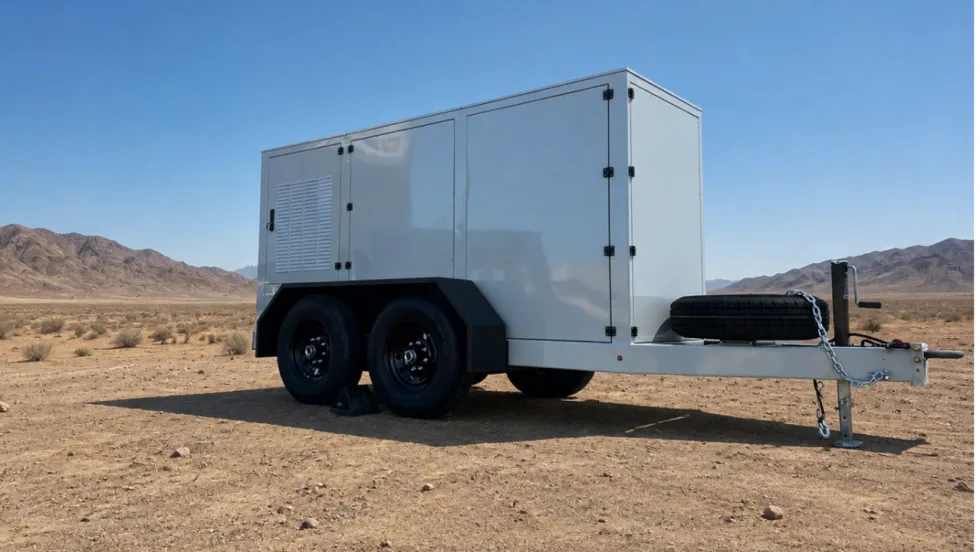
Xos Hub Surpasses One Gigawatt-Hour of Energy Delivered in the Field
A single Xos Hub has surpassed one gigawatt-hour of energy across more than 33,600 charging sessions in the field, demonstrating performance that supports Xos' expansion across new products and markets.
Read More →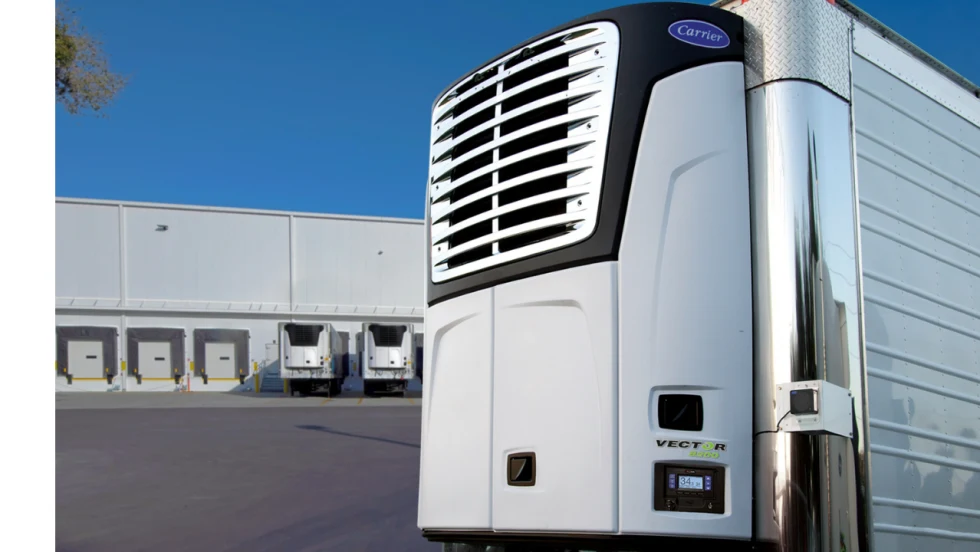
Carrier Transicold Launches All-Electric Vector 8200 TRU for Diesel-Free On-Site Cold Storage
Carrier Transicold’s first engineless multi-temperature TRU helps fresh- and frozen-food fleets add supplemental cold storage capacity during seasonal peaks.
Read More →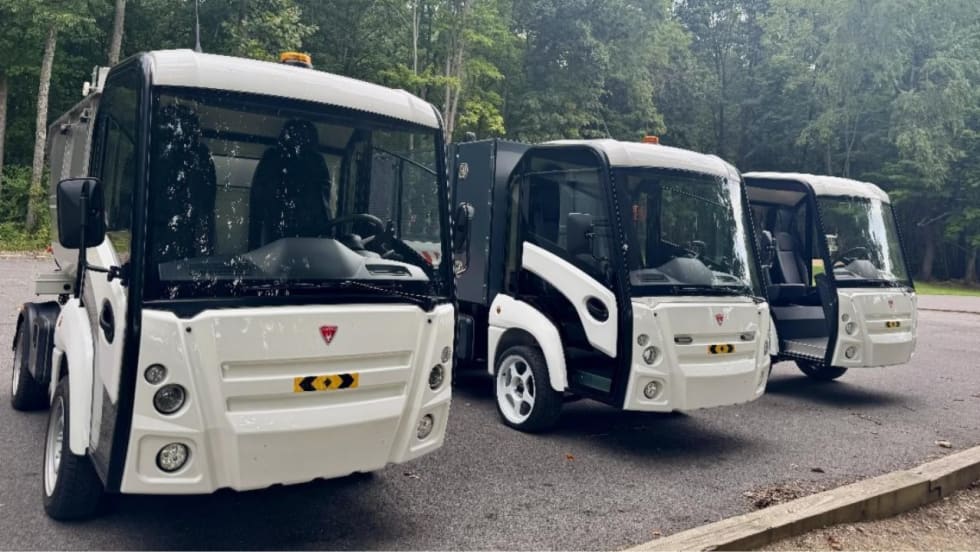
Narro Trucks Introduces Electric Utility Vehicle
Narro Trucks officially launched its operations on Aug. 20 and hosted a ride and drive to showcase its electric truck, which will be produced in Virginia.
Read More →
Samsung SDI Takes Full Control of GM Battery JV as Indiana Plant Pivots to Energy Storage
Samsung SDI is taking full control of its Indiana battery plant with GM, marking a major shift from the EV-focused joint venture Charged Fleet first covered in 2023.
Read More →
NWSA Taps CALSTART to Administer Zero-Emission Drayage Assistance Program
CALSTART will provide free technical assistance services to drayage fleets serving the Ports of Seattle and Tacoma and looking to transition to cleaner technologies and help decarbonize freight hubs.
Read More →
EV Fleet Reality Check: What Operators Wish They Knew Before Electrifying Their Work Vans
Electric work truck upfits bring new compatibility questions. Learn how parts availability, OEM guidance, power demands, and route planning can affect fleet performance.
Read More →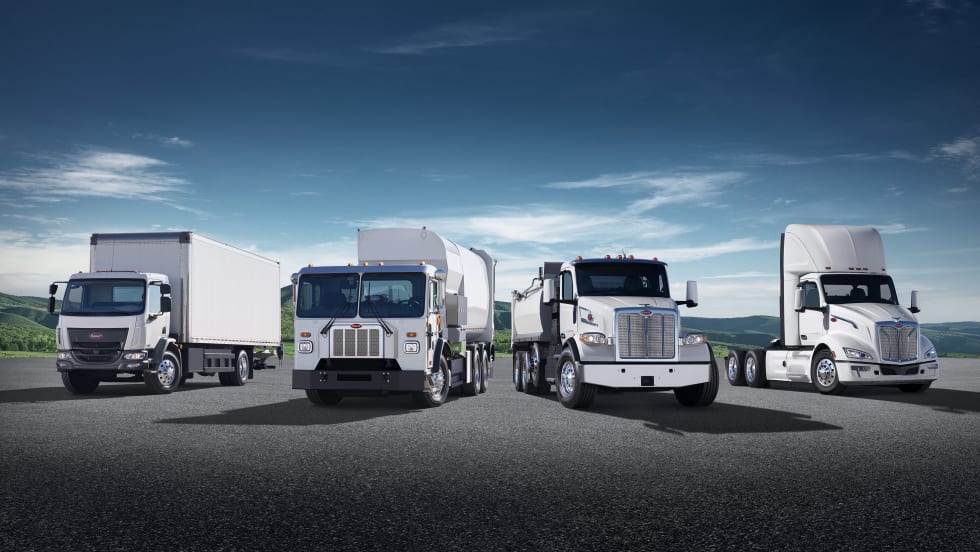
Peterbilt Expands Sourcewell Partnership with Electric Vehicle Lineup
Peterbilt Motors Company’s cooperative purchasing agreement with Sourcewell and its Canadian partner, Canoe Procurement Group, now includes including Peterbilt's battery-electric vehicle lineup.
Read More →