





Related: Hauling Cannabis and Cash: New Fleets Serve Exploding Industry
CBD Oils May Result in DOT-Testing Violation
Use of THC is forbidden for a regulated driver, no matter the source. As a result, medical and recreational marijuana and some CBD oils, even if legal under state law, are federally banned.
March 4, 2019
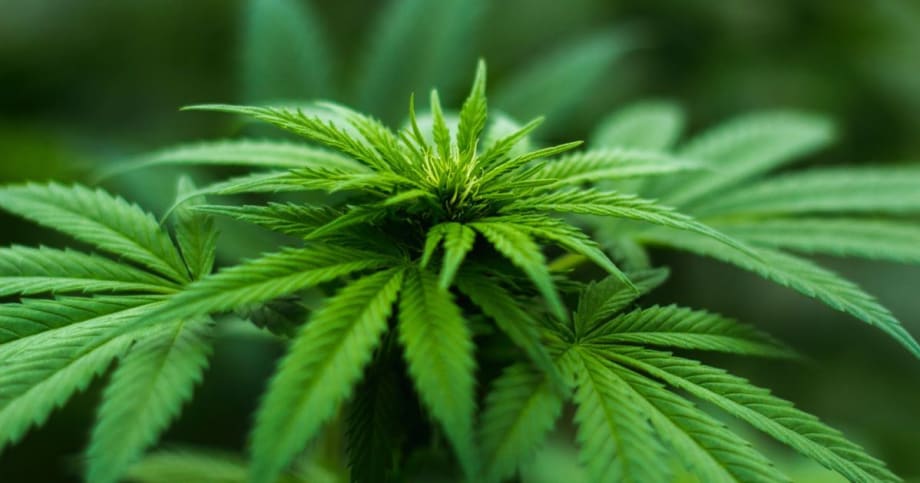
A driver’s career may be on the line if a drug screen comes back positive. To avoid any misunderstandings surrounding the use of CBD oils, be sure to bring up the topic during driver training.
Photo by Michael Fischer from Pexels
3 min to read
A driver's career may be on the line if a drug screen comes back positive. To avoid any misunderstandings surrounding the use of CBD oils, be sure to bring up the topic during driver training.
Cannabidiol (CBD) oil is becoming a commonly used natural alternative to pain medicine. But, commercial drivers should be cautioned that use of CBD oil — even if derived from hemp — may result in a positive DOT drug screen.
The 2 Types of Cannabis Sativa
The cannabis sativa plant comes in two strains, each of which has the potential to produce CBD oils. Each genetic variation was created for specific purposes:
Hemp: Bred for fiber, clothing, and construction; oils; and nutritional benefits (0.3% THC concentration)
Marijuana: Bred for the production of THC in resinous glands in its flowers and leaves (5-30% THC concentration)
Looking at THC (tetrahydrocannabinol) concentrations alone, you might incorrectly assume that only marijuana-based CBD oil has the potential to show up in a DOT drug panel. THC concentration is dependent upon the manufacturing process and how much oil the individual is using. Even hemp-derived CBD oils can register at a level that is considered a DOT drug testing violation.
What Do DOT Regulations Require?
Use of THC is forbidden for a regulated driver, no matter the source. As a result, medical and recreational marijuana and some CBD oils, even if legal under state law, are federally banned.
Since THC is an absolute under DOT drug testing, a medical review officer (MRO) must not take the medicinal use of a CBD oil into consideration as he or she determines a drug test result.
A positive drug test result requires the motor carrier to remove the driver from safety-sensitive functions until specific steps in the DOT return-to-duty process are successfully completed.
After a positive test, the driver must:
Be evaluated by a substance abuse professional,
Complete prescribed treatment, and
Have negative results for follow-up testing.
Communicate Cautions
A driver’s career may be on the line if a drug screen comes back positive. To avoid any misunderstandings surrounding the use of CBD oils, be sure to bring up the topic during driver training.
Possible points to cover include:
Trace amounts of THC may show up in a DOT urine specimen.
MROs will not accept CBD oil as a valid medical explanation for a positive DOT drug test.
Enforcement may consider CBD oil in a commercial vehicle as possession. Officers are unable to determine the concentration of THC in the oil, and there has been no official guidance for them to follow.
Labels don’t tell the whole story. Packaging for CBD oil may claim to be THC-free or below traceable limits, when in fact, they contain enough to be detected during a drug screen.
One final caution to bring to your drivers’ attention: CBD oils sold in states with legalized marijuana may have been processed from the marijuana plant, resulting in a higher concentration of THC.
Drivers should leave training with a greater understanding that any CBD or THC use is potentially a violation waiting to happen.
Subscribe to Our Newsletter
More Safety & Compliance

Tips for Driving Safely on Halloween Night
This video features a reminder from the Connecticut Department of Transportation (DOT) and the Connecticut Police Chiefs Association, urging drivers to prioritize safety this Halloween.
Read More →
Re-rating Gross Vehicle Weight Ratings (GVWR): Why and How it's Done
Sometimes, it is not in a fleet’s best interests to have a vehicle at a given GVWR. Changing the GVWR to a special value can be done, but the process is complicated.
Read More →
When a Work Truck Gets Stolen, the Real Loss Is Time
A stolen work truck can take more than a vehicle off the road. From tools and access cards to crew downtime, here’s how fleets can prepare for theft before it disrupts the entire workday.
Read More →From Our Partners



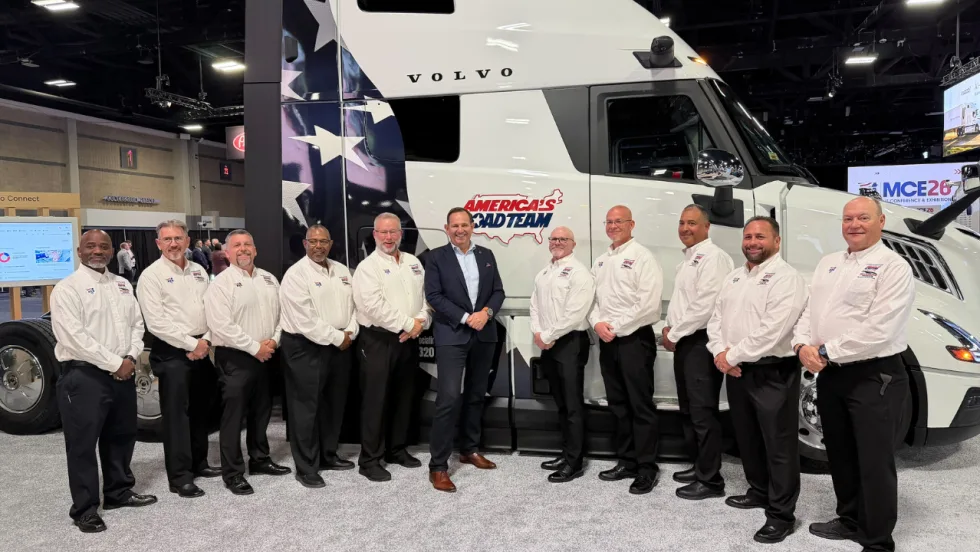
Volvo Trucks Marks 25 Years as Exclusive Sponsor of America's Road Team
Volvo Trucks North America will serve as the exclusive sponsor of the American Trucking Associations' America's Road Team, marking 25 years of Volvo sponsorship. The group of professional drivers promotes safety and the industry as they travel the country.
Read More →
Streamlight’s High-Output Scene Light Recognized with Occupational Safety Award
Streamlight’s Portable Scene Light III (PSL III) won the 2026 Occupational Health & Safety (OH&S) New Product of the Year Award in the Lighting category.
Read More →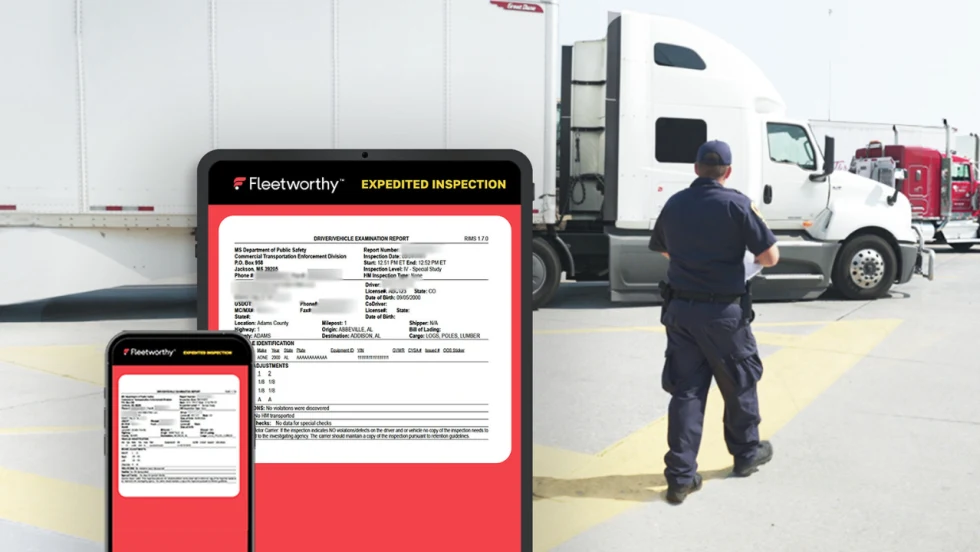
Fleetworthy Expands Expedited Inspection to 5 States
Following its industry-first launch in Nevada, Fleetworthy’s automated inspection technology is now live in California, Michigan, Vermont, and Maine.
Read More →
Crossing State Lines in a Light-Duty Work Truck? Check These Rules First
Crossing state lines in a lighter work truck? J.J. Keller's Kathy Close explains when IRP registration, trip permits, and towing rules come into play.
Read More →
GeoFencing Adds to Your Truck Security Arsenal
Geofencing is a familiar fleet tool today, but its early adoption marked a major shift in vehicle tracking, route monitoring, and the debate over employee privacy.
Read More →
Recalls You Need to Know About in October 2026
In October 2026, what recalls might impact your fleet? Work Truck has the answers in this comprehensive overview of recent NHTSA recalls.
Read More →
Construction Fleets Show Telematics Adoption Alone May Not Reduce Driving Risk
SambaSafety found construction fleets monitor roughly 92% of their vehicles but recorded the highest severe speeding rate among industries studied.
Read More →