




Want More? Treading Lightly on Fuel: How to Optimize Your Fleet’s Fuel Use
Fuel Management RFP Musts
Fleet managers should treat the RFP as an introduction to their fleet and implement a checklist of must-haves so the basics don't fall through the cracks.
by Editor
November 1, 2007
Review your fleet's mission, geography, composition, as well as administration and management needs before selecting a fuel program.
Photo: Juan Fernandez/Unsplash
2 min to read
Fleet managers use a fleet fuel card program to make it simple for drivers to fuel up, collect, and mine key expense data, and provide expense data to management. However, not all fuel card programs are the same, and not all fleets are the same. Review your fleet's mission, geography, composition, as well as administration and management needs before selecting a fuel program.
There are three primary types of fuel programs:
Branded: All major oil companies offer fleet fuel cards for use at their own fuel locations.
Universal: This fuel program is offered by an independent company or fleet service provider.
Cardkey Programs: Cardkey providers operate their own gated fuel sites and purchase and sell their own fuel. Sometimes it's the basics that fall through the cracks when writing a request for proposal (RFP). Vendors aren't mind readers, so treat your RFP as an introduction to your fleet.
Be sure to check off this list of must-haves to avoid problems during the RFP process:
Contact information: Don't assume vendors know where to send their responses. Clearly identify a point person for vendors to contact with questions and/or responses. Include the person's phone number, address, and e-mail address when possible. Consider including a back-up contact in the event the primary person is unavailable.
Billing: Make certain the vendor provides a billing system suited to your company. Most companies require at least a centralized bill for the fleet department. Others request that an information billing be sent to field locations or division offices. Include information such as location codes, vehicle number, and driver name.
Security: Remember that a fuel card is a credit card. It is possible drivers will purchase items other than fuel, or fuel for a nonfleet vehicle. A fuel card program must minimize such use to protect the fleet from unauthorized expense. This security issue can be solved by requiring a PIN number for each card or placing dollar limits on individual transactions.
Fleet Size: The size of your fleet can affect what kind of program or services a potential vendor will offer, so be sure to specify the number of vehicles you operate.
Fleet Mix: Likewise, the types of vehicles in your fleet can factor into a vendor's response to your RFP. A fleet that primarily operates diesel trucks has different needs than a fleet comprised entirely of sedans.
Annual Fueling Volume: Giving vendors an estimate of how much fuel your fleet uses each year helps them provide their best proposal for your fleet.
Current Program: Let vendors know what you're currently doing to meet your fuel needs and why you're looking to change. This will alert vendors to specific needs or problem areas.
Subscribe to Our Newsletter
More Fuel

The Smart Way to Build a Mixed-Energy Fleet Isn’t About Picking a Side
Mixed-energy fleets aren’t about picking a winning fuel. Sarah Booth of WEX explains how vehicle data, duty cycles, charging strategy, and real-world costs can help fleets choose the right energy source for each job.
Read More →
Ignoring This Dashboard Warning Could Cost Your Fleet Thousands in Fuel
New research suggests neglected diesel aftertreatment systems could waste up to $30 in fuel per vehicle each day. Here's why vocational fleets should pay attention.
Read More →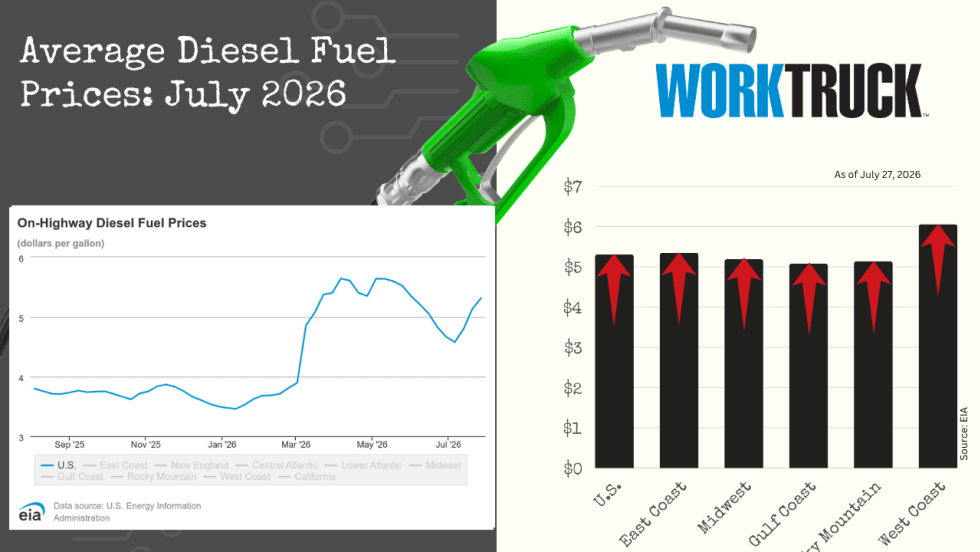
July Diesel Trends Update
The average price of a gallon of diesel increased again this week, and the EIA reported a new national average of $5.31 at the start of the week.
Read More →
WEX Brings Standard Fleet's Connected Vehicle Platform to Fleet Customers
This week’s product launch with Standard Fleet’s connected vehicle platform reflects WEX Venture Capital's strategy of turning startup innovation into customer solutions. Standard Fleet is now available to WEX fleet customers.
Read More →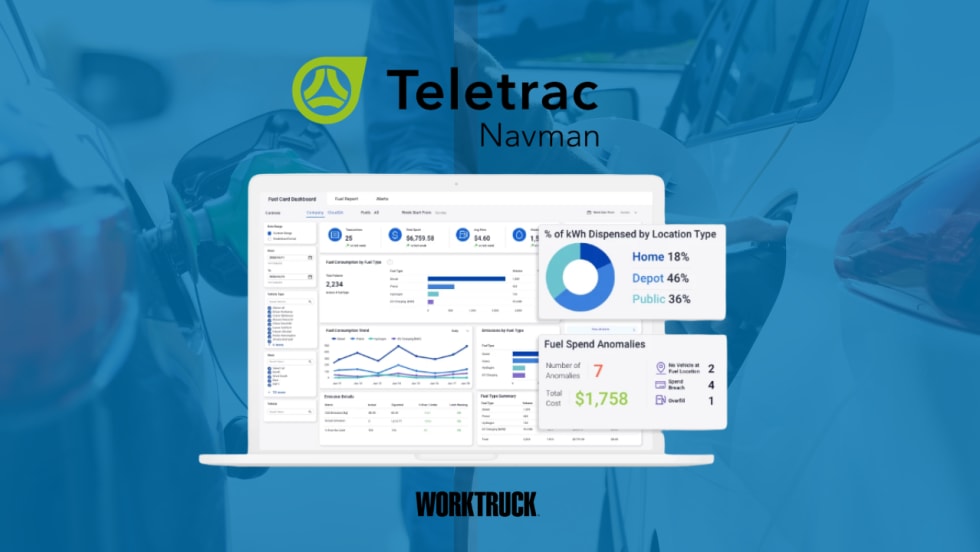
Teletrac Navman Adds Mixed-Energy Fleet Tools to TN360
The new Energy Hub combines fuel transactions, EV charging data, vehicle range, and energy costs in one dashboard for fleets operating multiple vehicle and energy types.
Read More →
WEX DriverDash adds CITGO, Expands Nationwide Access for Fleets
The DriverDash mobile payment app, by WEX, has been integrated into the CITGO merchant network, which means WEX has expanded its U.S. station footprint with the addition of approximately 4,000 CITGO locations.
Read More →
Mixed Energy Fleet Tips for Balancing EVs, Gas and Diesel Vehicles
Mixed energy fleets are becoming the new normal. Learn how fleet managers are balancing EVs, gas and diesel vehicles while controlling costs and planning for the future.
Read More →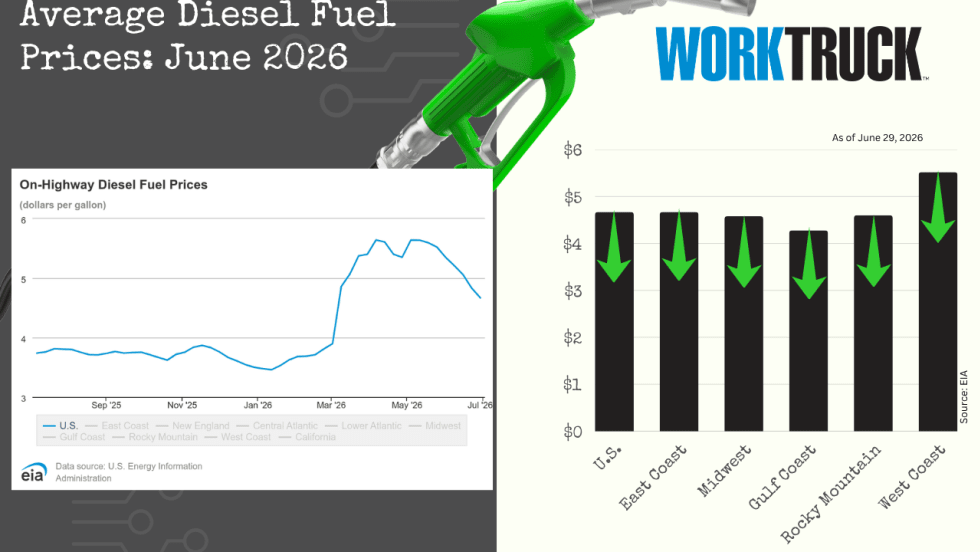
June Diesel Trends Update
The national average price of a gallon of diesel has dropped again, this week by more than 16 cents. All five regions reported lower average prices, ranging from almost 13 cents to more than 28 cents cheaper than a week ago.
Read More →
RoadFlex Launches RoadFlex Direct Open API Platform
RoadFlex Direct connects fuel cards, controls, and data to the telematics and fleet management systems fleets already run, from Geotab and Samsara to Fleetio and RTA, with no separate dashboard or double data entry.
Read More →
The Key to Fuel Efficiency Sits in the Cab
Learn how driver behavior, telematics, coaching, and fuel data can help fleets improve fuel efficiency, lower costs, and reduce emissions.
Read More →