





Want More? Is Your Truck Fleet Truly Safe?
10 Ways to Improve Fleet Safety
Many companies use methods such as videos and behind-the-wheel training to get the safety message across to drivers. Motor vehicle record (MVR) checks and incentives are also effective.
September 1, 2007
NHTSA estimates seat belts save almost 15,000 lives in the U.S. each year. Additional NHTSA survey data indicates that nighttime seat belt use is often 10% lower than the nationwide average of 82% daytime belt use.
Photo: Work Truck
6 min to read
Traffic crashes are the No. 1 job-related cause of deaths in the U.S. According to the National Highway Traffic Safety Administration (NHTSA), the total economic cost to the American society due to traffic crashes is $230.6 billion annually.
What, specifically, can be done to increase safety awareness, prevent accidents and injuries, plus save time and money? What are other organizations doing? Fortunately, most companies are proactive about their safety programs and offer one or more ways to get the message across to their drivers.
Here are a few tips:
1. Motor Vehicle Record (MVR Checks): Inexpensive & Priceless
MVR checks are priceless resources. They’re a relatively inexpensive method of keeping track of drivers’ on-the-road. In most cases, companies run the MVR before hiring an employee who will be eligible for a company car. An applicant with a poor driving record or DUI/DWI conviction may not be hired. Many organizations run MVR checks once or twice a year and more frequently for high-risk drivers who have traffic tickets or a DUI/DWI.
2. Online Driver Training & Videos
Linda Binde, fleet supervisor for B. Braun Medical, in Bethlehem, Pa., manages a fleet of close to 400 vehicles. They recently signed on with Alert Driving to provide online training and run MVR checks.
“We’ll have all new hires in a driving position take a six module course,” said Binde. “We will be able to target drivers with preventable accidents with courses Specific to their accidents.”
Videos are also a popular way to disseminate safety information because of the ease of administration and the ability to monitor pre- and posttests. A variety of videos are available in the marketplace and the quality varies considerably, so make sure to view several before selecting one.
3. Behind-The-Wheel Driver Training
Behind-the-wheel training is another effective safety tool for drivers. Because of the expense, this training is more frequently used for drivers with a bad driving record.
One industry practice is to require behind-the-wheel training for drivers after three preventable accidents or a DUI. Another method requires drivers attend state-run training at their own expense. Additional training can be done by renting a parking lot and contracting with a driving instructor.
Administering behind-the-wheel training after accidents is another recommended policy. For the first preventable accident, drivers must have classroom training. After the second, they pay the deductible and have classroom and behind-the-wheel training. A third preventable accident might result in terminating company car privileges.
4. Prevent Accidents with Rewards & Incentives
Rewards and incentive programs are effective in deterring accidents and increasing safety awareness. Programs and criteria vary — this is an area where your company can be creative and have some fun. One organization recognizes drivers for no accidents or tickets and a clean, well-maintained vehicle for two consecutive years. The reward: $100.
Another company uses a point system in which drivers earn a day off for safe driving after 25,000 miles, without a traffic citation or accident. The initial criterion to be eligible for the award is the absence of avoidable accidents for five years. Drivers who meet this goal can choose awards from a gift catalog. The manager presents drivers with a plaque and a U.S. savings bond. They also hold an annual safety drawing for airline tickets for those drivers with an accident-free record.
5. Use Newsletters to Spread Information
Newsletters or e-mails are popular ways of disseminating safety information. Most newsletters are sent quarterly. They can include seasonal safety items, such as how to drive in ice and snow, or focus on recurring kinds of accidents that drivers are experiencing. A token gift can be sent with the newsletter — a key chain, pen, or other promotional item can help remind drivers of safety.
Try to keep your newsletter to one or two pages. Drivers are more likely to read them if the material is condensed. Topics to cover in a newsletter include:
Cell phones.
Road rage.
Defensive driving.
The value of a company vehicle.
Tire maintenance.
Anti-lock braking systems (ABS).
Seat belt use.
Driving in inclement weather conditions.
6. Create Seat-Belt Usage Campaigns
NHTSA estimates seat belts save almost 15,000 lives in the U.S. each year. Additional NHTSA survey data indicates that nighttime seat belt use is often 10% lower than the nationwide average of 82% daytime belt use. Here are some ideas to help remind drivers to wear seat belts:
Offer a safety bonus.
Post signs in vehicles.
Discuss during safety meetings.
Establish written company policy requiring use.
7. Have Driver's Sign Safety Agreements
Many companies require drivers to sign an agreement regarding use of their company vehicle. A signed agreement spelling out employee responsibilities can save management grief later on down the road. Some elements to include in the agreement are:
Safety rules.
Use of the truck – by whom.
Maintenance/cleanliness of the vehicle.
Terms and eligibility.
Ordering and replacement procedures.
Delivery and acceptance responsibilities.
Accident procedures.
Disposal methods.
8. Have Drivers Pay for 'Preventable' Accidents
Paula Bucklad has worked in fleet for 30 years and is currently the fleet supervisor at H.J. Heinz in Pittsburgh. She runs a fleet of 650 vehicles. A major component of the safety program at Heinz is to assess accident fees to drivers at fault.
“I’ve found you can administer all the programs you want, but when you start hitting their pocketbooks, the accidents are cut,” said Bucklad. Drivers pay a $500 fee, just as they would on personal auto insurance when they have an accident. The policy applies to business and personal use of the company vehicle. Bucklad believes this program has cut down the number of accidents. The benefits are two-fold — safe driving has increased and the costs have decreased.
Along with fewer accidents, personal mileage has decreased, from 25 percent to 15 percent of a driver’s total yearly mileage. This means a decrease in fuel costs and wear-and-tear on the vehicle.
To ensure drivers comply with reporting vehicle damage, condition reports are requested when drivers turn vehicles in, leave the company, are assigned a different vehicle, as well as annually. These reports are reviewed by drivers’ managers. If damage is noted and has not been reported previously, the accident fee is also charged.
9. Prevent DUIs Through Driver Safety Education
Driving-under-the-influence (DUI) or driving-while-intoxicated (DWI) are serious and dangerous issues. Many companies say chances are the employee will lose his or her job if convicted of a DUI/DWI, while some suspend the employees’ company vehicle driving privileges.
One company uses a point system. If an employee accrues 14 points, he or she is terminated. A DUI/DWI is assessed 12 points. Education is the primary weapon to combat DUIs/DWIs. Companies use videos, newsletter information, and special pamphlets distributed to their drivers. Drivers must be educated on the consequences (both personally and occupationally) of driving intoxicated.
10. Spread Safety Info Through Meetings & Workshops
An easy way to educate employees and keep them informed is to do so during meetings, or by scheduling a workshop for drivers. Have an emergency medical technician come in and speak, they’re closest to the real thing and it can impact your drivers. Law enforcement officers are another great resource to tap for speakers.
A few companies indicated they have monthly safety instruction meetings for their drivers.
Subscribe to Our Newsletter
More Safety & Compliance

Crossing State Lines in a Light-Duty Work Truck? Check These Rules First
Crossing state lines in a lighter work truck? J.J. Keller's Kathy Close explains when IRP registration, trip permits, and towing rules come into play.
Read More →
GeoFencing Adds to Your Truck Security Arsenal
Geofencing is a familiar fleet tool today, but its early adoption marked a major shift in vehicle tracking, route monitoring, and the debate over employee privacy.
Read More →
Recalls You Need to Know About in October 2026
In October 2026, what recalls might impact your fleet? Work Truck has the answers in this comprehensive overview of recent NHTSA recalls.
Read More →From Our Partners



Construction Fleets Show Telematics Adoption Alone May Not Reduce Driving Risk
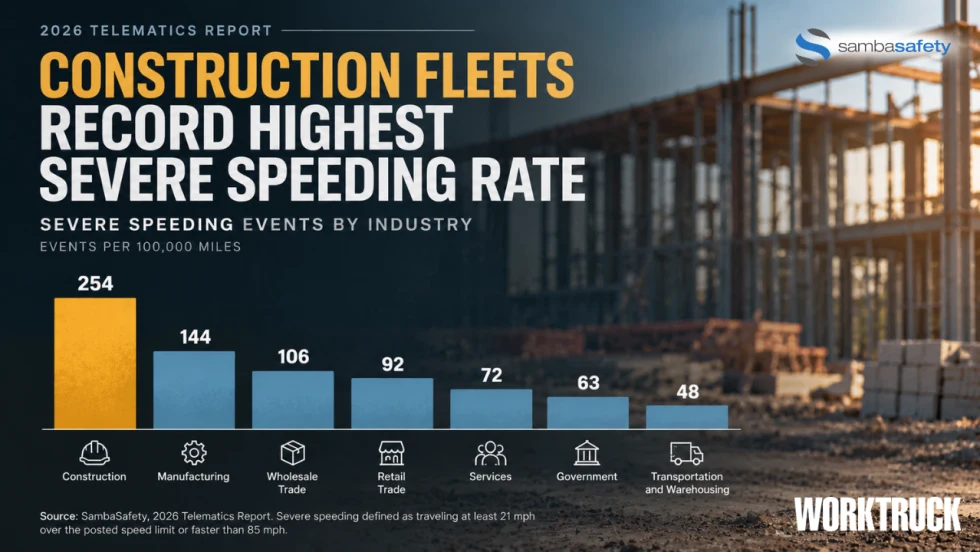
SambaSafety found construction fleets monitor roughly 92% of their vehicles but recorded the highest severe speeding rate among industries studied.
Read More →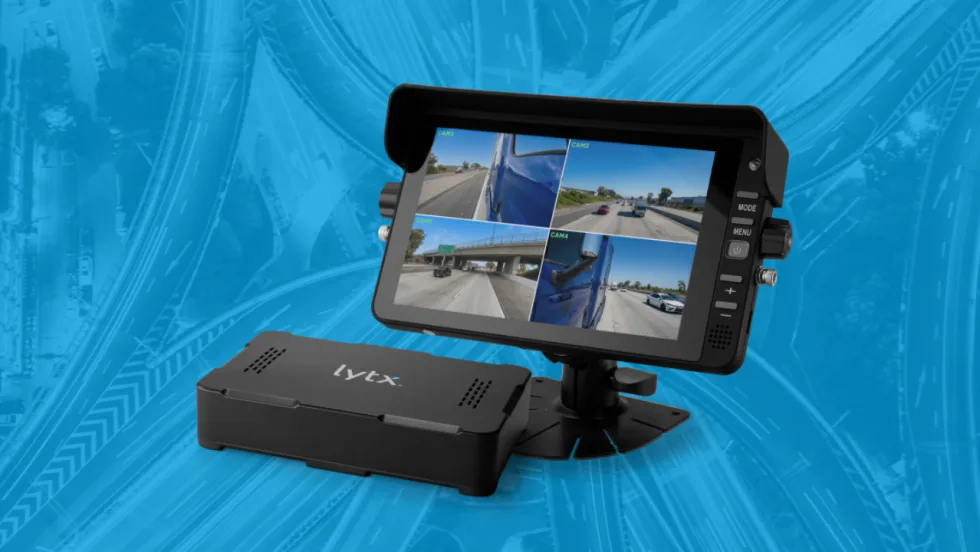
Lytx Launches 360 Hub Kit for Expanded Fleet Camera Visibility
Lytx’s new AI-ready gateway and HD auxiliary camera ecosystem, the Lytx 360 Hub Kit, extends visibility across side, rear, cargo, and blind-zone views to help fleets see more and respond faster.
Read More →
Mack Defense Achieves Cybersecurity Maturity Model Certification Level 2
After an assessment conducted by an authorized Certified Third-Party Assessment Organization (C3PAO), Mack Defense has achieved Cybersecurity Maturity Model Certification (CMMC) Level 2.
Read More →
When Work Trucks Under 26,001 Pounds Need IRP Registration
Think trucks under 26,001 pounds are automatically in the clear when it comes to IRP? Not always. Learn where lighter vehicles can still run into trip permit, apportioned registration, and IFTA compliance requirements when crossing state or provincial lines.
Read More →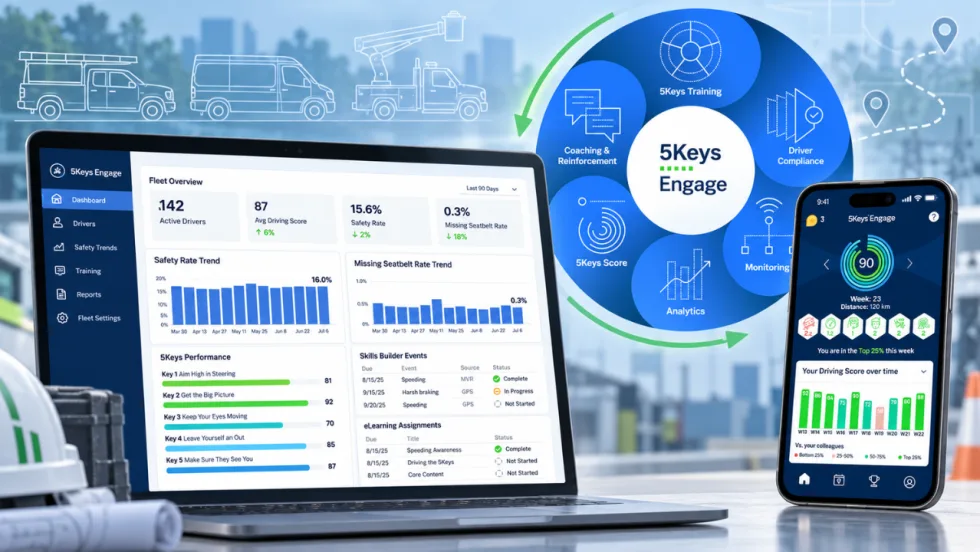
Smith System Wants Work Truck Fleets to Look Beyond the Driver Alert
Smith System’s new Driver Risk Management program is built to help mixed work truck fleets turn telematics alerts and observations into specific behaviors, coaching actions, and measurable follow-up.
Read More →
Volvo Trucks Releases New Safety Recommendations for Traveling with Pets
One of the most important recommendations for professional drivers traveling with pets is to ensure pets are properly restrained while the truck is moving. Other tips are available in the new guide from Volvo Trucks North America and Center for Pet Safety.
Read More →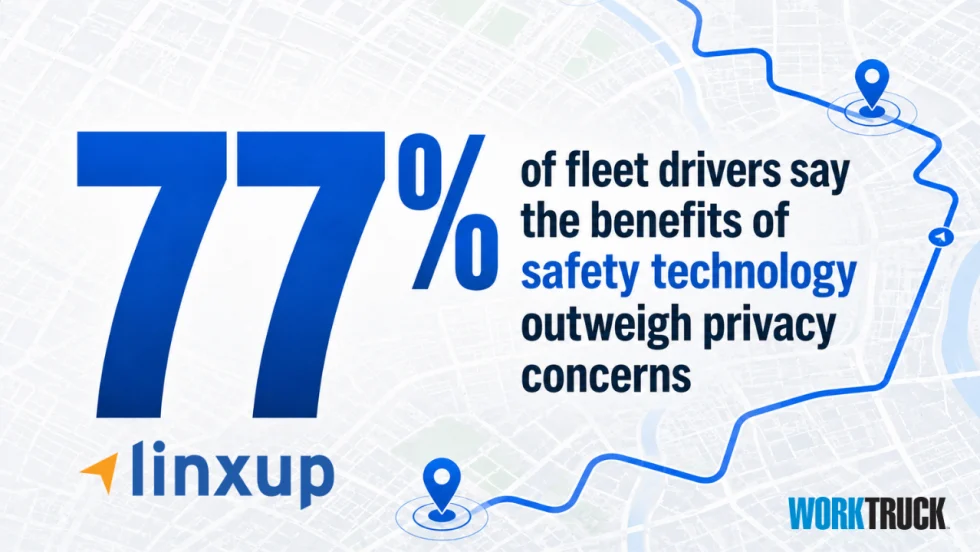
Are Work Truck Drivers Warming Up to Dash Cams and GPS Tracking?
A new survey finds field-service drivers may be more comfortable with dash cams and GPS tracking than fleet managers think, especially when the technology helps protect them after a crash.
Read More →