




Truck Drivers Offer Winter Driving Safety Tips
Winter road conditions can lead to dangerous situations. Fortunately, a team of million mile accident-free drivers are helping to make our roads safer.

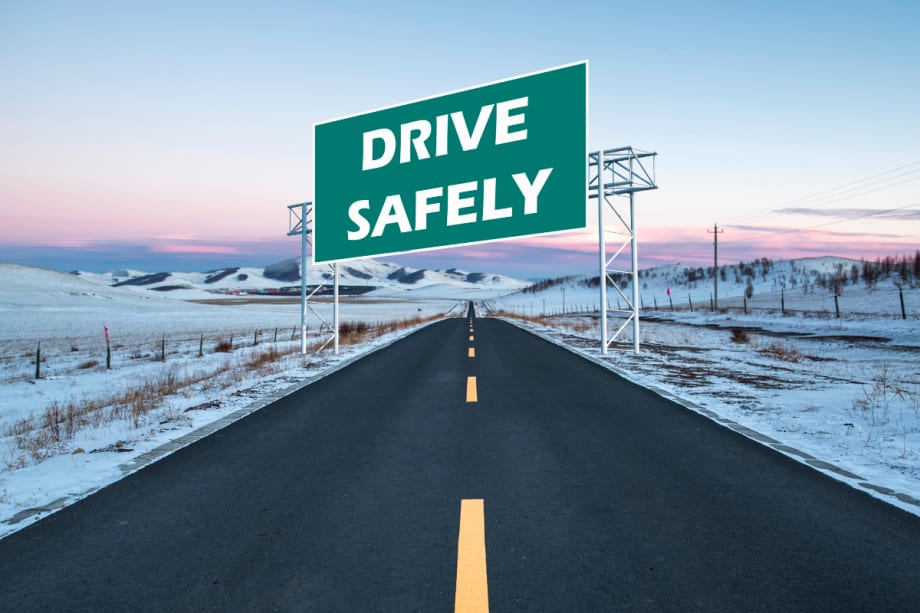
Remember that trucks are heavier and take longer to make a complete stop. Avoid cutting quickly in front of them.
Photo: Work Truck
American Trucking Associations (ATA) wants to ensure the motoring public is prepared for winter storms taking place across the U.S. and that all motorists arrive to their destinations safely, in the coming months. Winter road conditions can lead to dangerous situations. Fortunately, a team of million mile accident-free drivers are helping to make our roads safer.
America's Road Team Captains, elite professional truck drivers, are offering advice on how to safely navigate through winter road conditions.
Tips include:
Map your route: Know where you are going and be prepared, ahead of time, to exit off the highway when needed. Indecisive driving is a major cause of traffic problems.
Avoid extreme weather conditions: Ice, hail, and snow make roads difficult to travel. Try to avoid driving through extreme weather conditions, and travel during daylight as much as possible.
Remove ice and snow from your vehicle: Clear your windows and roof of snow to ensure you have maximum visibility and avoid creating a hazard for the vehicle behind you. Don't allow ice and snow to create additional blind spots on your vehicle.
Slow Down: With winter weather conditions present, speeding becomes increasingly hazardous. Allow plenty of a space cushion and reduce your speed.
Prepare an emergency kit: Contents should include: battery powered radio, flashlight, blanket, jumper cables, fire extinguisher, first aid kit, bottled water, non-perishable foods, maps, tire repair kit, and flares.
Watch for black ice, a thin layer of transparent ice that forms when temperatures are close to freezing. Black ice may make the road look slightly wet and is difficult to spot. Watch for ice build-up on your mirror arms, the antenna of your vehicle and the top corners of your windshield, all signs pointing to the formation of black ice on the roadways. Once the spray from tires on vehicles in front of you stops, the highways most likely are full of black ice.
Be aware of truck blind spots: When sharing the road with large trucks, be cognizant of their large blind spots. If you can't see the truck driver in his or her mirrors, then the truck driver can't see you.
Do not cut in front of large trucks: Remember that trucks are heavier and take longer to make a complete stop. Avoid cutting quickly in front of them.
Keep your eyes on the road: Distracted driving is a major cause of traffic accidents. Just two seconds of distraction time for a motorist double the chances of an accident. Use your cell phone when stopped and never text while driving.
Leave early and avoid risks: Leave early to avoid anxiety associated with arriving late to your destination and to accommodate potential unforeseen delays.
Buckle up: Safety belts reduce the risk of fatal injury by 45% and are a simple way to increase your safety on the road.
"One of the largest driving concerns during times of cold weather is that of following distances. When the roads are slick, your normal following distance needs to double in length for snow and triple in length for icy conditions," said Don Logan, America's Road Team Captain (FedEx Freight) from Eskridge, Kan.
More Safety
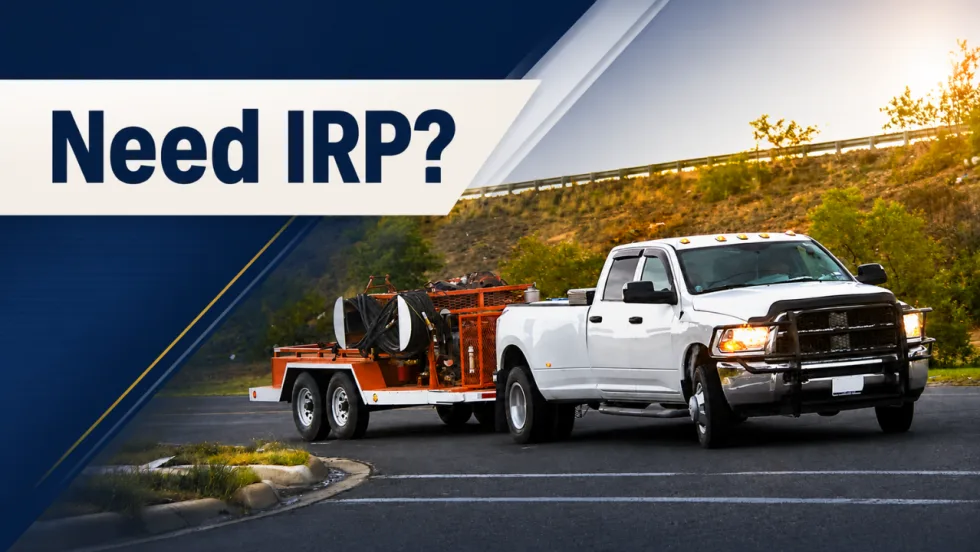
When Work Trucks Under 26,001 Pounds Need IRP Registration
Think trucks under 26,001 pounds are automatically in the clear when it comes to IRP? Not always. Learn where lighter vehicles can still run into trip permit, apportioned registration, and IFTA compliance requirements when crossing state or provincial lines.
Read More →
Volvo Trucks Releases New Safety Recommendations for Traveling with Pets
One of the most important recommendations for professional drivers traveling with pets is to ensure pets are properly restrained while the truck is moving. Other tips are available in the new guide from Volvo Trucks North America and Center for Pet Safety.
Read More →
API Issues Refueling Safety Guidelines
The American Petroleum Institute offers a list of safe vehicle refueling guidelines, including ways to avoid potential problems with static electricity discharges in fall, winter, and early spring.
Read More →
Winter Fleet Prep: Expert Tips to Keep Vehicles Running Smoothly
Cold weather can expose weak batteries, tires, fuel systems, and maintenance gaps fast. Use this winter fleet checklist to prepare trucks and drivers before temperatures drop.
Read More →
When a Work Truck Breaks Down, the Job Can Stop, Too
A work truck breakdown can stop more than the vehicle. Discover how payloads, jobsites, and specialty equipment change the roadside response.
Read More →
What Stronger Long-Term Fleet Service Partnerships Actually Require
Fleet service partnerships rarely fall apart all at once. Learn the three warning signs that trust is eroding and what fleets and providers can do before downtime, frustration, and lost revenue follow.
Read More →
Applause & TRUCE Software Partner to Improve Driver Safety Through AI-Powered Telematics & Employee Performance Management
Applause has integrated TRUCE driving metrics directly into its employee-first performance and safety platform that transforms mobile devices into AI-powered telematics.
Read More →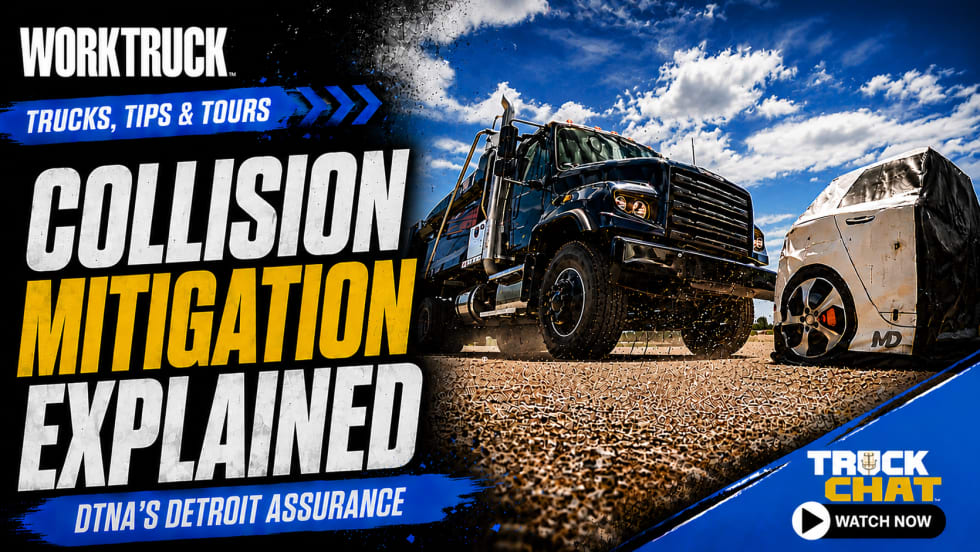
How Detroit Assurance with Active Brake Assist Works
Do you want to see what it is like to experience Detroit Assurance’s Active Brake Assist? In this video, Work Truck will put you in the cab to see how it all works and then hear more details from DTNA’s Mike Young.
Read More →
Get Left of Loss: A 5-Step Workplace Violence Prevention Framework for Fleet Operators
Violence risks do not stop at the driver’s door. Learn five practical steps fleets can take to spot threats early and protect workers before loss occurs.
Read More →
How Better Visibility Cut Speeding Violations by 48%
Fleet leaders don't need more data, they need clearer visibility into what the data is saying. This case study explores how one utility replaced speeding-event counts with a single metric — miles driven in violation — to strengthen safety and significantly reduce speeding violations.
Read More →