




DIRECTV Plans to Expand Propane Autogas Fleet
DIRECTV plans to increase its propane autogas fleet over the next year by adding additional ROUSH CleanTech Ford E-250 propane autogas vans.
DIRECTV, one of the world’s leading providers of digital television entertainment services, plans to expand its propane autogas fueled fleet. The company currently operates 77 ROUSH CleanTech Ford E-250 propane autogas vans and will increase that number over the next year.
According to ROUSH CleanTech, DIRECTV chose propane autogas due to its low cost and accessibility of fuel, vehicle return on investment, domestic nature of the fuel source and vehicle supply chain, and accessibility to high occupancy vehicle lanes.
“The addition of more propane-autogas fueled vehicles to the DIRECTV fleet strengthens our commitment to reducing the company’s overall gasoline usage,” said Brandon Morris, director of Fleet Services for DIRECTV. “We have learned a lot from analyzing our current propane fleet, and the benefits we are seeing from using propane as an alternative to gasoline include the lower cost of propane, ease of implementation, distribution network, and the high quality conversion kit produced by ROUSH CleanTech.”
Since its propane autogas vehicle deployment in November 2011, DIRECTV has reportedly reduced gasoline consumption by 75,000 gallons, and saved nearly 50 percent on a cost-per-gallon basis compared to gasoline.
ROUSH CleanTech is a Tier 1 supplier and Ford Qualified Vehicle Modifier manufacturer.
More Fuel

Precision Under Pressure: Why Modern Diesels Demand a New Fuel Maintenance Playbook
Modern diesel fuel systems leave little room for contamination, deposits, or old maintenance habits. See why today’s HPCR engines demand a more proactive approach to fuel quality, injector health, and DPF protection.
Read More →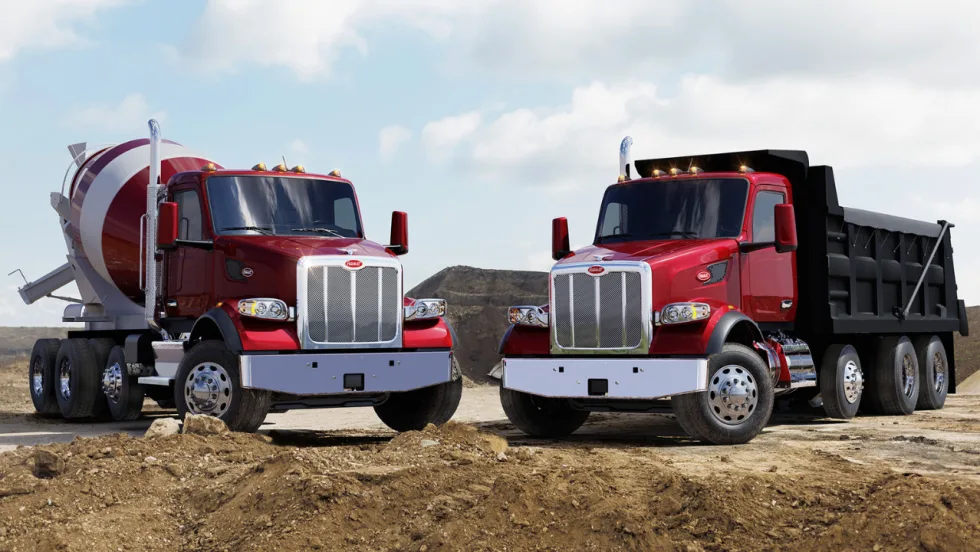
Peterbilt Trucks Equipped with Paccar TX-18 Pro Boost Efficiency for Maryland Fleet
Patuxent Companies is replacing aging trucks with the Peterbilt Model 567 and Model 589, specified with the Paccar TX-18 Pro 18-speed automated transmissions, and is reporting an 8% to 10% improvement in fuel economy.
Read More →
The Smart Way to Build a Mixed-Energy Fleet Isn’t About Picking a Side
Mixed-energy fleets aren’t about picking a winning fuel. Sarah Booth of WEX explains how vehicle data, duty cycles, charging strategy, and real-world costs can help fleets choose the right energy source for each job.
Read More →


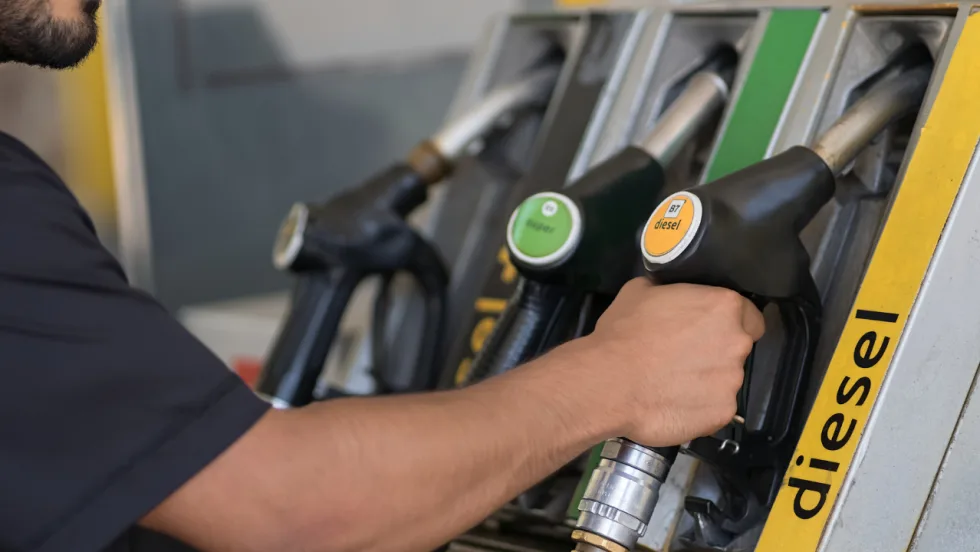
Ignoring This Dashboard Warning Could Cost Your Fleet Thousands in Fuel
New research suggests neglected diesel aftertreatment systems could waste up to $30 in fuel per vehicle each day. Here's why vocational fleets should pay attention.
Read More →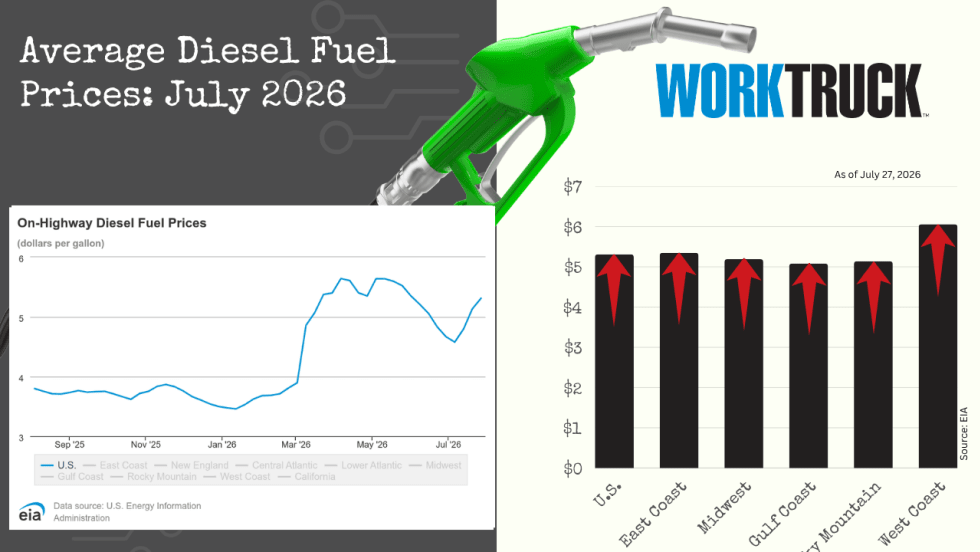
July Diesel Trends Update
The average price of a gallon of diesel increased again this week, and the EIA reported a new national average of $5.31 at the start of the week.
Read More →
WEX Brings Standard Fleet's Connected Vehicle Platform to Fleet Customers
This week’s product launch with Standard Fleet’s connected vehicle platform reflects WEX Venture Capital's strategy of turning startup innovation into customer solutions. Standard Fleet is now available to WEX fleet customers.
Read More →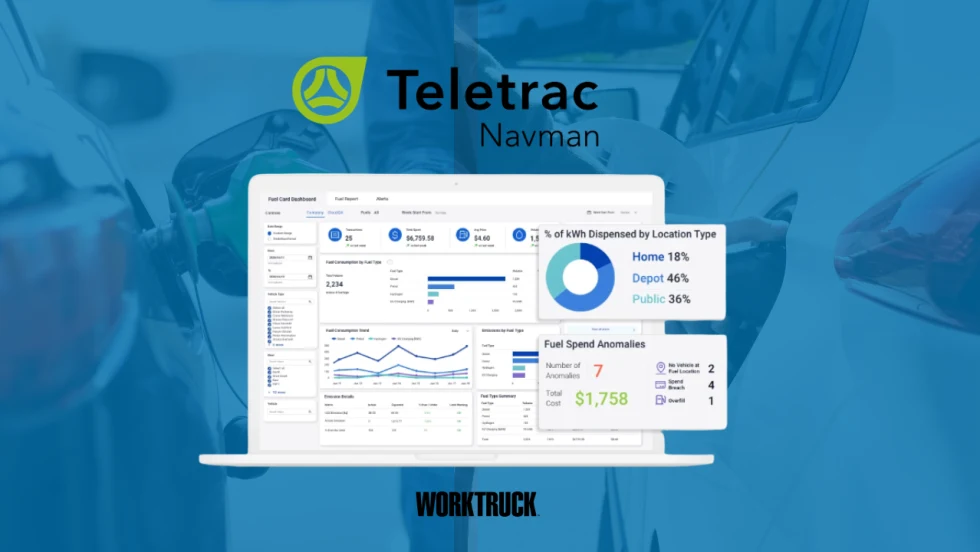
Teletrac Navman Adds Mixed-Energy Fleet Tools to TN360
The new Energy Hub combines fuel transactions, EV charging data, vehicle range, and energy costs in one dashboard for fleets operating multiple vehicle and energy types.
Read More →
WEX DriverDash adds CITGO, Expands Nationwide Access for Fleets
The DriverDash mobile payment app, by WEX, has been integrated into the CITGO merchant network, which means WEX has expanded its U.S. station footprint with the addition of approximately 4,000 CITGO locations.
Read More →
Mixed Energy Fleet Tips for Balancing EVs, Gas and Diesel Vehicles
Mixed energy fleets are becoming the new normal. Learn how fleet managers are balancing EVs, gas and diesel vehicles while controlling costs and planning for the future.
Read More →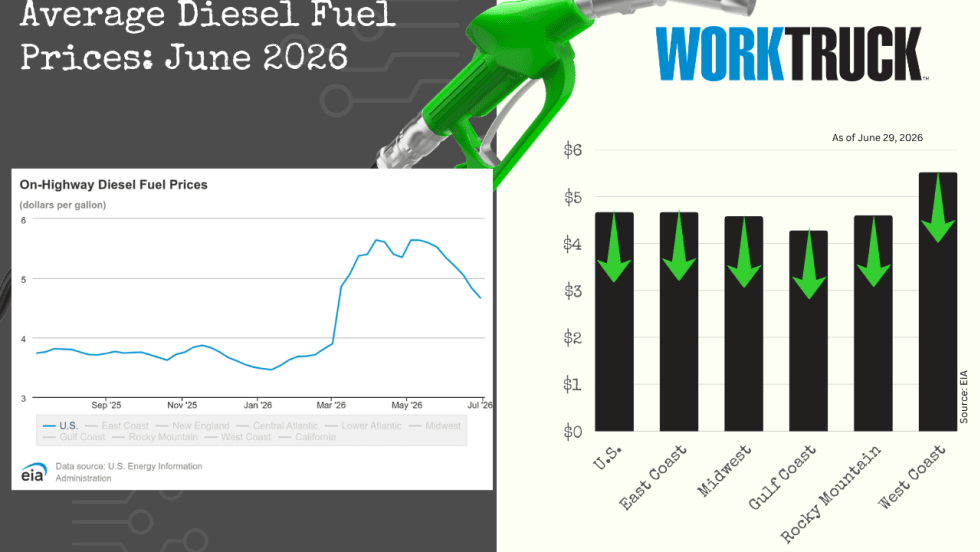
June Diesel Trends Update
The national average price of a gallon of diesel has dropped again, this week by more than 16 cents. All five regions reported lower average prices, ranging from almost 13 cents to more than 28 cents cheaper than a week ago.
Read More →