




Wabash and University of Delaware Partner to Advance Solar in Commercial Transport
Wabash partners with the University of Delaware to integrate solar energy into refrigerated trailers, aiming to reduce emissions and advance sustainable transportation.
October 11, 2024

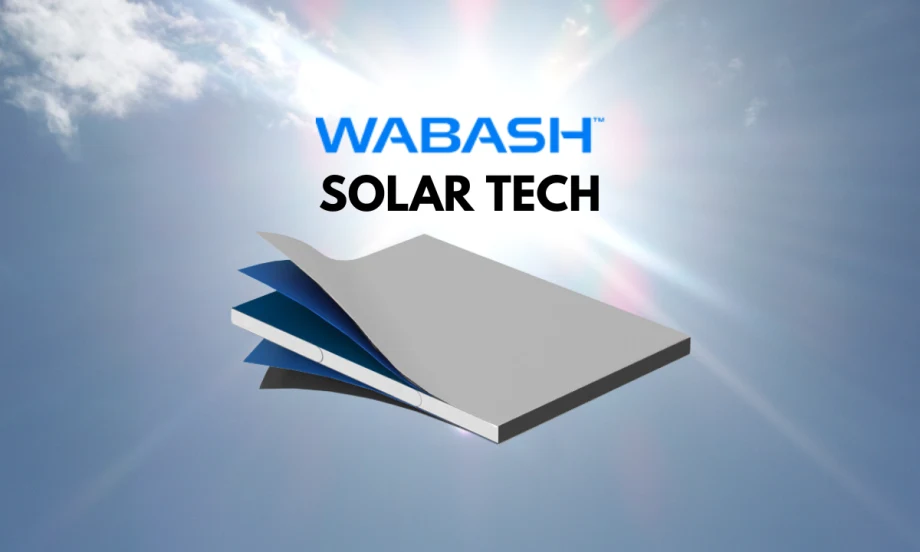
Wabash will use its proprietary EcoNex Technology, a composite material designed to enhance thermal efficiency and reduce energy consumption.
Photo: Work Truck | Wabash
2 min to read
Wabash announced that it was selected to receive a $1.6 million grant from the U.S. Department of Energy’s Solar Energy Technologies Office (SETO) to support a research and development project to decarbonize the commercial transportation industry.
The three-year project, set to begin next year in partnership with the University of Delaware’s Center for Composite Materials, focuses on integrating high-efficiency solar energy into refrigerated trailers and truck bodies. This innovation will play a pivotal role in making zero-emission mid-mile transportation a commercially viable option.
“This project has the potential to revolutionize refrigerated transport by reducing reliance on the electrical grid and minimizing overall emissions,” said Michael Bodey, director of technology discovery and innovation at Wabash. “While many of today’s zero-emission products focus on tailpipe emissions, they still draw power from energy grids, which often rely on non-renewable sources. Our goal is to offer a truly green solution — a well-to-wheel approach — that accounts for the full life cycle of energy consumption, from production to usage.”
Innovative Technologies Aim to Overcome Electrification Barriers
Wabash will use its proprietary EcoNex Technology, a composite material designed to enhance thermal efficiency and reduce energy consumption. Meanwhile, the University of Delaware will contribute its proprietary TuFF technology, which utilizes recycled aerospace-grade carbon fiber, to strengthen and lighten the trailers and truck bodies.
“By incorporating lightweight solar panels and utilizing EcoNex Technology in refrigerated trailers and truck bodies, we are addressing two of the most significant barriers to electrification: weight and energy consumption,” Bodey explained. “EcoNex not only improves the insulation and performance of the trailers but also contributes to overall weight reduction, making the solution even more efficient.”
Positioned to Advance Sustainable Mid-Mile Transportation
Wabash is the only trailer and truck body original equipment manufacturer (OEM) selected for this government grant, highlighting its focus on sustainability and innovation.
By targeting mid-mile transportation, the project aims to create a flexible solar energy system that can be CARB-compliant across different vehicle types without requiring fully electric platforms to meet compliance.
This initiative is part of the DOE’s Silicon Solar Manufacturing and Dual-Use Photovoltaics Incubator Funding Program, which supports advancements in PV technology across the supply chain and fosters new markets for American products. The outcomes of this project will help Wabash continue to evolve its technology ecosystem and green its supply chain to serve its customers’ sustainability goals better.
More Sustainability
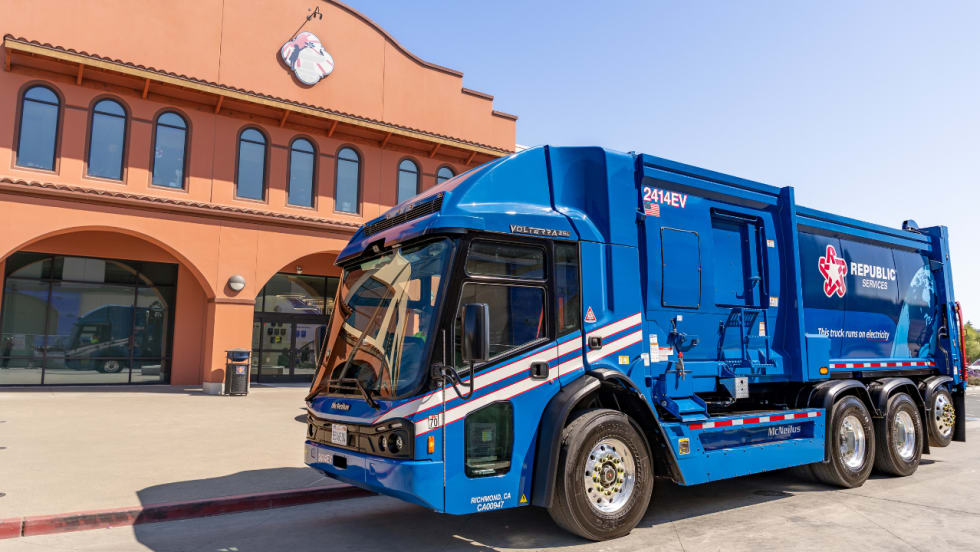
What Republic Services Learned Moving Electric Trucks Beyond the Pilot
With 250 electric refuse trucks now in service, Republic Services is learning that scaling a new powertrain depends as much on routes, drivers, technicians, and daily operations as it does on the truck itself.
Read More →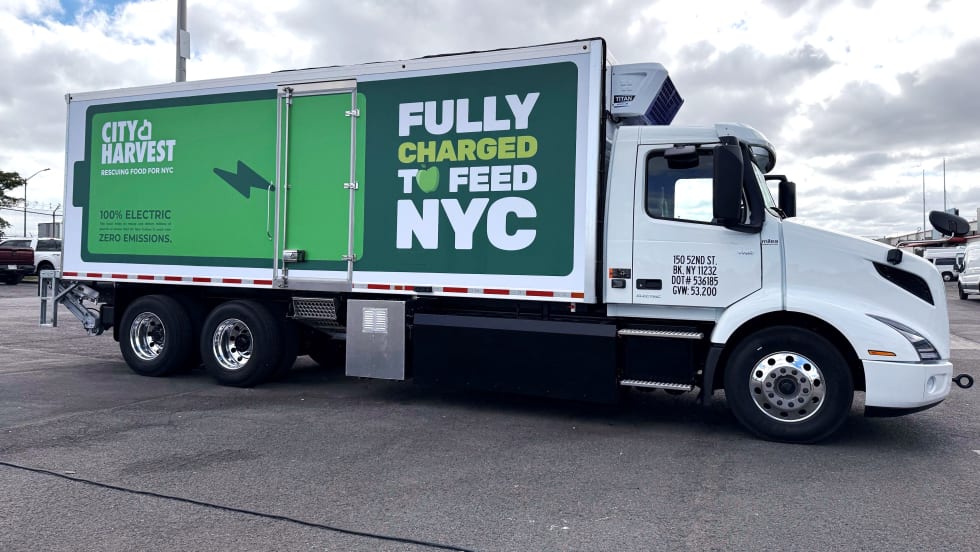
City Harvest Begins Using Volvo VNR Electric Trucks to Rescue Food Across New York City
Volvo Trucks North America and the Bronx Is Breathing project team handed over three new Volvo VNR Electric trucks to City Harvest, which will use the trucks to rescue and deliver food throughout the Bronx and across all five boroughs of New York.
Read More →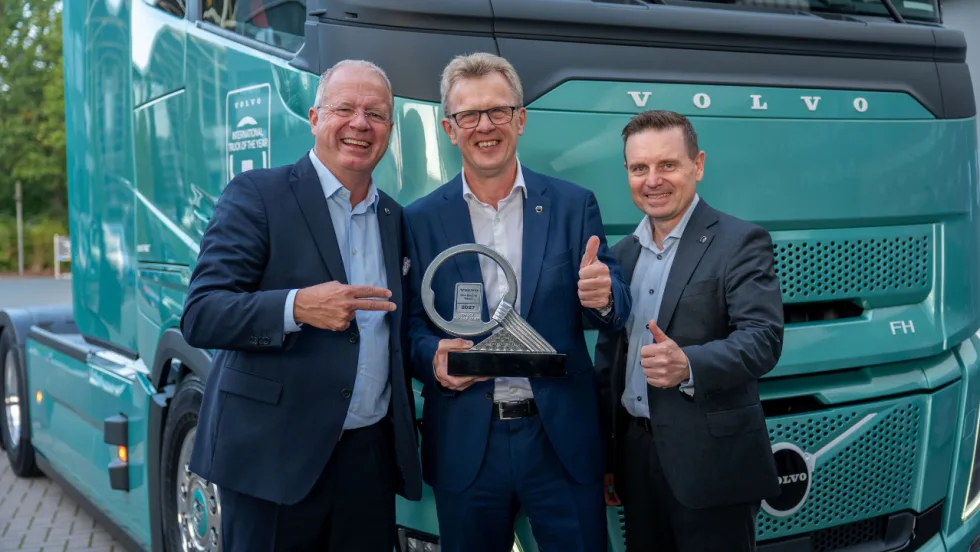
Volvo Trucks Wins International Truck of the Year 2027 for its Global Electric Range
Volvo Trucks' global heavy-duty electric range has been named International Truck of the Year 2027. Since 2019, more than 7,000 electric Volvo trucks have driven more than 310 million miles worldwide.
Read More →


Fleet Forward Conference Introduces One-Day Passes for 2026
New one-day registration gives fleet professionals the flexibility to attend Tuesday, Wednesday, or Thursday, with passes available for $199 through Sept. 18.
Read More →
CALSTART Rebrands as Catalyst Mobility, Will Combine with Forth in 2027
CALSTART has rebranded as Catalyst Mobility and will combine with Forth at the start of 2027. The new organization said it is poised to become one of the world's largest, strongest, and most impactful clean transportation nonprofits.
Read More →
Electric Truck and Charging Programs to Boost Sustainability at NY & NJ Ports
Together, the Port Authority of New York and New Jersey and CALSTART will electrify drayage and terminal operations serving the East Coast’s busiest container port. A pair of incentive programs totaling $45 million has launched to accelerate adoption of zero-emission drayage trucks and terminal tractors.
Read More →
The Smart Way to Build a Mixed-Energy Fleet Isn’t About Picking a Side
Mixed-energy fleets aren’t about picking a winning fuel. Sarah Booth of WEX explains how vehicle data, duty cycles, charging strategy, and real-world costs can help fleets choose the right energy source for each job.
Read More →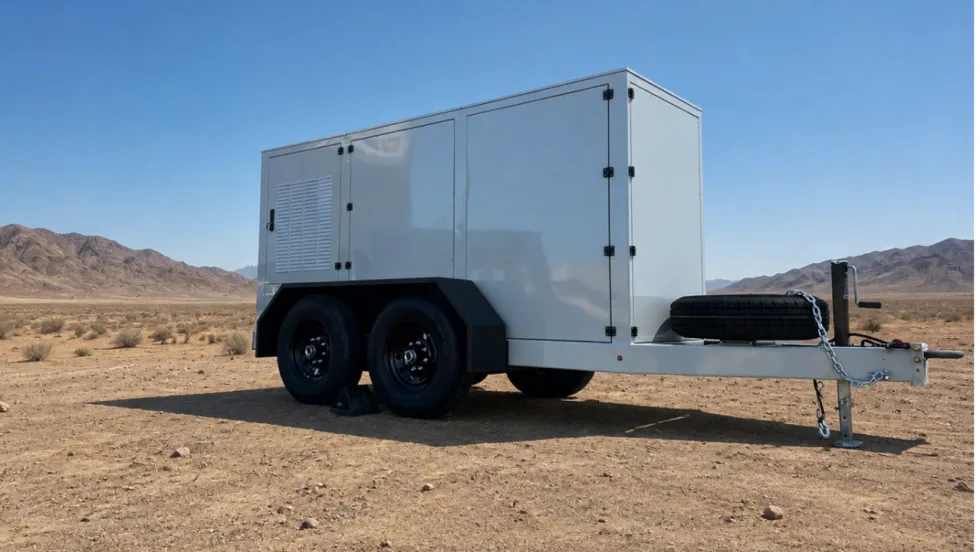
Xos Hub Surpasses One Gigawatt-Hour of Energy Delivered in the Field
A single Xos Hub has surpassed one gigawatt-hour of energy across more than 33,600 charging sessions in the field, demonstrating performance that supports Xos' expansion across new products and markets.
Read More →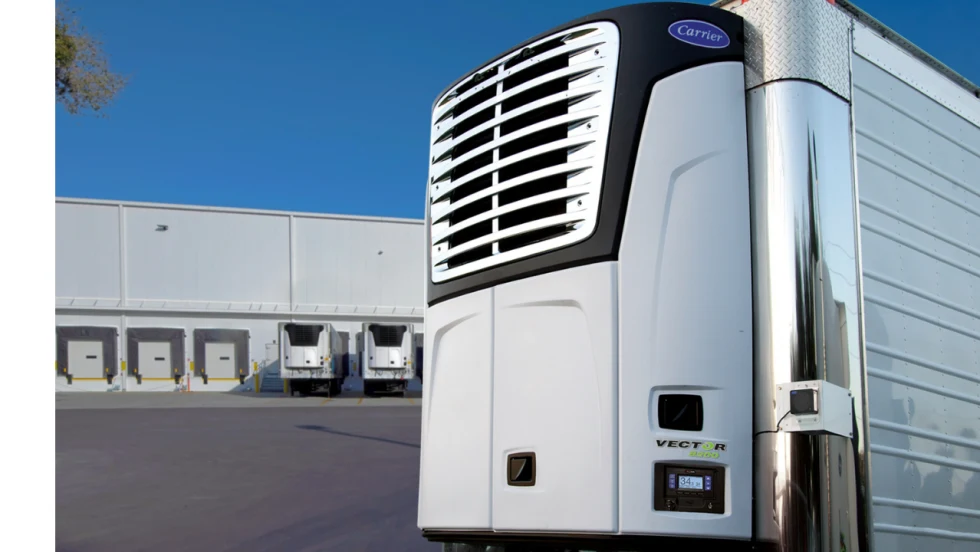
Carrier Transicold Launches All-Electric Vector 8200 TRU for Diesel-Free On-Site Cold Storage
Carrier Transicold’s first engineless multi-temperature TRU helps fresh- and frozen-food fleets add supplemental cold storage capacity during seasonal peaks.
Read More →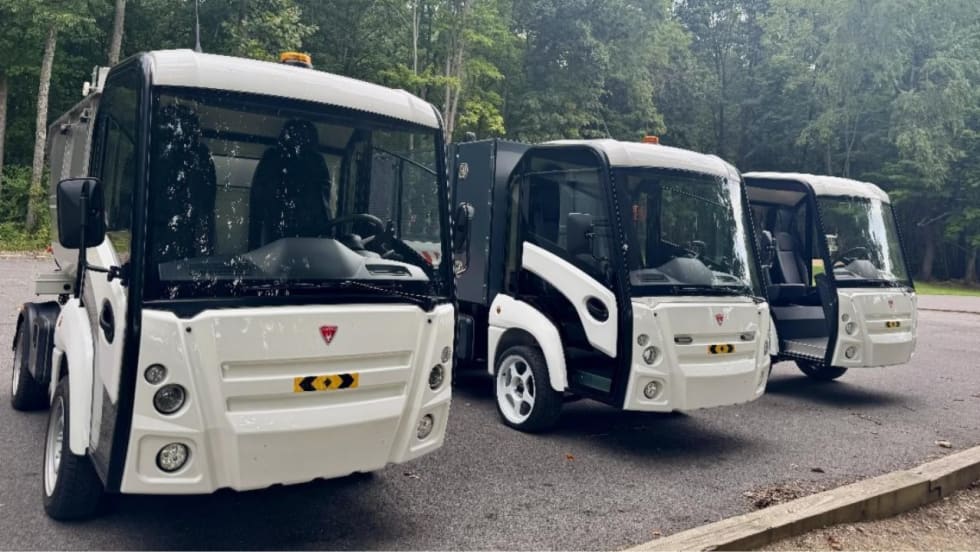
Narro Trucks Introduces Electric Utility Vehicle
Narro Trucks officially launched its operations on Aug. 20 and hosted a ride and drive to showcase its electric truck, which will be produced in Virginia.
Read More →