




How to Attract and Retain Millennial Truck Drivers: Strategies for Engagement, Growth and Loyalty
Discover effective strategies to attract, engage, and retain millennial truck drivers by prioritizing growth, work-life balance, and strong communication.
by Cliff Johnson, Acuity Insurance
October 15, 2024
Building a future-focused strategy that includes career growth, work-life balance, and meaningful communication is key to engaging and retaining the next generation of truck drivers.
Photo: Work Truck
5 min to read
According to Pew Research, the millennial generation, born between 1981 and 1996, make up about 35% of the U.S. labor force. As older workers retire, it is increasingly critical for trucking fleets to attract and retain millennials who can keep their operations running efficiently.
Millennials have a reputation for job-hopping, opting to change roles and companies instead of staying with one company for their entire career. There are several logical reasons, including career advancement opportunities, expectations around growth and learning, and pensions or similar financial benefits.
Understanding how these points influence evolving workplace dynamics can help you build a strategy that successfully attracts millennial professionals and ensures they remain committed for the long term.
Why Millennials Leave Trucking Jobs
In my last Work Truck article about recruiting younger workers, I explored the primary career needs of millennial truck drivers. To recap, failure to prioritize the following items can have a detrimental effect on your ability to recruit and ultimately retain millennial drivers:
Fair compensation. To ensure your rates are fair, regularly benchmark against industry standards, researching national averages and regional differences, as pay varies by location.
Work-life balance. The natural demands of the trucking industry can make that balance difficult. Setting realistic expectations about home time is a place to start.
Career growth and advancement. Understand your employees’ career goals so you can best support their development.
A sense of purpose. Truckers help the world go round. Using similar message points in recruiting and employee communication materials can help connect their role to the greater good.
Environmental sustainability. Share information about what your organization does to operate more efficiently and sustainably.
Additionally, according to LinkedIn Market Research, 77% of millennials said they’d leave their employer because of a bad boss, the highest percentage of any generation. Investing in your managers through leadership development programs, operational and industry-specific training, and HR training can have a powerful impact on employee retention.

Creating a supportive environment with regular feedback, opportunities for advancement, and strong engagement initiatives helps turn millennial drivers into long-term, loyal team members.
Photo: Work Truck
How to Retain Millennial Workers
While there are several things you could add to the list above, my 35+ years in the trucking industry have taught me that the root of most employee retention issues is poor communication.
For instance, a Gallup survey indicates millennials want more feedback than previous generations. However, only 15% report routinely asking for feedback. Employers can address this by conducting quick employee check-ins. This practice helps employees feel heard, confirm that they meet expectations, and understand where they can improve.
Exit interviews also can help improve employee retention efforts. Conducting these brief conversations, which usually take place between a company representative and the departing employee, can help you identify organizational issues.
But don’t wait until employees are leaving to ask for feedback. Provide employees with an outlet to share their thoughts, frustrations, and pain points while employed, showing you care about the employee experience and take their opinions seriously. Regular employee check-ins, anonymous surveys, and team huddles are all effective ways to develop and maintain strong employee connections.
Remember: Each piece of employee feedback is a potential opportunity for improvement. Even if you cannot provide an immediate solution, always respond so they know you are listening. The rise of technology, including apps like Fishbowl, is increasing accountability for employee management.
These apps allow employees to post anonymously about pay, bosses, work quality, and work-life balance. Keep in mind that employees may post about any aspect of their job.
Increase Employee Engagement to Boost Retention
According to a recent Gallup poll, only 33% of employees are engaged in the workplace, and 16% are actively disengaged and seeking a new employer. The top reasons for disengagement include lower satisfaction and less connection to the mission or purpose.
Disengaged employees also are less likely to feel that someone at work cares about them as a person. Keeping employees engaged can improve safety and your bottom line.
Recognition is one way to increase engagement. Sharing direct compliments, directing praise to an employee in a meeting or company newsletter, or honoring the employee with a bonus or raise are all impactful ways to recognize employees and keep them incentivized.
Accountability also can drive engagement. When people know they have a goal, it can lead to better performance. Accountability can be enhanced through things like leaderboards for key performance metrics. These can be shared one-on-one or publicly among a group. Competition can breed results when drivers strive to be the leaderboard's safest or most efficient driver.
Employee perks and benefits are often as important as competitive pay. For example, 74% of millennials said they are at least somewhat stressed about managing their finances, according to an Investopedia survey. Hosting lunch and learns, webinars, or classes on valuable topics like personal finance can provide assistance to ease some financial stresses.
Other topics could include building credit, saving for retirement, and reducing debt. Showing you’re concerned and invested in their financial future can ease their financial anxiety and help their salary go further.
Retaining millennial drivers is a multifaceted issue. By implementing these strategies, you can create a more attractive and supportive work environment that aligns with millennial values and preferences, ultimately improving employee satisfaction and your retention efforts.
About the Author: Cliff Johnson has more than 35 years of experience in the trucking industry as a driver and owner and is now the trucking business segment consultant at Acuity Insurance. This article was authored and edited according to WT editorial standards and style. Opinions expressed may not reflect that of WT.
Subscribe to Our Newsletter
More Operations
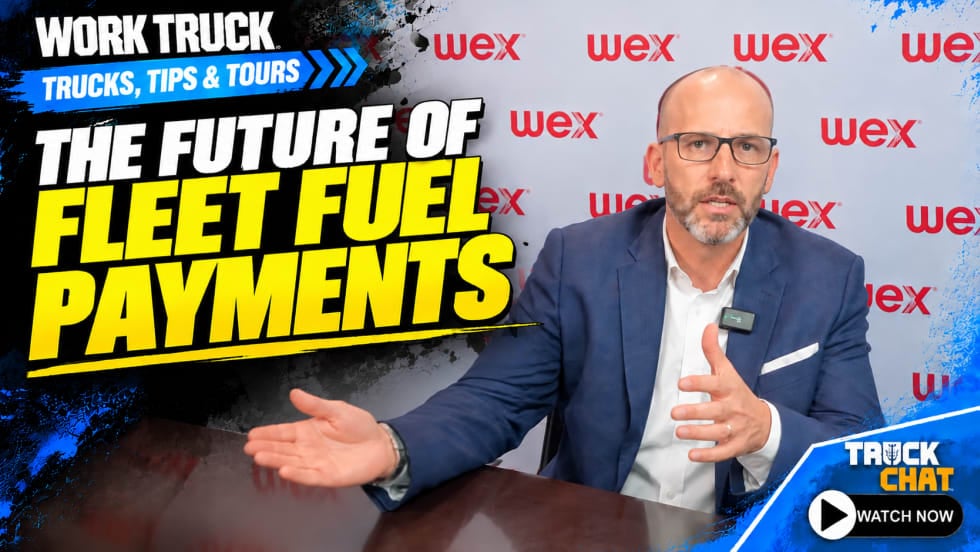
How Cardless Fuel Payments Benefit Commercial Fleets
Is it time for fleets to move beyond plastic fuel cards? David Abraham of WEX explains how cardless fuel payments can help reduce fraud, simplify driver transactions, and improve efficiency by allowing drivers to pay for fuel using their smartphones.
Read More →
Good Fleet Leadership Starts With the People You Already Have
From developing future leaders to listening to employees, discover how better leadership can help work truck fleets retain talent and build stronger teams.
Read More →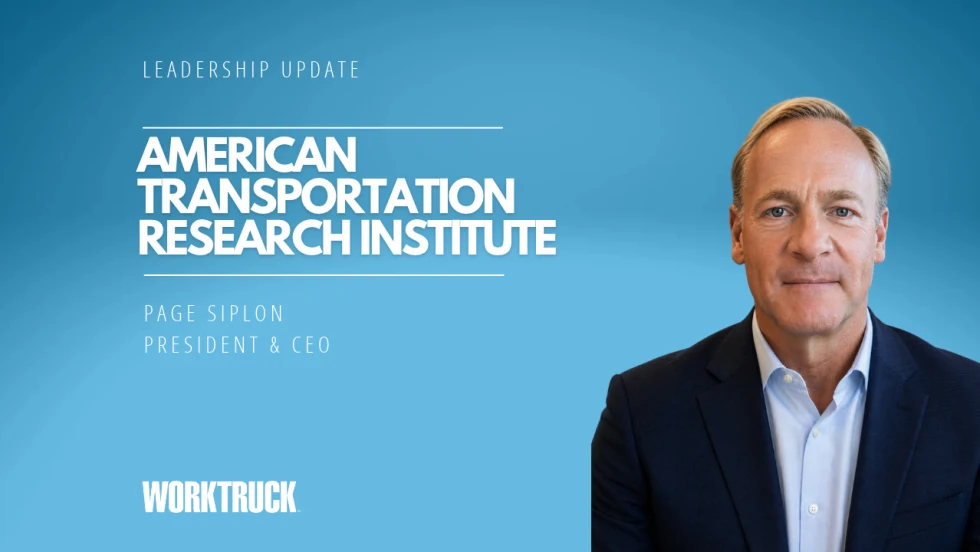
ATRI Names Next President and CEO
Page Siplon, a longtime transportation and logistics industry executive, has been chosen as the next president and CEO of the American Transportation Research Institute (ATRI).
Read More →From Our Partners
Basic Tracking vs Next Generation Fleet Technology
Sponsored by AT&T Business

5 Facts Every Fleet Manager Should Know About Embedded Telematics
Sponsored by Stellantis/Mobilisights
How AI Video Telematics Boosts Driver Safety and Helps to Avoid Unnecessary Costs
Sponsored by Verizon Connect

Charting the 8 Bottom-Line Benefits of Workforce Optimization
Sponsored by Verizon Connect

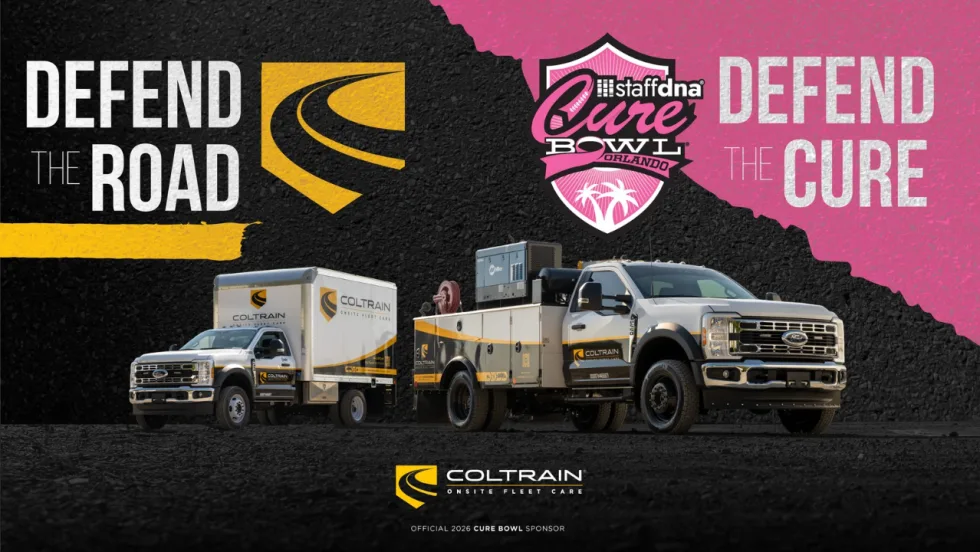
Coltrain Onsite Fleet Care Sponsors 2026 Cure Bowl to Support Cancer Research
The mobile fleet maintenance provider is supporting the annual college football bowl game, which has helped raise $6.83 million for cancer research since 2015.
Read More →
Racing Lessons, Electric Fleet Growth, and Ghostbusters Lead This Week's Work Truck News
Racing lessons for fleets, Republic Services' electric truck expansion, 40 years of fleet wisdom, truck trivia, autonomous yard trucks, and more headline this week's Truck Chat Cheat Sheet.
Read More →
Sponsored•October 14, 2026
A buyer's guide to fleet management software in 2027
Buying fleet management software in 2027 means looking beyond features and price. As fleet operations, technology and expectations evolve, this guide explores what today’s fleet professionals should consider when choosing a system that can deliver value now and adapt to what comes next.
Read More →
How to Build a Lasting Fleet Career by Staying Curious and Connected
Tina Kourakos never planned on a career in fleet. More than 30 years later, she says curiosity, strong relationships, and a willingness to keep learning helped turn an unexpected assignment into a career spanning fleet management and OEM leadership.
Read More →
Think You Know Trucks? Take Our 19-Question Fleet Trivia Challenge
From chicken lights to diesel engines and trucking history, test your knowledge with 19 questions from the 2026 Work Truck Exchange and Heavy Duty Trucking Exchange.
Read More →
Where’s My Truck: Inside the Fleet Logistics Work Nobody Sees
Shades of Fleet video thumbnail featuring Lauren Fletcher beside the text “The People Behind the Process, Keeping Fleets Moving,” with fleet vehicles and logistics imagery in the background.
Read More →
Work Truck Seeks Fleet and Industry Insights on 2026 Trends and 2027 Forecasts
Work Truck is seeking insights from fleet leaders and industry partners on the trends that shaped 2026 and what commercial fleets should prepare for in 2027. Participate today!
Read More →