




Millennials in Truck Fleets
Why, with more people entering the workforce every day, are truck fleets still struggling to fill driver’s seats? Where are the energetic new employees for fleet managers to mentor?


Millennials, why aren’t you jumping at the chance to travel across the country at higher starting wages than typical entry-level jobs and driving trucks?
Photo: Work Truck
The Baby Boomer generation is starting to retire, and Millennials are entering the workforce in droves. Truck fleets are experiencing driver shortages while the aging fleet manager populace is looking for their protégés. Why, with more people entering the workforce every day, are truck fleets still struggling to fill driver’s seats? Where are the energetic new employees for fleet managers to mentor?
According to research by A. Duie Pyle, a Northeast transportation and logistics provider that operates a fleet of more than 3,200 vehicles, including approximately 2% light- and medium-duty units, Millennials require a distinct leadership plan to hold interest and ensure employee retention.
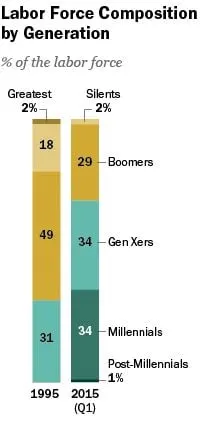
Pew research noted that in 2015, more than one-in-three American workers were Millennials (adults ages 18 to 34 in 2015), and represented 34% of the workforce.
Source: Pew Research
Yet, studies show that Baby Boomers are holding onto jobs longer and retiring at much older ages than their predecessors did.
Combine this with an attitude of truck driving jobs being less-than-glamourous and ongoing driver health issues. The result is a current hold on opportunities for entry-level employees to advance, and a lack of enthusiasm for those holding higher-level jobs to mentor a protégé, with a lower number of people trying for the jobs in the first place.
A problem is evident and changes must be made within the fleet industry to attract and retain qualified talent for positions from drivers to technicians to management.
Pew research noted that in 2015, more than one-in-three American workers were Millennials (adults ages 18 to 34 in 2015), and represented 34% of the workforce, while Baby Boomers were down to 29% of the workforce.
If you are a retiring Baby Boomer, what do you think about the Millennials entering the workforce, either as drivers or fleet managers? Do you have someone you are mentoring to take your place when you retire, or a succession plan the furthest from your mind still?
Millennials, why aren’t you jumping at the chance to travel across the country at higher starting wages than typical entry-level jobs and driving trucks? Or if you work in the fleet profession already, are you talking to your fleet manager boss about how you can learn, grow, and become a fleet manager yourself someday?
What do you think about this situation and are you doing anything to help make changes?
E-mail me and let’s chat!
Lauren Fletcher
Lauren.Fletcher@bobit.com
More Blog Posts
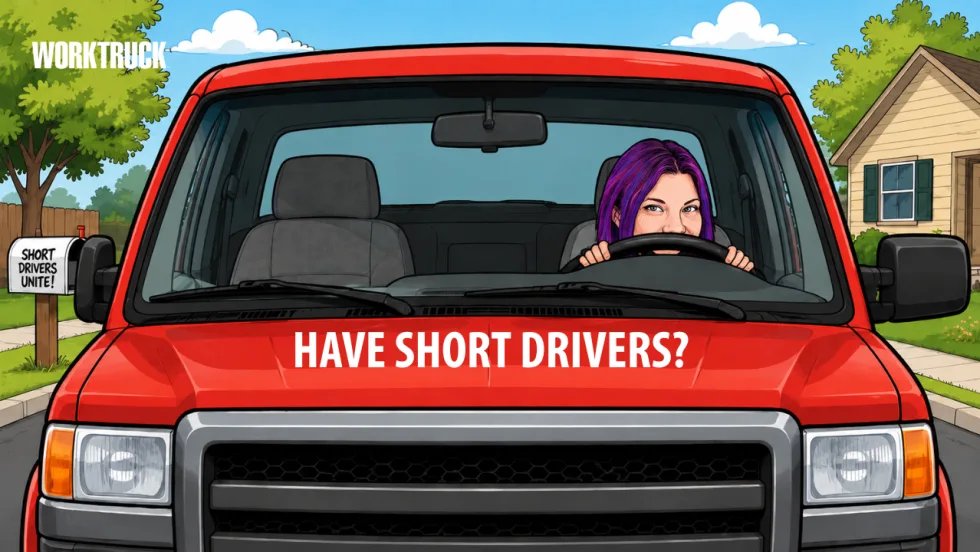
Short Drivers Need to Be Part of the Work Truck Spec, Too
The average truck driver may be around 5'9" for men and 5'4" for women, but fleets aren't spec'ing trucks for averages. Here's what shorter drivers need fleets to consider, from seat height and visibility to 360 cameras, seat belts, and cab access.
Read More →
Does Your Fleet Policy Cover In-Vehicle Gaming?
As in-vehicle gaming, streaming, and connected entertainment expand, fleet policies may need an update. Here’s what fleet managers should be thinking about now.
Read More →
You Can't Tariff an Aluminum Smelter Into Existence
The U.S. wants to rebuild domestic aluminum production, but work truck manufacturers still need material today. What happens to costs and supply in the meantime?
Read More →
Can America Replace Canadian Truck Production Without Hurting U.S. Fleets?
U.S. tariffs are targeting Canadian truck production, but Ford and GM show why moving that manufacturing south isn’t so simple. After 60 years of building one North American supply chain, what could fleets lose by pulling it apart?
Read More →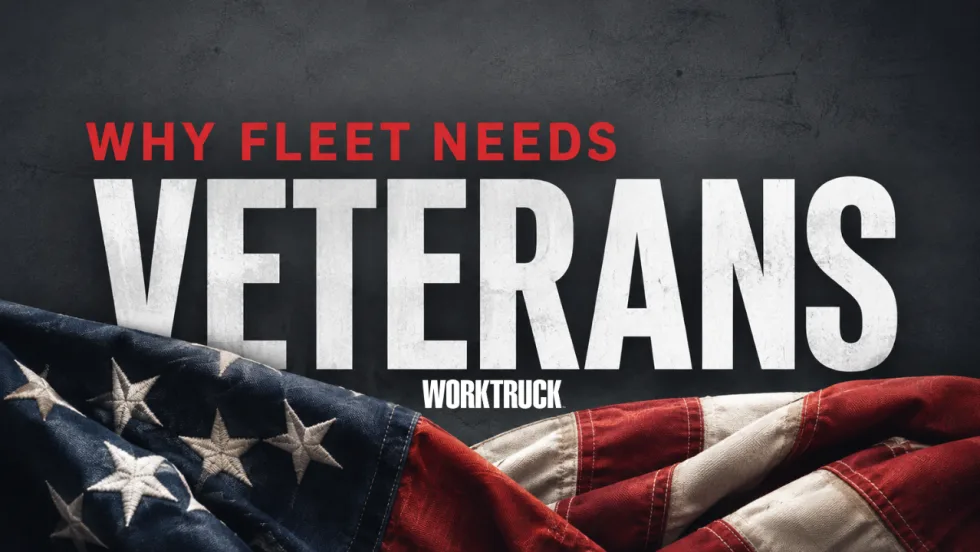
The Fleet Skills We Keep Missing on Veterans’ Resumes
What if some of the strongest candidates are already out there, but we are overlooking them because their experience is written in a language our industry does not always recognize?
Read More →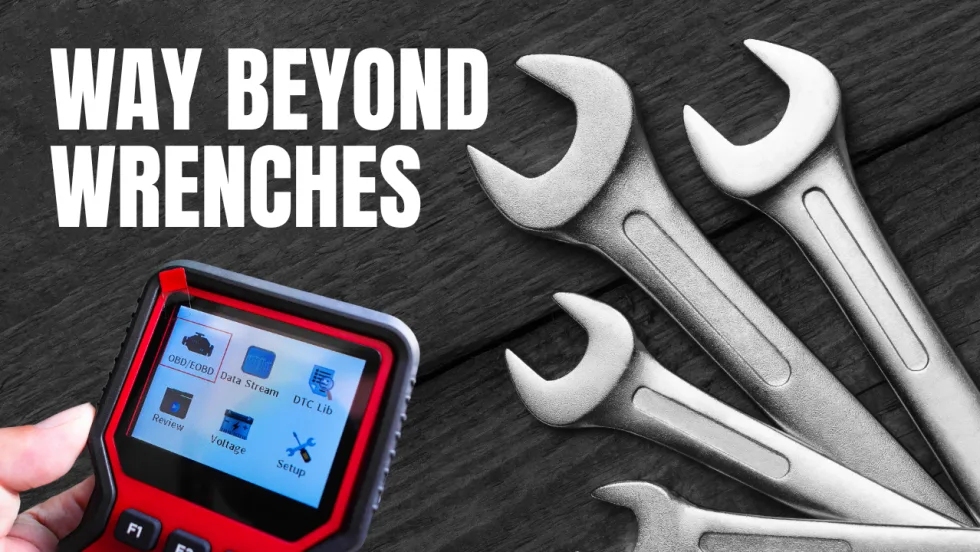
Technicians Are Doing More Than Turning Wrenches
Technicians do far more than repair vehicles. Six professionals reveal the problem-solving, pressure, and pride behind keeping fleets moving.
Read More →
WWCD? What Would Coach Do?
A personal reflection on Ed "Coach" Bobit, the mentor who shaped my career, and why I still ask myself one question 12 years later: WWCD?
Read More →
What the Fleet Industry Still Gets Wrong About Talent
What can the fleet industry learn from the women helping shape its future? A look at talent, leadership, sponsorship, and why new perspectives drive progress.
Read More →
AI Isn’t Killing Content, but Lazy Expertise Is
Thought leadership loses value when AI does the thinking. Here’s why authentic industry voices still matter most.
Read More →
Do I Need a U.S. DOT Number?
Whether you operate a small fleet of light-, medium-, or heavy-duty units, or are merely the owner of one truck wanting to ensure you adhere to the law, knowing if you can need a U.S. DOT number can be confusing.
Read More →