




What Is Telematics?
Telematics is a type of device that is installed in a vehicle. It tracks everything about the vehicle, from miles to maintenance, gas, and more.
Leaning on Tech to Enhance Operations for a Better Tomorrow
Utilizing tech, always learning, and working toward reducing emissions can turn an average fleet into a successful global fleet. Corporate Fleet Manager Karyna Zarate of Jacobs shared how the company is always challenging itself to reinvent tomorrow.

Hillary Weiss・Senior Editor
Jacobs' fleet manager uses tech to challenging itself to reinvent tomorrow.
Photo: Work Truck
4 min to read
In fleet, you must constantly challenge yourself today to reinvent tomorrow. The industry is continually changing and evolving; if you don’t keep up, you’ll miss out.
That’s why it’s important to work smart, not hard. Utilizing technology and those around you can take a fleet far.
Integrating tech and working toward sustainability are important factors in achieving these goals.
One company that is always challenging itself to reinvent tomorrow is Jacobs, an international technical professional services firm based in America.
Work Truck spoke with Corporate Fleet Manager Karyna Zarate of Jacobs on how the company utilizes tech and its employees to improve operations and reinvent tomorrow.
Putting Work-Site Safety First
With a fleet of 2,250 vehicles, Jacobs provides a wide range of professional services such as consulting, technical, scientific, and project delivery for the government and private sectors.
With 80% of the company’s fleet comprised of light-duty trucks and the remaining 20% including medium- and heavy-duty trucks, the vehicles perform critical work to deliver on client commitments.
One of Zarate’s top goals as a fleet manager is safety. She utilizes proven truck specs to help boost driver and truck safety, such as:
Four-wheel drive.
Back-up cameras.
Back-up alarm.
Telematics.
With the help of these features, Zarate can emphasize fleet safety for her drivers. “Many of our projects are off-road, so having four-wheel drive improves traction in certain driving conditions, such as snow, ice, rocks, and other scenarios that can make control difficult. By engaging both sets of wheels, traction and control improve,” she stated.
Moving around big trucks in different environments can get difficult. With the help of backup alarms and cameras, the driver can navigate easier. By improving work-site safety, Zarate said the fleet operations run more efficiently.
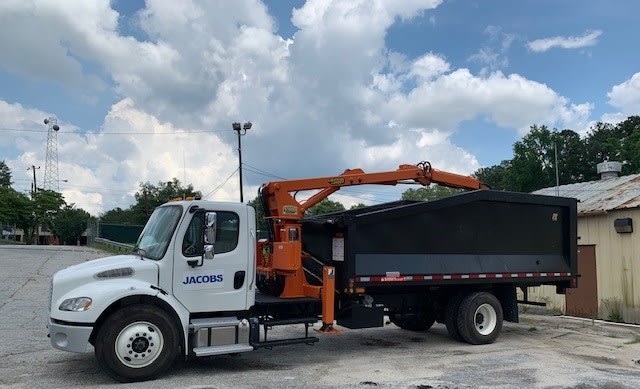
Jacobs's medium-duty truck performs critical work to deliver on client commitments.
Photo: Jacobs
Using Tech to Tackle Obstacles
Zarate has work-site safety down to a tee for her fleet. But that doesn’t mean managing a fleet is without its obstacles. For the past year, Zarate’s top three challenges for her fleet include:
Reducing fleet carbon emissions.
Containing maintenance cost.
Driver shortages.
When it comes to combating these challenges, Zarate leans on technology for assistance to save the company both time and money.
Managing maintenance and registrations can be daunting with a fleet of over 2,000 vehicles. To help with this obstacle, Jacob’s fleet partnered with a fleet management company that utilizes a platform to improve operational efficiency.
“Maintenance costs are going up, which we cannot avoid. So we actively work with our drivers to get preventative maintenance done and help reduce costly repairs and downtime while also helping improve fuel economy,” Zarate said.
With the data gathered from the fleet’s telematics, Zarate can integrate it with the fleet management platform, allowing for the best-informed decisions regarding its operations. And Jacob’s has had successful results so far.
According to Zarate, “the fleet management company handled over 6,000 transactions for Jacob last year, and we saw a 32% increase in direct savings.”
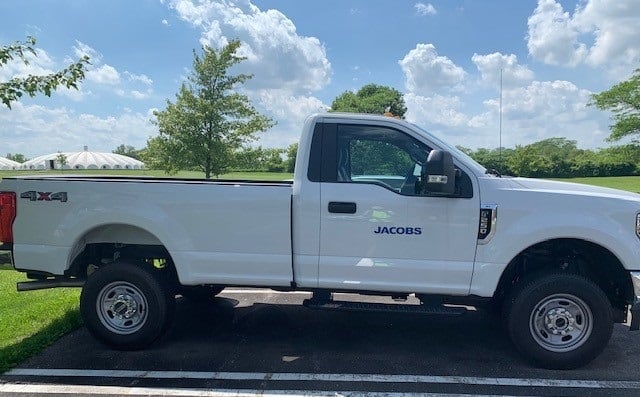
Jacob's fleet consists of 80% light-duty trucks to help perform the company's day-to-day commitments.
Photo: Jacobs
Greening the Fleet
Following the motto of reinventing tomorrow, Jacobs also takes that approach toward sustainability. Reducing fleet carbon emissions is one of Jacob’s top goals. Luckily, fleets have several options now to lower their emissions.
Zarate said the fleet had had great success using telematics to help reduce its fleet emissions. “Telematics allows us to get timely vehicle diagnostics, reduce idle times, and optimize route planning to improve fuel economy and driver safety.”
Jacob’s sustainability efforts have given the company several achievements:
A place in the Dow Jones Sustainability World Index 2022 (DJSI).
A position in CDP's A List for the first time in 2022.
Gold medal in the EcoVadis Sustainability Ratings in 2022.
Recognized as a leading organization in the Wall Street Journal's 250 Best-Managed Companies of 2022.
Regarding Jacobs’ many achievements, Zarate said, “I am very proud to be part of an organization recognized as a sustainability leader and am excited to continue working on greening our fleet in the years to come.”
Always Work on Improving
One way Jacob’s is making a better tomorrow is by integrating its global fleet.
“It’s exciting on several fronts, but the impact it will have on our climate goals is what I am looking forward to most,” Zarate said.
When it comes to managing fleets in the industry, Zarate recommends always improving and leaning on technology and others. “Stay positive and motivated and keep your mental health a priority. Lean on your fleet network for ideas, innovations, mentorship, and leadership,” she concluded.
Want more fleet manager content? Make sure to sign up for Work Truck's eNewsletters for up-to-date content and news.
Subscribe to Our Newsletter
More Operations
Shades of Fleet Wants to Hear From You About Building a Culture of Care
Fleet leaders, we want to hear from you. Share how empathy, trust, and creating space for people can strengthen your team, improve performance, and support retention.
Read More →
What Racing Can Teach Work Truck Fleets About the Work Nobody Sees
Race car driver and mechanical engineer Isaac Johnson shares practical lessons on preparation, relationships, setbacks, and building teams that perform when it counts.
Read More →
New Fleet Guides, Hidden Truck Wear, and Driver Fit Lead This Month
Our latest Truck Chat recap covers new Fleet Guides, hidden idling costs, driver fit, lighter-truck registration rules, and year-round technician appreciation.
Read More →From Our Partners
Basic Tracking vs Next Generation Fleet Technology
Sponsored by AT&T Business
5 Facts Every Fleet Manager Should Know About Embedded Telematics
Sponsored by Stellantis/Mobilisights
How AI Video Telematics Boosts Driver Safety and Helps to Avoid Unnecessary Costs
Sponsored by Verizon Connect
Charting the 8 Bottom-Line Benefits of Workforce Optimization
Sponsored by Verizon Connect


Work Truck Takes Fleet Rivalry Downhill to Support Skilled Trades
Team Fletcher claimed a head-to-head win and second overall as Work Truck and Automotive Fleet helped raise $22,000 for the Hourglass Foundation.
Read More →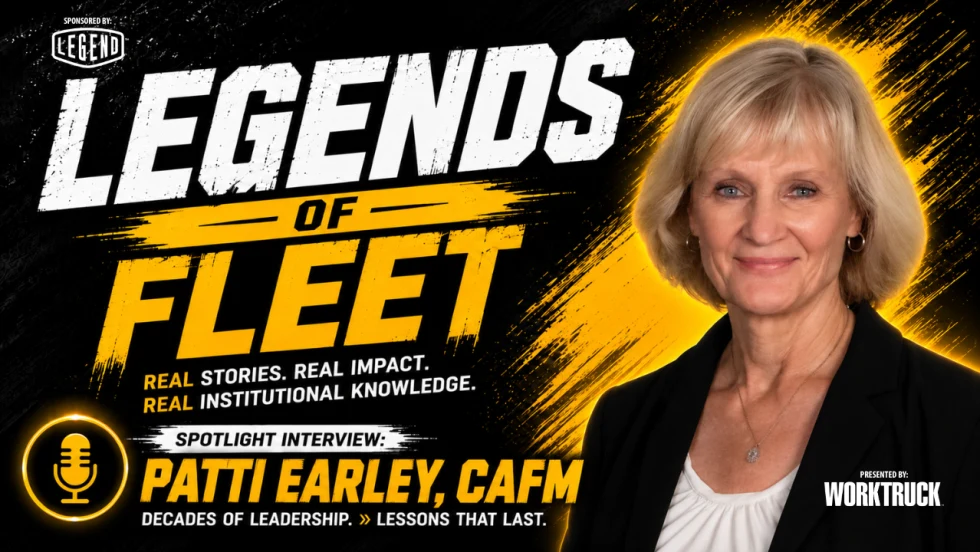
From Ledger Books to AI Patti Earley Shares 40 Years of Fleet Lessons
Patti Earley, CAFM, shares what four decades in fleet have taught her about using data, building relationships, and listening to the people behind the vehicles.
Read More →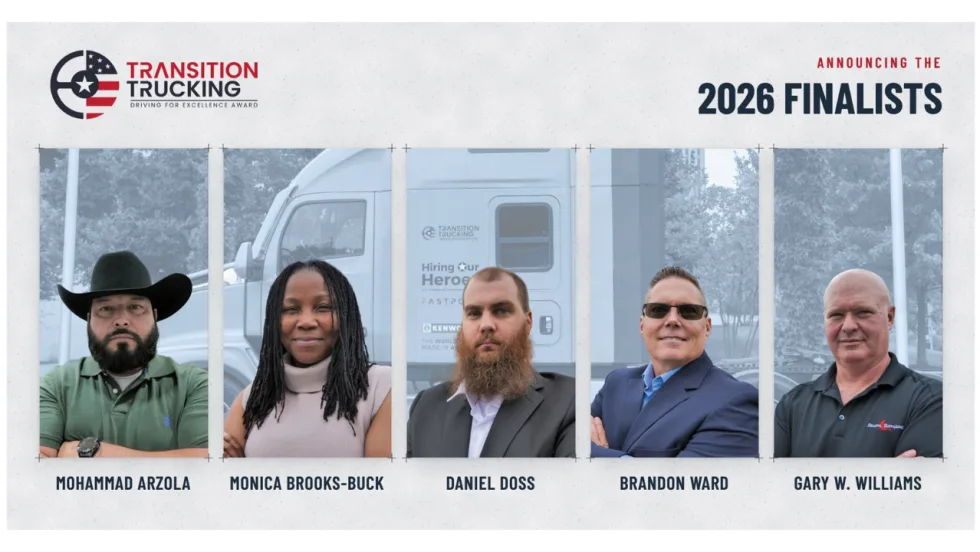
Finalists Announced for 2026 Transition Trucking: Driving for Excellence Award
Kenworth Truck Company, Fastport, and the U.S. Chamber of Commerce Foundation's Hiring Our Heroes program have announced the five finalists for the 2026 Transition Trucking: Driving for Excellence Award.
Read More →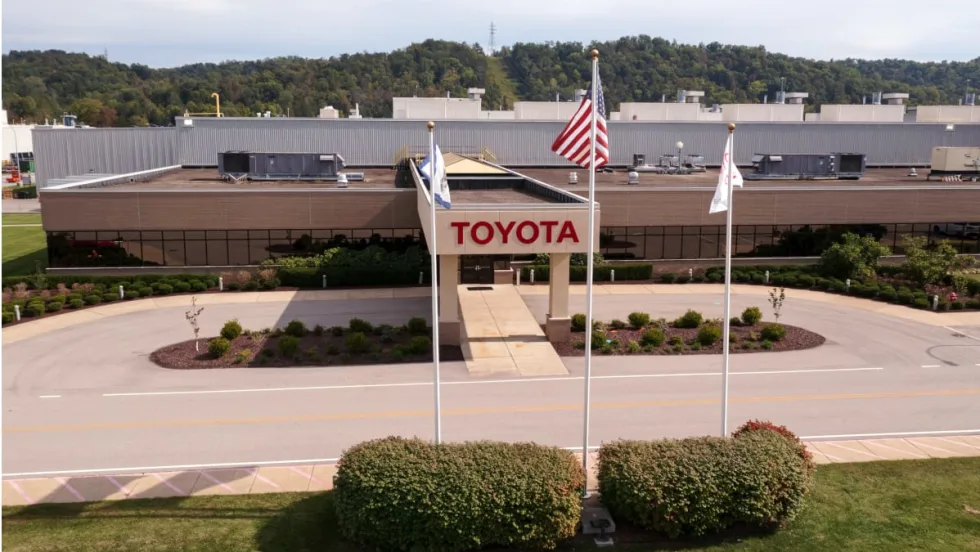
Toyota West Virginia Celebrates Three Decades of Manufacturing in the Mountain State
Toyota West Virginia celebrated 30 years of manufacturing. Toyota assembles both engines and drivetrain components in West Virginia to support its North American operations.
Read More →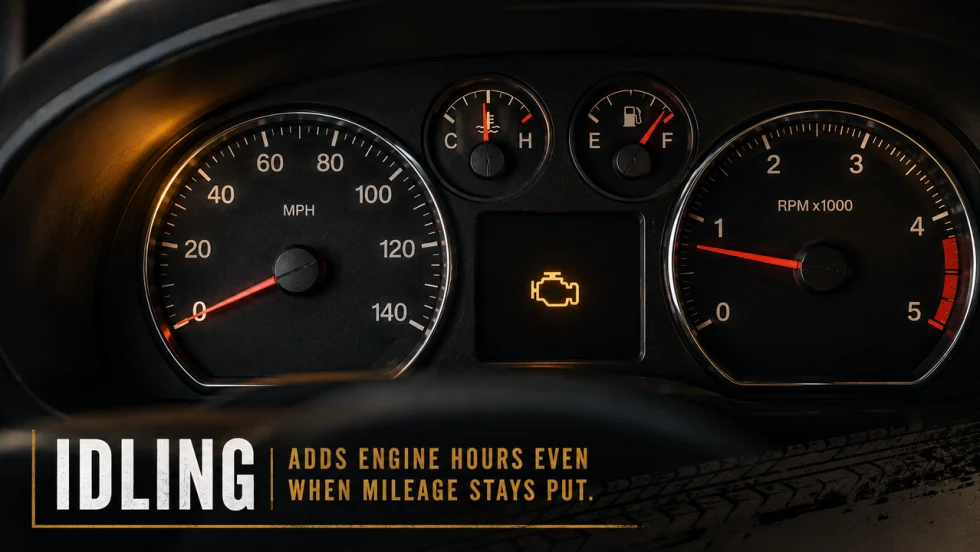
The Hidden Cost of Idling
A low-mileage truck can still be one of the fleet’s hardest-working and most worn assets. Engine hours, idle time, and duty cycle reveal what the odometer misses.
Read More →
Teletrac Navman Hires SVP of Operations & Enterprise Transformation
Teletrac Navman has appointed Alan Wiessbrod to its senior leadership team as senior vice president, operations and enterprise transformation. The company said he has a strong track record of delivering profitable growth and operational excellence.
Read More →
2027 GM Trucks, Technician Retention, and Fleet Lessons Lead This Week’s News
New GM pickups, technician retention, fleet leadership lessons, winter equipment, and more headline this week’s Truck Chat Weekly Cheat Sheet.
Read More →