





Achievement Unlocked: New Bendix Headquarters Building Earns LEED Silver Certification
Bendix Discusses Trailers, Safer Roads Ahead
Bendix said it is committed to developing trailer technologies that help support safer roads in the U.S., Canada, Mexico, and around the world.
September 8, 2022
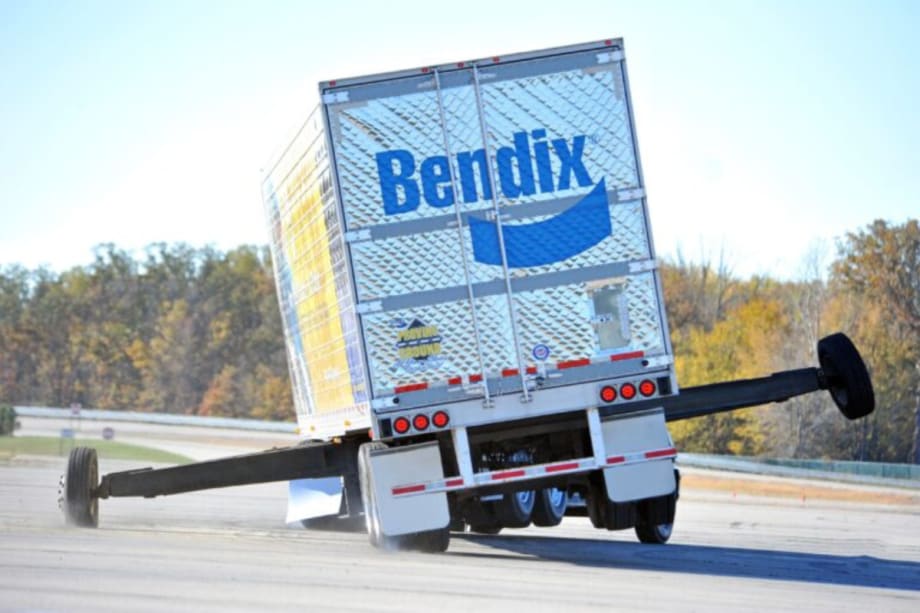
Bendix develops and manufactures braking solutions for commercial vehicles.
Photo: Bendix
3 min to read
Bendix Commercial Vehicle Systems LLC (Bendix) recently discussed how trailers are required to keep the roads safe and can even make them safer than they are right now.
“Trailers continue to evolve to be much more than boxes on wheels, from road-tested and fleet-proven technologies like antilock braking systems (ABS) and stability to connectivity, telematics, and tomorrow’s electronic braking capabilities,” said Jon Intagliata, director, product group – trailer control. “They’re an integral factor in fleet and driver safety equations, and they’re driving business growth as fleets recognize the benefits of connectivity and telematics.”
Bendix develops and manufactures braking solutions for commercial vehicles. Bendix said it is committed to developing trailer technologies that help support safer roads in the U.S., Canada, Mexico, and around the world.
“Through our partnerships with North America’s major trailer manufacturers and fleets, and shared research and advancements with our parent company in Europe, we’re focused on delivering systems that enhance safety and performance, as well as improving the communications between tractors and trailers,” Intagliata said. “And just as importantly, we’re working to make sure dealers and service providers are equipped with the resources and training needed to keep these systems in good, safe operating condition.”
In the past five years, Bendix said it has seen growth in the adoption of Bendix ABS and its family of trailer roll stability programs (TRSP), Bendix TABS (Trailer Antilock Braking Systems), as more fleets equip them standard. These systems use sensors and wheel-end controls to detect conditions that may lead to a rollover and then intervene through brake applications, typically before the driver realizes an intervention is needed.
Single-channel configurations are usually built on an antilock braking system configuration of two sensors and one modulator (2S/1M), while multichannel TRSPs can be installed on vehicles with ABS systems that are already built with multiple sensor-and-modulator configurations, such as 2S/2M or 4S/2M.
“We’ve also seen growing interest in our pad wear sensing technology, which makes fleets aware of end-of-life conditions before expensive components – like rotors – are damaged and allows them to proactively schedule maintenance,” Intagliata said. “We’ve been providing trailer systems for a long time, and customers spec’ing them know they can expect unparalleled post-sales support and technical training from our teams. Plus, when they come to us with questions or needs, we’re not only ready to talk about the technologies on trucks and trailers today, but also about upcoming developments like electronic braking systems (EBS), greater safety system redundancies like we see on tractors, and more advanced connections to manage greater communication between the tractor and trailer.”
EBS differs from ABS in that brake pressure is controlled electronically on every brake application instead of using a pneumatic signal, according to Bendix. These controls enable EBS to deliver new brake system features, including improved brake balance and feel across different load conditions.
More Safety & Compliance
Fleetworthy Expands Expedited Inspection to 5 States
Following its industry-first launch in Nevada, Fleetworthy’s automated inspection technology is now live in California, Michigan, Vermont, and Maine.
Read More →
Crossing State Lines in a Light-Duty Work Truck? Check These Rules First
Crossing state lines in a lighter work truck? J.J. Keller's Kathy Close explains when IRP registration, trip permits, and towing rules come into play.
Read More →
GeoFencing Adds to Your Truck Security Arsenal
Geofencing is a familiar fleet tool today, but its early adoption marked a major shift in vehicle tracking, route monitoring, and the debate over employee privacy.
Read More →From Our Partners



Recalls You Need to Know About in October 2026
In October 2026, what recalls might impact your fleet? Work Truck has the answers in this comprehensive overview of recent NHTSA recalls.
Read More →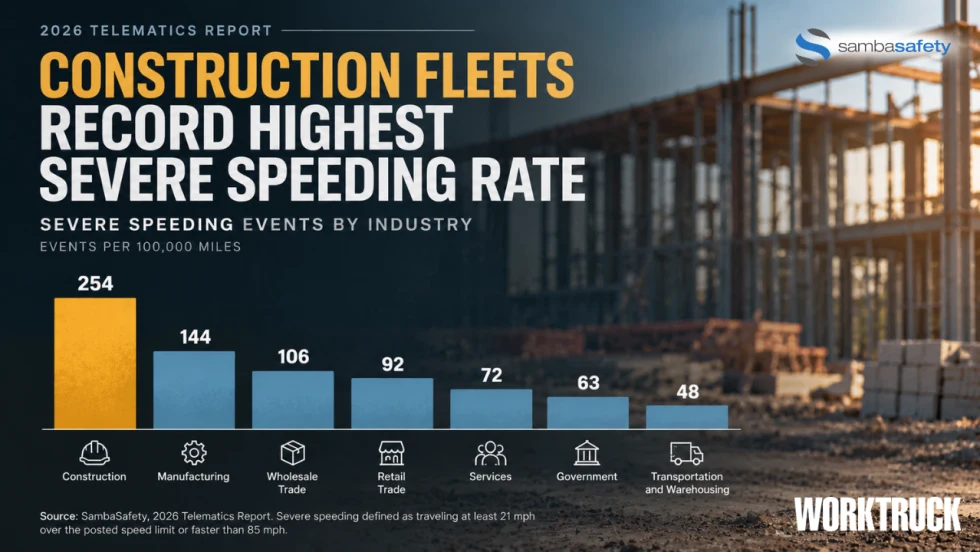
Construction Fleets Show Telematics Adoption Alone May Not Reduce Driving Risk
SambaSafety found construction fleets monitor roughly 92% of their vehicles but recorded the highest severe speeding rate among industries studied.
Read More →
Lytx Launches 360 Hub Kit for Expanded Fleet Camera Visibility
Lytx’s new AI-ready gateway and HD auxiliary camera ecosystem, the Lytx 360 Hub Kit, extends visibility across side, rear, cargo, and blind-zone views to help fleets see more and respond faster.
Read More →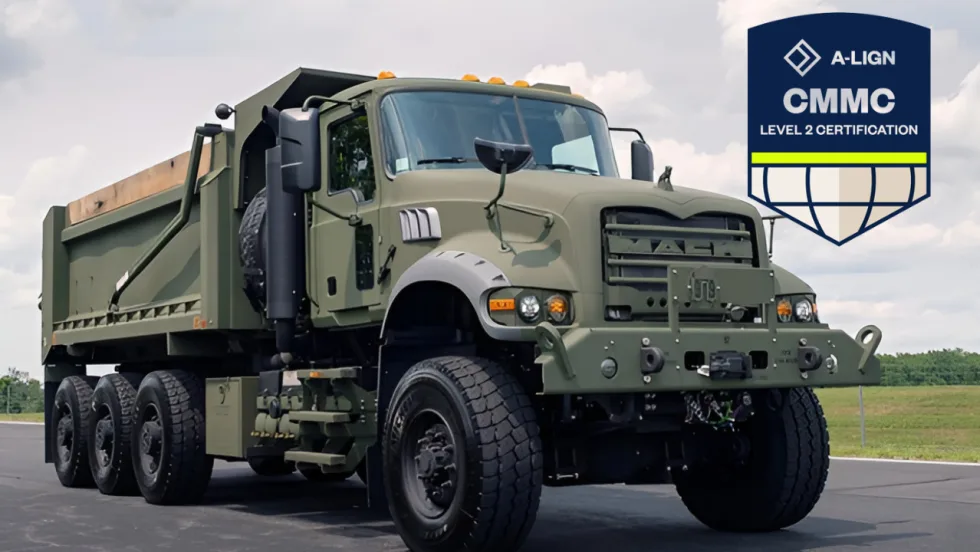
Mack Defense Achieves Cybersecurity Maturity Model Certification Level 2
After an assessment conducted by an authorized Certified Third-Party Assessment Organization (C3PAO), Mack Defense has achieved Cybersecurity Maturity Model Certification (CMMC) Level 2.
Read More →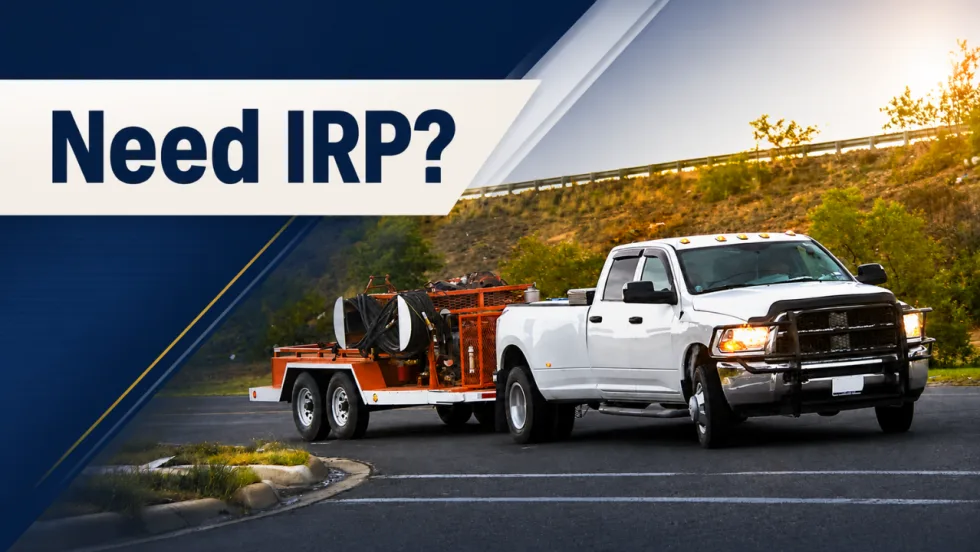
When Work Trucks Under 26,001 Pounds Need IRP Registration
Think trucks under 26,001 pounds are automatically in the clear when it comes to IRP? Not always. Learn where lighter vehicles can still run into trip permit, apportioned registration, and IFTA compliance requirements when crossing state or provincial lines.
Read More →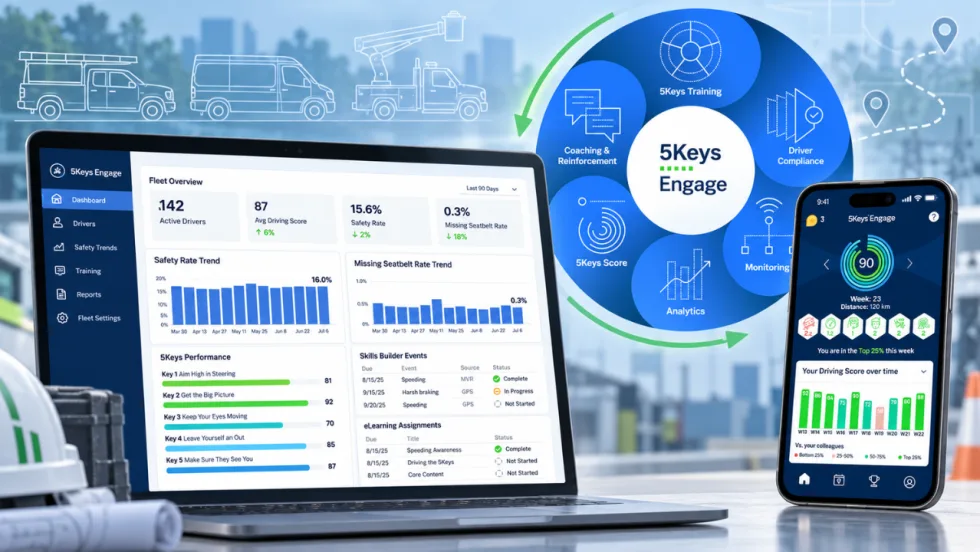
Smith System Wants Work Truck Fleets to Look Beyond the Driver Alert
Smith System’s new Driver Risk Management program is built to help mixed work truck fleets turn telematics alerts and observations into specific behaviors, coaching actions, and measurable follow-up.
Read More →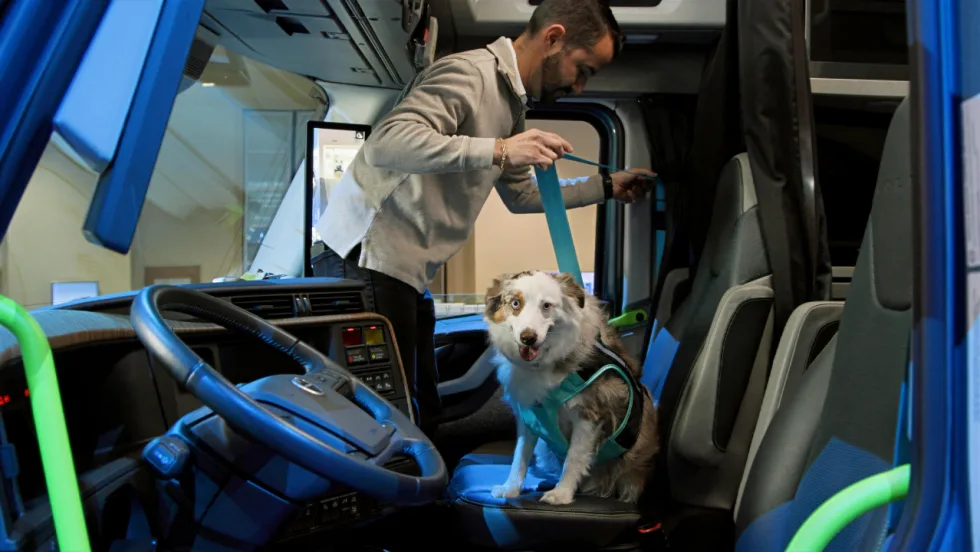
Volvo Trucks Releases New Safety Recommendations for Traveling with Pets
One of the most important recommendations for professional drivers traveling with pets is to ensure pets are properly restrained while the truck is moving. Other tips are available in the new guide from Volvo Trucks North America and Center for Pet Safety.
Read More →