





Lifting Up: Truck Lift Selection & Safety Tips
New ANSI/ALI Safety Standard Now in Effect
The 2022 standard is about 50 percent longer than the prior version.
August 29, 2022
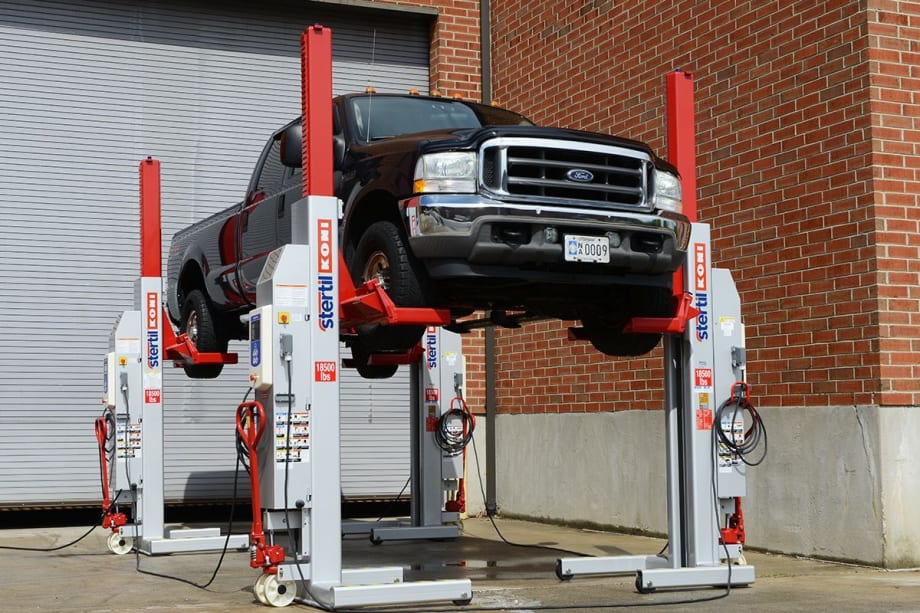
The standard applies to vehicle service lifts, generally called car lifts, truck lifts, or hoists.
Photo: Stertil-Koni
1 min to read
The latest version of the American National Standard covering safety requirements for vehicle lift installation and service in North America is now in effect.
Approved by the American National Standards Institute (ANSI), ANSI/ALI ALIS 2022 replaced the existing standard, ANSI/ALI ALIS 2009 (R2015), effective August 4, 2022. The Automotive Lift Institute (ALI) is the ANSI Accredited Standards Developer and sponsor of ANSI/ALI ALIS.
ANSI/ALI ALIS 2022 describes the duties and responsibilities of lift installers and service technicians, including required qualifications, training, reporting, and documentation. The 2022 standard is about 50 percent longer than the prior version. It adds expanded content addressing accessories, attachments, decommissioning, and removal; a new section focused on the need for post-installation inspection; and new definitions. The standard applies to vehicle service lifts, generally called car lifts, truck lifts, or hoists.
“Staying safe in the service bay starts with buying an ALI-certified lift, but it doesn’t end there,” said R.W. “Bob” O’Gorman, ALI president. “It’s crucial that the lift be installed properly by a qualified installer, inspected at least annually by a qualified lift inspector, and serviced as needed by a qualified service technician. The ANSI/ALI ALIS 2022 standard offers guidance on all of these ‘after the sale’ aspects of lift ownership.”
The 37-page standard is available in print from ALI, its member manufacturers, and ALI Certified Lift Inspectors.
More Safety
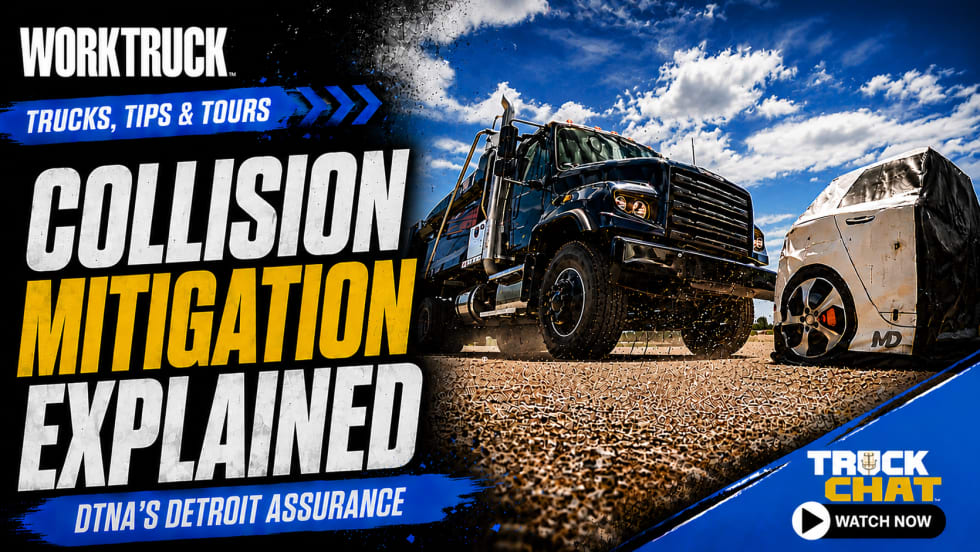
How Detroit Assurance with Active Brake Assist Works
Do you want to see what it is like to experience Detroit Assurance’s Active Brake Assist? In this video, Work Truck will put you in the cab to see how it all works and then hear more details from DTNA’s Mike Young.
Read More →
Get Left of Loss: A 5-Step Workplace Prevention Framework for Fleet Operators
Violence risks do not stop at the driver’s door. Learn five practical steps fleets can take to spot threats early and protect workers before loss occurs.
Read More →
Sponsored•July 17, 2026
How Better Visibility Cut Speeding Violations by 48%
Fleet leaders don't need more data, they need clearer visibility into what the data is saying. This case study explores how one utility replaced speeding-event counts with a single metric — miles driven in violation — to strengthen safety and significantly reduce speeding violations.
Read More →
13 Safe Driving Tips for Commercial Vehicle Drivers
Make sure you are spending time on the road safely with these important tips.
Read More →
Recalls You Need to Know About in July 2026
If you have Altec, Ford, General Motors, Harbinger, Hyundai, Mack Trucks, or Volvo Trucks vehicles in your fleet, you should check these important recalls issued by the National Highway Safety Administration.
Read More →
How Telematics Is Transforming Fleet Risk from Insight to Action
What if you could spot risky driving before it leads to a crash? See how telematics is still changing fleet safety today.
Read More →
DOT Rules Remain Firmly Lit on Marijuana
DOT says not so fast on marijuana. Even with federal reclassification efforts, commercial drivers in safety-sensitive roles remain subject to marijuana testing and prohibitions.
Read More →
Lytx Adds Fleet Management Enhancements to LytxOne Platform
Lytx has added new features to LytxOne to bring safety, operational insight, asset visibility, and compliance into a unified, all-in-one platform.
Read More →
A Fourth of July Cargo Theft Reality Check for Fleet Managers
The Fourth of July creates prime conditions for cargo theft. Here's what fleet managers should review now to protect loads, drivers and operations.
Read More →
What is DataQs and Why Should Fleets Care?
Watch to learn how FMCSA's DataQs system helps fleets challenge inaccurate safety data, protect CSA scores, and improve compliance records.
Read More →