




Clean Fleet’s Future May Be Electric, but Today It’s Propane
Yes, electric vehicles are a part of our future. But propane autogas is a part of our past, present, and future, too.
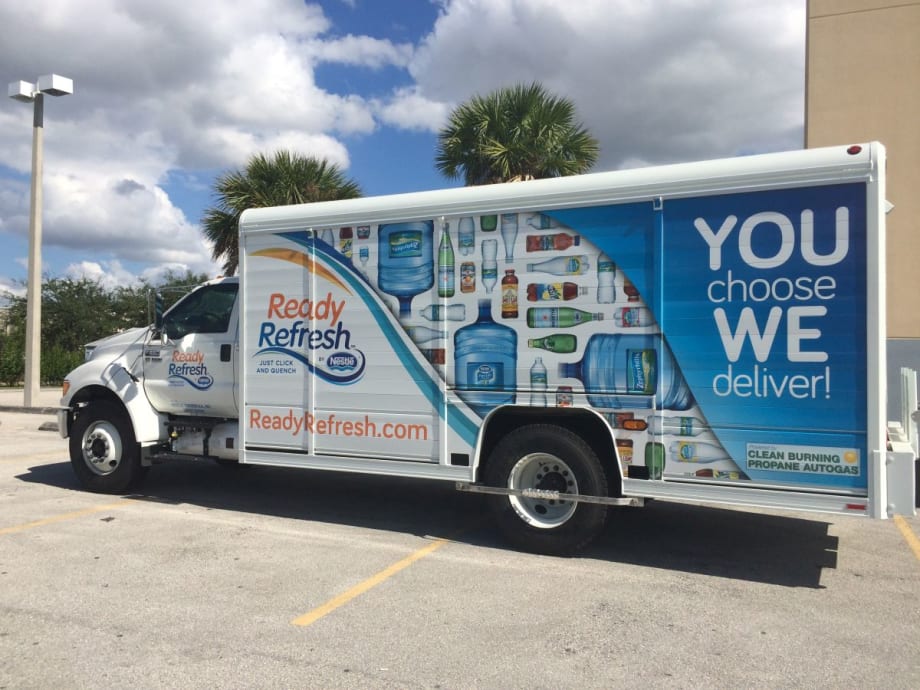
Propane has been around for more than 100 years to fuel vehicles, like school buses, delivery vans, construction trucks, transit vehicles, and more.
Photo: Roush CleanTech
- Electric vehicles are anticipated to play a significant role in the future of clean transportation.
- Propane autogas remains a relevant and versatile fuel source, maintaining its significance across past, present, and future contexts.
- The transition toward electric vehicles does not diminish the ongoing importance and utility of propane fuel.
*Summarized by AI
Roush CleanTech is an advanced technology development company. Alliance AutoGas is a vehicle conversion technology and fuel provider. Together, we know fleets and fuels.
Roush CleanTech has been an active player in the alternative fuels business for almost 15 years with multiple fuel sources and has more than 40,000 units on the road that have accumulated over two billion miles of alternative-fuel performance characteristics.
When we teamed up with Alliance AutoGas for this article, we felt it was important to communicate today’s energy options for fleets.
The Future of Alternative Fuels
We hear a lot about various alternative-fuel vehicles, especially those powered by electric. Electric vehicle (EV) technology is exciting and quickly emerging. The reality is that it’s not quite there on a large scale for commercial vehicles — yet. And, as we all know, technology development takes time. While there is much to be excited about regarding the potential future growth of EVs, when we shift our focus to “right here, right now,” it’s shovel-ready propane autogas.
Propane has been around for more than 100 years to fuel vehicles, like school buses, delivery vans, construction trucks, transit vehicles, and more. It’s a readily available fuel with more than 90% of the United States supply produced domestically and an additional 7% from Canada. More than 24 billion gallons of excess U.S. production are being exported out of the United States. There’s no question that the supply is there.
The Roush CleanTech propane engine (a Ford 7.3L V-8) is currently on the market with certified California Air Resources Board’s optional low NOx emissions standard. In addition, multiple technologies are available in the U.S. for propane vehicles that meet or exceed the 0.2g nitrogen oxide standard.
Looking at the Big Picture
When you consider the entire spectrum of tailpipe emissions and emissions associated with the electricity production, propane offers drastic decreases over conventional fuels and EVs without the need for complex aftertreatment devices or expensive charging stations. And then there is renewable propane, which has virtually zero emission levels, reduced greenhouse gases, and helps meet the demand for ever-cleaner products.
The eventual maturity of renewable propane is where we get very excited. Renewable propane provides a solution for today’s fleets as we transition to options that exist in the future.
Renewable propane, also known as biopropane, is a non-fossil fuel produced from 100% renewable materials. It’s commonly produced from feedstock such as plant oils, animal waste, and cooking oils. It can be used as a “drop-in” fuel to conventional propane since renewable propane’s molecular structure, and physical properties, are the same. The fact that it is generated from renewable sources lays a different carbon intensity perspective.
Renewable propane aligns with California and Oregon's Low Carbon Fuel Standards. It provides fleets with significant carbon reduction while experiencing the benefits of propane, such as reduced costs, longer driving ranges, and being a domestic fuel source.
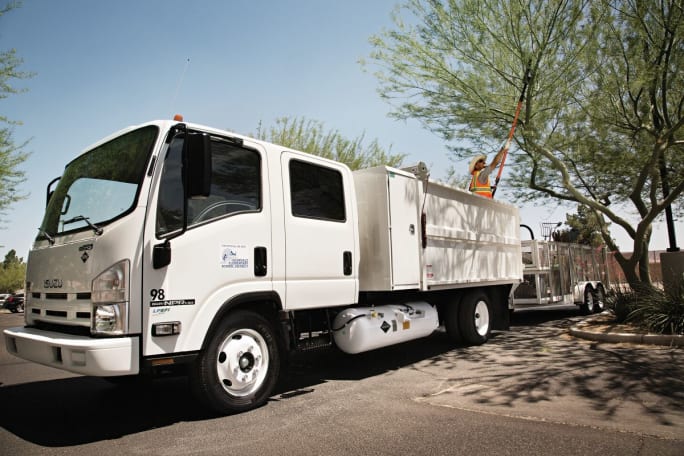
Renewable propane provides fleets with significant carbon reduction while experiencing reduced costs and increased driving ranges.
Photo: Alliance Autogas
It Just Makes 'Cents'
The economics of propane vehicles are hard to ignore. Cost savings are significant without a large upfront investment because the incremental price of a vehicle equipped with a propane fuel system is only a small increase over comparable gasoline or diesel power options. For fueling, propane suppliers can install onsite propane stations at low (or even zero) cost with a fueling contract. Plus, and especially important in today’s world, the cost of the fuel itself averages less than half that of gasoline or diesel.
With easy and quick fill-up time, reduced maintenance, and a long-driving range, propane autogas vehicles stay on the road — all important for managing your daily fleet activities.
We get it. EVs can offer the highest reduction in vehicle tailpipe emissions because there is no engine, thus no exhaust emitted from the vehicle. However, when considering total emissions and the generation of electricity, conventional propane is currently cleaner than an EV in all but a handful of states.
Not every EV is charged using sustainable power sources; for example, coal is frequently used to generate electricity. And there are many environmental challenges surrounding grid capacity, coal-fired power plants, and the energy-heavy process of developing lithium-ion batteries.
The map below shows the carbon intensity rating of the electrical grid when you evaluate how electricity is generated, stored, transmitted, and consumed. This map is compared with the same research to a 50/50 blend of propane and renewable propane, the carbon intensity ratings by state:
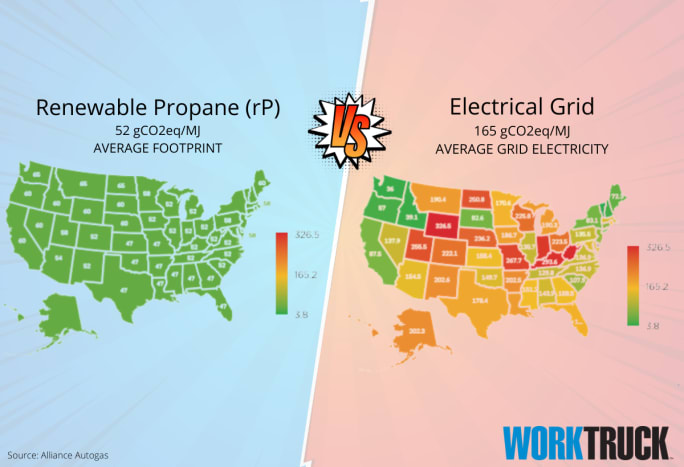
Looking at the carbon intensity rating of the electrical grid vs renewable propane shows a major difference in all U.S. states.
Source: Alliance Autogas
The bottom line is that EVs are a part of our future. Propane is a part of our past, present, and future. The momentum around renewable propane is a gamechanger when you focus on emissions as it offers fleets a near-zero advanced alternative fuel technology.
Are you ready to bridge the gap from traditional fuels to propane autogas? Check out these benefits, and challenges, when transitioning. Work Truck also has you covered for converting your truck to run on propane autogas with these nine steps!
About the Authors: Joe Thompson is president at Roush CleanTech, and Stuart Weidie is president at Alliance AutoGas. This article was authored and edited according to WT editorial standards and style. Opinions expressed may not reflect that of WT.
Quick Answers
Propane autogas has been widely used for many years due to its cost-effectiveness and lower emissions compared to gasoline and diesel, making it a reliable and sustainable option for current and future clean fleet operations.
*Summarized by AI
More Sustainability
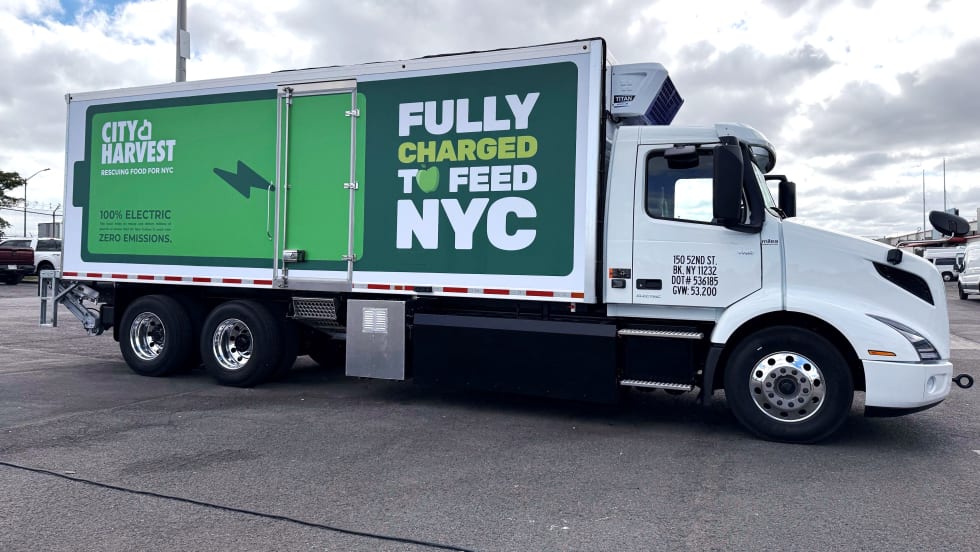
City Harvest Begins Using Volvo VNR Electric Trucks to Rescue Food Across New York City
Volvo Trucks North America and the Bronx Is Breathing project team handed over three new Volvo VNR Electric trucks to City Harvest, which will use the trucks to rescue and deliver food throughout the Bronx and across all five boroughs of New York.
Read More →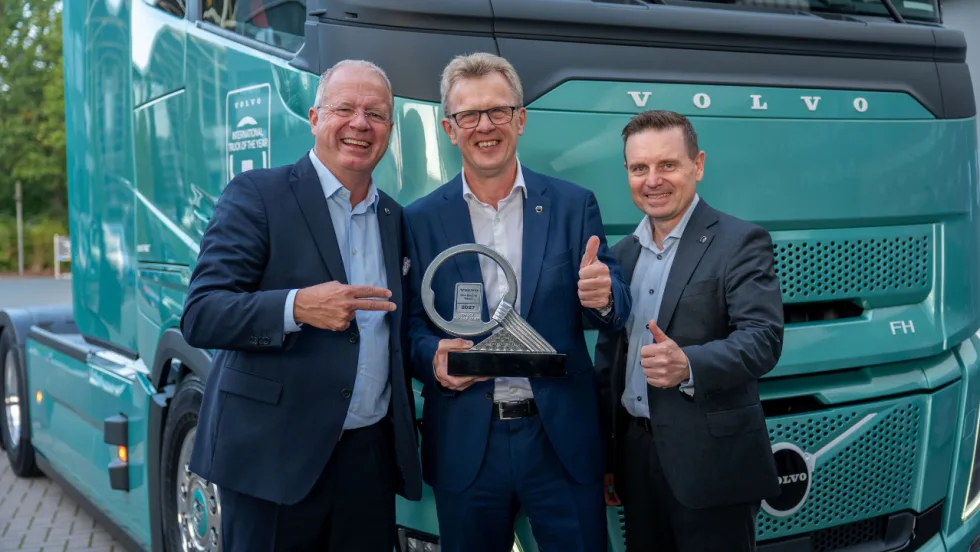
Volvo Trucks Wins International Truck of the Year 2027 for its Global Electric Range
Volvo Trucks' global heavy-duty electric range has been named International Truck of the Year 2027. Since 2019, more than 7,000 electric Volvo trucks have driven more than 310 million miles worldwide.
Read More →
Fleet Forward Conference Introduces One-Day Passes for 2026
New one-day registration gives fleet professionals the flexibility to attend Tuesday, Wednesday, or Thursday, with passes available for $199 through Sept. 18.
Read More →

CALSTART Rebrands as Catalyst Mobility, Will Combine with Forth in 2027
CALSTART has rebranded as Catalyst Mobility and will combine with Forth at the start of 2027. The new organization said it is poised to become one of the world's largest, strongest, and most impactful clean transportation nonprofits.
Read More →
Electric Truck and Charging Programs to Boost Sustainability at NY & NJ Ports
Together, the Port Authority of New York and New Jersey and CALSTART will electrify drayage and terminal operations serving the East Coast’s busiest container port. A pair of incentive programs totaling $45 million has launched to accelerate adoption of zero-emission drayage trucks and terminal tractors.
Read More →
The Smart Way to Build a Mixed-Energy Fleet Isn’t About Picking a Side
Mixed-energy fleets aren’t about picking a winning fuel. Sarah Booth of WEX explains how vehicle data, duty cycles, charging strategy, and real-world costs can help fleets choose the right energy source for each job.
Read More →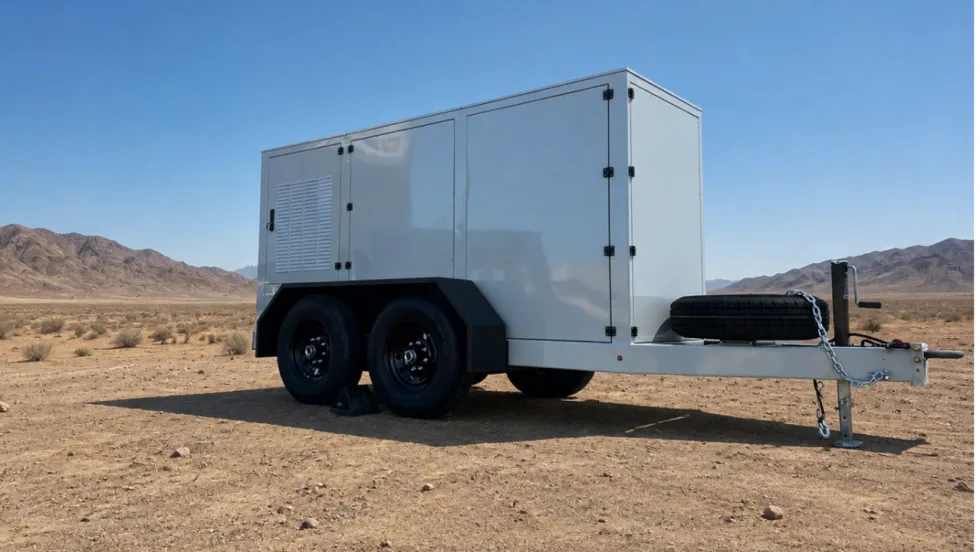
Xos Hub Surpasses One Gigawatt-Hour of Energy Delivered in the Field
A single Xos Hub has surpassed one gigawatt-hour of energy across more than 33,600 charging sessions in the field, demonstrating performance that supports Xos' expansion across new products and markets.
Read More →
Carrier Transicold Launches All-Electric Vector 8200 TRU for Diesel-Free On-Site Cold Storage
Carrier Transicold’s first engineless multi-temperature TRU helps fresh- and frozen-food fleets add supplemental cold storage capacity during seasonal peaks.
Read More →
Narro Trucks Introduces Electric Utility Vehicle
Narro Trucks officially launched its operations on Aug. 20 and hosted a ride and drive to showcase its electric truck, which will be produced in Virginia.
Read More →
Samsung SDI Takes Full Control of GM Battery JV as Indiana Plant Pivots to Energy Storage
Samsung SDI is taking full control of its Indiana battery plant with GM, marking a major shift from the EV-focused joint venture Charged Fleet first covered in 2023.
Read More →