




Connecting Propane Fleets with the Fuel They Need
What are your fueling options and how do you select a provider once you have selected propane autogas for your operation?
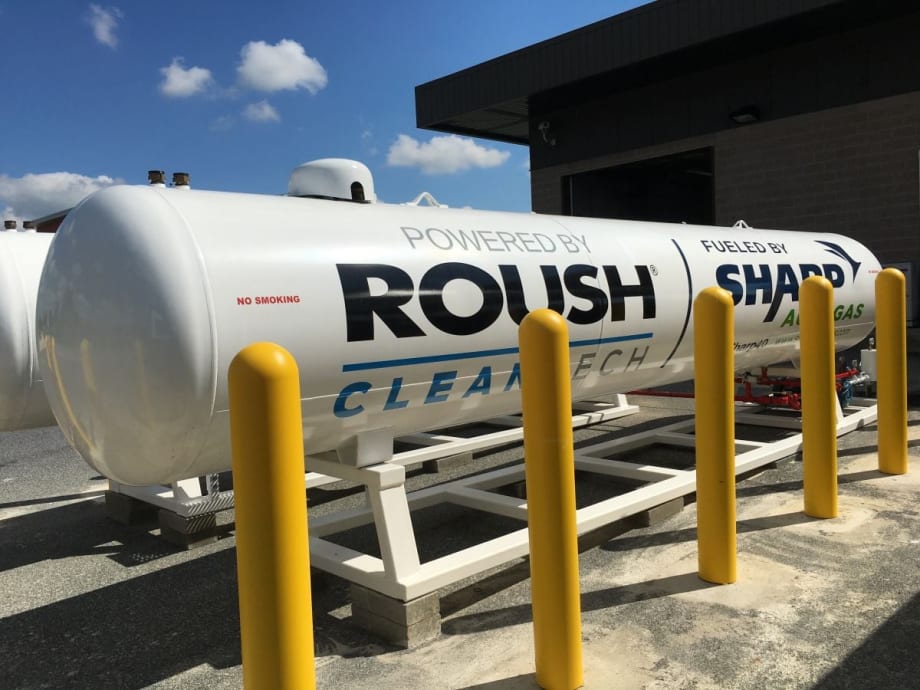
Propane autogas fueling infrastructure costs less than any other transportation energy source — conventional or alternative.
Photo: ROUSH CleanTech
- Identifies various fueling options available for fleets using propane autogas.
- Guides on criteria to consider when choosing a propane fuel provider.
- Emphasizes the importance of selecting the right provider to efficiently operate propane fleets.
*Summarized by AI
When commercial fleets look to decrease their emissions, save on budgets, and chose a sustainable fuel, many turn to propane autogas.
On average, propane autogas is up to 40% less expensive than gasoline and about 50% less than diesel. One of the additional benefits of propane is the number of fueling choices it gives the operator.
Let’s examine fueling and what you can expect from propane providers.
Propane Fueling Options
Many fleet operators choose to install onsite stations, which allows companies to install fueling infrastructure on their property, eliminating trips to off-site stations and furthering their sustainability bottom line.
Propane autogas fueling infrastructure costs less than any other transportation energy source — conventional or alternative.
A company can also opt for mobile fueling. In this scenario, the propane supplier comes to your location and fuels your vehicles onsite with a propane delivery truck.
Lastly, there are public stations. There are thousands of propane autogas fueling stations across the U.S. and stations in every state.
Also, consider America’s large surplus of propane. According to the Energy Information Administration, the U.S. had a stock of 80 million barrels in November 2017. That’s about 1.85 million barrels produced per day and exported only half.
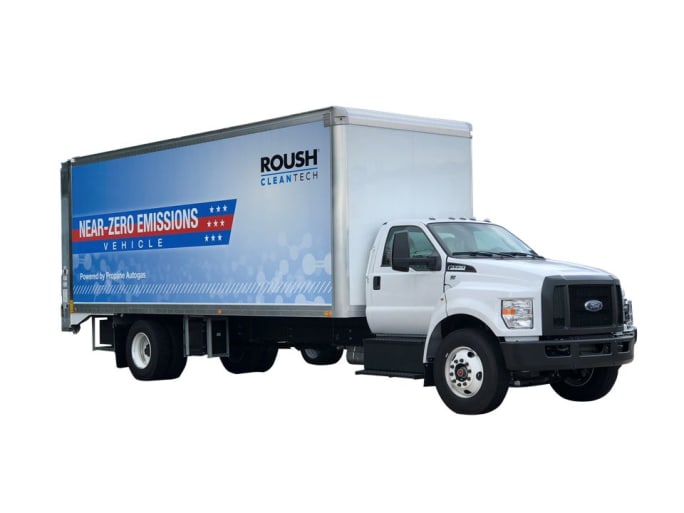
By fueling with propane, fleets can extend the fuel's positive impact on the environment while saving even more budget.
Photo: ROUSH CleanTech
How to Find a Propane Provider
When working with fleet operators, many propane vehicle manufacturers can connect owners directly with propane providers. These are the folks who specialize in helping fleets choose the right fueling option based on fleet size, routes, budget, and facility space.
Once fleet operators complete the vehicle spec process, determine how many vehicles and the types of vehicles it needs, they are more equipped to reach out to the recommended propane marketers.
In addition to the fuel itself, propane marketers offer high-quality equipment and service.
After the supplier connects with the fleet operator, the supplier will make its recommendations. If an onsite station is selected, they will schedule a site visit with the fleet operator and the local fire marshal.
During the site visit, the three parties will walk through the location and determine where to put a fueling station. They will also discuss how many vehicles will fuel at the site, which will help calculate the expected yearly fuel usage and determine the propane tank size.

When selecting a fuel supplier, ask about their experience with propane autogas accounts.
Photo: ROUSH CleanTech
What to Look for in a Propane Supplier
There are three things fleet owners should consider when selecting a propane provider.
First, they should ask about the supplier’s experience with propane autogas accounts. They should have some background in the market. If they are currently not in the autogas market, they should express interest in getting into it.
Fleets should also do their research and speak with other fleets already working with that supplier to determine what their experience has been.
Second, the supplier should be able to offer different options for acquiring the equipment. They should be able to allow fleet operators to own, lease, or lease to own.
Third, the supplier should be able to offer locked-in pricing for an extended period. Because propane autogas availability is steady, suppliers can provide fuel supply contracts to allow fleets to secure single- or multi-year pricing agreements, ensuring consistent pricing regardless of fluctuating market prices.
The U.S. is rich in propane, and using this domestic resource will help insulate fleets from the instability of foreign oil prices. By fueling with propane, fleets can extend the fuel's positive impact on the environment while saving even more budget.
Whether a fleet operator works with its propane vehicle manufacturer or finds a propane provider themselves, be prepared for the process and know the questions to ask.
About the Author: Todd Mouw is president of ROUSH CleanTech, an industry leader of alternative fuel vehicle technology. Mouw has more than two decades of experience in the automotive and high-tech industries. He can be reached at todd.mouw@roush.com.
Quick Answers
Propane fleets can choose from several fueling options including on-site fueling infrastructure, refueling stations, mobile fueling solutions, or cylinder exchange programs, depending on their operational needs and logistical considerations.
*Summarized by AI
More Sustainability
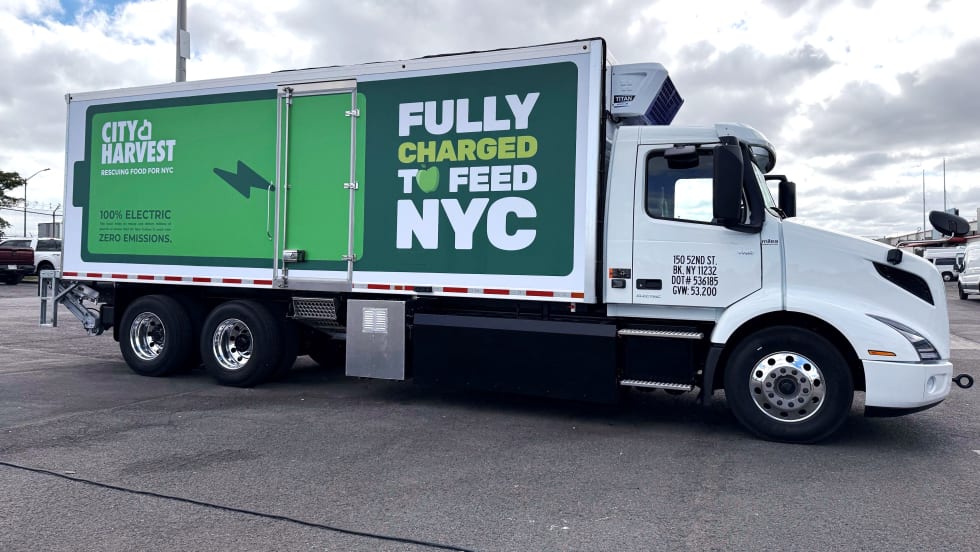
City Harvest Begins Using Volvo VNR Electric Trucks to Rescue Food Across New York City
Volvo Trucks North America and the Bronx Is Breathing project team handed over three new Volvo VNR Electric trucks to City Harvest, which will use the trucks to rescue and deliver food throughout the Bronx and across all five boroughs of New York.
Read More →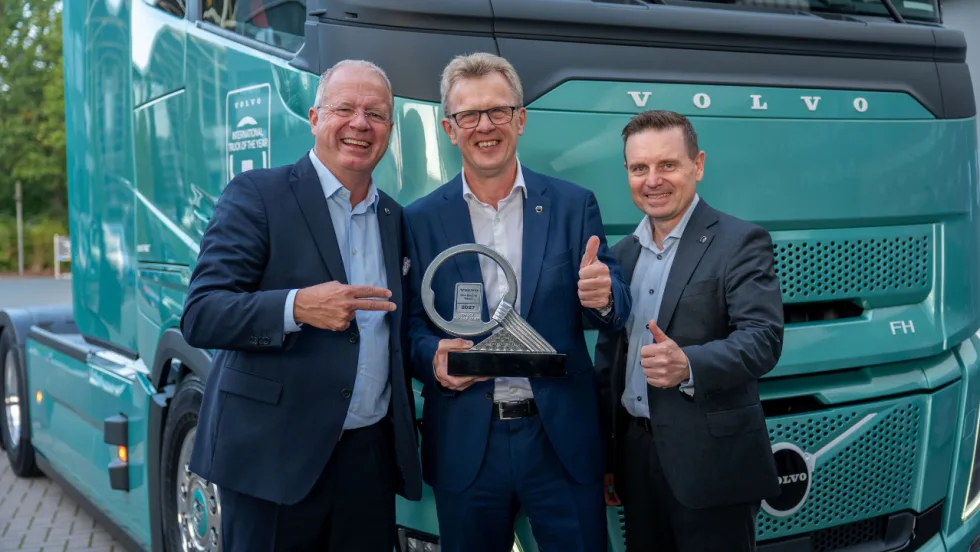
Volvo Trucks Wins International Truck of the Year 2027 for its Global Electric Range
Volvo Trucks' global heavy-duty electric range has been named International Truck of the Year 2027. Since 2019, more than 7,000 electric Volvo trucks have driven more than 310 million miles worldwide.
Read More →
Fleet Forward Conference Introduces One-Day Passes for 2026
New one-day registration gives fleet professionals the flexibility to attend Tuesday, Wednesday, or Thursday, with passes available for $199 through Sept. 18.
Read More →

CALSTART Rebrands as Catalyst Mobility, Will Combine with Forth in 2027
CALSTART has rebranded as Catalyst Mobility and will combine with Forth at the start of 2027. The new organization said it is poised to become one of the world's largest, strongest, and most impactful clean transportation nonprofits.
Read More →
Electric Truck and Charging Programs to Boost Sustainability at NY & NJ Ports
Together, the Port Authority of New York and New Jersey and CALSTART will electrify drayage and terminal operations serving the East Coast’s busiest container port. A pair of incentive programs totaling $45 million has launched to accelerate adoption of zero-emission drayage trucks and terminal tractors.
Read More →
The Smart Way to Build a Mixed-Energy Fleet Isn’t About Picking a Side
Mixed-energy fleets aren’t about picking a winning fuel. Sarah Booth of WEX explains how vehicle data, duty cycles, charging strategy, and real-world costs can help fleets choose the right energy source for each job.
Read More →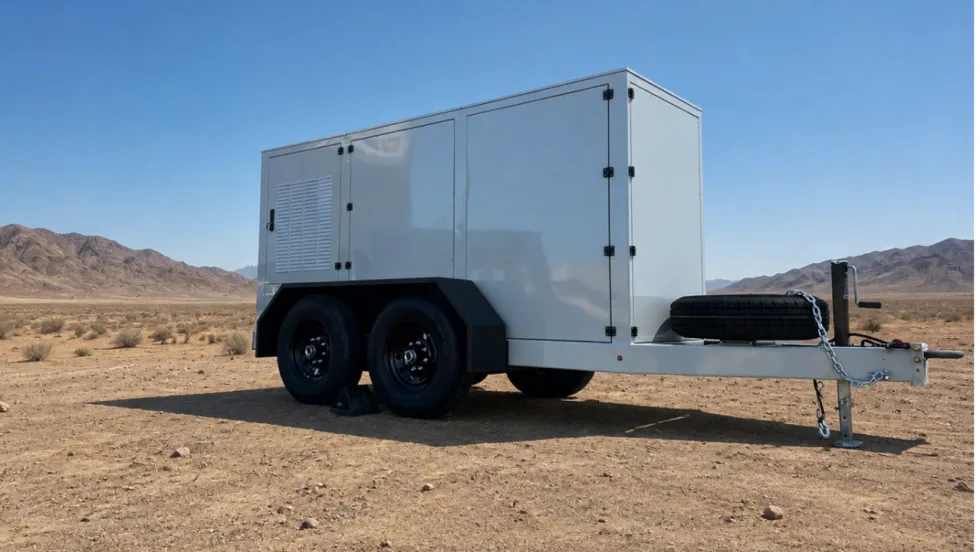
Xos Hub Surpasses One Gigawatt-Hour of Energy Delivered in the Field
A single Xos Hub has surpassed one gigawatt-hour of energy across more than 33,600 charging sessions in the field, demonstrating performance that supports Xos' expansion across new products and markets.
Read More →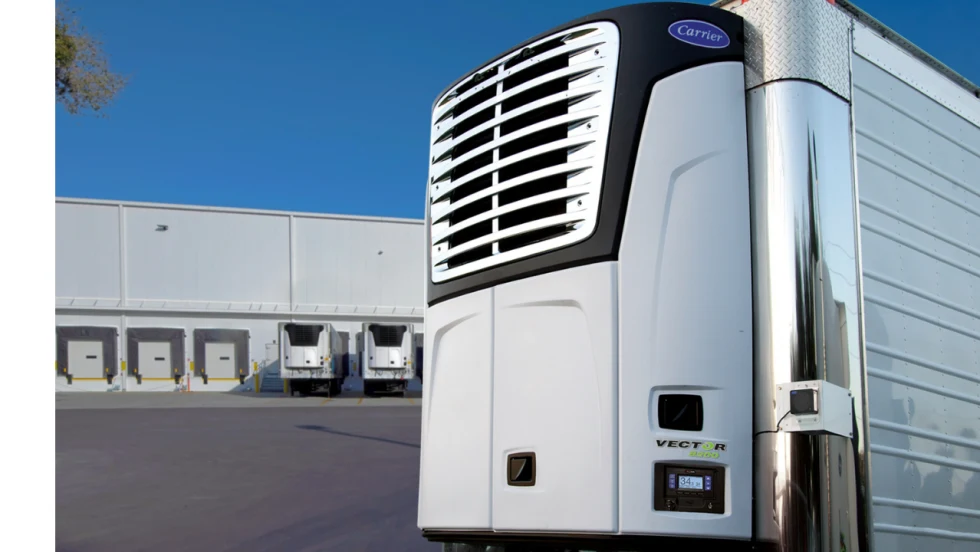
Carrier Transicold Launches All-Electric Vector 8200 TRU for Diesel-Free On-Site Cold Storage
Carrier Transicold’s first engineless multi-temperature TRU helps fresh- and frozen-food fleets add supplemental cold storage capacity during seasonal peaks.
Read More →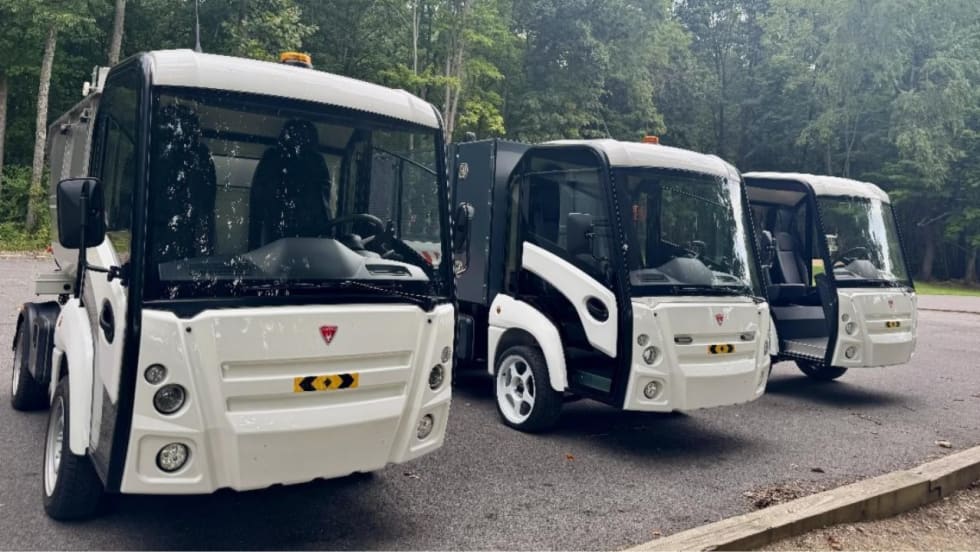
Narro Trucks Introduces Electric Utility Vehicle
Narro Trucks officially launched its operations on Aug. 20 and hosted a ride and drive to showcase its electric truck, which will be produced in Virginia.
Read More →
Samsung SDI Takes Full Control of GM Battery JV as Indiana Plant Pivots to Energy Storage
Samsung SDI is taking full control of its Indiana battery plant with GM, marking a major shift from the EV-focused joint venture Charged Fleet first covered in 2023.
Read More →