





Learn More: Report: Refuse Fleets Could Reduce U.S. Methane Emissions with RNG
Youngs Commercial Transfer Converting Fleet to RNG
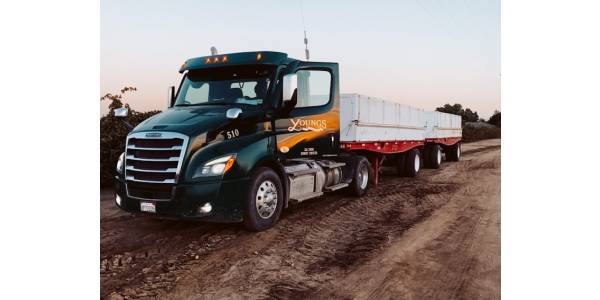
In conjunction with Southern California Gas and Opal Fuels, YCT is transitioning its fleet of heavy-duty trucks to operate on renewable natural gas.
February 8, 2022
3 min to read
Southern California Gas (SoCalGas), agricultural-trucking company Young's Commercial Transfer, and renewable-natural-gas provider Opal Fuels are showcasing YCT's commitment to help decarbonize California by transitioning its fleet of heavy-duty trucks to operate on RNG.
These ultra-low-emissions trucks are fueled at stations built, owned, and operated by Opal Fuels across the San Joaquin Valley. The RNG will be delivered via SoCalGas' pipeline network.
YCT currently has 80 natural gas trucks and plans to increase that to 110 by the end of March. The company hopes to convert 75% of its fleet to RNG by the end of 2023. The trucks will be equipped with Cummins Westport 12L engines and automatic transmissions and have a driving range of up to 600 miles.
RNG is not a fossil fuel, but a lower-carbon fuel, is produced by capturing methane emissions from organic waste, including landfill sites and dairy farms. When used in transportation in place of diesel fuel, RNG can provide significant annual operating cost savings (with LCFS and RIN credits) and help reduce the carbon footprint of heavy-duty fleets.
In California, RNG used as transportation fuel has increased 177% over the last five years. In 2020 alone, 1.83 million tons of carbon dioxide equivalent (CO2e) was displaced, as reported by the Coalition for Renewable Natural Gas.
Additional RNG refueling stations that use SoCalGas' pipeline network have come online in the central San Joaquin Valley within the last 18 months. The development of these stations has provided critical alternatives in the refueling network along the heavily traveled Highway 99.
In California, transportation accounts for more than 41% of greenhouse gas emissions and 80% of smog-forming pollution in the state, with heavy-duty trucks among the largest polluters, according to California Air Resources Board data.
"RNG is rapidly becoming mainstream in the San Joaquin Valley, and it's being adopted by organizations of all sizes," said Gillian Wright, senior vice president and chief customer officer at SoCalGas. "California companies like YCT working towards carbon neutrality will help accelerate the state's climate goals."
As part of its efforts to reach its goal of net zero emissions by 2045, SoCalGas is focused on solutions to help reduce emissions in hard-to-abate sectors, including heavy-duty transportation. Clean fuels such as RNG and hydrogen are important components of any solution to decarbonize hard-to-electrify parts of the California economy, according to the utility. A new economy-wide technical analysis, released by SoCalGas, describes how repurposing existing gas infrastructure to deliver clean fuels, such as RNG, and manage carbon can help the state reach carbon neutrality more affordably and with less risk than other pathways.
SoCalGas has worked with fleet owners to secure millions of dollars in incentive funding for the replacement of diesel trucks with cleaner, near-zero emissions natural gas trucks. Since 2014, the utility has helped truckers and trucking companies replace more than 550 diesel trucks with cleaner natural gas trucks.
More Green Fleet

Fleet Forward Conference Introduces One-Day Passes for 2026
New one-day registration gives fleet professionals the flexibility to attend Tuesday, Wednesday, or Thursday, with passes available for $199 through Sept. 18.
Read More →
CALSTART Rebrands as Catalyst Mobility, Will Combine with Forth in 2027
CALSTART has rebranded as Catalyst Mobility and will combine with Forth at the start of 2027. The new organization said it is poised to become one of the world's largest, strongest, and most impactful clean transportation nonprofits.
Read More →
Electric Truck and Charging Programs to Boost Sustainability at NY & NJ Ports
Together, the Port Authority of New York and New Jersey and CALSTART will electrify drayage and terminal operations serving the East Coast’s busiest container port. A pair of incentive programs totaling $45 million has launched to accelerate adoption of zero-emission drayage trucks and terminal tractors.
Read More →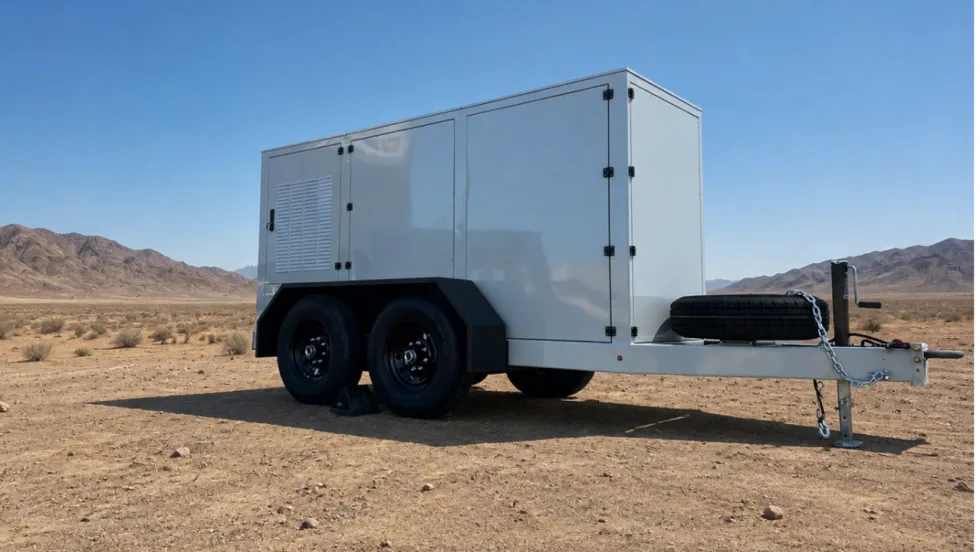
Xos Hub Surpasses One Gigawatt-Hour of Energy Delivered in the Field
A single Xos Hub has surpassed one gigawatt-hour of energy across more than 33,600 charging sessions in the field, demonstrating performance that supports Xos' expansion across new products and markets.
Read More →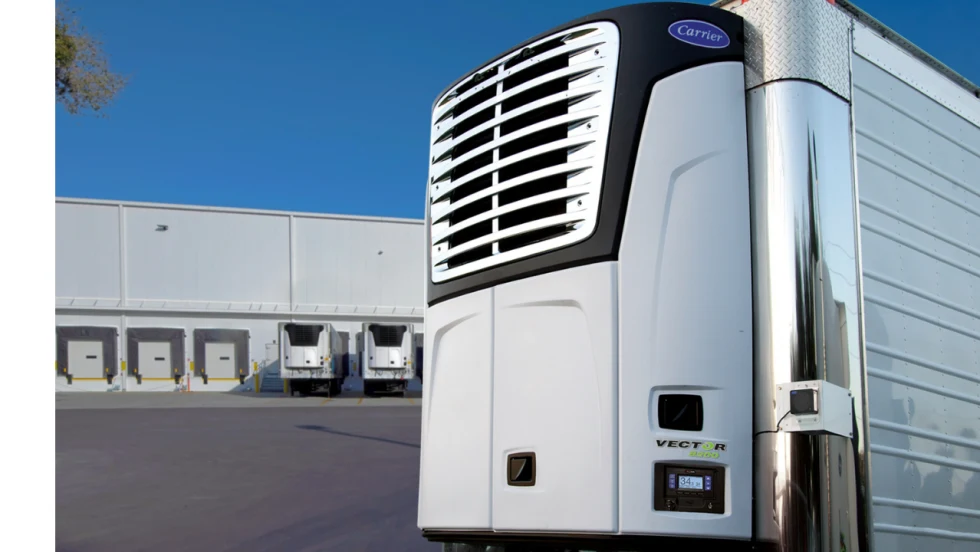
Carrier Transicold Launches All-Electric Vector 8200 TRU for Diesel-Free On-Site Cold Storage
Carrier Transicold’s first engineless multi-temperature TRU helps fresh- and frozen-food fleets add supplemental cold storage capacity during seasonal peaks.
Read More →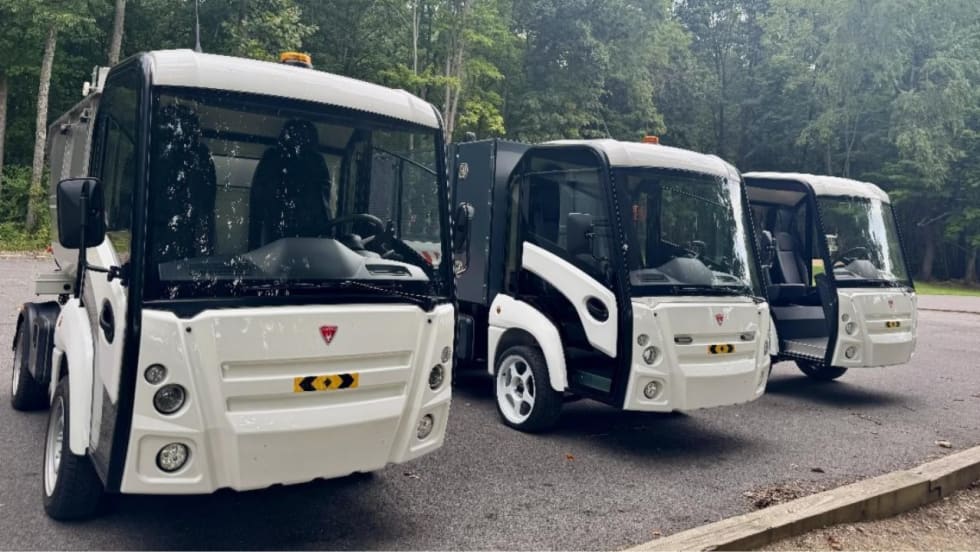
Narro Trucks Introduces Electric Utility Vehicle
Narro Trucks officially launched its operations on Aug. 20 and hosted a ride and drive to showcase its electric truck, which will be produced in Virginia.
Read More →
Samsung SDI Takes Full Control of GM Battery JV as Indiana Plant Pivots to Energy Storage
Samsung SDI is taking full control of its Indiana battery plant with GM, marking a major shift from the EV-focused joint venture Charged Fleet first covered in 2023.
Read More →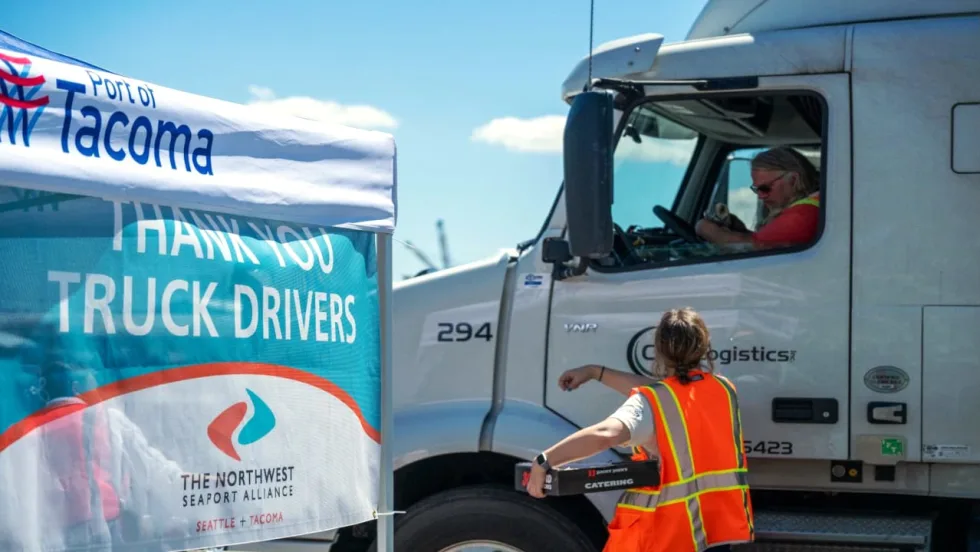
NWSA Taps CALSTART to Administer Zero-Emission Drayage Assistance Program
CALSTART will provide free technical assistance services to drayage fleets serving the Ports of Seattle and Tacoma and looking to transition to cleaner technologies and help decarbonize freight hubs.
Read More →
EV Fleet Reality Check: What Operators Wish They Knew Before Electrifying Their Work Vans
Electric work truck upfits bring new compatibility questions. Learn how parts availability, OEM guidance, power demands, and route planning can affect fleet performance.
Read More →
Peterbilt Expands Sourcewell Partnership with Electric Vehicle Lineup
Peterbilt Motors Company’s cooperative purchasing agreement with Sourcewell and its Canadian partner, Canoe Procurement Group, now includes including Peterbilt's battery-electric vehicle lineup.
Read More →