




Related: Understanding Effects of Payload and Towing on Commercial EV Range
4 Steps to Prepare for Commercial Vehicle Electrification
The first wave of commercial electric trucks and vans are coming. Fleets looking to electrify first need to research and invest in charging infrastructure, understand the new technologies, and seek out adoption incentives.
by Diana Holland
May 4, 2021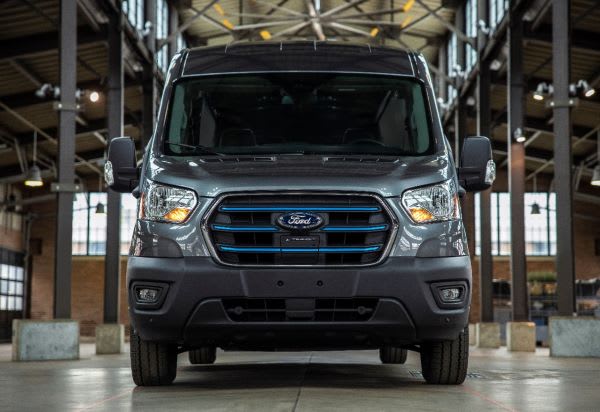
Electric trucks and vans such as the Ford E-Transit will revolutionize fleet, if operators understand how to prepare.
Photo courtesy of Ford.
4 min to read
- Fleets need to research and invest in charging infrastructure for electric trucks and vans.
- Understanding new electric vehicle technologies is crucial for effective fleet electrification.
- Seeking out adoption incentives can support the transition to commercial vehicle electrification.
*Summarized by AI
It’s no secret that technology within the van and truck industry has drastically evolved — and now, one of the top trends making headlines is the electrification of fleets. Not only will electric vehicles reduce the transportation industry’s negative effects on the environment, but they can also serve as a cost-effective option that saves fleet managers money in the long run.
Let’s explore the ins and outs of electric fleet design and how to prepare for fleet electrification.
Global Electric Vehicle Trends
Auto companies around the world are expected to spend $185 billion on the development of new electric vehicles. In addition to more funding dedicated to electrical vehicle development, the consumer mindset surrounding these technologically advanced vehicles has evolved, too.
While COVID-19 hit the market hard with a 25% decline in electric vehicle purchases in the first three months of 2020, by February of 2021 EV sales grew 40% year over year. This is due to technological advances, including better batteries, and the expansion of charging stations.
In addition, President Biden has called on the U.S. to transition the economy “away from the oil industry,” a movement whose success depends upon electrical transportation. This is due to the fact that almost three-quarters of the oil consumption in the United States in 2019 came from road transportation. The answer? Electric vehicles that can transport goods.
Advances in Electric Fleet Vehicle Design
If you’re looking to learn about fleet design innovation, turn to none other than General Motors, which earlier this year launched BrightDrop, its new EV delivery business unit.
BrightDrop is focused entirely on providing commercial customers with all of the necessary vehicles, equipment and services to electrify their delivery fleets. Their first products, the EV600, a fully electric delivery van built using GM’s new Ultium EV platform, and the EP1, an electrified palette, are slated to be produced later in 2021.
Ford is slated to introduce the new electric Transit van later this year that boasts “whisper-quiet powertrain and zero emissions.”
Benefits of Electric Vehicles
There are a number of reasons why it makes sense for fleet managers to explore electric vehicle options. Some of the major electric vehicle benefits include:
- Reducing pollution and emissions
- Saving money (since there are no fuel expenses and significantly less maintenance costs)
- A responsive vehicle with good torque
- Digitally connected vehicles
How to Prepare for Fleet Electrification
So, what are the next steps? Here are some helpful tips as you explore adding electric vehicles to your fleet.
- Research, research, research. Do your homework, and explore the most cost-effective and efficient electric vehicle to bring into your fleet. For example, the U.S. Department of Energy provides a variety of resources, including information on finding electric vehicle models, vehicle charging, fuel costs, and more. A reputable fleet management company may also have a helpful resource center.
- Invest in charging infrastructure. States and policymakers have started investing in electric vehicle charging infrastructure; New York recently approved a $701 million program to construct charging stations, and the California Public Utilities Commission has allocated $437 million for 40,000 electric vehicle charging stations.
- Keep up to date on technology. Electric vehicle technology is constantly improving, which means it might make more sense to lease instead of buy. Resources like InsideEVs offer the latest industry information.
- Seek adoption incentives. Incentives range from HOV lane access and reduced electricity rates to rebates on charging infrastructure and tax credits on EV purchases. Enel X maintains a webpage where you can search for incentives based on your zip code. Some utilities will work directly with fleets to better manage their charging, while others are running “make ready” programs which cover all of the costs of increasing depot electrical capacity up to the meter.
At the end of the day, it’s always best to research your options before investing in electric vehicles. But know that the future of fleet transportation will start moving to electric because of the environmental impacts. In fact, in 2018, 28% of U.S. greenhouse gas emissions came from transportation.
Fleet managers are answering the sustainable call and are starting to commit to electric fleets — for the good of the environmental and their bottom line.
About the Author: At the time of publication, Diana Holland served as vice president of strategic pursuits at Merchants Fleet.
Quick Answers
Investing in charging infrastructure is crucial for ensuring that electric fleets are operational and can be charged efficiently. Without sufficient charging facilities, electric vehicles may face downtime and operational disruptions.
*Summarized by AI
Topics:Merchants FleetCommercial Electric VehiclesFederal IncentivesElectric TruckselectrificationSustainabilitySmall Fleet
Originally posted on Automotive Fleet
Subscribe to Our Newsletter
More Sustainability
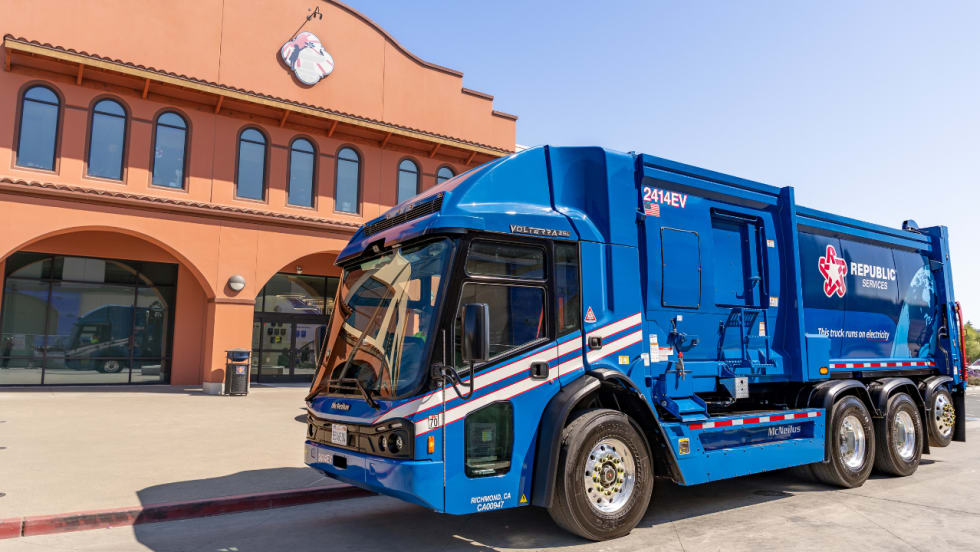
What Republic Services Learned Moving Electric Trucks Beyond the Pilot
With 250 electric refuse trucks now in service, Republic Services is learning that scaling a new powertrain depends as much on routes, drivers, technicians, and daily operations as it does on the truck itself.
Read More →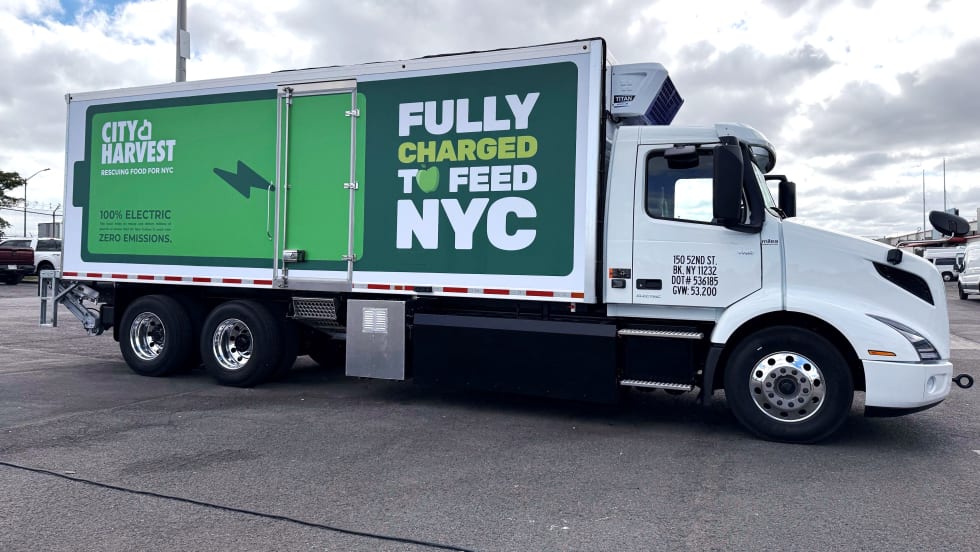
City Harvest Begins Using Volvo VNR Electric Trucks to Rescue Food Across New York City
Volvo Trucks North America and the Bronx Is Breathing project team handed over three new Volvo VNR Electric trucks to City Harvest, which will use the trucks to rescue and deliver food throughout the Bronx and across all five boroughs of New York.
Read More →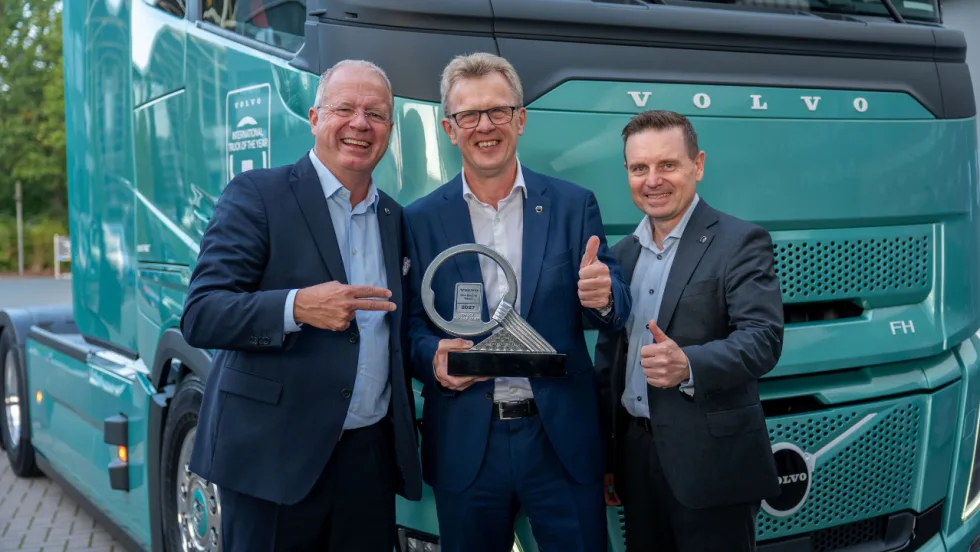
Volvo Trucks Wins International Truck of the Year 2027 for its Global Electric Range
Volvo Trucks' global heavy-duty electric range has been named International Truck of the Year 2027. Since 2019, more than 7,000 electric Volvo trucks have driven more than 310 million miles worldwide.
Read More →


Fleet Forward Conference Introduces One-Day Passes for 2026
New one-day registration gives fleet professionals the flexibility to attend Tuesday, Wednesday, or Thursday, with passes available for $199 through Sept. 18.
Read More →
CALSTART Rebrands as Catalyst Mobility, Will Combine with Forth in 2027
CALSTART has rebranded as Catalyst Mobility and will combine with Forth at the start of 2027. The new organization said it is poised to become one of the world's largest, strongest, and most impactful clean transportation nonprofits.
Read More →
Electric Truck and Charging Programs to Boost Sustainability at NY & NJ Ports
Together, the Port Authority of New York and New Jersey and CALSTART will electrify drayage and terminal operations serving the East Coast’s busiest container port. A pair of incentive programs totaling $45 million has launched to accelerate adoption of zero-emission drayage trucks and terminal tractors.
Read More →
The Smart Way to Build a Mixed-Energy Fleet Isn’t About Picking a Side
Mixed-energy fleets aren’t about picking a winning fuel. Sarah Booth of WEX explains how vehicle data, duty cycles, charging strategy, and real-world costs can help fleets choose the right energy source for each job.
Read More →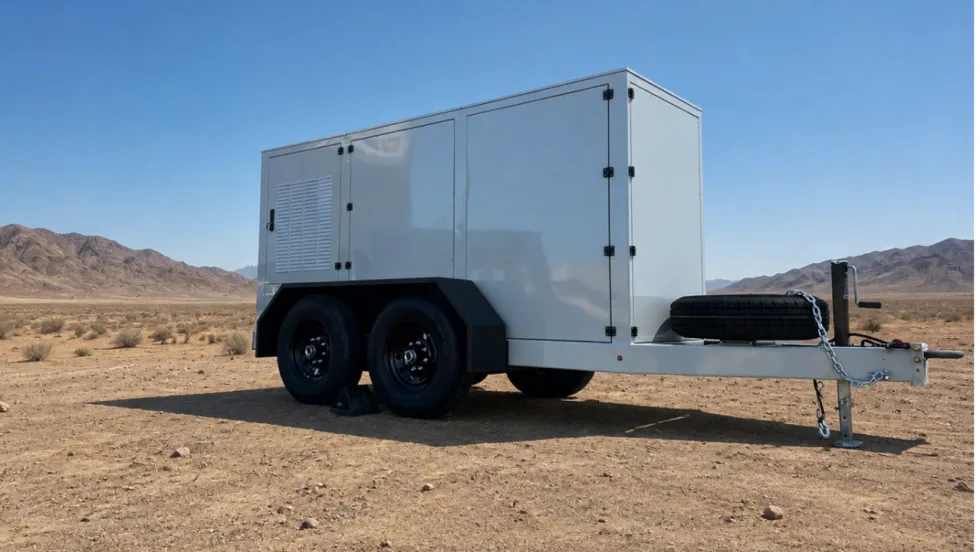
Xos Hub Surpasses One Gigawatt-Hour of Energy Delivered in the Field
A single Xos Hub has surpassed one gigawatt-hour of energy across more than 33,600 charging sessions in the field, demonstrating performance that supports Xos' expansion across new products and markets.
Read More →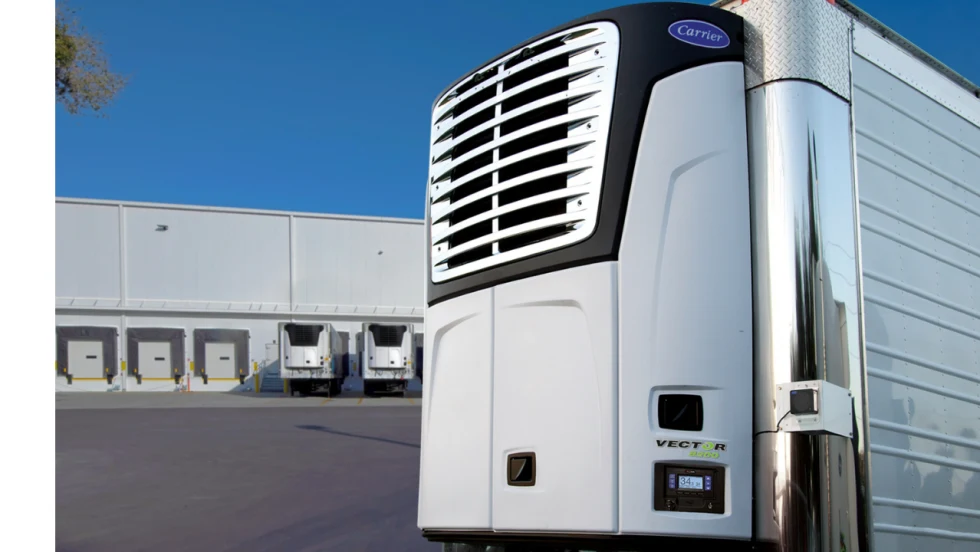
Carrier Transicold Launches All-Electric Vector 8200 TRU for Diesel-Free On-Site Cold Storage
Carrier Transicold’s first engineless multi-temperature TRU helps fresh- and frozen-food fleets add supplemental cold storage capacity during seasonal peaks.
Read More →
Narro Trucks Introduces Electric Utility Vehicle
Narro Trucks officially launched its operations on Aug. 20 and hosted a ride and drive to showcase its electric truck, which will be produced in Virginia.
Read More →