





Related news: Three Clean Tech Predicdtions for the 2020s
Sales Growing for Zero Emissions Vehicles
A report finds widening markets for electric cars, buses and trucks despite the global pandemic.
April 20, 2021
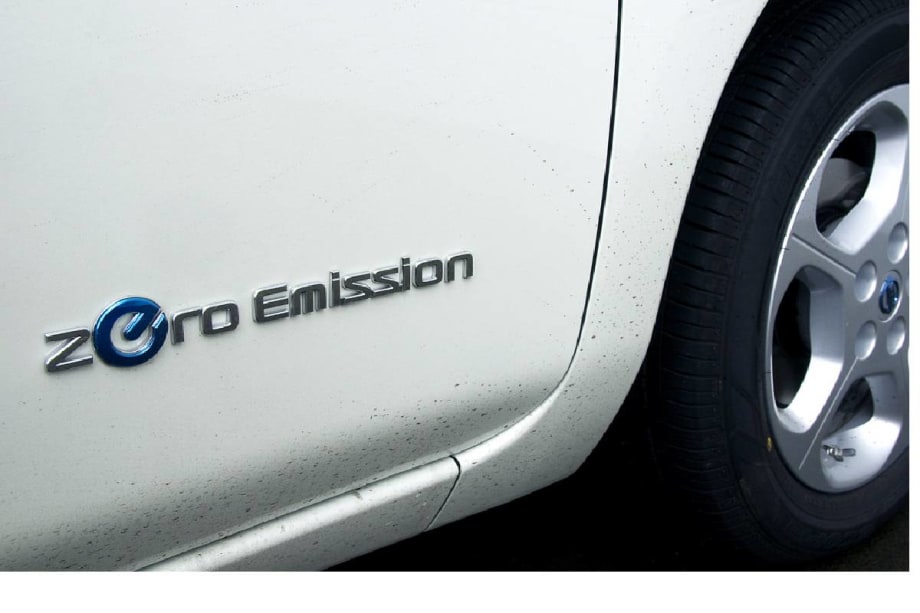
In the U.S., electric vehicle sales grew 4% while overall car sales decreased 15%.
Photo: Oregon Department of Transportation
3 min to read
U.S. and global markets for electric cars, freight trucks and busesgrew last year in spite of the pandemic – one of many signs of robust enthusiasm for zero-emission vehicles, according to a new report commissioned by Environmental Defense Fund. M.J. Bradley and Associates released the fourth update of its Electric Vehicle Market Status Report on April 20.
“Manufacturers, consumers, and major fleets are continuing to embrace zero-emission cars, freight trucks and buses, even in an intensely difficult year, said Peter Zalzal, EDF associate vice president of clean air strategies, in a press release. “Zero emitting vehicles are clearly the future of transportation. Today’s strong markets and rapid innovation, combined with protective standards for both cars and freight trucks and buses, will allow us to cut climate and health-harming pollution, create new jobs, and save American families money.”
EDF began commissioning the reports in May 2019 to track the current status and projected growth of the electric vehicle industry. The latest update finds that despite the pandemic, sales of electric vehicles grew from 2019 to 2020 in many places around the world while car sales shrank overall:
In the U.S., electric vehicle sales grew 4% while overall car sales decreased 15%
In Europe, electric vehicle sales increased 135% while overall car sales decreased 24%
Overall, global electric vehicle sales increased 46%
Other key developments for zero-emission vehicle markets since the last update in January include:
President Biden’s newly-released American Jobs Plan calls on Congress to invest $621 billion in transportation infrastructure and resilience, including a $174 billion investment to “win the EV market.”
Virginia became the 13th state and the first in the South to adopt California’s low-emissions vehicle and zero-emissions vehicle standards.
Ford announced it would commit $22 billion to electrification – almost twice its previous pledge – and said its entire European passenger vehicle line would be electric or hybrid in five years, by mid-2026.
General Motors set a goal to eliminate tailpipe emissions from new cars by 2035. GM also announced that Chevy will produce an electric Silverado pickup at its Detroit plant.
Volvo announced it would be a fully electric car company by 2030, and would phase out any car in its global portfolio with an internal combustion engine, including hybrids.
LG Energy Solution announced it will invest more than $4.5 billion by the end of 2025 to expand its battery production in the U.S. That could create as many as 10,000 new jobs.
The Montgomery County Public School district in Maryland – one of the largest in the country, with 160,000 students – committed to electrify its 1,400 school buses.
FedEx announced that its entire parcel pickup and delivery fleet will be zero–emission electric vehicles by 2040.
You can read the full report here.
Originally posted on Charged Fleet
More Green Fleet

Fleet Forward Conference Introduces One-Day Passes for 2026
New one-day registration gives fleet professionals the flexibility to attend Tuesday, Wednesday, or Thursday, with passes available for $199 through Sept. 18.
Read More →
CALSTART Rebrands as Catalyst Mobility, Will Combine with Forth in 2027
CALSTART has rebranded as Catalyst Mobility and will combine with Forth at the start of 2027. The new organization said it is poised to become one of the world's largest, strongest, and most impactful clean transportation nonprofits.
Read More →
Electric Truck and Charging Programs to Boost Sustainability at NY & NJ Ports
Together, the Port Authority of New York and New Jersey and CALSTART will electrify drayage and terminal operations serving the East Coast’s busiest container port. A pair of incentive programs totaling $45 million has launched to accelerate adoption of zero-emission drayage trucks and terminal tractors.
Read More →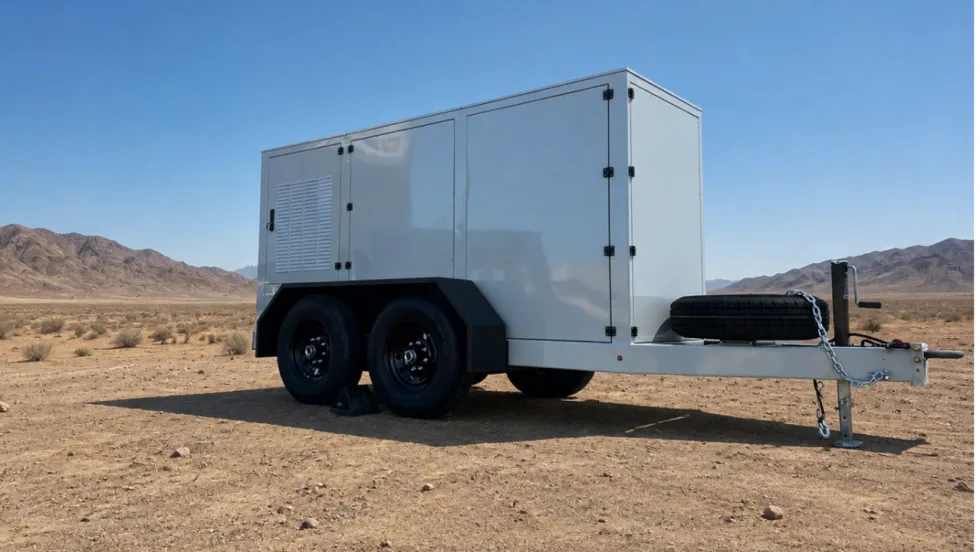
Xos Hub Surpasses One Gigawatt-Hour of Energy Delivered in the Field
A single Xos Hub has surpassed one gigawatt-hour of energy across more than 33,600 charging sessions in the field, demonstrating performance that supports Xos' expansion across new products and markets.
Read More →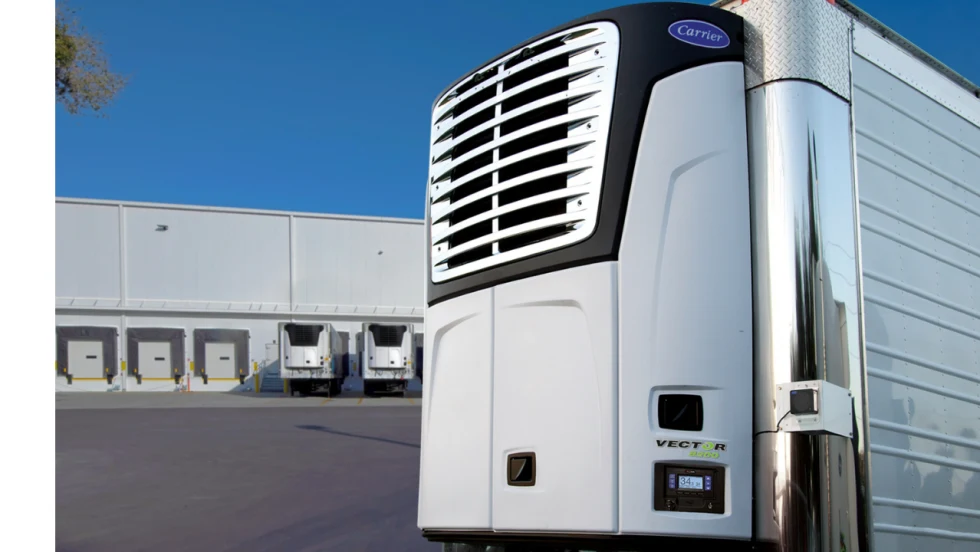
Carrier Transicold Launches All-Electric Vector 8200 TRU for Diesel-Free On-Site Cold Storage
Carrier Transicold’s first engineless multi-temperature TRU helps fresh- and frozen-food fleets add supplemental cold storage capacity during seasonal peaks.
Read More →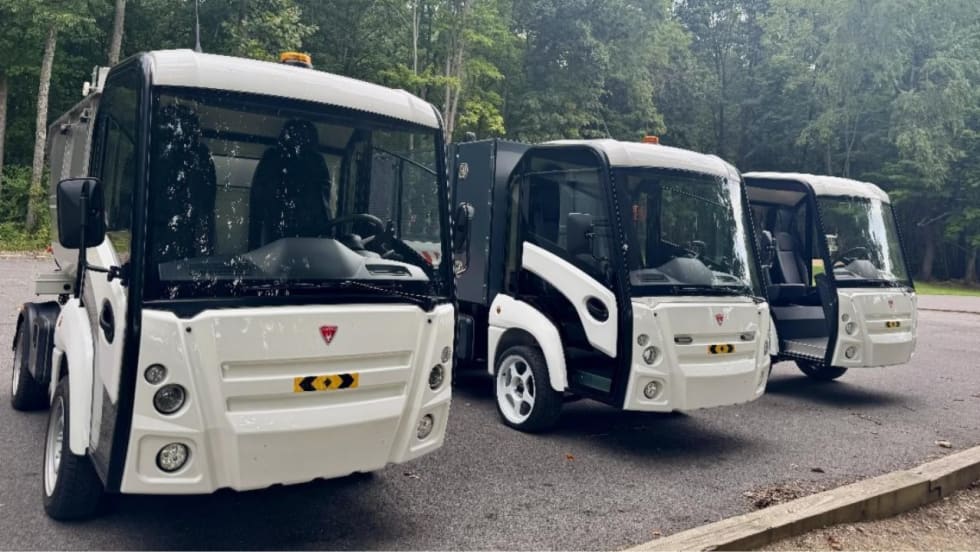
Narro Trucks Introduces Electric Utility Vehicle
Narro Trucks officially launched its operations on Aug. 20 and hosted a ride and drive to showcase its electric truck, which will be produced in Virginia.
Read More →
Samsung SDI Takes Full Control of GM Battery JV as Indiana Plant Pivots to Energy Storage
Samsung SDI is taking full control of its Indiana battery plant with GM, marking a major shift from the EV-focused joint venture Charged Fleet first covered in 2023.
Read More →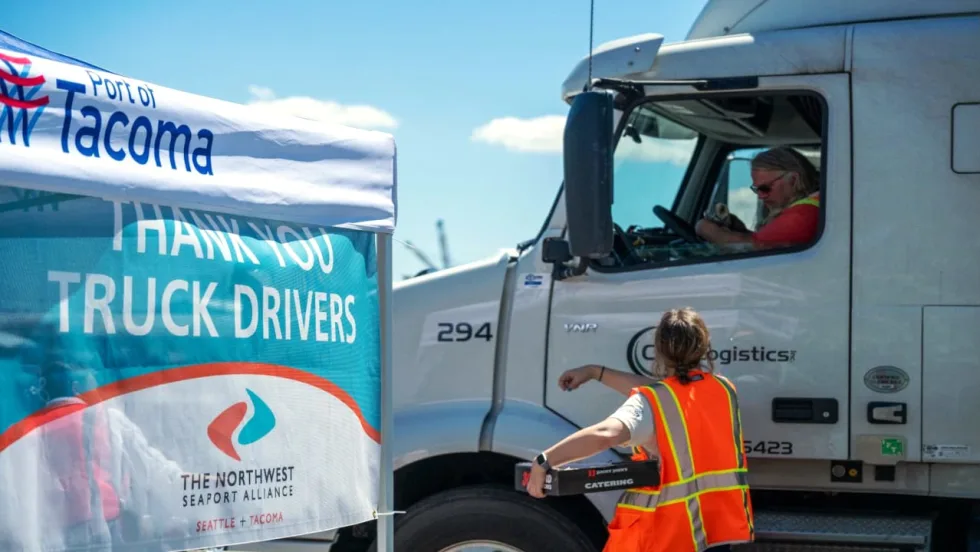
NWSA Taps CALSTART to Administer Zero-Emission Drayage Assistance Program
CALSTART will provide free technical assistance services to drayage fleets serving the Ports of Seattle and Tacoma and looking to transition to cleaner technologies and help decarbonize freight hubs.
Read More →
EV Fleet Reality Check: What Operators Wish They Knew Before Electrifying Their Work Vans
Electric work truck upfits bring new compatibility questions. Learn how parts availability, OEM guidance, power demands, and route planning can affect fleet performance.
Read More →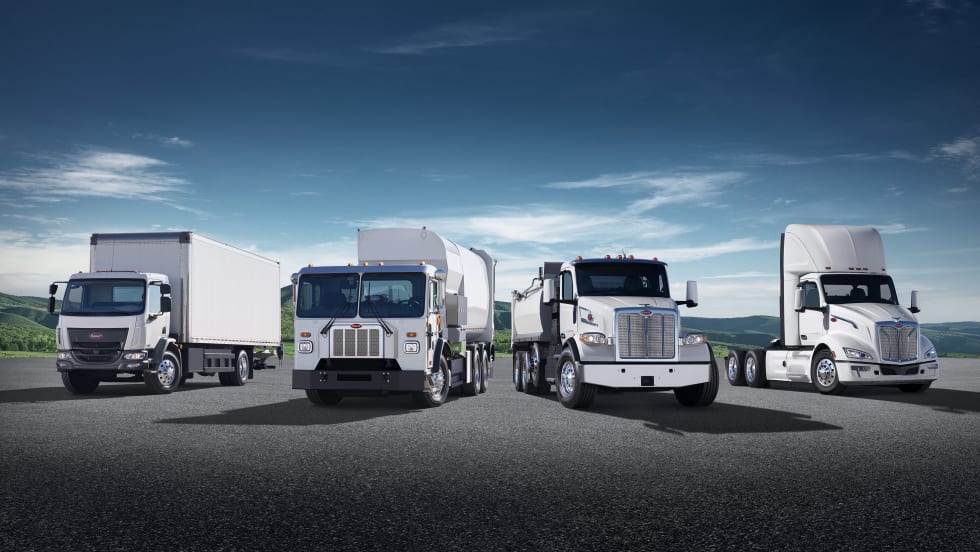
Peterbilt Expands Sourcewell Partnership with Electric Vehicle Lineup
Peterbilt Motors Company’s cooperative purchasing agreement with Sourcewell and its Canadian partner, Canoe Procurement Group, now includes including Peterbilt's battery-electric vehicle lineup.
Read More →