Work Truck Logo
MenuMENU
SearchSEARCH

How Fleet Managers Can Better Prepare For Electric Vehicles

A study finds managers underestimate the complexity of transitioning to EVs at scale and need to plan and prepare for it now.

by Charged Fleet Staff
February 8, 2021
How Fleet Managers Can Better Prepare For Electric Vehicles


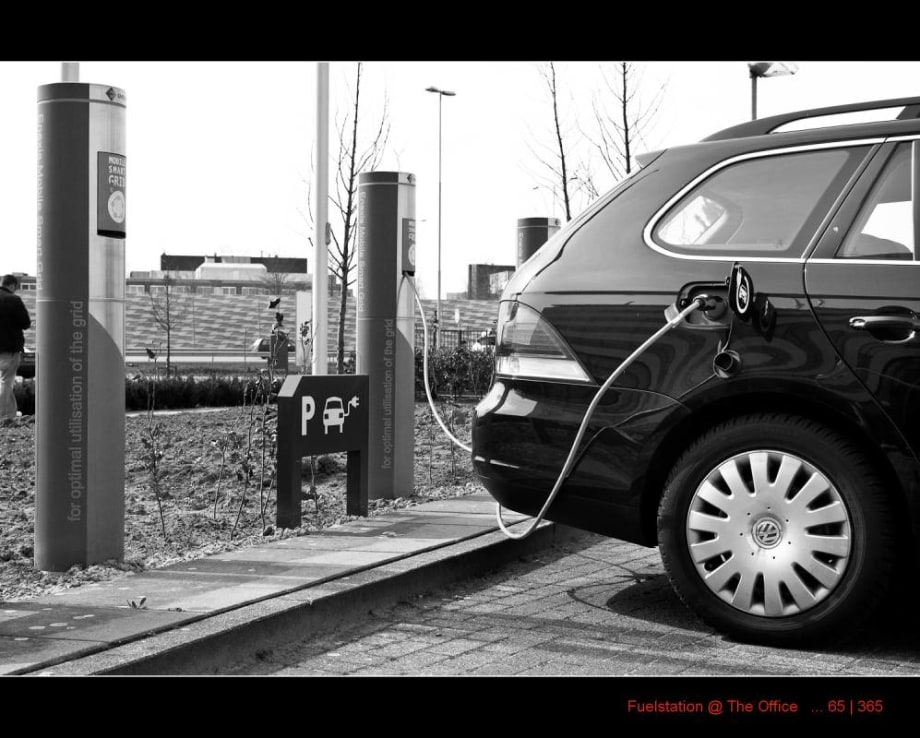
Photo: Flickr.com photo by Maarten Takens (CC BY-SA 2.0 license)

4 min to read


Steep Climb Ahead — How Fleet Managers Can Prepare for the Coming Wave of Electrified Vehicles offers a comprehensive assessment of how major US fleet managers are approaching the electrification of their fleets, according to a recent press release. It is based on RMI’s survey of 91 fleet managers operating large fleets, as well as 18 in-depth interviews conducted with fleet managers representing a cross-section of fleet types, including cities and states, utilities, universities, corporations, and delivery services. The report also explores the current landscape of electric vehicles and charging infrastructure, and identifies what will be required to scale up EV adoption.

Ad Loading...

“Electrifying fleets represents the biggest near-term opportunity to drive EV adoption with large buyers and cut transportation emissions,” said Britta Gross, the managing director of RMI’s Carbon Free Mobility program. “And the sheer size of these fleets can be leveraged to remove market barriers and drive down costs that are hampering electrification across all transportation sectors. In Steep Climb Ahead, our aim is to prepare these fleets for the challenges ahead, because their success is key to the widespread adoption of EVs.”

Ad Loading...

The survey found that most fleet managers expect to adopt electric models for the majority of their light-duty cars, trucks, and SUVs over the next decade. Most organizations have committed to reducing their carbon emissions by preferentially choosing EVs for new vehicle purchases where they are deemed to be suitable for a given use case and duty cycle. Light-duty passenger vehicles are ready for electrification now. Suitable electric models of pickup trucks and heavier vehicles will be available in the next two to five years.

However, few organizations are currently equipped to understand and account for the actual costs of owning and operating EVs, or to compare those costs accurately to their existing fleets of conventional internal combustion engine vehicles.

Although many fleets have already implemented pilot programs, electrifying a fleet at scale involves much more than just adding more EVs and chargers incrementally. For many organizations, it will mean restructuring their internal business processes, including procurement, accounting, long-term capital project planning, fiscal budgeting, operations, and more. It will also require a more extensive relationship with their local utilities, more proactive involvement with city and county officials, and a cohesive, integrated strategy across an organization, from the C-suite to individual organizational units.

Other key findings from the survey and interviews include:

  • Procuring EVs is the easy part of electrification. As fleets begin to operate more EVs, scaling up charging infrastructure to accommodate higher rates of charge from more expensive chargers in far more complex installations will quickly become the most significant organizational challenge.

  • Fleets must engage with their local utilities as early as possible, especially for charging infrastructure at large fleet depots, truck stops, and fleet yards with medium- and heavy-duty trucks. The power requirements of these vehicles can be substantial. Installation may require planning by both the utility and fleet operator years in advance.

  • Fleet managers may have unrealistic expectations about being able to use public chargers opportunistically or install only slow Level 2 chargers. At scale, many fleets will need to deploy direct current fast charging (DCFC), which is much more costly to build and operate.

  • At scale, managing the charging of vehicles around their duty cycles takes concerted effort and is not a trivial task. Fleet managers should expect to prepare detailed operational plans for building charging infrastructure and managing charging, or consider outsourcing this to “charging-as-a-service” providers.

  • Many organizations must also consider how to prepare for grid power disruptions. Depending on the fleet, backup power requirements could be very substantial, and installing the requisite capacity could be complex.

Ad Loading...

Ultimately, the RMI researchers find that fleet electrification will be worth the cost and effort. Done right, fleet electrification can result in significant cost savings for all fleet operators and across all vehicle classes, and be the primary pathway for organizations of all kinds and sizes to significantly reduce their carbon footprints and use energy more efficiently. Done badly, it can be a series of very costly errors. But avoiding electrification isn’t an option. Thanks to increasingly stringent restrictions on vehicle emissions, as well as the ongoing retooling of the global vehicle manufacturing industry to produce electric vehicles, electrification is coming to all fleets, whether they are ready for it or not.


About Rocky Mountain Institute

Rocky Mountain Institute (RMI) — an independent nonprofit founded in 1982—transforms global energy use to create a clean, prosperous, and secure low-carbon future. It engages businesses, communities, institutions, and entrepreneurs to accelerate the adoption of market-based solutions that cost-effectively shift from fossil fuels to efficiency and renewables. RMI has offices in Basalt and Boulder, Colorado; New York City; Oakland, California; Washington, D.C.; and Beijing.

Originally posted on Charged Fleet

More Green Fleet

FFC one day pass announce
Green Fleetby StaffSeptember 15, 2026

Fleet Forward Conference Introduces One-Day Passes for 2026

New one-day registration gives fleet professionals the flexibility to attend Tuesday, Wednesday, or Thursday, with passes available for $199 through Sept. 18.

Read More →
Catalyst Mobility logo displayed over an image of an electric commercial truck connected to a charging station inside a facility.
Green Fleetby News/Media ReleaseSeptember 14, 2026

CALSTART Rebrands as Catalyst Mobility, Will Combine with Forth in 2027

CALSTART has rebranded as Catalyst Mobility and will combine with Forth at the start of 2027. The new organization said it is poised to become one of the world's largest, strongest, and most impactful clean transportation nonprofits.

Read More →
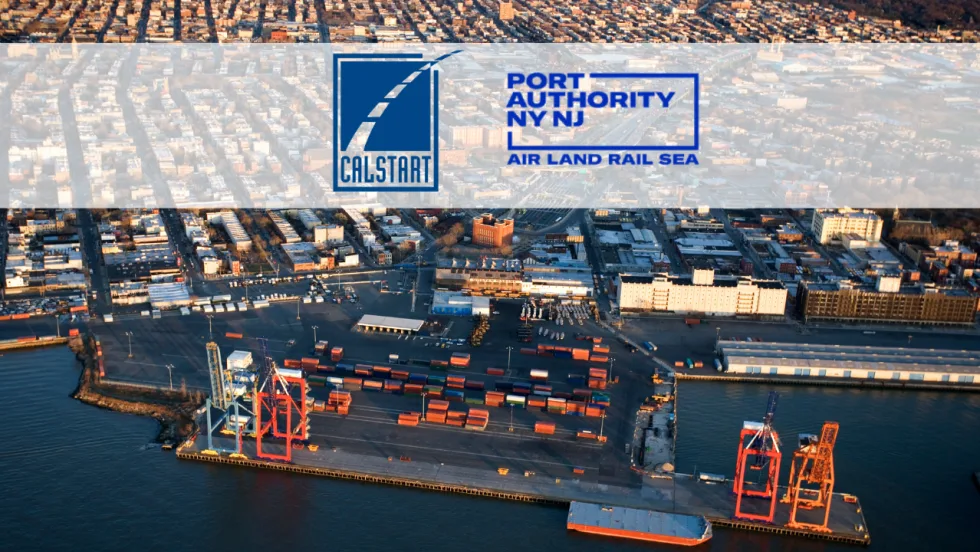
Aerial view of a New York-New Jersey port terminal with shipping containers and cranes, overlaid with CALSTART and Port Authority of NY & NJ logos.
Green Fleetby News/Media ReleaseSeptember 9, 2026

Electric Truck and Charging Programs to Boost Sustainability at NY & NJ Ports

Together, the Port Authority of New York and New Jersey and CALSTART will electrify drayage and terminal operations serving the East Coast’s busiest container port. A pair of incentive programs totaling $45 million has launched to accelerate adoption of zero-emission drayage trucks and terminal tractors.

Read More →
Ad Loading...
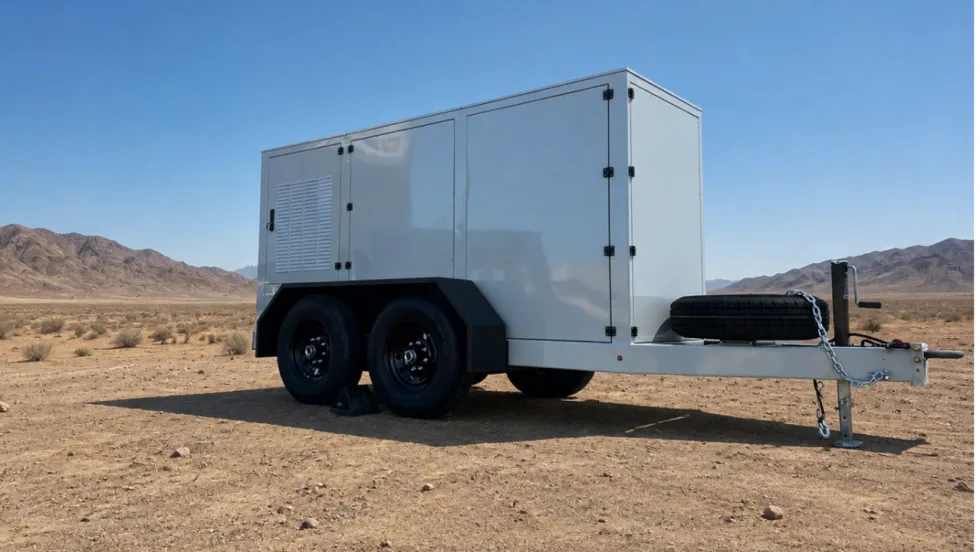
White dual-axle enclosed equipment trailer with side access doors and a spare tire, parked in a desert landscape with mountains in the background.
Green Fleetby News/Media ReleaseSeptember 2, 2026

Xos Hub Surpasses One Gigawatt-Hour of Energy Delivered in the Field

A single Xos Hub has surpassed one gigawatt-hour of energy across more than 33,600 charging sessions in the field, demonstrating performance that supports Xos' expansion across new products and markets.

Read More →
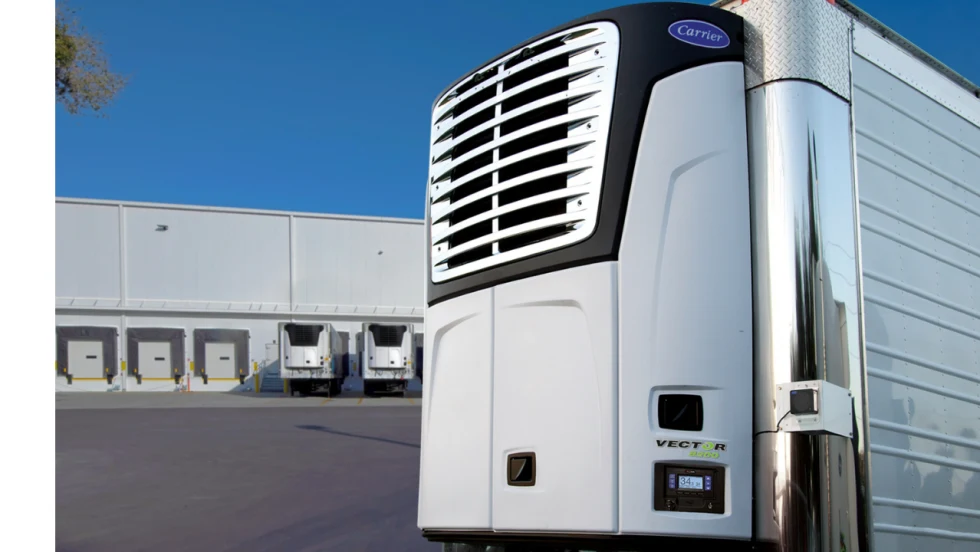
Carrier Transicold Vector 8200 refrigeration unit mounted on a refrigerated trailer outside a distribution facility with loading docks and additional refrigerated trucks.
Green FleetSeptember 1, 2026

Carrier Transicold Launches All-Electric Vector 8200 TRU for Diesel-Free On-Site Cold Storage

Carrier Transicold’s first engineless multi-temperature TRU helps fresh- and frozen-food fleets add supplemental cold storage capacity during seasonal peaks.

Read More →
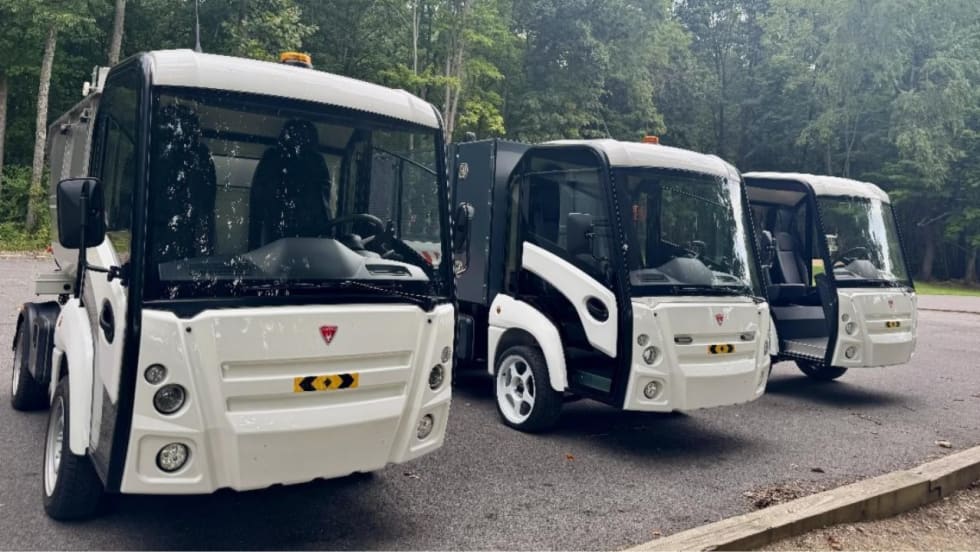
Three compact white utility trucks parked in a row on a paved lot, surrounded by trees, with large windshields, enclosed cabs, and amber warning lights.
Green Fleetby News/Media ReleaseAugust 21, 2026

Narro Trucks Introduces Electric Utility Vehicle

Narro Trucks officially launched its operations on Aug. 20 and hosted a ride and drive to showcase its electric truck, which will be produced in Virginia.

Read More →
Ad Loading...
GM logo above “Battery Plant Update” on a green energy-themed graphic with battery and sustainability icons.
Green Fleetby Lauren FletcherAugust 12, 2026

Samsung SDI Takes Full Control of GM Battery JV as Indiana Plant Pivots to Energy Storage

Samsung SDI is taking full control of its Indiana battery plant with GM, marking a major shift from the EV-focused joint venture Charged Fleet first covered in 2023.

Read More →
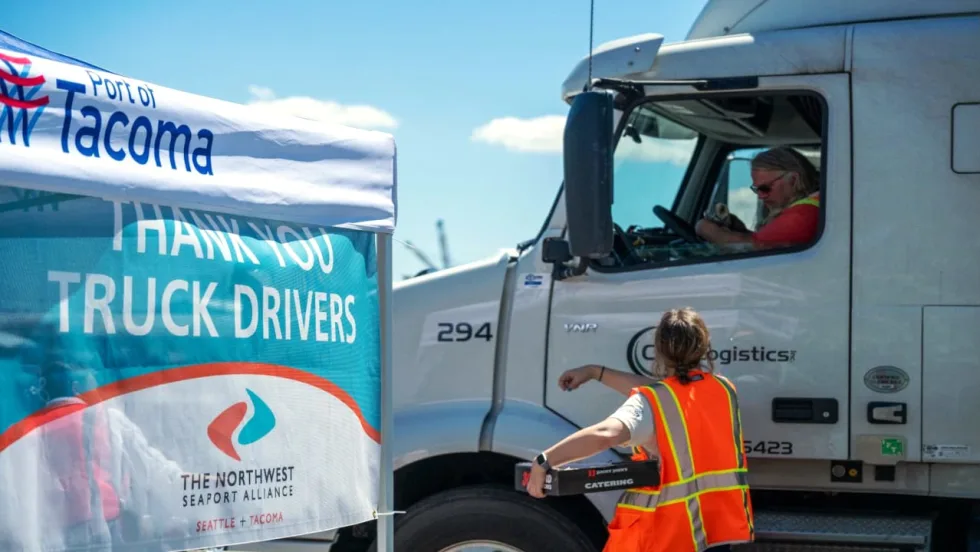
Port of Tacoma truck driver appreciation event, with a worker in a safety vest handing food to a semi-truck driver beside a “Thank You Truck Drivers” banner.
Green Fleetby News/Media ReleaseAugust 11, 2026

NWSA Taps CALSTART to Administer Zero-Emission Drayage Assistance Program

CALSTART will provide free technical assistance services to drayage fleets serving the Ports of Seattle and Tacoma and looking to transition to cleaner technologies and help decarbonize freight hubs.

Read More →
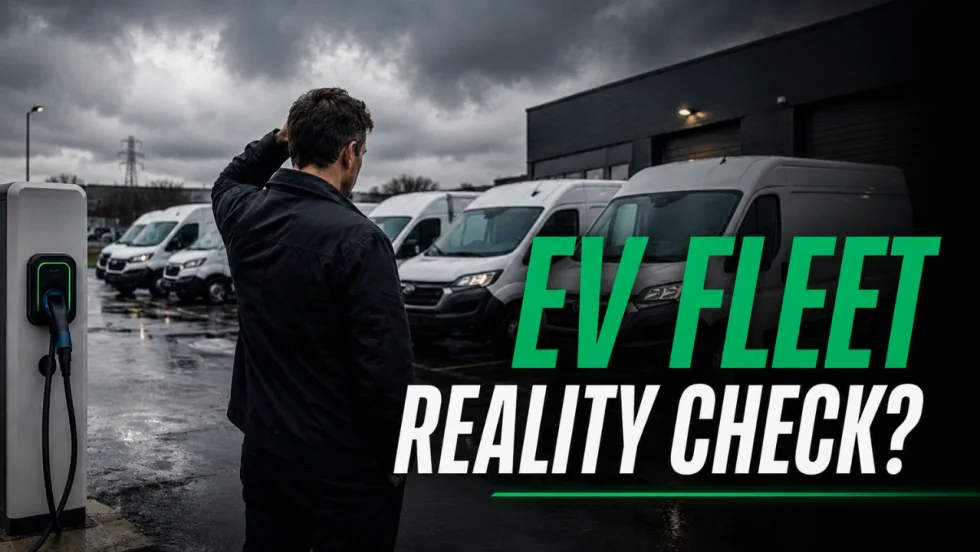
Fleet manager stands near an EV charging station and looks toward a row of white cargo vans in a rainy fleet yard. Text reads “EV Fleet Reality Check?”
Green FleetAugust 11, 2026

EV Fleet Reality Check: What Operators Wish They Knew Before Electrifying Their Work Vans

Electric work truck upfits bring new compatibility questions. Learn how parts availability, OEM guidance, power demands, and route planning can affect fleet performance.

Read More →
Ad Loading...
Create alt text for this image, 40 words or less.
Green Fleetby News/Media ReleaseAugust 4, 2026

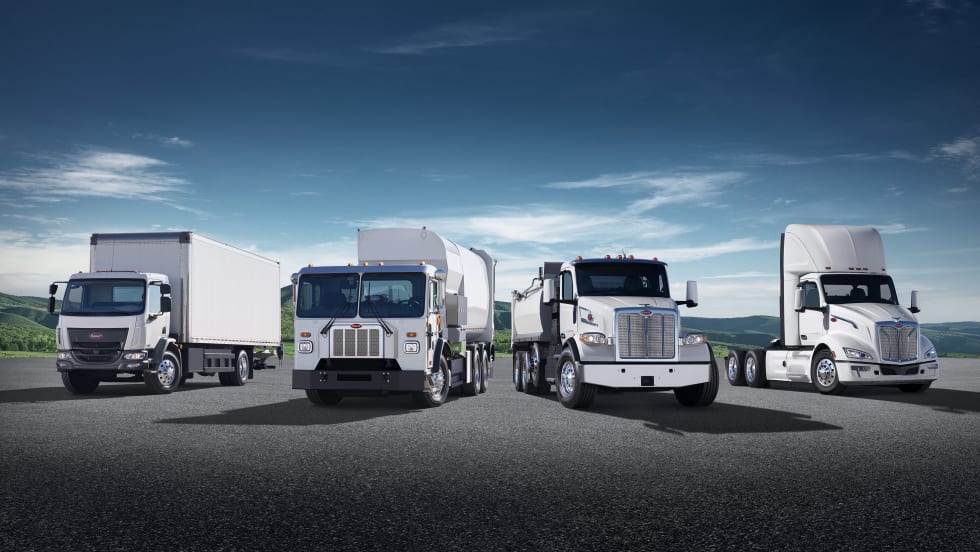
Peterbilt Expands Sourcewell Partnership with Electric Vehicle Lineup

Peterbilt Motors Company’s cooperative purchasing agreement with Sourcewell and its Canadian partner, Canoe Procurement Group, now includes including Peterbilt's battery-electric vehicle lineup.

Read More →