





Learn More: A California CEO Makes Three Clean Tech Predictions For The 2020s
California Speeds Up Plans For Its 100% ZEV Strategy
The plans are the linchpin of state efforts to realize the economic, climate, and environmental benefits of widespread zero-emission vehicle adoption.
February 1, 2021
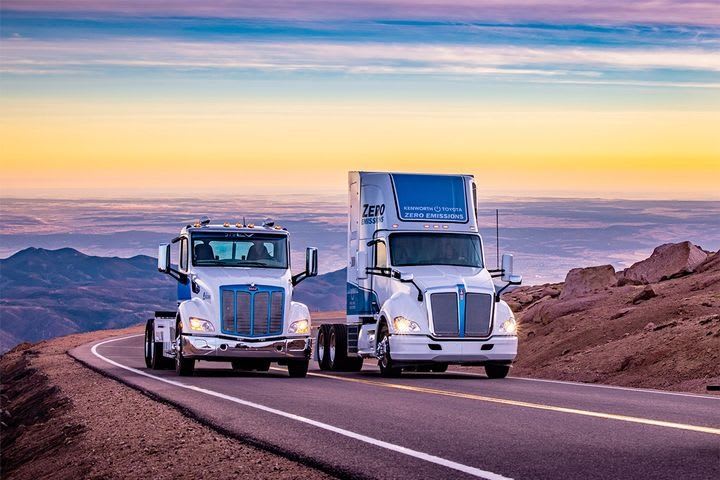
Zero-emission trucks are coming a long way in capability. A pair of Paccar zero-emission trucks — a Kenworth T680 fuel cell electric vehicle and a battery-electric Peterbilt Model 579EV — became the first heav-duty zero-emissions vehicles to drive to the 14,115-foot summit of Pikes Peak in Colorado.
Photo: Paccar
2 min to read
The Governor’s Office of Business and Economic Development (GO-Biz) Feb. 1 announced the publication of the Zero Emission Vehicle Market Development Strategy (ZEV Strategy), according to a state press release.
Developed in partnership with the Air Resources Board (CARB), Energy Commission (CEC), Public Utilities Commission (CPUC), State Transportation Agency (CalSTA), Department of Finance and other key state agencies, local agencies, and private sector stakeholders, the ZEV Strategy is meant to help accelerate the ZEV marketplace to deliver the climate and air quality benefits of zero-emissions to all Californians.
"California is creating an opportunity for cleaner air, better mobility, and strong economic recovery," Gov. Gavin Newsom said in a statement. "ZEVs have the potential to deliver on all of these goals while also helping to lead our economic recovery. That’s because our ZEV strategy is centered around our state’s most important asset: people."
In September 2020, Newsom issued an executive order with the following targets:
100% of in-state sales of new passenger cars and trucks will be zero-emission by 2035.
100% of medium- and heavy-duty vehicles in the state will be zero-emission by 2045 and by 2035 for drayage trucks.
100% of off-road vehicles and equipment will be zero-emission by 2035.
The transportation sector is responsible for nearly half of all of California’s carbon pollution, 80% of smog-forming pollution, and 95% of toxic diesel emissions. This newly announced ZEV Strategy outlines how state agencies and public and private market partners can move together with the scale and speed required to eliminate the need for combustion.
"We have long known why transitioning to ZEVs is a necessity," said Tyson Eckerle, deputy director of GO-Biz’s ZEV Market Development. "With Governor Newsom’s leadership, we have a shared target for when. The ZEV Strategy is about how. The effort is built around the innovative and collaborative spirit of California, and we look forward to continuing to work with our partners, learning and modifying as we go through time."
CARB Chair Liane M. Randolph said, "We can protect public health, meet federal air quality standards and clean up our most polluted communities by shifting the entire transportation sector to zero-emission technologies. The ZEV Strategy provides the roadmap for the crucial role of market development to electrify how we move people and goods."
Originally posted on Charged Fleet
More Green Fleet

Fleet Forward Conference Introduces One-Day Passes for 2026
New one-day registration gives fleet professionals the flexibility to attend Tuesday, Wednesday, or Thursday, with passes available for $199 through Sept. 18.
Read More →
CALSTART Rebrands as Catalyst Mobility, Will Combine with Forth in 2027
CALSTART has rebranded as Catalyst Mobility and will combine with Forth at the start of 2027. The new organization said it is poised to become one of the world's largest, strongest, and most impactful clean transportation nonprofits.
Read More →
Electric Truck and Charging Programs to Boost Sustainability at NY & NJ Ports
Together, the Port Authority of New York and New Jersey and CALSTART will electrify drayage and terminal operations serving the East Coast’s busiest container port. A pair of incentive programs totaling $45 million has launched to accelerate adoption of zero-emission drayage trucks and terminal tractors.
Read More →
Xos Hub Surpasses One Gigawatt-Hour of Energy Delivered in the Field
A single Xos Hub has surpassed one gigawatt-hour of energy across more than 33,600 charging sessions in the field, demonstrating performance that supports Xos' expansion across new products and markets.
Read More →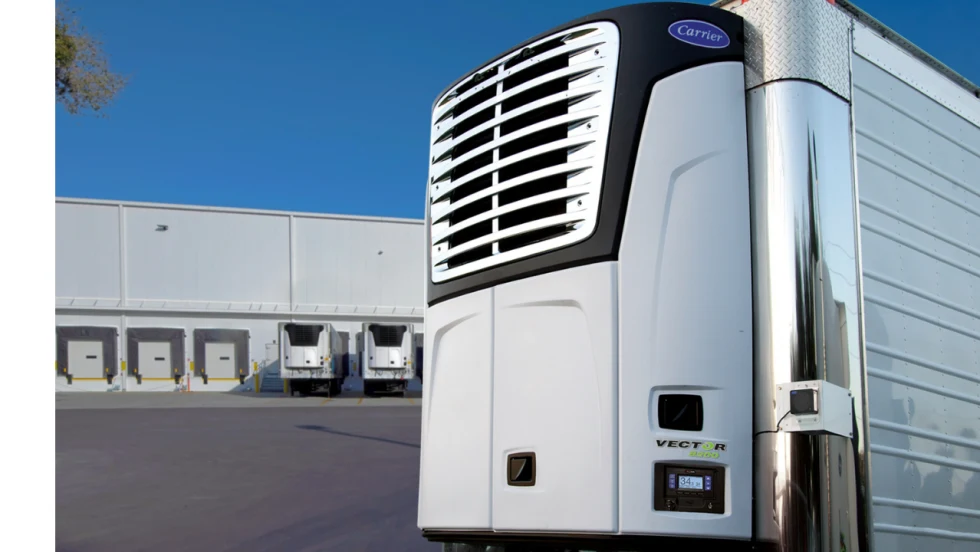
Carrier Transicold Launches All-Electric Vector 8200 TRU for Diesel-Free On-Site Cold Storage
Carrier Transicold’s first engineless multi-temperature TRU helps fresh- and frozen-food fleets add supplemental cold storage capacity during seasonal peaks.
Read More →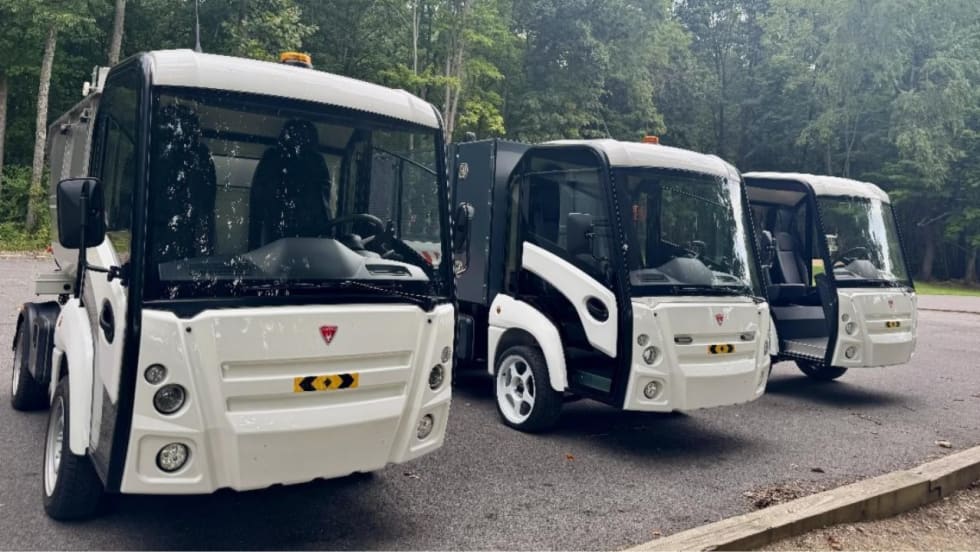
Narro Trucks Introduces Electric Utility Vehicle
Narro Trucks officially launched its operations on Aug. 20 and hosted a ride and drive to showcase its electric truck, which will be produced in Virginia.
Read More →
Samsung SDI Takes Full Control of GM Battery JV as Indiana Plant Pivots to Energy Storage
Samsung SDI is taking full control of its Indiana battery plant with GM, marking a major shift from the EV-focused joint venture Charged Fleet first covered in 2023.
Read More →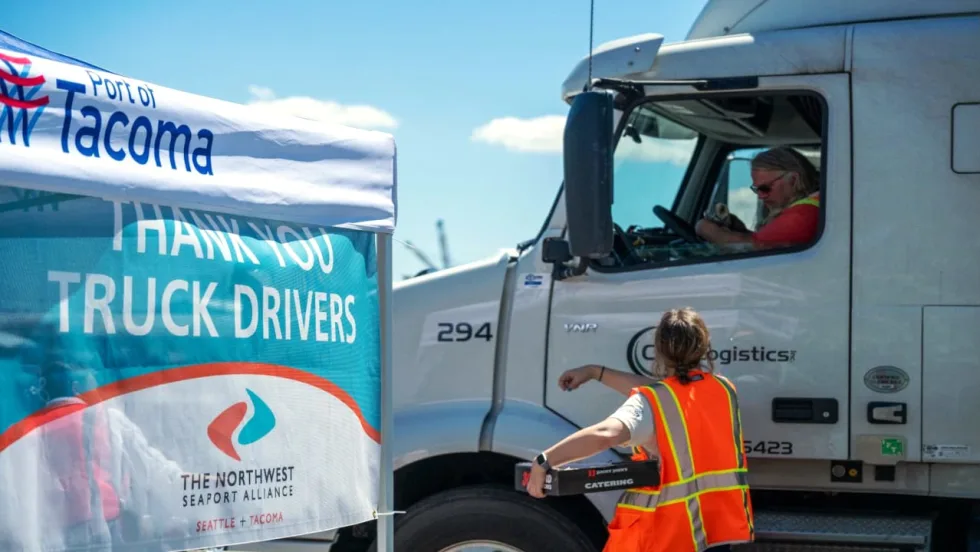
NWSA Taps CALSTART to Administer Zero-Emission Drayage Assistance Program
CALSTART will provide free technical assistance services to drayage fleets serving the Ports of Seattle and Tacoma and looking to transition to cleaner technologies and help decarbonize freight hubs.
Read More →
EV Fleet Reality Check: What Operators Wish They Knew Before Electrifying Their Work Vans
Electric work truck upfits bring new compatibility questions. Learn how parts availability, OEM guidance, power demands, and route planning can affect fleet performance.
Read More →
Peterbilt Expands Sourcewell Partnership with Electric Vehicle Lineup
Peterbilt Motors Company’s cooperative purchasing agreement with Sourcewell and its Canadian partner, Canoe Procurement Group, now includes including Peterbilt's battery-electric vehicle lineup.
Read More →