




Booster Fuels Expands to Washington, D.C.
Booster, a same-day fuel delivery service, has secured all the required permits and regulatory licenses to deliver gas and diesel in D.C. and Maryland.

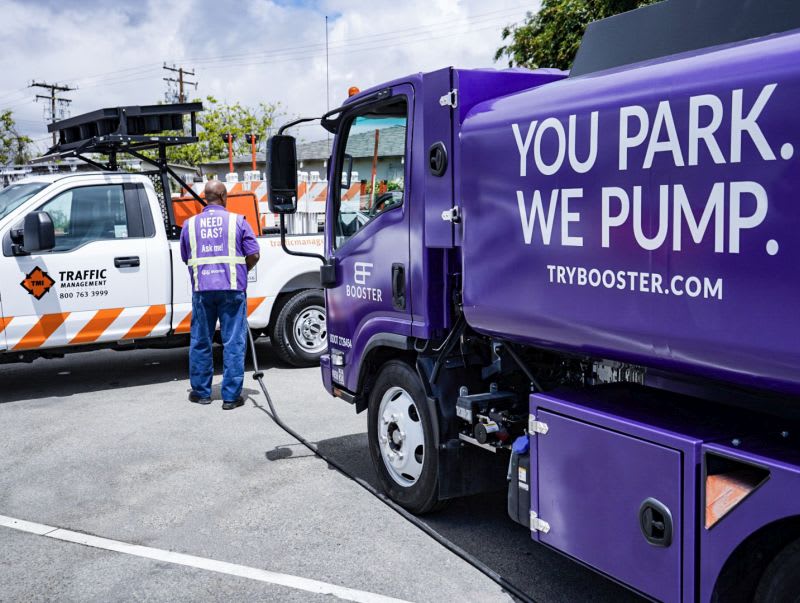
Booster has secured all the required permits and regulatory licenses to deliver gas and diesel in D.C. and Maryland.
Photo: Booster Fuels
Booster, a same-day fuel delivery service, has expanded to Washington, D.C. The expansion comes as essential services experience a significant increase in the need for contactless, clean mobile fuel on-demand (MFOD) to meet pandemic requests.
Since the start of the COVID-19 pandemic, Booster has experienced a 25 percent surge in fuel delivered to essential services, such as parcel delivery and logistics, food delivery and distribution, construction, and cleaning companies. Each of Booster’s fuel deliveries is more environmentally friendly than conventional fueling, reducing vehicle miles traveled and the associated CO2 - emissions. Additionally, the company’s nimble approach to the supply chain eliminates the need for underground fuel storage tanks and the threat to water supplies in the communities they serve.
“We are thrilled to establish an East Coast presence and launch operations in our nation’s capital,” said Frank Mycroft, Founder and CEO, Booster Fuels. “Given today’s state of affairs, mobile fuel on-demand has become even more essential for getting goods into the hands of people who need them most.”
D.C. is the most recent government permitting mobile fueling as the service grows in popularity. Earlier this year, mobile fueling permits and ordinances were passed by state governments in Maryland, Texas, and Washington as states rethink the future of cities and the innovative role MFOD plays. Booster helps cities eliminate the need to plan for gas stations and the environmental hazards and road congestion they bring.
Booster has been working with local regulators and fire departments to provide its mobile fueling service, often exceeding requirements for environmental quality and safety. The company has secured all the required permits and regulatory licenses to deliver gas and diesel in D.C. and Maryland.
Booster launches in D.C. with several new, local customers including Falcon Transport, Dutch Mill Catering, Reston Limousine, and Shorb Landscaping. With six local Booster employees, this office marks the company’s seventh major market following recent expansion to Dallas, Austin, Nashville, San Francisco, San Jose, and Seattle. In total, Booster has received permits to operate in more than 50 cities or counties across the U.S.
“We’re proud to support essential services and create good jobs by bringing contactless fueling to D.C and Maryland,” said Jordan Valdés, Booster’s D.C.-based Director of Public Affairs. “Our trained Service Professionals are committed to a level of service, safety, and transparency that sets a new standard in gas and diesel delivery.”
Booster’s fleet is made up of proprietary carbon-neutral purple mini tankers. Each mini-tanker fits in a regular-sized parking space and provides 100 percent contactless service. To date, the company has delivered more than 30 million gallons of fuel and works with more than 500 fleet customers across the U.S.
More Fuel

Precision Under Pressure: Why Modern Diesels Demand a New Fuel Maintenance Playbook
Modern diesel fuel systems leave little room for contamination, deposits, or old maintenance habits. See why today’s HPCR engines demand a more proactive approach to fuel quality, injector health, and DPF protection.
Read More →
Peterbilt Trucks Equipped with Paccar TX-18 Pro Boost Efficiency for Maryland Fleet
Patuxent Companies is replacing aging trucks with the Peterbilt Model 567 and Model 589, specified with the Paccar TX-18 Pro 18-speed automated transmissions, and is reporting an 8% to 10% improvement in fuel economy.
Read More →
The Smart Way to Build a Mixed-Energy Fleet Isn’t About Picking a Side
Mixed-energy fleets aren’t about picking a winning fuel. Sarah Booth of WEX explains how vehicle data, duty cycles, charging strategy, and real-world costs can help fleets choose the right energy source for each job.
Read More →

Ignoring This Dashboard Warning Could Cost Your Fleet Thousands in Fuel
New research suggests neglected diesel aftertreatment systems could waste up to $30 in fuel per vehicle each day. Here's why vocational fleets should pay attention.
Read More →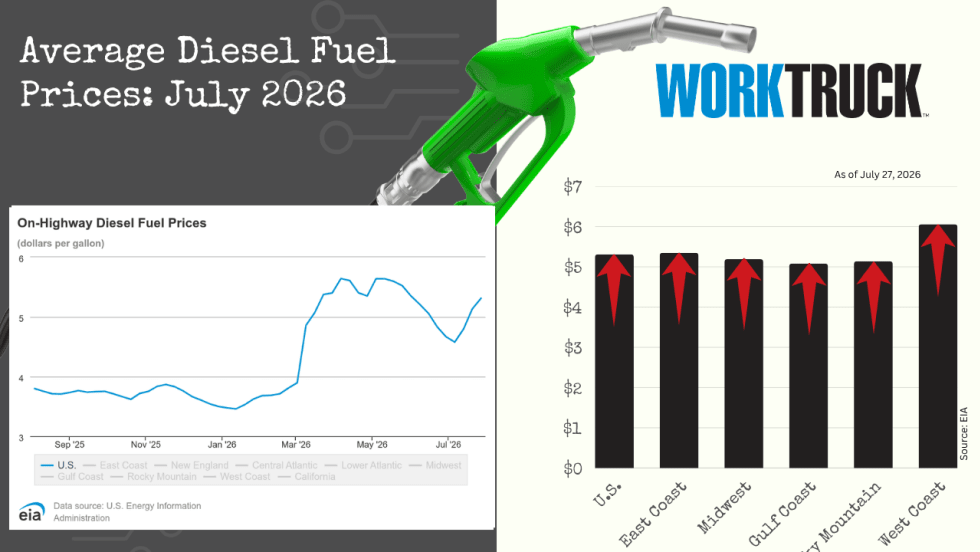
July Diesel Trends Update
The average price of a gallon of diesel increased again this week, and the EIA reported a new national average of $5.31 at the start of the week.
Read More →
WEX Brings Standard Fleet's Connected Vehicle Platform to Fleet Customers
This week’s product launch with Standard Fleet’s connected vehicle platform reflects WEX Venture Capital's strategy of turning startup innovation into customer solutions. Standard Fleet is now available to WEX fleet customers.
Read More →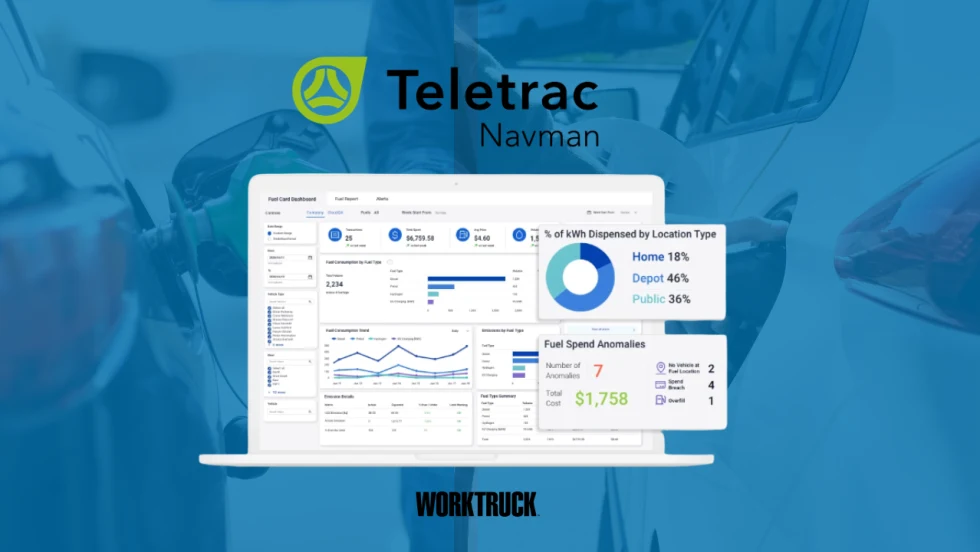
Teletrac Navman Adds Mixed-Energy Fleet Tools to TN360
The new Energy Hub combines fuel transactions, EV charging data, vehicle range, and energy costs in one dashboard for fleets operating multiple vehicle and energy types.
Read More →
WEX DriverDash adds CITGO, Expands Nationwide Access for Fleets
The DriverDash mobile payment app, by WEX, has been integrated into the CITGO merchant network, which means WEX has expanded its U.S. station footprint with the addition of approximately 4,000 CITGO locations.
Read More →
Mixed Energy Fleet Tips for Balancing EVs, Gas and Diesel Vehicles
Mixed energy fleets are becoming the new normal. Learn how fleet managers are balancing EVs, gas and diesel vehicles while controlling costs and planning for the future.
Read More →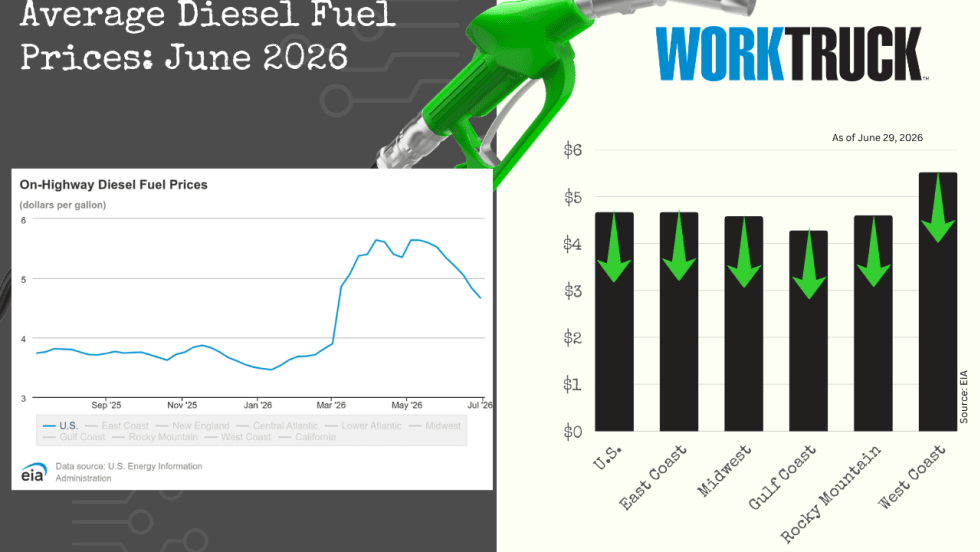
June Diesel Trends Update
The national average price of a gallon of diesel has dropped again, this week by more than 16 cents. All five regions reported lower average prices, ranging from almost 13 cents to more than 28 cents cheaper than a week ago.
Read More →