


 MENU
MENU SEARCHMENUSEARCH
Loading data...

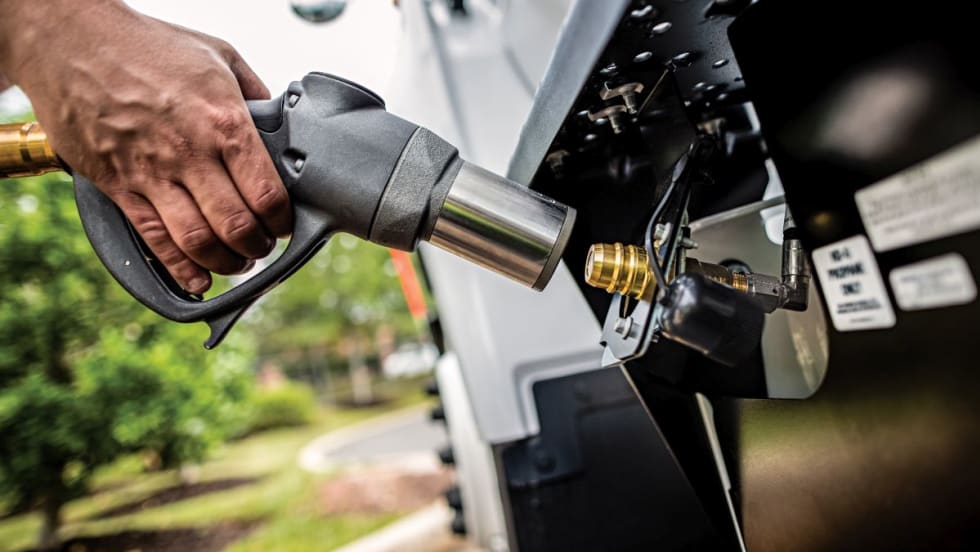
Propane may be a viable option for certain fleets looking for an alternative fuel source. While converting a vehicle to a propane system comes with a high initial cost, the system may come with reduced lifecycle costs over the course of that vehicle's life.
Read More →





Fleets shifted their energy strategies in 2025, prioritizing practical EV planning, hybrid growth, propane autogas savings, and smarter fuel decisions.
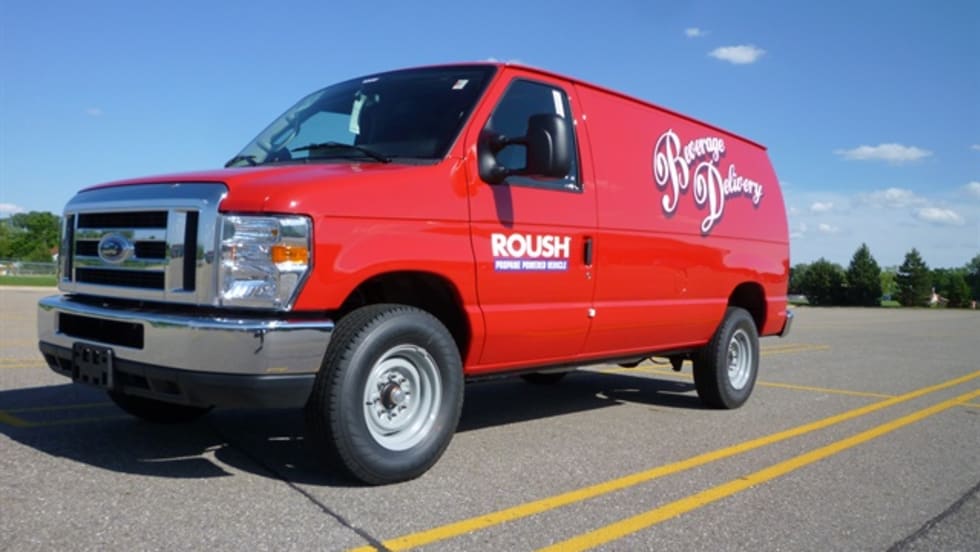
Read More →LIVONIA, MI - GO Riteway, Wisconsin's premier airport transportation provider, is operating 21 ROUSH CleanTech Ford E-350 vans fueled by propane autogas to serve as ground transportation vehicles for the General Mitchell International Airport.
Read More →The program, which will award $2.5 billion over five years, will prioritize rural areas and low- and moderate-income neighborhoods.
Read More →Rhoads Energy already operates 15 propane autogas vehicles, but now, through a $45,091 grant, it will add two propane-powered Ford F-750 chassis that will be upfitted with tanks to deliver home heating oil.
Read More →The company currently operates 77 ROUSH CleanTech Ford E-250 propane autogas vans and will increase that number over the next year. Low cost and accessibility of fuel; vehicle return on investment; and accessibility to high occupancy vehicle lanes are just a few of the reasons why.
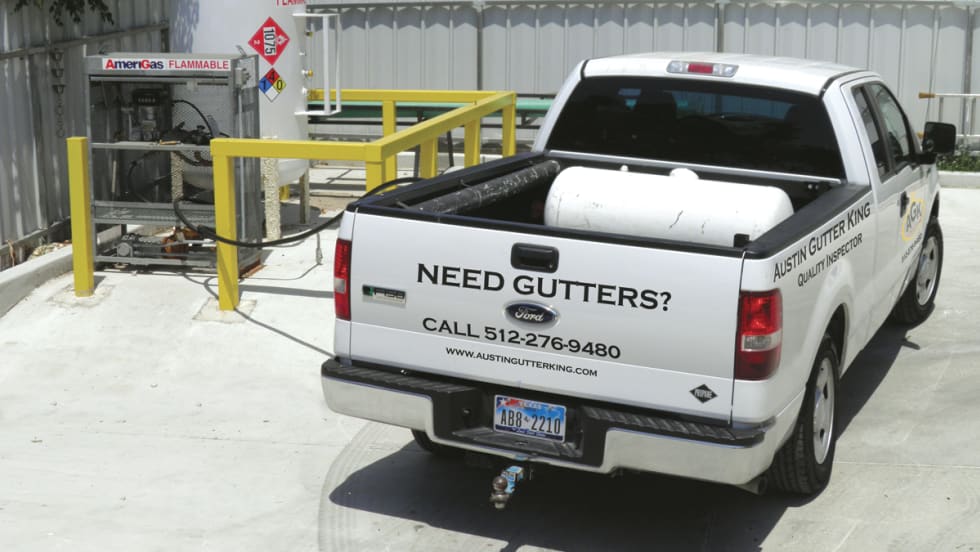
Read More →Austin Gutter King is realizing reduced fuel and maintenance costs after converting four vehicles to run on propane.
Read More →PLYMOUTH TOWNSHIP, MI - ROUSH CleanTech announced that CARB has certified its fuel system for Ford E-Series passenger and cargo vans.
Read More →After helping start the company in 2010, Mouw is now at the helm of the alternative-fuel vehicle technology company and shares his vision and plans for the future.
Read More →Long brings years of experience and strong industry connections as a former executive director of the International Automotive Remarketers Alliance and previously of the National Auto Auction Association.
Read More →