




ROUSH Ford E-Series Vans CARB Certified
PLYMOUTH TOWNSHIP, MI - ROUSH CleanTech announced that CARB has certified its fuel system for Ford E-Series passenger and cargo vans.
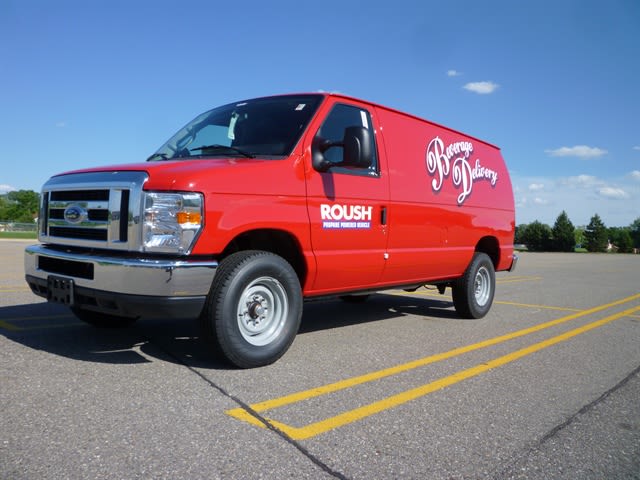
The E-series passenger and cargo vans join ROUSH CleanTech’s existing lineup of vehicles, including Ford F-250 and F-350 propane autogas pickup trucks (CARB certified last year), and the E-450 cutaway van, (CARB certified last month).
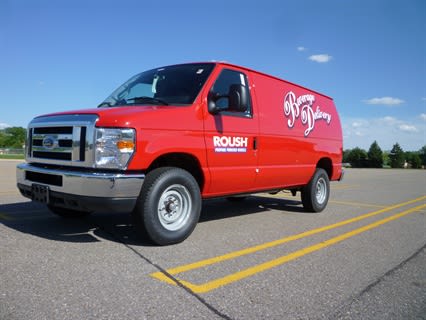
PLYMOUTH TOWNSHIP, MI — ROUSH CleanTech continues to roll out fleet vehicles fueled by propane autogas to California after the announcement from the California Air Resources Board (CARB) that the company’s fuel system for Ford E-series passenger and cargo vans were granted CARB certification status.
“This is truly exciting news for the ROUSH CleanTech team and our customers,” said Joe Thompson, president of ROUSH CleanTech. “CARB certification is that final nod of approval needed to launch a full line of clean burning propane-autogas-powered passenger and cargo vans to fleet managers in California and other states, who have been eagerly awaiting the availability of our cost-effective alternative fuel solution.”
CARB, the "clean air agency" of California, is charged with improving the air quality and reducing the public's exposure to air contaminants. Currently, California is the only state with such a regulatory agency, but several others follow CARB guidelines, including Connecticut, Florida, Maine, Maryland, Massachusetts, New Mexico, New Jersey, New York, Oregon, Rhode Island, Vermont, Washington, and others, ROUSH stated.
“Propane autogas is quickly growing in popularity among those looking to clean up our cities’ air,” added Thompson. “Propane is domestically produced, environmentally friendly, and readily available. It is also an exceptionally safe fuel due to the fact that propane tanks are 20 times more puncture resistant than gasoline tanks, and propane has the lowest flammability range of all alternative fuels.”
Already certified by the Environmental Protection Agency, the van was recognized recently with the “Propane Hero” award given to SuperShuttle for formidable performance as an alternative fuel vehicle at Phoenix Sky Harbor International Airport, according to ROUSH.
The E-series passenger and cargo vans join ROUSH CleanTech’s existing lineup of vehicles, including Ford F-250 and F-350 propane autogas pickup trucks, which received CARB certification last year, and the E-450 cutaway van, which obtained CARB certification last month.
Complete details on ROUSH CleanTech propane offerings can be found online at www.ROUSHcleantech.com.
Originally posted on Automotive Fleet
More Green Fleet

Fleet Forward Conference Introduces One-Day Passes for 2026
New one-day registration gives fleet professionals the flexibility to attend Tuesday, Wednesday, or Thursday, with passes available for $199 through Sept. 18.
Read More →
CALSTART Rebrands as Catalyst Mobility, Will Combine with Forth in 2027
CALSTART has rebranded as Catalyst Mobility and will combine with Forth at the start of 2027. The new organization said it is poised to become one of the world's largest, strongest, and most impactful clean transportation nonprofits.
Read More →
Electric Truck and Charging Programs to Boost Sustainability at NY & NJ Ports
Together, the Port Authority of New York and New Jersey and CALSTART will electrify drayage and terminal operations serving the East Coast’s busiest container port. A pair of incentive programs totaling $45 million has launched to accelerate adoption of zero-emission drayage trucks and terminal tractors.
Read More →

The Smart Way to Build a Mixed-Energy Fleet Isn’t About Picking a Side
Mixed-energy fleets aren’t about picking a winning fuel. Sarah Booth of WEX explains how vehicle data, duty cycles, charging strategy, and real-world costs can help fleets choose the right energy source for each job.
Read More →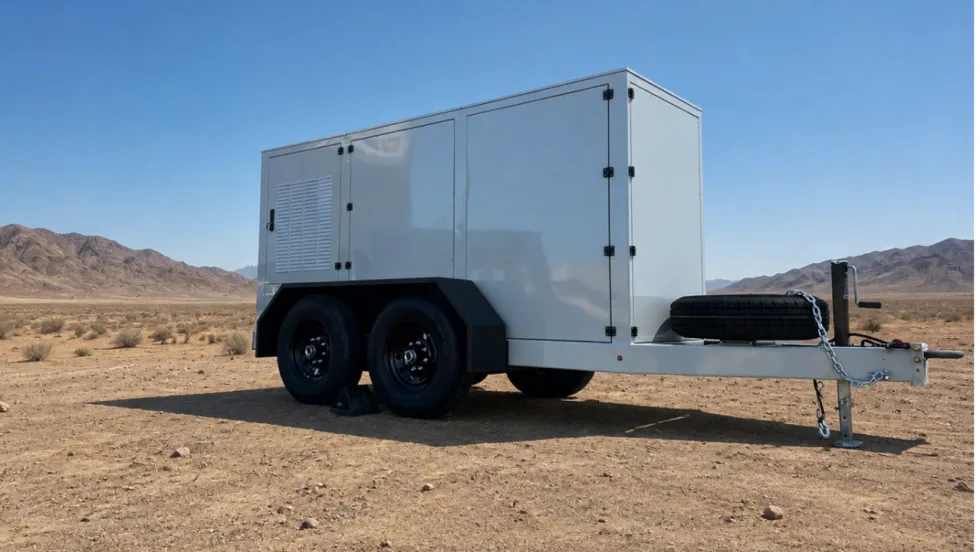
Xos Hub Surpasses One Gigawatt-Hour of Energy Delivered in the Field
A single Xos Hub has surpassed one gigawatt-hour of energy across more than 33,600 charging sessions in the field, demonstrating performance that supports Xos' expansion across new products and markets.
Read More →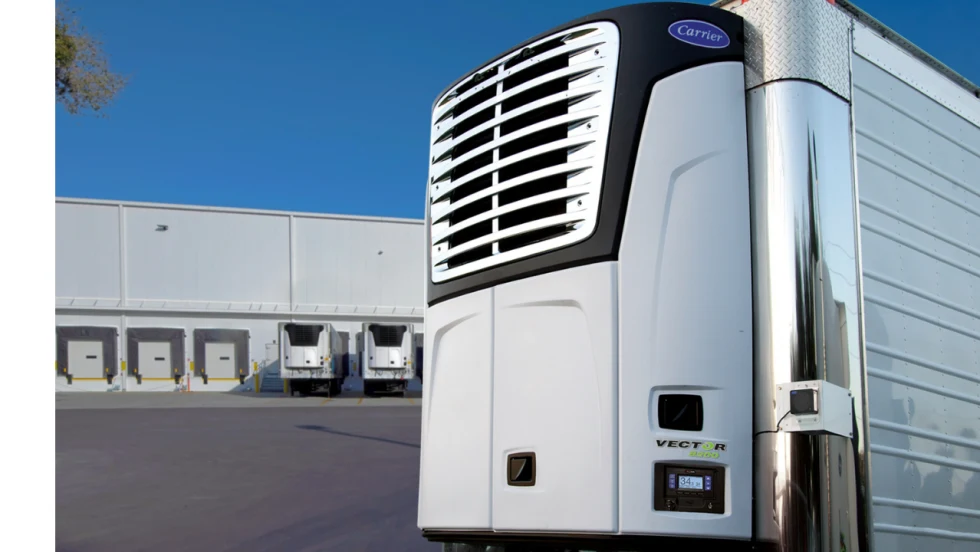
Carrier Transicold Launches All-Electric Vector 8200 TRU for Diesel-Free On-Site Cold Storage
Carrier Transicold’s first engineless multi-temperature TRU helps fresh- and frozen-food fleets add supplemental cold storage capacity during seasonal peaks.
Read More →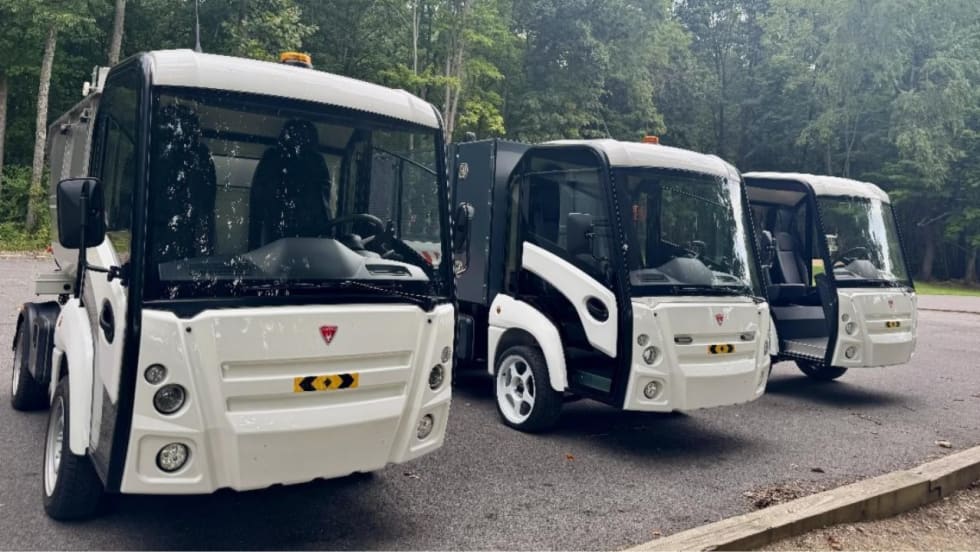
Narro Trucks Introduces Electric Utility Vehicle
Narro Trucks officially launched its operations on Aug. 20 and hosted a ride and drive to showcase its electric truck, which will be produced in Virginia.
Read More →
Samsung SDI Takes Full Control of GM Battery JV as Indiana Plant Pivots to Energy Storage
Samsung SDI is taking full control of its Indiana battery plant with GM, marking a major shift from the EV-focused joint venture Charged Fleet first covered in 2023.
Read More →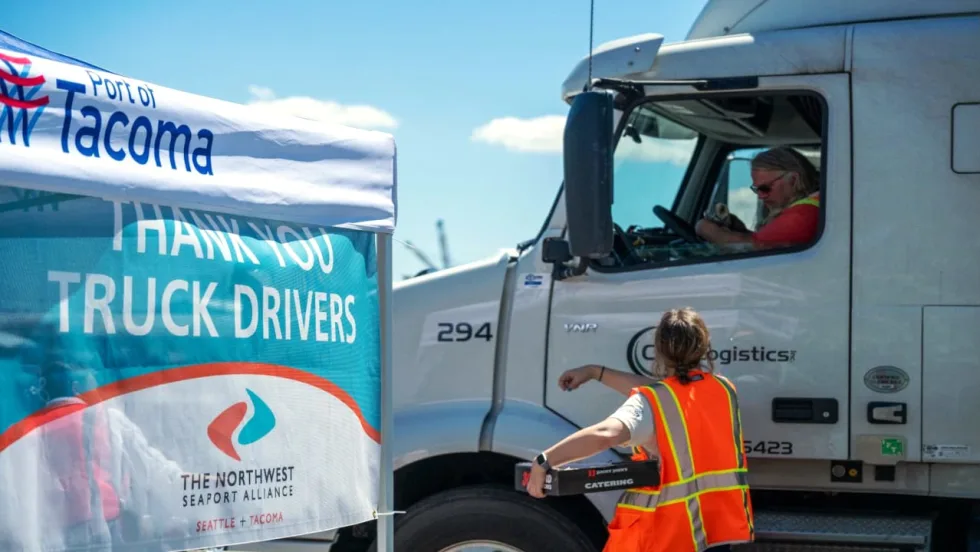
NWSA Taps CALSTART to Administer Zero-Emission Drayage Assistance Program
CALSTART will provide free technical assistance services to drayage fleets serving the Ports of Seattle and Tacoma and looking to transition to cleaner technologies and help decarbonize freight hubs.
Read More →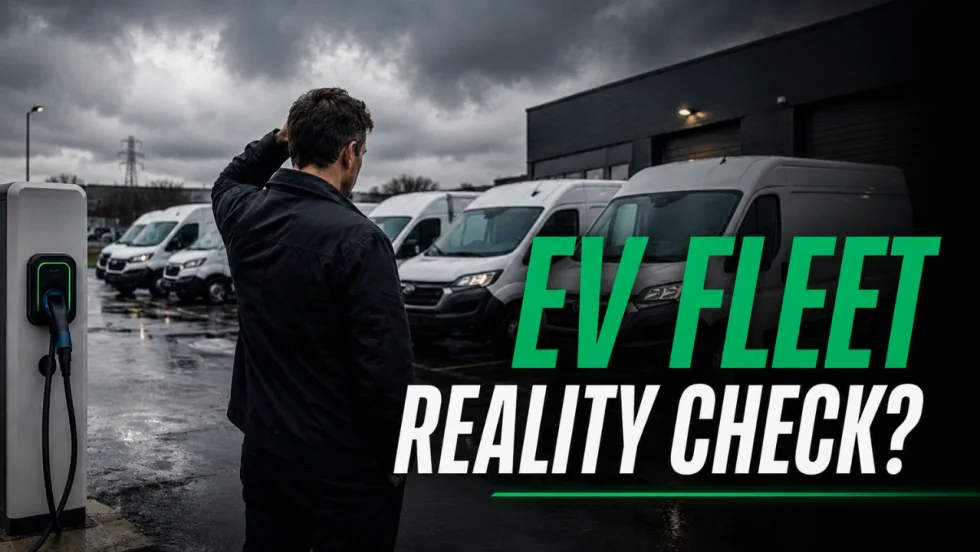
EV Fleet Reality Check: What Operators Wish They Knew Before Electrifying Their Work Vans
Electric work truck upfits bring new compatibility questions. Learn how parts availability, OEM guidance, power demands, and route planning can affect fleet performance.
Read More →