





Bringing Lubricants into Fuel Economy & Sustainability Journey
STLE Committee to Provide Sustainability Case Studies
The Society of Tribologists and Lubrication Engineers has launched a Sustainability Committee that will provide educational content on sustainability practices.
June 21, 2024
The Society of Tribologists and Lubrication Engineers has brought a panel of experts together to form a Sustainability Committee.
Photo: STLE/Work Truck
2 min to read
The Society of Tribologists and Lubrication Engineers (STLE), a technical society serving the needs of the tribology and lubrication engineering business sector, has launched a Sustainability Committee.
The committee will recommend policies and programs to help educate the public, members of the tribology and lubricants community and policymakers regarding the contributions of tribology advances to a more sustainable future.
STLE Outlines Sustainability Committee’s Goals
STLE said its Sustainability Committee plans to establish and promote the connection between tribology and sustainability, including energy, water and air quality, efficient use of renewable and non-renewable resources, development of technological solutions to support and accelerate sustainable practices
The committee will encourage the facilitation of approaches for reusing resources to achieve circularity.
STLE technical advisor Neil Canter, Ph.D., CMFS, Chemical Solutions, will chair the Sustainability Committee.
Subject Matter Experts to Serve on Sustainability Committee
The committee is comprised of STLE members employed by world-leading corporations, academic institutions, and government agencies. Committee members are:
Nicolas Argibay, Ph.D., scientist IV, Ames National Laboratory – U.S. Department of Energy
Vasilios Bakolas, Ph.D., principal expert bearings R&D, Schaeffler Technologies AG & Co. KG
Shubhamita Basu, Ph.D., business development director, engineered fluids, Perstorp
Larry Beaver, Ph.D., vice president of research & development, RSC Bio Solutions
Aaron Greco, Ph.D., principal materials scientist and group leader, Argonne National Laboratory
Inga Herrmann, sales manager and sustainability lead, Ergon International Inc.
Na Liu, Ph.D., advanced technology manager, North Americas, Fuchs Lubricants Co.
Steven Schmid, Ph.D., Belk-Woodward Distinguished Professor, University of North Carolina at Charlotte.
“Implementing proper and novel tribology practices has the potential to provide end-users of lubricants with the means to reduce emissions, save energy and reduce operating costs. The lubricant and tribology field has been practicing sustainability for a long period of time. We are now showing how sustainability goals can be realized in a more formal manner,” said Canter.
Committee to Provide Sustainability Case Studies
Canter said the STLE Sustainability Committee intends to provide the membership and all interested parties with educational content and case studies to assist members with engaging in proper sustainability practices.
“STLE also intends to work with other global association partners to come up with a common approach for defining sustainability and providing globally accepted methodologies to the membership,” he added.
Sustainability is a key goal in the STLE 2023-2026 strategic plan. The Sustainability Committee intends to present a one-day session on the subject at the 2025 STLE Annual Meeting & Exhibition, at the Hyatt Regency Atlanta in Atlanta, Georgia.
More Green Fleet

Fleet Forward Conference Introduces One-Day Passes for 2026
New one-day registration gives fleet professionals the flexibility to attend Tuesday, Wednesday, or Thursday, with passes available for $199 through Sept. 18.
Read More →
CALSTART Rebrands as Catalyst Mobility, Will Combine with Forth in 2027
CALSTART has rebranded as Catalyst Mobility and will combine with Forth at the start of 2027. The new organization said it is poised to become one of the world's largest, strongest, and most impactful clean transportation nonprofits.
Read More →
Electric Truck and Charging Programs to Boost Sustainability at NY & NJ Ports
Together, the Port Authority of New York and New Jersey and CALSTART will electrify drayage and terminal operations serving the East Coast’s busiest container port. A pair of incentive programs totaling $45 million has launched to accelerate adoption of zero-emission drayage trucks and terminal tractors.
Read More →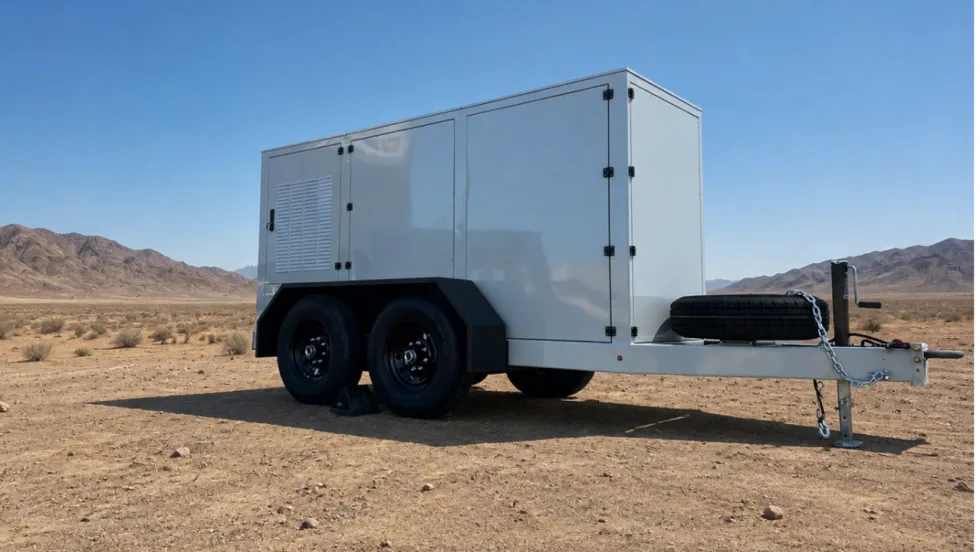
Xos Hub Surpasses One Gigawatt-Hour of Energy Delivered in the Field
A single Xos Hub has surpassed one gigawatt-hour of energy across more than 33,600 charging sessions in the field, demonstrating performance that supports Xos' expansion across new products and markets.
Read More →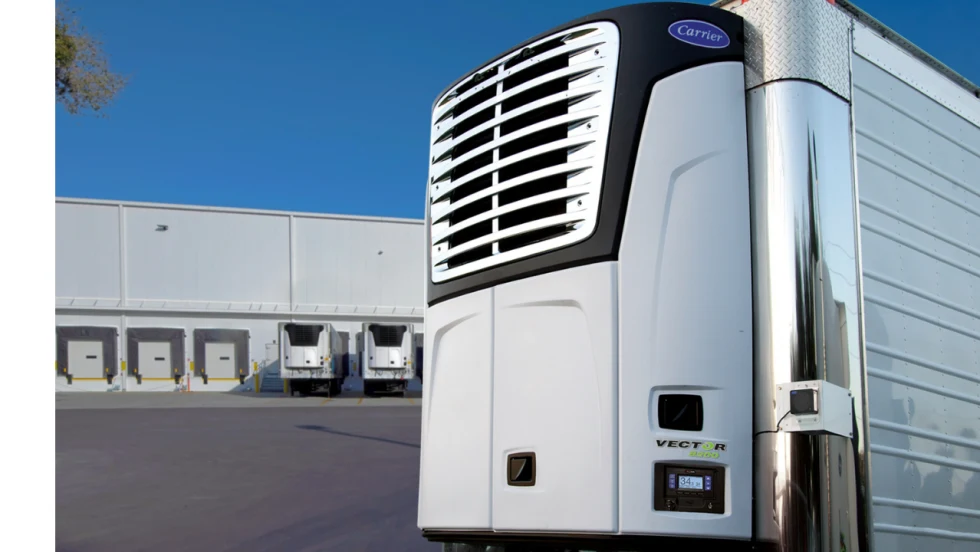
Carrier Transicold Launches All-Electric Vector 8200 TRU for Diesel-Free On-Site Cold Storage
Carrier Transicold’s first engineless multi-temperature TRU helps fresh- and frozen-food fleets add supplemental cold storage capacity during seasonal peaks.
Read More →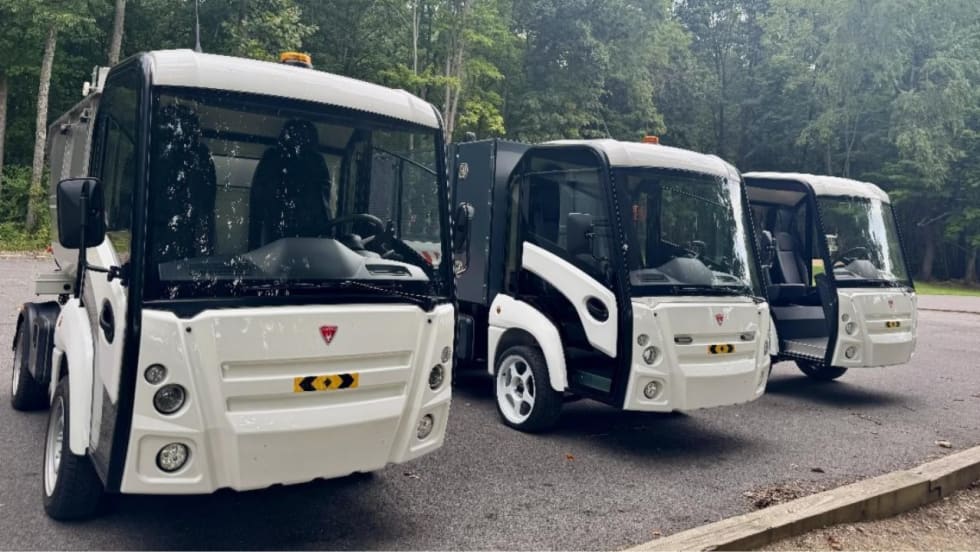
Narro Trucks Introduces Electric Utility Vehicle
Narro Trucks officially launched its operations on Aug. 20 and hosted a ride and drive to showcase its electric truck, which will be produced in Virginia.
Read More →
Samsung SDI Takes Full Control of GM Battery JV as Indiana Plant Pivots to Energy Storage
Samsung SDI is taking full control of its Indiana battery plant with GM, marking a major shift from the EV-focused joint venture Charged Fleet first covered in 2023.
Read More →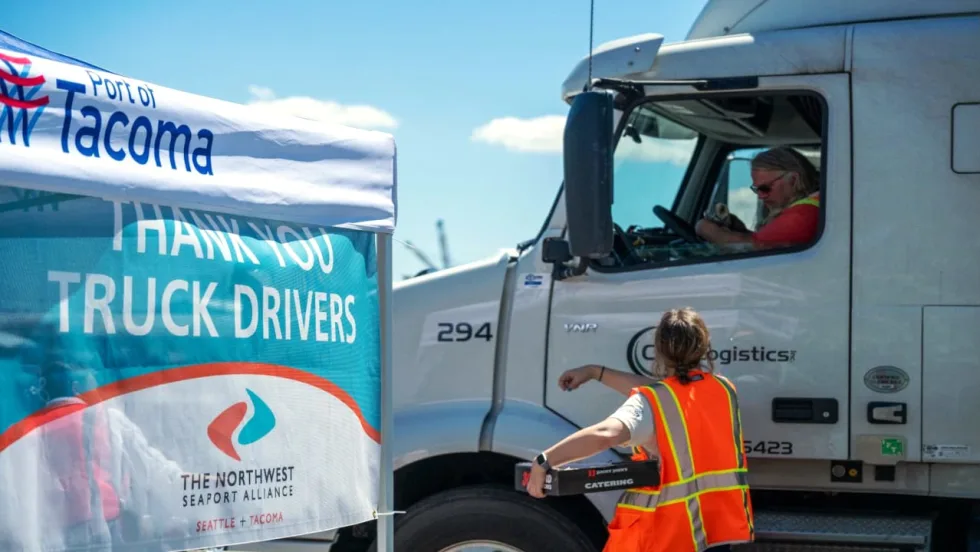
NWSA Taps CALSTART to Administer Zero-Emission Drayage Assistance Program
CALSTART will provide free technical assistance services to drayage fleets serving the Ports of Seattle and Tacoma and looking to transition to cleaner technologies and help decarbonize freight hubs.
Read More →
EV Fleet Reality Check: What Operators Wish They Knew Before Electrifying Their Work Vans
Electric work truck upfits bring new compatibility questions. Learn how parts availability, OEM guidance, power demands, and route planning can affect fleet performance.
Read More →
Peterbilt Expands Sourcewell Partnership with Electric Vehicle Lineup
Peterbilt Motors Company’s cooperative purchasing agreement with Sourcewell and its Canadian partner, Canoe Procurement Group, now includes including Peterbilt's battery-electric vehicle lineup.
Read More →