





Learn More: SoCalGas, SDG&E Partner on Hydrogen Blending Program
SoCalGas to Test Tech That Could Transform Hydrogen Distribution
A new device separates hydrogen from natural gas when the two gases are blended in pipelines.
December 16, 2020
3 min to read
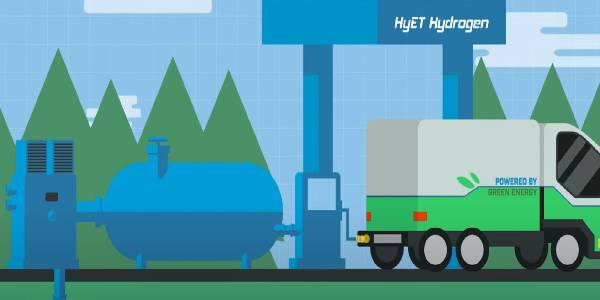
With clean hydrogen gaining recognition worldwide as the carbon-free fuel capable of making a significant contribution to addressing climate change, Southern California Gas Co. (SoCalGas) announced Dec. 16 it will field test a new technology that can simultaneously separate and compress hydrogen from a blend of hydrogen and natural gas. At scale, the technology would allow hydrogen to be easily and affordably transported via the natural gas pipeline system, then extracted and compressed at fueling stations that provide hydrogen for fuel cell electric vehicles (FCEVs). Created by Netherlands-based HyET Hydrogen, the technology is designed to provide pure highly-compressed hydrogen wherever a natural gas distribution system exists.
SoCalGas also recently announced a program to study blending hydrogen into its natural gas pipelines. If approved by regulators, the program would be the first step toward establishing a statewide standard for injecting hydrogen into the natural gas grid.
“This innovative technology could be a game-changer, allowing hydrogen to be distributed to wherever it is needed using the natural gas grid,” said Neil Navin, vice president of clean energy innovations at SoCalGas. “As demand increases for zero-emissions vehicles such as fuel cell electric cars, California will need thousands more hydrogen fueling stations—and this technology may help make that possible.”
"We are excited to deploy our newest technology in collaboration with SoCalGas,” said Alexis Dubois, director of HyET Hydrogen USA. “Our gas separation system is designed to allow hydrogen to be transported across long distances affordably using existing natural gas pipelines. With this technology, hydrogen can become a commonly used fuel for transportation, industrial applications and more.”
"Hydrogen will be an important part of our clean energy future, and exciting new technologies like this will pave the way for zero emissions transportation in California,” said Sen. Bob Archuleta (D-Pico Rivera). “I am fighting for investments in both hydrogen infrastructure and clean transportation programs in the state Legislature and will continue to do so. I am excited that the testing of this cutting edge innovation will take place in the 32nd Senate District, and I look forward to continuing to work with SoCalGas as we pursue our clean energy goals."
“This is innovative technology,” said Bill Elrick, executive director of the California Fuel Cell Partnership. “It may provide a unique and strategic way to distribute large volumes of hydrogen fuel, helping decarbonize the transportation sector.”
The new technology, called Electrochemical Hydrogen Purification and Compression (EHPC), works by applying an electrical current across a hydrogen-selective membrane to allow only hydrogen to permeate it while blocking the natural gas components. Continuously applying the electrical current builds up and pressurizes the hydrogen.
To test the technology, SoCalGas will blend hydrogen, in concentrations from 3 to 15%, with methane, the primary component of natural gas. That blend of gases will then be injected through a simulated natural gas pipeline testing system into the EHPC system to continuously extract and compress the hydrogen at a rate of 10 kg per day. SoCalGas’ testing will provide performance data that will enable fine-tuning and optimization of the EHPC system to accelerate scaling up the technology. Within the next two years, the EHPC technology is expected to be scaled to produce 100 kg of hydrogen a day or more from a single EHPC system, enough to fill 20 fuel cell electric vehicles.
The project is scheduled to begin in March at SoCalGas’ Engineering Analysis Center in Pico Rivera, Calif., and slated to be complete by the third quarter of 2021.
More Fuel

The Smart Way to Build a Mixed-Energy Fleet Isn’t About Picking a Side
Mixed-energy fleets aren’t about picking a winning fuel. Sarah Booth of WEX explains how vehicle data, duty cycles, charging strategy, and real-world costs can help fleets choose the right energy source for each job.
Read More →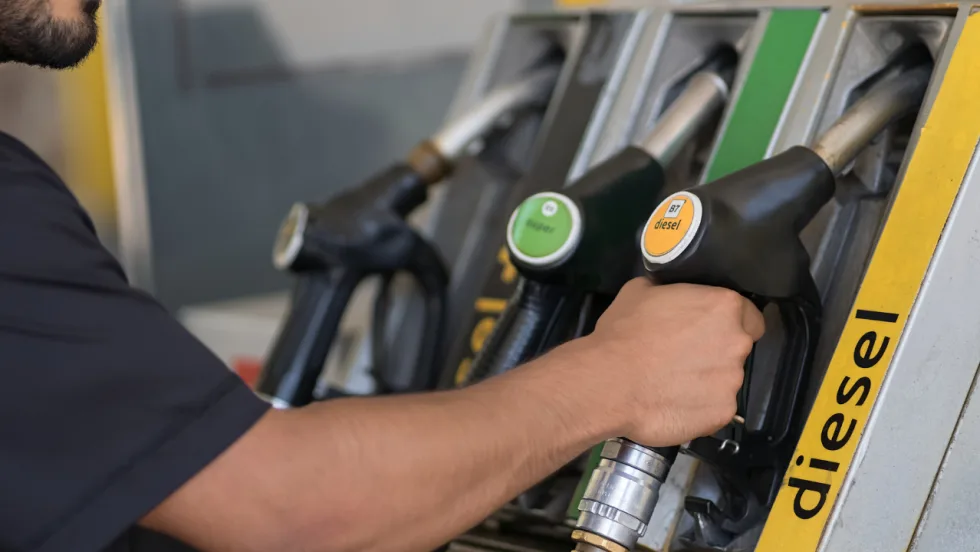
Ignoring This Dashboard Warning Could Cost Your Fleet Thousands in Fuel
New research suggests neglected diesel aftertreatment systems could waste up to $30 in fuel per vehicle each day. Here's why vocational fleets should pay attention.
Read More →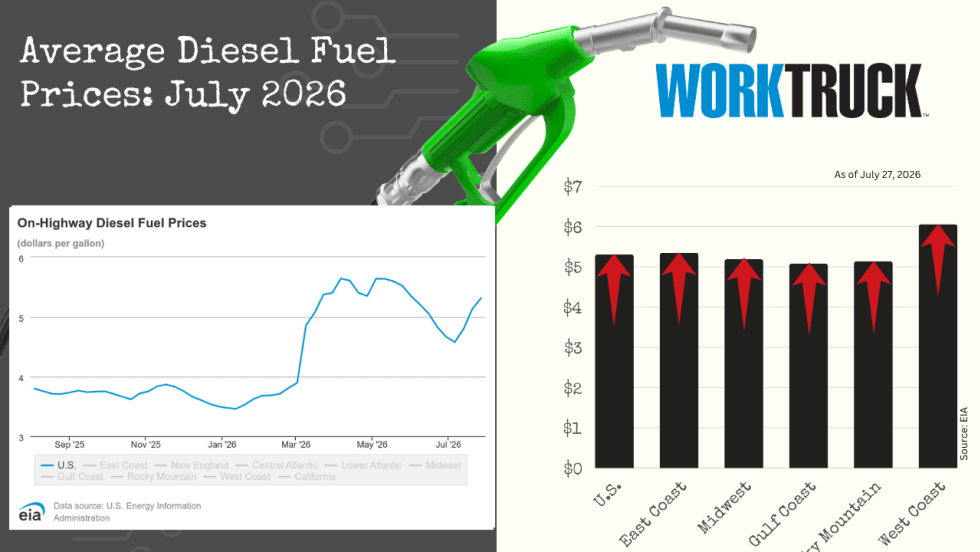
July Diesel Trends Update
The average price of a gallon of diesel increased again this week, and the EIA reported a new national average of $5.31 at the start of the week.
Read More →
WEX Brings Standard Fleet's Connected Vehicle Platform to Fleet Customers
This week’s product launch with Standard Fleet’s connected vehicle platform reflects WEX Venture Capital's strategy of turning startup innovation into customer solutions. Standard Fleet is now available to WEX fleet customers.
Read More →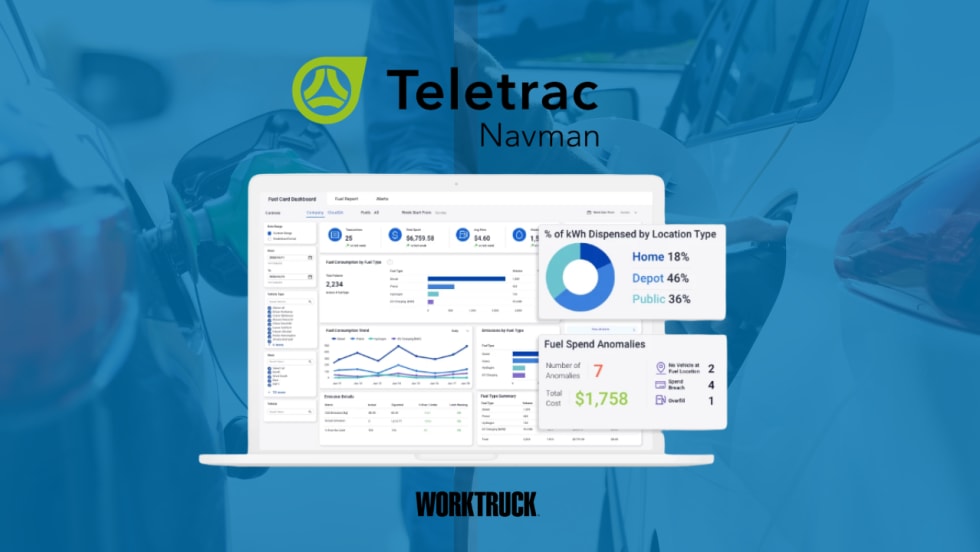
Teletrac Navman Adds Mixed-Energy Fleet Tools to TN360
The new Energy Hub combines fuel transactions, EV charging data, vehicle range, and energy costs in one dashboard for fleets operating multiple vehicle and energy types.
Read More →
WEX DriverDash adds CITGO, Expands Nationwide Access for Fleets
The DriverDash mobile payment app, by WEX, has been integrated into the CITGO merchant network, which means WEX has expanded its U.S. station footprint with the addition of approximately 4,000 CITGO locations.
Read More →
Mixed Energy Fleet Tips for Balancing EVs, Gas and Diesel Vehicles
Mixed energy fleets are becoming the new normal. Learn how fleet managers are balancing EVs, gas and diesel vehicles while controlling costs and planning for the future.
Read More →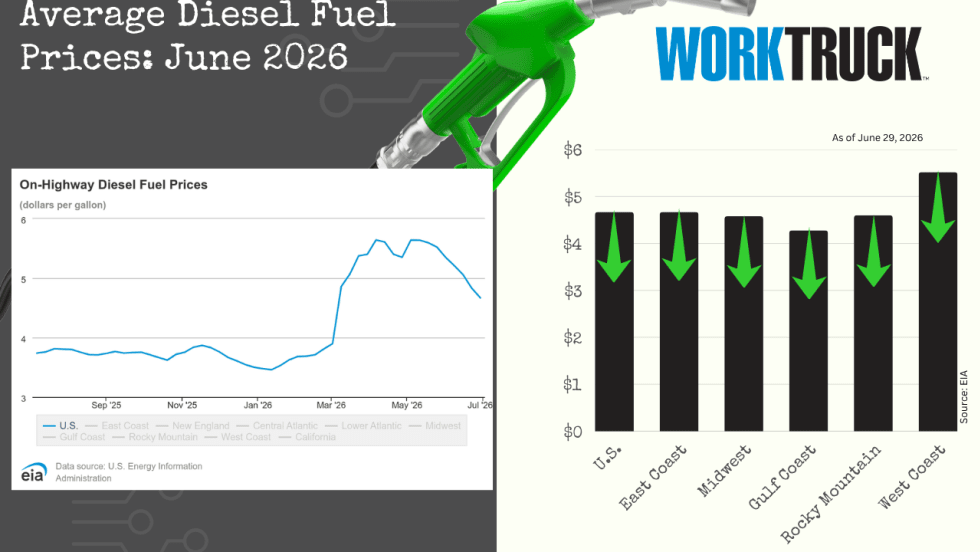
June Diesel Trends Update
The national average price of a gallon of diesel has dropped again, this week by more than 16 cents. All five regions reported lower average prices, ranging from almost 13 cents to more than 28 cents cheaper than a week ago.
Read More →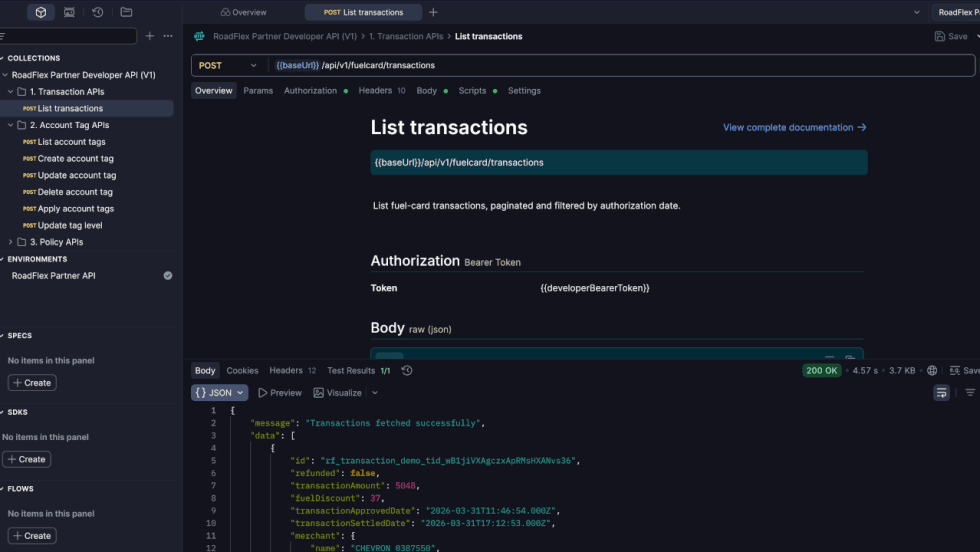
RoadFlex Launches RoadFlex Direct Open API Platform
RoadFlex Direct connects fuel cards, controls, and data to the telematics and fleet management systems fleets already run, from Geotab and Samsara to Fleetio and RTA, with no separate dashboard or double data entry.
Read More →
The Key to Fuel Efficiency Sits in the Cab
Learn how driver behavior, telematics, coaching, and fuel data can help fleets improve fuel efficiency, lower costs, and reduce emissions.
Read More →