




Research: By 2035 Alt-Fuels Will Power 14 Percent of Trucks
Medium and heavy duty vehicles (MHDVs) represent less than 5 percent of the total vehicle market today, and the vast majority of these use conventional internal combustion engines (ICE) powered by either gasoline or diesel.
Medium- and heavy-duty vehicles (MHDVs) represent less than 5 percent of the total vehicle market today, and the vast majority of these use conventional internal combustion engines (ICE) powered by either gasoline or diesel, according to Navigant Research. That is changing as less expensive alternatives to petroleum-based fuels, such as natural gas, liquefied petroleum gas (LPG – also known as propane autogas), and electricity make inroads in the market. According to a new report from Navigant Research, worldwide sales of alternative fuel vehicles will reach 14 percent of total sales of medium and heavy duty vehicles by 2035.
“Attractive business cases for medium- and heavy-duty alternative fuel vehicles are emerging across varying segments of the market,” says Scott Shepard, research analyst with Navigant Research. “Natural gas has a significant advantage over most alternative fuels, in that low fuel costs and advances in infrastructure for both liquefied natural gas and fast-fill compressed natural gas make the fuel competitive in all market segments, including heavy-duty long-haul trucking.”
The total number of MHDVs in use worldwide will nearly double between 2014 and 2035, according to the report. According to Navigant, unlike light-duty vehicles, most of today’s MHDVs are fueled by diesel fuel. While diesel will remain the primary fuel choice of MHDVs throughout the forecast period, the percentage of MHDVs powered by diesel is expected to fall from more than 79 percent in 2014 to 76 percent in 2035.
The report, “Transportation Forecast: Medium and Heavy Duty Vehicles”, analyzes the global MHDV market in seven segments: conventional ICE vehicles, hybrid electric vehicles, plug-in hybrid electric vehicles, battery electric vehicles, natural gas vehicles, propane autogas vehicles, and fuel cell vehicles. Forecasts for two segments fueled primarily by petroleum derivatives (ICE and hybrid electric vehicles) are broken out by region and by fuel: gasoline or diesel. Global market forecasts for sales and conversions and the number of vehicles in use, segmented by country, drivetrain, and primary fuel, extend through 2035, according to Navigant.
More Fuel
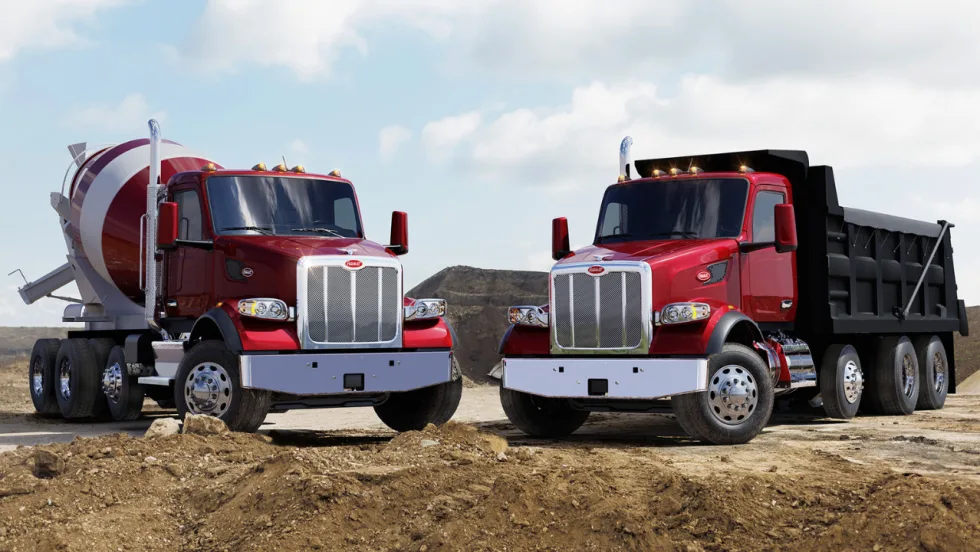
Peterbilt Trucks Equipped with Paccar TX-18 Pro Boost Efficiency for Maryland Fleet
Patuxent Companies is replacing aging trucks with the Peterbilt Model 567 and Model 589, specified with the Paccar TX-18 Pro 18-speed automated transmissions, and is reporting an 8% to 10% improvement in fuel economy.
Read More →
The Smart Way to Build a Mixed-Energy Fleet Isn’t About Picking a Side
Mixed-energy fleets aren’t about picking a winning fuel. Sarah Booth of WEX explains how vehicle data, duty cycles, charging strategy, and real-world costs can help fleets choose the right energy source for each job.
Read More →
Ignoring This Dashboard Warning Could Cost Your Fleet Thousands in Fuel
New research suggests neglected diesel aftertreatment systems could waste up to $30 in fuel per vehicle each day. Here's why vocational fleets should pay attention.
Read More →

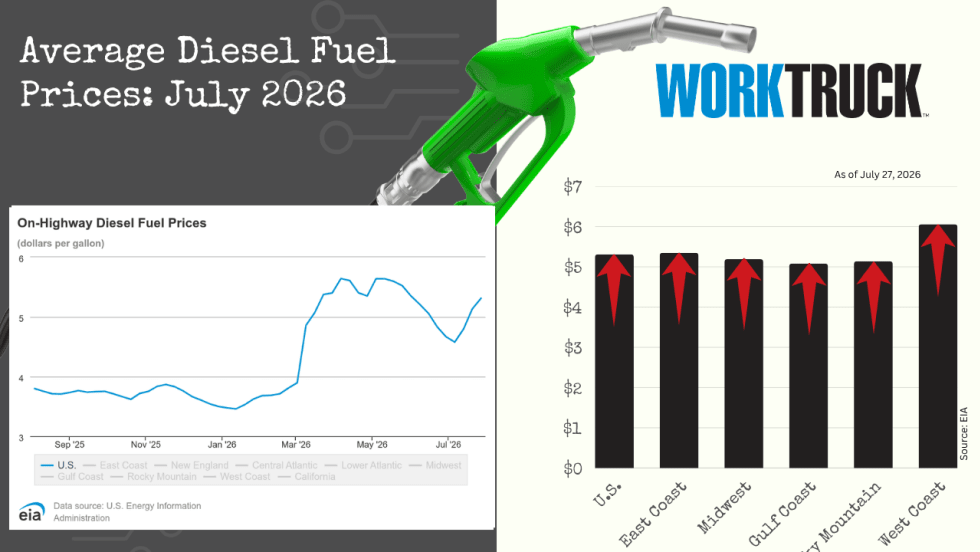
July Diesel Trends Update
The average price of a gallon of diesel increased again this week, and the EIA reported a new national average of $5.31 at the start of the week.
Read More →
WEX Brings Standard Fleet's Connected Vehicle Platform to Fleet Customers
This week’s product launch with Standard Fleet’s connected vehicle platform reflects WEX Venture Capital's strategy of turning startup innovation into customer solutions. Standard Fleet is now available to WEX fleet customers.
Read More →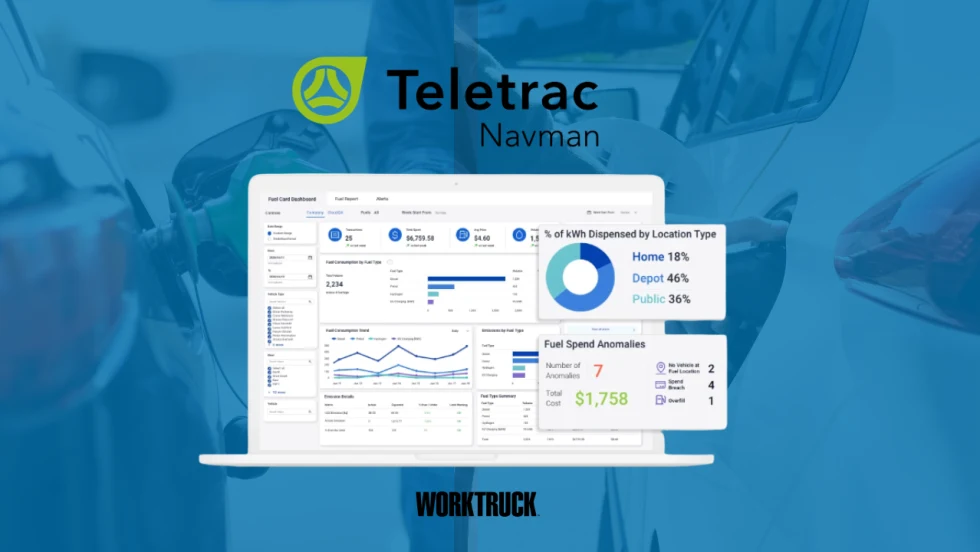
Teletrac Navman Adds Mixed-Energy Fleet Tools to TN360
The new Energy Hub combines fuel transactions, EV charging data, vehicle range, and energy costs in one dashboard for fleets operating multiple vehicle and energy types.
Read More →
WEX DriverDash adds CITGO, Expands Nationwide Access for Fleets
The DriverDash mobile payment app, by WEX, has been integrated into the CITGO merchant network, which means WEX has expanded its U.S. station footprint with the addition of approximately 4,000 CITGO locations.
Read More →
Mixed Energy Fleet Tips for Balancing EVs, Gas and Diesel Vehicles
Mixed energy fleets are becoming the new normal. Learn how fleet managers are balancing EVs, gas and diesel vehicles while controlling costs and planning for the future.
Read More →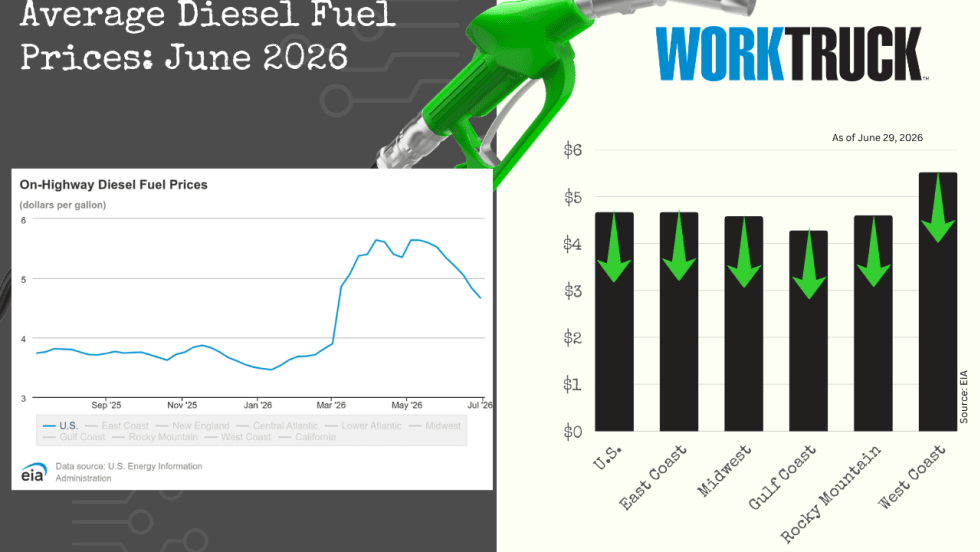
June Diesel Trends Update
The national average price of a gallon of diesel has dropped again, this week by more than 16 cents. All five regions reported lower average prices, ranging from almost 13 cents to more than 28 cents cheaper than a week ago.
Read More →
RoadFlex Launches RoadFlex Direct Open API Platform
RoadFlex Direct connects fuel cards, controls, and data to the telematics and fleet management systems fleets already run, from Geotab and Samsara to Fleetio and RTA, with no separate dashboard or double data entry.
Read More →