




Reducing Diesel Truck Fuel Costs During Summer Months
ST. LOUIS - Diesel fuel is one of the top expenses in the trucking and fleet maintenance industry. However, there are some important steps can be taken, especially during the hot summer months, to stretch fuel efficiency.
ST. LOUIS - Diesel fuel is one of the top expenses in the trucking and fleet maintenance industry. The increasing price of diesel fuel and an unstable crude oil market in recent months, coupled with a slow economy, have had a significant negative impact on nearly all bottom lines. However, there are some important steps can be taken, especially during the hot summer months, to stretch fuel efficiency.
Seasoned fleet owners and drivers understand that efficient route management, load weights, driver behavior and the aerodynamics of their trucks and quality of their fuel all make a difference. But have you considered proper maintenance as the other key factor in stretching your fuel dollars to their maximum potential?
Phil Hamilton, Schaeffer Oil's National Fuel Additive Manager and a Certified Lubricant Specialist (CLS) offers several tips to keep your truck(s) running at maximum efficiency this summer:
1. Clean out the fuel system and use a premium diesel additive. Carbon deposits rob your driver of horsepower and fuel economy. Make sure your truck is running with clean injectors. Keep your fuel injection system clean. Injector fouling leads to blocked filters, loss of power and increased downtime, and ultimately money spent on maintenance and upkeep costs
2. Use lower viscosity engine oil. It can increase fuel efficiency by 5 percent and can typically reduce engine heat by 10-15 percent. In addition, look for oils that carry friction-reducing additives as this will significantly reduce internal friction in your engine. Conventional 15W40 engine oil is heavier in viscosity. Consider 5W30 engine oil, which will offer a lower viscosity at start-up, thus reducing fluid friction. A full synthetic will provide an average of 5-percent better efficiency.
3. Pick the right engine oil. A longer-lasting synthetic and premium engine oil will give you better performance and extended oil drains, also saving route time, which means more productivity.
4. Regularly replace all fuel and air filters and closely follow recommendations in the owner's manual. Clogged fuel and air filters can greatly reduce fuel economy.
5. Avoid excessive idling. Unnecessary truck idling is like burning money. Fleet owners should consider investing in driver education programs and training to inform and instruct all of their drivers about new technologies and techniques that can be used to improve fuel economy. This small investment can equal a rather significant amount of savings per driver, per vehicle each year.
6. Use premium fuel when storing trucks over extended periods of time. Premium fuel additives will prevent fuel oxidation and help you avoid fuel tank corrosion, bacteria and gumming.
7. Use cruise control when possible, alternating speeds for cruising, based on load weight and geographic location.
8. Maintain proper inflation on tires. If tires are inflated below recommended air pressure, they increase rolling resistance. Increased heat, wear and load weight can lead to lost tire pressure and air quickly, so it is important that fleet owners or drivers monitor their truck tire inflation each week, if not more.
9. Have your storage tanks routinely maintained. Quarterly check your tanks for bacteria and moisture. Bacteria build-up and dirty tanks will reduce fuel efficiency and even perhaps damage engines.
Unlike so many factors in today's volatile business environment, proper truck maintenance is a variable in your business you can control. One of the most important things that a truck driver or maintenance professional can do to conserve fuel, both before they hit the road and while out driving, is to keep the engine's fuel injectors clean. Clean fuel injectors and proper maintenance, overall, can make the difference between a profitable run or a losing one.
More Fuel

The Smart Way to Build a Mixed-Energy Fleet Isn’t About Picking a Side
Mixed-energy fleets aren’t about picking a winning fuel. Sarah Booth of WEX explains how vehicle data, duty cycles, charging strategy, and real-world costs can help fleets choose the right energy source for each job.
Read More →
Ignoring This Dashboard Warning Could Cost Your Fleet Thousands in Fuel
New research suggests neglected diesel aftertreatment systems could waste up to $30 in fuel per vehicle each day. Here's why vocational fleets should pay attention.
Read More →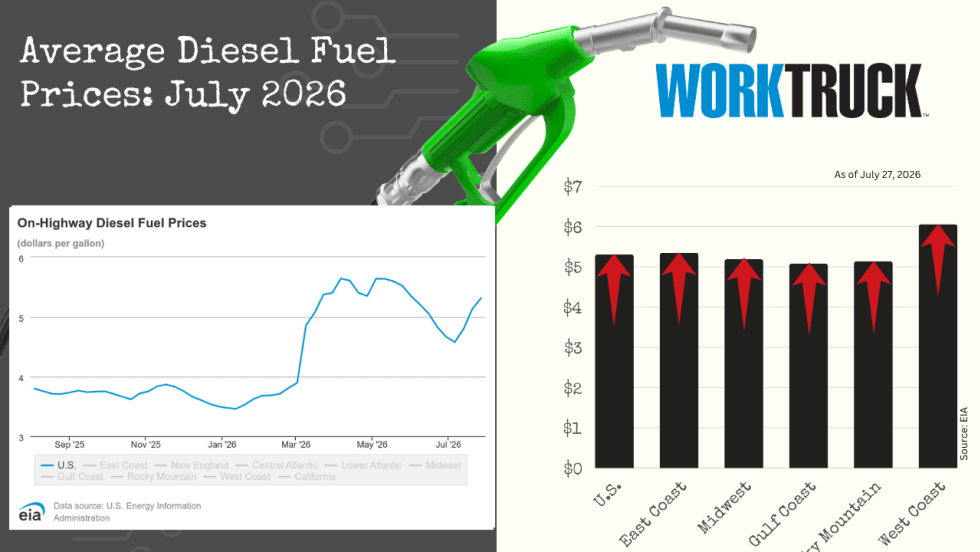
July Diesel Trends Update
The average price of a gallon of diesel increased again this week, and the EIA reported a new national average of $5.31 at the start of the week.
Read More →
WEX Brings Standard Fleet's Connected Vehicle Platform to Fleet Customers
This week’s product launch with Standard Fleet’s connected vehicle platform reflects WEX Venture Capital's strategy of turning startup innovation into customer solutions. Standard Fleet is now available to WEX fleet customers.
Read More →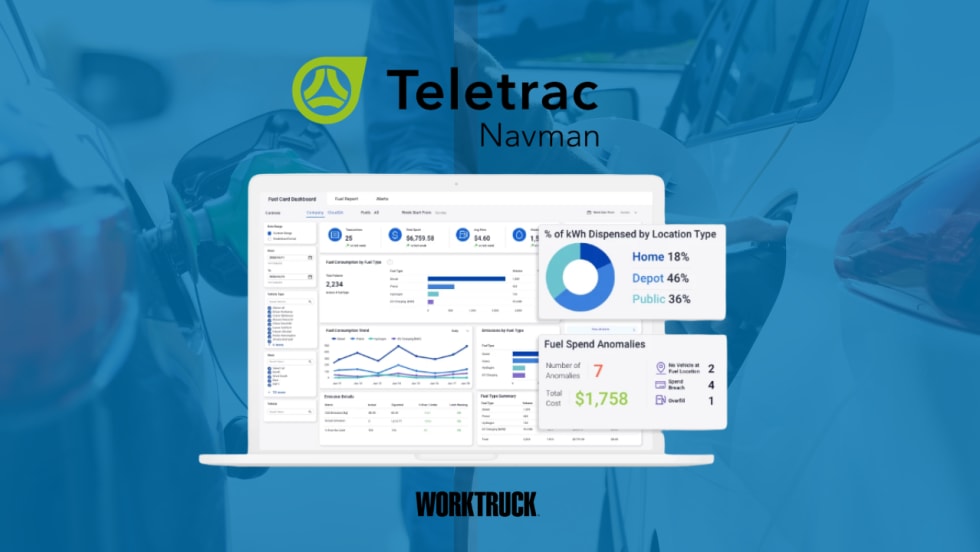
Teletrac Navman Adds Mixed-Energy Fleet Tools to TN360
The new Energy Hub combines fuel transactions, EV charging data, vehicle range, and energy costs in one dashboard for fleets operating multiple vehicle and energy types.
Read More →
WEX DriverDash adds CITGO, Expands Nationwide Access for Fleets
The DriverDash mobile payment app, by WEX, has been integrated into the CITGO merchant network, which means WEX has expanded its U.S. station footprint with the addition of approximately 4,000 CITGO locations.
Read More →
Mixed Energy Fleet Tips for Balancing EVs, Gas and Diesel Vehicles
Mixed energy fleets are becoming the new normal. Learn how fleet managers are balancing EVs, gas and diesel vehicles while controlling costs and planning for the future.
Read More →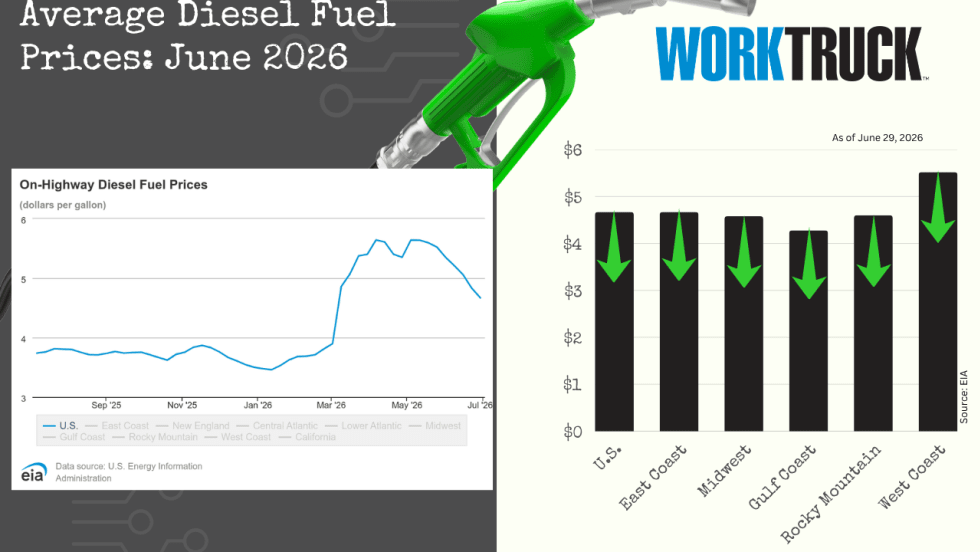
June Diesel Trends Update
The national average price of a gallon of diesel has dropped again, this week by more than 16 cents. All five regions reported lower average prices, ranging from almost 13 cents to more than 28 cents cheaper than a week ago.
Read More →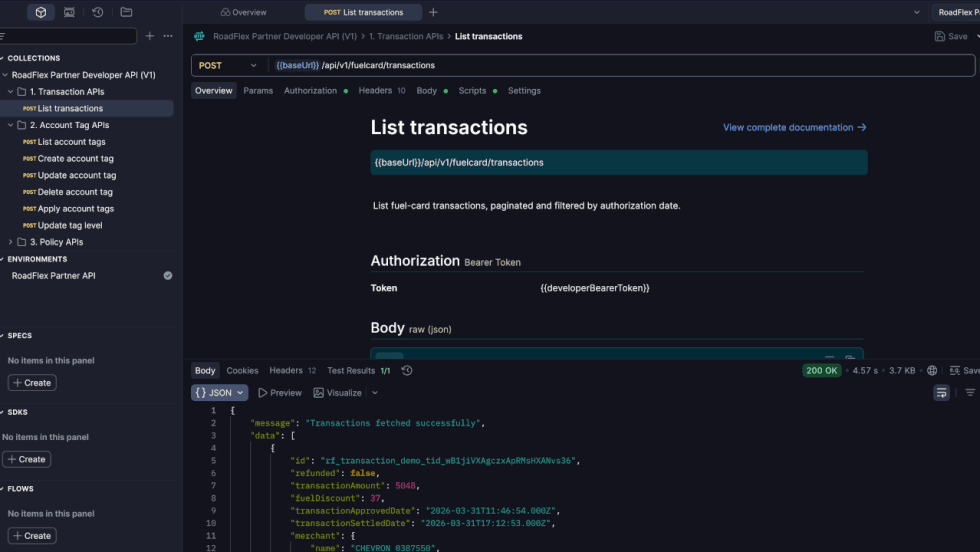
RoadFlex Launches RoadFlex Direct Open API Platform
RoadFlex Direct connects fuel cards, controls, and data to the telematics and fleet management systems fleets already run, from Geotab and Samsara to Fleetio and RTA, with no separate dashboard or double data entry.
Read More →
The Key to Fuel Efficiency Sits in the Cab
Learn how driver behavior, telematics, coaching, and fuel data can help fleets improve fuel efficiency, lower costs, and reduce emissions.
Read More →