




PHH Arval Launches New Regulatory and Compliance Service for Truck Fleets
SPARKS, MD – PHH Arval, a subsidiary of PHH Corporation, has introduced a new program to help fleets with trucks stay in compliance with U.S. federal safety regulations.
SPARKS, MD – PHH Arval, a subsidiary of PHH Corporation, has introduced a new program to help fleets with trucks stay in compliance with U.S. federal safety regulations. PHH’s Department of Transportation (DOT) Regulatory and Compliance service targets fleets with vehicles that are over 10,000 pounds gross or combined weight, which are categorized as commercial vehicles and subject to regulatory compliance laws.
According to the Federal Motor Carrier Safety Administration, more than 23 percent of vehicles inspected were deemed out-of-compliance in 2006, costing their companies millions of dollars in fines. For cost-conscious businesses, it’s a priority to successfully manage this aspect of their fleets.
PHH’s DOT Regulatory and Compliance service helps companies keep their trucks legally and safely on the road and covers the full spectrum of compliance-related needs, including:
Expert consultation, assessment of compliance with Federal Motor Carrier Safety Regulations (FMCSR).
DOT audit support.
Driver qualification file management.
Driver log audit service.
Drug and alcohol management program.
DOT annual inspection scheduling.
Maintenance records management.
Licensing and permit renewals.
Management of DOT-reportable accidents.
Internet-based reporting.
Consolidated billing.
The DOT Regulatory and Compliance service is the latest addition to PHH Arval’s full suite of capabilities for the commercial truck fleet. From financing and acquisition, through management services, information management, and resale, PHH Arval experts help truck fleets operate more productively.
More Leasing
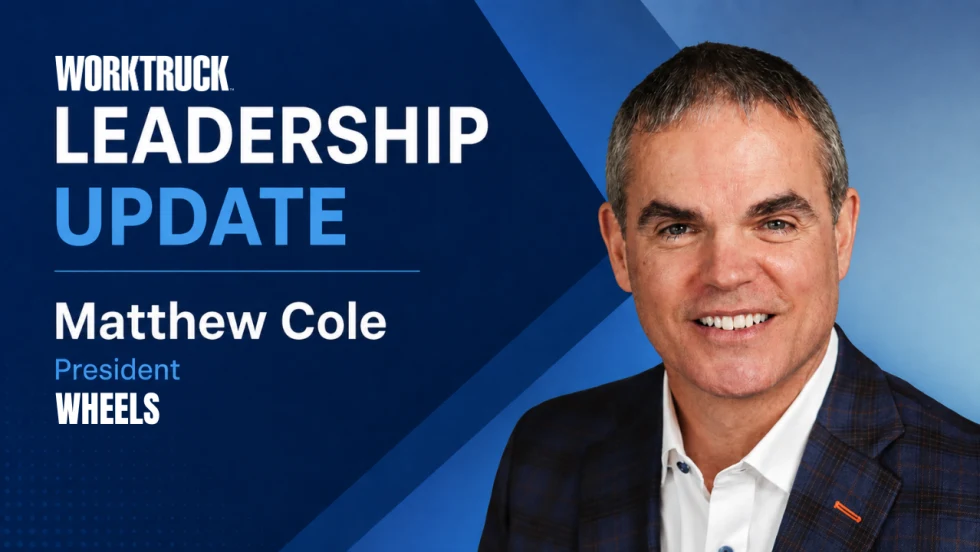
Wheels Names Matthew Cole President to Advance Fleet Technology and Growth
Matthew Cole brings more than 30 years of automotive and technology leadership to Wheels, including experience with connected and software-defined vehicle technologies.
Read More →
Why Fleets Need More Flexibility in Financing and Asset Strategy
Vehicle costs, resale values, and demand keep shifting. See how fleets can balance leasing, financing, ownership, and rentals without adding unnecessary complexity.
Read More →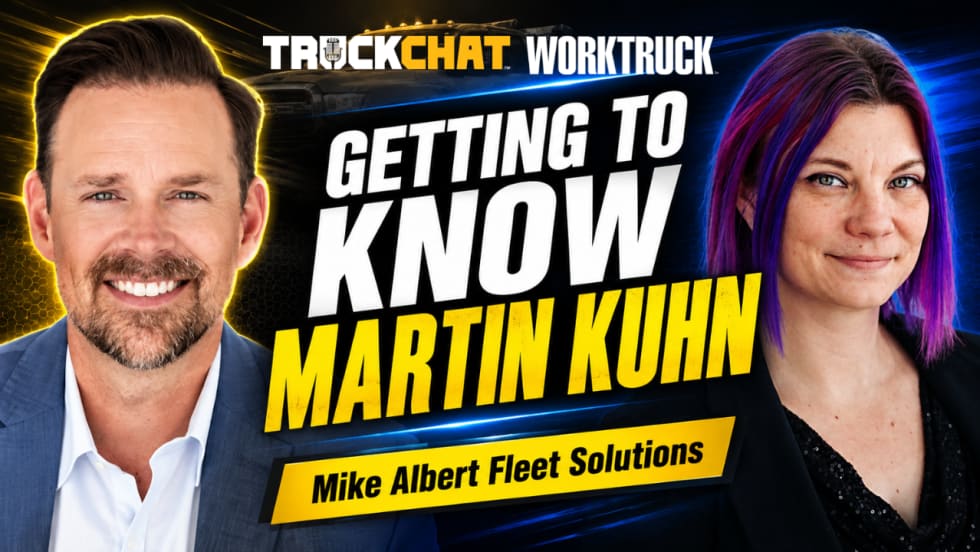
What Mike Albert Fleet Solutions’ New CEO Says Will Change for Fleets
Martin Kuhn explains why investments in technology and people are coming, but access to personal customer service must remain the same for fleets of every size.
Read More →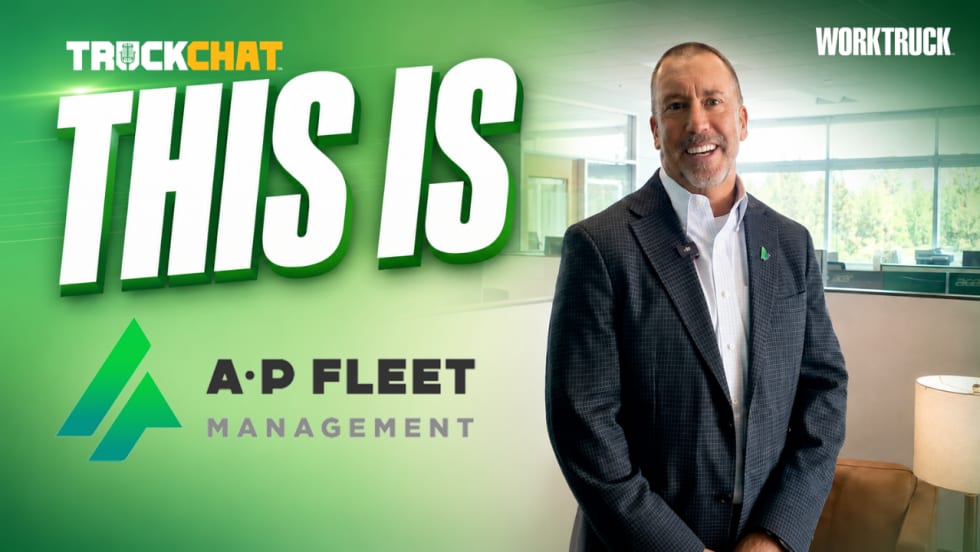
Inside AP Fleet Management’s Move From Financing to Fleet Services
AP Fleet Management President Alex Coveney explains how the company grew from equipment financing into fleet services and what shaped its customer-first approach.
Read More →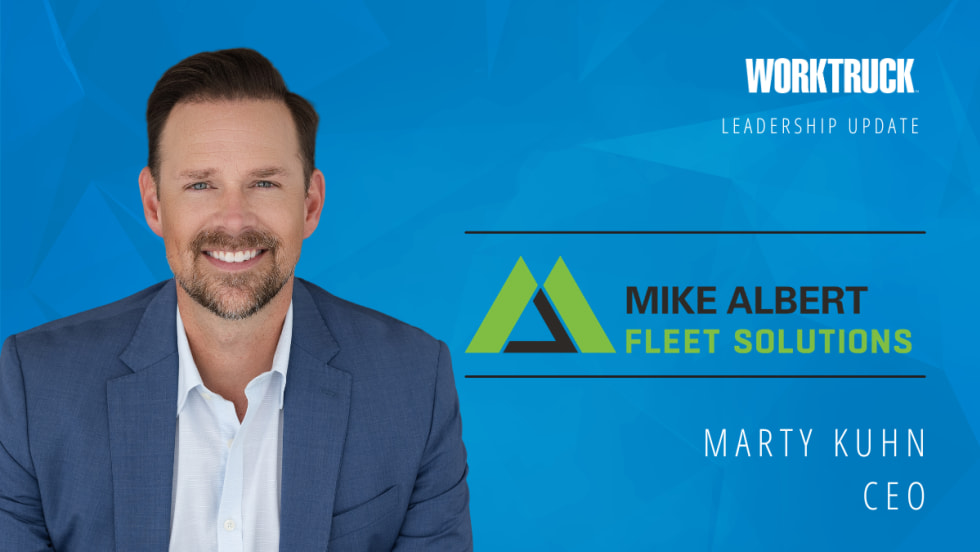
Mike Albert CEO Marty Kuhn Sees Technology and Upfitting Driving Fleet Success
New CEO Marty Kuhn highlights work-ready upfitting, fleet technology, and AI-powered insights as key parts of Mike Albert's strategy.
Read More →
Union Leasing Announces New Identity as Moventum Fleet Management
Union Leasing becomes Moventum Fleet Management, reflecting its expanded focus on full-service fleet management and growth.
Read More →
Merchants Fleet Evolves FleetShare
Merchants Fleet’s upgraded FleetShare platform boosts efficiency with keyless access, real-time data, telematics integration, and tools for smarter, scalable fleet management.
Read More →
Element and Motus Team Up to Offer Smarter Mobility Options for Fleets
The goal? Help companies optimize costs, simplify compliance, and support drivers, no matter what they’re driving.
Read More →
Fleet Managers: It's Time to Evaluate Your FMC!
Help shape fleet services! Share your insights in the 2025 Fleet Management Company Research survey. Quick, anonymous, and impactful for fleets of all sizes.
Read More →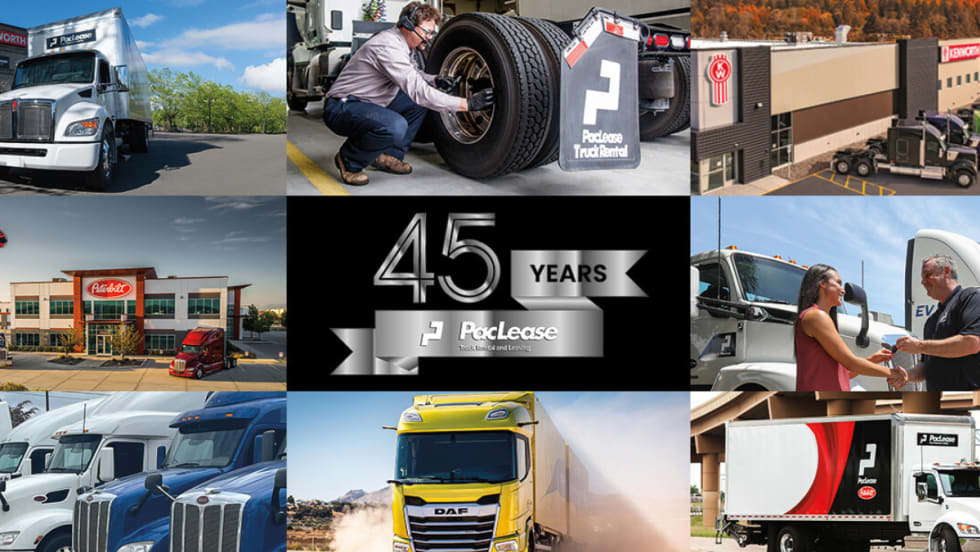
PacLease News: PacLease Celebrates 45th Anniversary
Paccar Leasing’s PacLease marks 45 years of full-service leasing operations, growing from 17 franchises to a global network supporting nearly 41,000 vehicles across five countries.
Read More →