




Obama Orders Higher Fuel Standards for Trucks
President Barack Obama will direct federal agencies on February 18 to develop higher fuel economy standards for medium- and heavy-duty trucks over the next two years by March of 2016.

OBAMA

OBAMA
Federal standards for medium- and heavy-duty trucks will be raised over the next two years in an effort to reduce oil consumption and carbon emissions, President Barack Obama announced Tuesday.
Obama appeared at a Safeway grocery store in Upper Marlboro, Md., on Tuesday morning to make the announcement. A fact sheet outlining the move was posted on the White House Website.
Using an executive order, Obama will direct the Environmental Protection Agency and Department of Transportation to develop new rules for medium- and heavy-duty vehicles by March 2016. The standards would cover vehicles weighing more than 8,500 pounds.
The new standards will build on standards for medium- and heavy-duty vehicles imposed on 2014-18 model-year vehicles imposed in 2011. The new standards will result in huge savings in fuel costs to fleet operators, according to the fact sheet.
Obama cited Aramark, Coca-Cola, Staples, UPS, AT&T, Enterprise Holdings, and Waste Partners as examples of corporate fleets that have reduced diesel and gasoline use by incorporating alternative fuels, electric vehicles, and other fuel-saving measures. To date, 23 major companies have joined the National Clean Fleets Partnership.
"The President has directed his Department of Energy to provide each company that wants to partner with specialized resources, technical expertise and support in developing a comprehensive strategy to reduce fuel use and achieve greater efficiency and cost savings," according to the fact sheet.
The Department of Energy has partnered with Cummins, Volvo, Navistar, and Daimler Truck North America (makers of Freightliner) to increase engine efficiency and overall fuel economy from about 6.5 miles per gallon to about 9.75 miles per gallon.
Cummins endorsed the new standards as a way to help fleets save on fuel costs, according to a statement.
"The first phase of these regulations provides a strong foundation that recognizes the needs of business while offering clear direction to create innovative technologies," said Rich Freeland, a vice president and president of the company's engine business. "With the announcement today, it is clear that the government will again take a collaborative approach."
Since 2010, SuperTruck partners Cummins and PACCAR's Peterbilt Motors Company have demonstrated a 20 percent increase in engine efficiency and a 70 percent increase in freight efficiency, reaching over 10 miles per gallon under real world driving conditions on a Class 8 tractor-trailer.
The Diesel Technology Forum said the initiative establishes new challenges that would pave the way for increased reliance on clean-diesel technology.
"Today's announcement sets up the next challenge for clean diesel technology to further improve fuel efficiency and reduce greenhouse gas emissions from commercial vehicles including medium and heavy duty trucks and buses," said Allen Schaeffer, the forum's executive director.
Right now, 2.86 million of the 8.8 million heavy duty trucks in the U.S. (32.5 percent) meet the first-generation clean diesel standards for model year 2007 engines. Of all trucks on the road today, 1.29 million (14.7%) meet the even more stringent clean diesel standards for 2010 and later model year engines, Schaeffer said.
Related:
Obama Energy Trust Would Fund Alternative Vehicle Technologies
Originally posted on Automotive Fleet
More Fuel

The Smart Way to Build a Mixed-Energy Fleet Isn’t About Picking a Side
Mixed-energy fleets aren’t about picking a winning fuel. Sarah Booth of WEX explains how vehicle data, duty cycles, charging strategy, and real-world costs can help fleets choose the right energy source for each job.
Read More →
Ignoring This Dashboard Warning Could Cost Your Fleet Thousands in Fuel
New research suggests neglected diesel aftertreatment systems could waste up to $30 in fuel per vehicle each day. Here's why vocational fleets should pay attention.
Read More →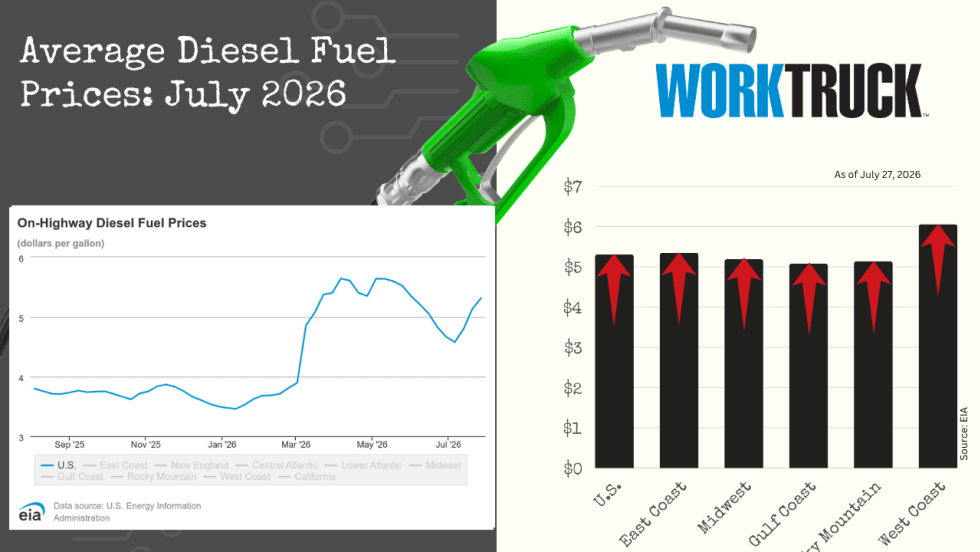
July Diesel Trends Update
The average price of a gallon of diesel increased again this week, and the EIA reported a new national average of $5.31 at the start of the week.
Read More →
WEX Brings Standard Fleet's Connected Vehicle Platform to Fleet Customers
This week’s product launch with Standard Fleet’s connected vehicle platform reflects WEX Venture Capital's strategy of turning startup innovation into customer solutions. Standard Fleet is now available to WEX fleet customers.
Read More →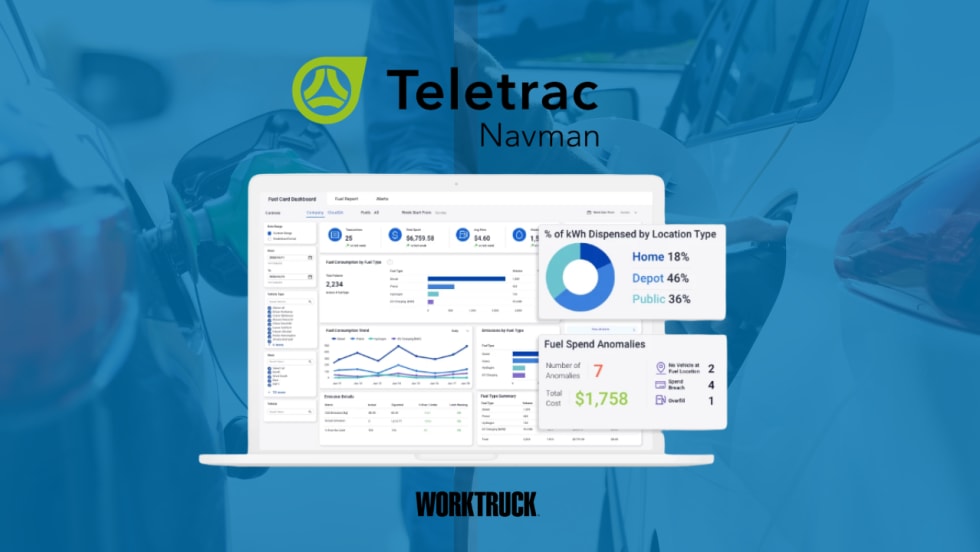
Teletrac Navman Adds Mixed-Energy Fleet Tools to TN360
The new Energy Hub combines fuel transactions, EV charging data, vehicle range, and energy costs in one dashboard for fleets operating multiple vehicle and energy types.
Read More →
WEX DriverDash adds CITGO, Expands Nationwide Access for Fleets
The DriverDash mobile payment app, by WEX, has been integrated into the CITGO merchant network, which means WEX has expanded its U.S. station footprint with the addition of approximately 4,000 CITGO locations.
Read More →
Mixed Energy Fleet Tips for Balancing EVs, Gas and Diesel Vehicles
Mixed energy fleets are becoming the new normal. Learn how fleet managers are balancing EVs, gas and diesel vehicles while controlling costs and planning for the future.
Read More →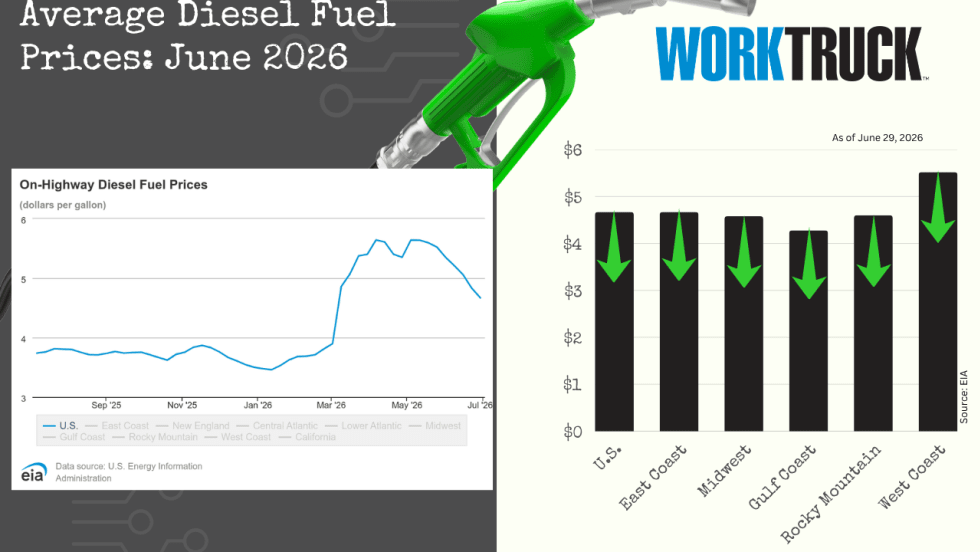
June Diesel Trends Update
The national average price of a gallon of diesel has dropped again, this week by more than 16 cents. All five regions reported lower average prices, ranging from almost 13 cents to more than 28 cents cheaper than a week ago.
Read More →
RoadFlex Launches RoadFlex Direct Open API Platform
RoadFlex Direct connects fuel cards, controls, and data to the telematics and fleet management systems fleets already run, from Geotab and Samsara to Fleetio and RTA, with no separate dashboard or double data entry.
Read More →
The Key to Fuel Efficiency Sits in the Cab
Learn how driver behavior, telematics, coaching, and fuel data can help fleets improve fuel efficiency, lower costs, and reduce emissions.
Read More →