




Meijer Places First U.S. EPA 2010 Fleet Order with Daimler Trucks North America
PORTLAND, OR - Daimler Trucks North America (DTNA) announced that Meijer, an EPA SmartWay award-winning retailer, had placed the nation's first fleet order for U.S. EPA 2010 trucks with the company.
PORTLAND, OR - Daimler Trucks North America (DTNA) announced that Meijer, an EPA SmartWay award-winning retailer, had placed the nation's first fleet order for U.S. EPA 2010 trucks with the company. Meijer purchased 40 EPA 2010 Freightliner Cascadia trucks equipped with Detroit Diesel DD13 engines with the new evolutionary BlueTec emissions technology.
On behalf of Detroit Diesel Corporation, Daimler Trucks and DTNA recently invested more than $2 billion toward the development and commercialization of the successful new Detroit Diesel engine family, BlueTec emissions technology and the modernization of Detroit Diesel's engine production facilities. The DD13 engine is one of a family of new fuel efficient, reduced-emission engines developed by Detroit Diesel in collaboration with the Department of Energy 21st Century Truck Partnership Program. Introduced in 2008, the new engine was designed to meet current and future emission regulations while reducing fuel consumption and dependence on foreign oil.
Meijer is a Grand Rapids, Mich.-based retailer that operates 189 supercenters throughout the Midwest. Known for its innovative approaches to retailing, the company also has recently announced a variety of green initiatives, including the installation of rooftop wind turbines on a number of its stores. In October 2007, the U.S. Environmental Protection Agency SmartWay Transportation Partnership awarded Meijer its Environmental Excellence Award for leadership in conserving energy and lowering greenhouse gas emissions from its transportation and freight activities. The introduction of Freightliner aerodynamic trucks with Detroit Diesel BlueTec delivers near-zero tailpipe emissions and is a continuation of Meijer's green initiatives.
Detroit Diesel's DD13 engine was designed with BlueTec emissions technology and the upcoming EPA 2010 standards in mind. Detroit Diesel's BlueTec delivers a fuel economy of up to 5% compared to EPA 2007 engines, and is an evolution of the selective catalytic reduction (SCR) technology developed by Daimler which is used today by more than 200,000 trucks in Europe and Japan.
SCR is an emissions technology that treats NOx emissions downstream in the exhaust so that the engine can be tuned to run more efficiently and economically. SCR technology consists of an after-treatment catalyst system that allows engine exhaust to be treated with a non-hazardous fluid known as diesel exhaust fluid (DEF) that reduces harmful NOx into simple nitrogen and water.
For 2010 heavy duty on-highway trucks, like those purchased by Meijer, BlueTec is packaged in a proprietary 1-Box system that combines SCR technology with the diesel oxidation catalyst and the diesel particulate filter. DEF is stored in a refillable tank located on the driver side of the truck that can be refilled by the truck driver at during normal refueling stops.
According to Tom McCall, vice president of logistics for Meijer, the pairing of the aerodynamic Freightliner Cascadia with the DD13 engine effectively matched Meijer's criteria for reliability, fuel economy, durability and serviceability. The first delivery of the trucks is expected to take place in the fourth quarter of this year, well ahead of the emissions regulations scheduled to take effect January 1, 2010.
Daimler's commitment to meeting environmental challenges is reflected in the company's early adoption, research and development of SCR technologies to meet the needs of North American trucking.
More Green Fleet

Fleet Forward Conference Introduces One-Day Passes for 2026
New one-day registration gives fleet professionals the flexibility to attend Tuesday, Wednesday, or Thursday, with passes available for $199 through Sept. 18.
Read More →
CALSTART Rebrands as Catalyst Mobility, Will Combine with Forth in 2027
CALSTART has rebranded as Catalyst Mobility and will combine with Forth at the start of 2027. The new organization said it is poised to become one of the world's largest, strongest, and most impactful clean transportation nonprofits.
Read More →
Electric Truck and Charging Programs to Boost Sustainability at NY & NJ Ports
Together, the Port Authority of New York and New Jersey and CALSTART will electrify drayage and terminal operations serving the East Coast’s busiest container port. A pair of incentive programs totaling $45 million has launched to accelerate adoption of zero-emission drayage trucks and terminal tractors.
Read More →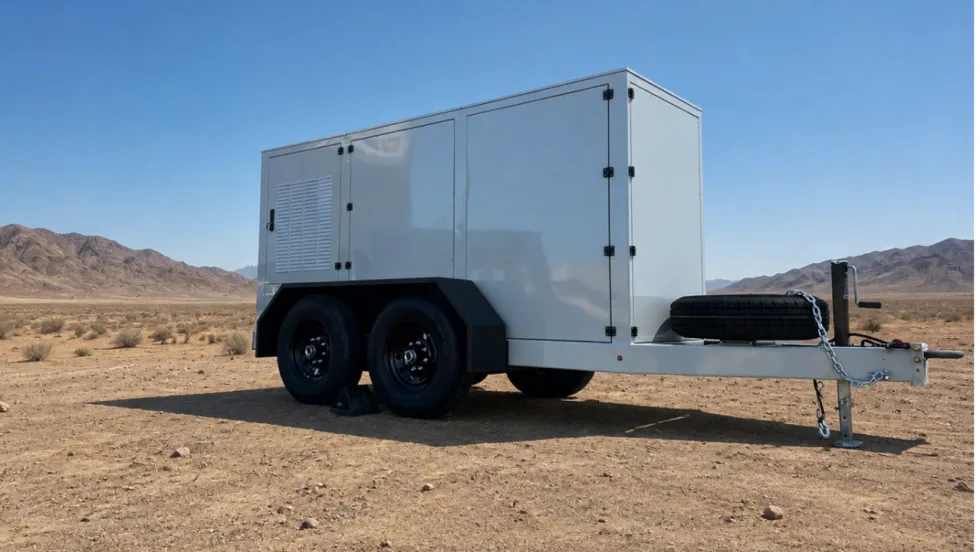
Xos Hub Surpasses One Gigawatt-Hour of Energy Delivered in the Field
A single Xos Hub has surpassed one gigawatt-hour of energy across more than 33,600 charging sessions in the field, demonstrating performance that supports Xos' expansion across new products and markets.
Read More →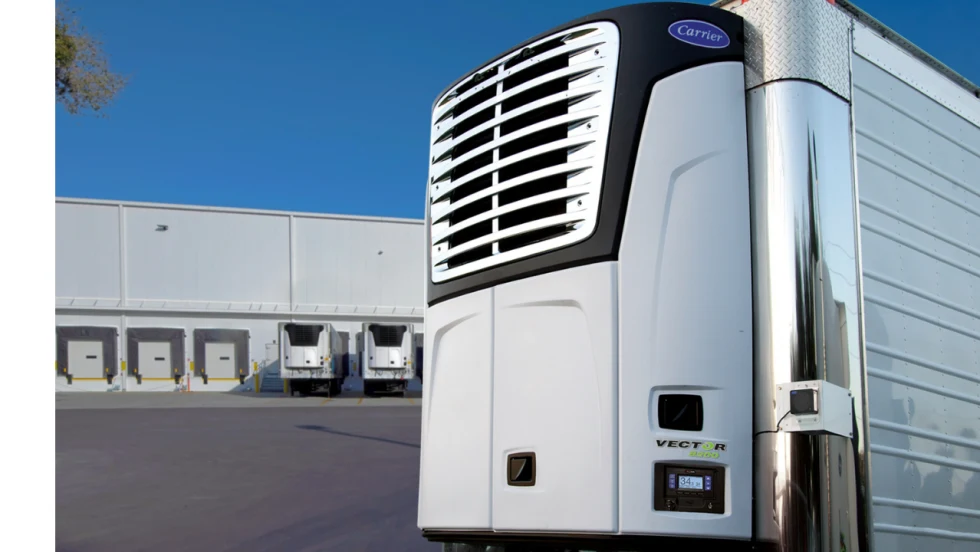
Carrier Transicold Launches All-Electric Vector 8200 TRU for Diesel-Free On-Site Cold Storage
Carrier Transicold’s first engineless multi-temperature TRU helps fresh- and frozen-food fleets add supplemental cold storage capacity during seasonal peaks.
Read More →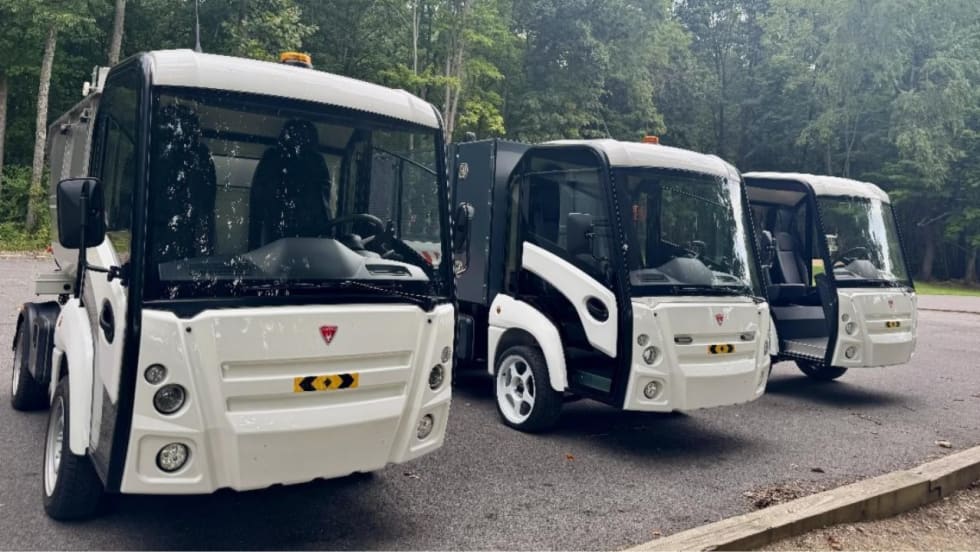
Narro Trucks Introduces Electric Utility Vehicle
Narro Trucks officially launched its operations on Aug. 20 and hosted a ride and drive to showcase its electric truck, which will be produced in Virginia.
Read More →
Samsung SDI Takes Full Control of GM Battery JV as Indiana Plant Pivots to Energy Storage
Samsung SDI is taking full control of its Indiana battery plant with GM, marking a major shift from the EV-focused joint venture Charged Fleet first covered in 2023.
Read More →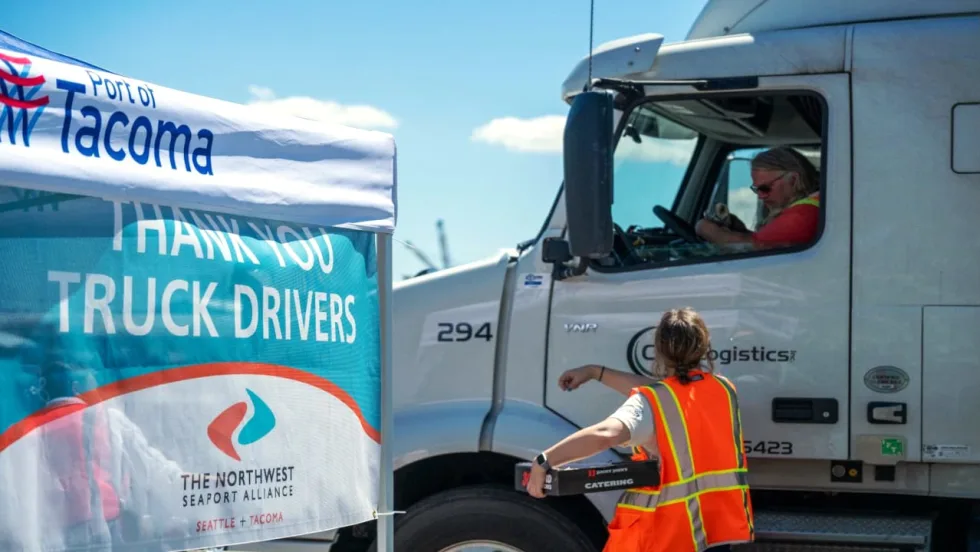
NWSA Taps CALSTART to Administer Zero-Emission Drayage Assistance Program
CALSTART will provide free technical assistance services to drayage fleets serving the Ports of Seattle and Tacoma and looking to transition to cleaner technologies and help decarbonize freight hubs.
Read More →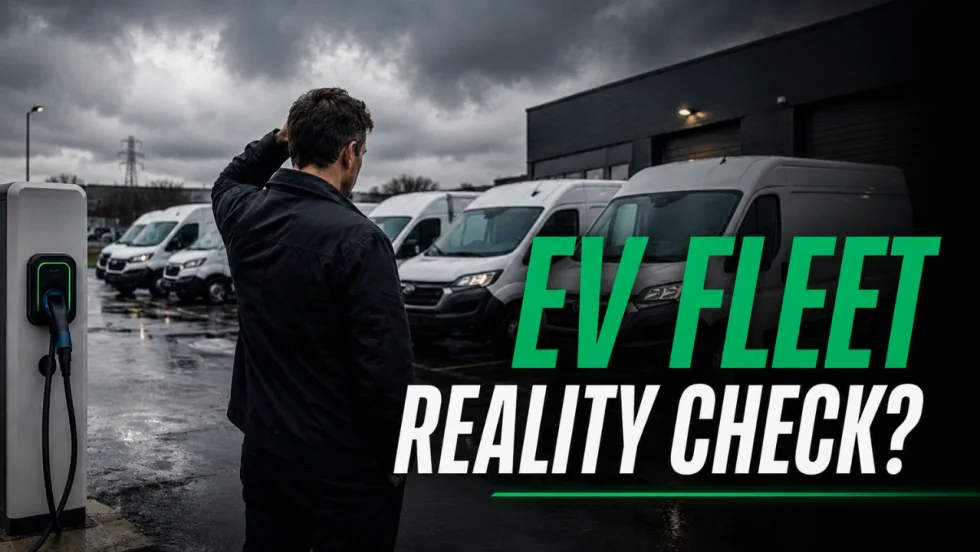
EV Fleet Reality Check: What Operators Wish They Knew Before Electrifying Their Work Vans
Electric work truck upfits bring new compatibility questions. Learn how parts availability, OEM guidance, power demands, and route planning can affect fleet performance.
Read More →
Peterbilt Expands Sourcewell Partnership with Electric Vehicle Lineup
Peterbilt Motors Company’s cooperative purchasing agreement with Sourcewell and its Canadian partner, Canoe Procurement Group, now includes including Peterbilt's battery-electric vehicle lineup.
Read More →