




HelloFresh Delivery Network Saves 200 Tons of Carbon with Rivian Electric Vans
HelloFresh cuts 200 tons of CO2 and saves 20K gallons of gas with Rivian electric vans across 14 markets, expanding its sustainable delivery fleet.
April 16, 2025

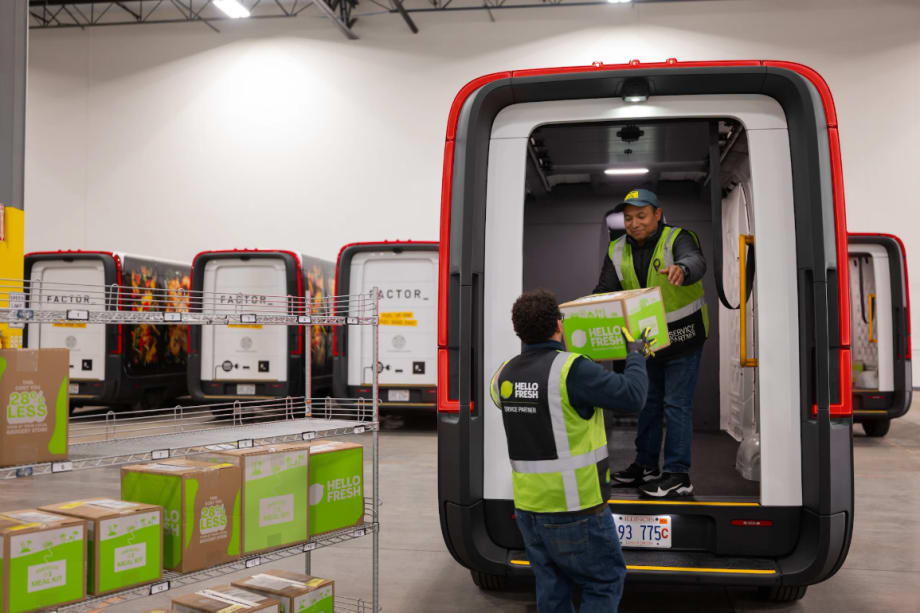
A HelloFresh driver loads a Rivian electric van for last-mile delivery, helping reduce emissions and streamline service in busy urban areas.
Photo: Rivian
3 min to read
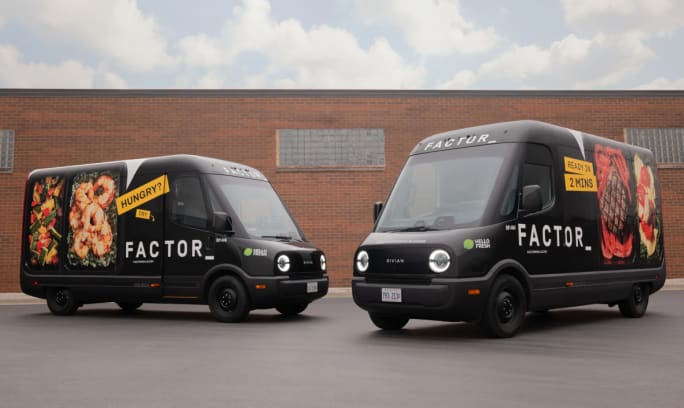
Rivian’s all-electric Commercial Vans, designed specifically for delivery fleets, power HelloFresh’s shift to cleaner, more efficient transportation.
Photo: Rivian
Rivian Automotive, Inc., an electric vehicle manufacturer, and HelloFresh, a global meal kit provider, have announced a major sustainability milestone: cutting more than 200 metric tons of carbon emissions through their partnership. The reduction is driven by the use of Rivian’s all-electric Commercial Vans, making HelloFresh Rivian's first major fleet customer since the company opened van sales to the public earlier this year.
HelloFresh has deployed 70 Rivian vans as part of its delivery fleet under the Factor brand.
“Fresh prepared food is one of the fastest growing grocery segments, and Factor leads the market with healthy, convenient, high-quality, ready-to-eat meals,” said Nunzio Di Savino, vice president of U.S. Logistics for HelloFresh. “We’re taking this opportunity to showcase Factor’s dedication to sustainability through impactful branding, including our delivery fleet.”
Electric Vans Help Drive Fleet Electrification and Emissions Reductions
With support from Rivian, nearly 25% of HelloFresh’s delivery fleet is now electric. The company has saved an estimated 20,000 gallons of gasoline and reduced carbon emissions by over 200 tons, the equivalent of the annual carbon capture of 300 acres of U.S. forest, after driving more than 250,000 miles.
The company’s delivery network also optimizes routes to minimize travel distances from distribution centers to customers, cutting fuel use, food waste, and packaging (reducing insulation and ice packs by 6% to 10% per box). With transit hubs in 14 urban markets, the use of electric vehicles reduces emissions caused by idling and frequent stops that are common in dense city areas.
Ben Kubik, senior program manager of Last-Mile Logistics at HelloFresh, said the transition to Rivian’s longer-range vans has unlocked new delivery routes that weren’t possible with earlier EV models.
“The Rivian Commercial Van is purpose-built for last-mile delivery,” Kubik said. “We can avoid things like turning the vehicle on and off 100+ times a day or idling in traffic and wasting gasoline.”
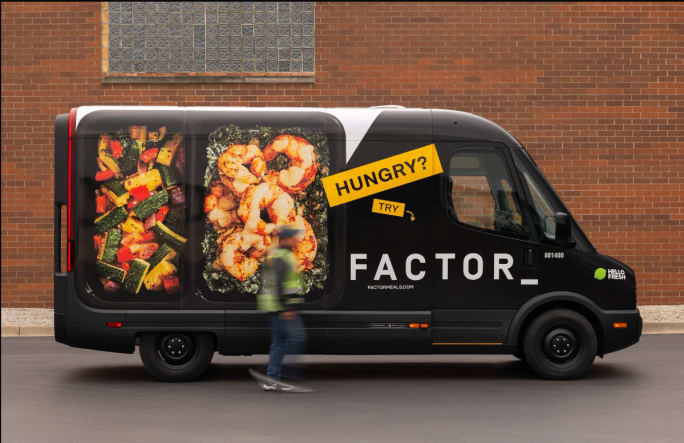
A Rivian Commercial Van, wrapped in Factor branding, prepares for a delivery run as HelloFresh expands its electric fleet initiative.
Photo: Rivian
Fleet Infrastructure and EV Strategy Built from the Ground Up
Kubik said HelloFresh spent the last year preparing for this rollout, installing more than 100 charging stations across its HelloFresh Delivery Network.
“There’s a lot of planning, budgeting, approvals, and construction to build the infrastructure necessary to incorporate EVs in a fleet,” he said. “Having our own charging infrastructure means we can charge our fleet in the most efficient way possible: overnight at our warehouse when the vans are not in use.”
HFDN also piloted more than 25 non-Rivian EVs over the past two years to fine-tune routing and delivery processes in advance of deploying Rivian’s longer-range vehicles. These preparations helped HelloFresh quickly scale its electrification goals from 10% of the fleet to 25%.
“Our leadership team saw the huge benefits that electrifying our fleet could bring,” Kubik said. “Fuel costs are more predictable, and long-term maintenance is reduced compared to traditional vans. With support from our fleet partner Ryder, we’ve eliminated all diesel units from our fleet.”
Partnership Delivers Results for HelloFresh and the Environment
Tom Solomon, vice president of B2B Growth and Business Development at Rivian, said, “We’re delighted that HelloFresh has joined us on our mission to cut emissions and protect our environment. HelloFresh delivers to millions of customers in the U.S., so by adding more electric vehicles to its fleet, it has not only helped reduce their carbon output but has improved air quality in cities across the U.S.”
Rivian’s Commercial Van is designed with safety and efficiency in mind, featuring automatic emergency braking, collision warnings, and 360-degree visibility. Its proprietary software supports streamlined fleet management and lowers overall cost of ownership.
To support this growing EV operation, HelloFresh is partnering with Ryder through the RyderElectric+ program, which provides electric vehicle advisory, leasing, and maintenance services.
More Green Fleet

Fleet Forward Conference Introduces One-Day Passes for 2026
New one-day registration gives fleet professionals the flexibility to attend Tuesday, Wednesday, or Thursday, with passes available for $199 through Sept. 18.
Read More →
CALSTART Rebrands as Catalyst Mobility, Will Combine with Forth in 2027
CALSTART has rebranded as Catalyst Mobility and will combine with Forth at the start of 2027. The new organization said it is poised to become one of the world's largest, strongest, and most impactful clean transportation nonprofits.
Read More →
Electric Truck and Charging Programs to Boost Sustainability at NY & NJ Ports
Together, the Port Authority of New York and New Jersey and CALSTART will electrify drayage and terminal operations serving the East Coast’s busiest container port. A pair of incentive programs totaling $45 million has launched to accelerate adoption of zero-emission drayage trucks and terminal tractors.
Read More →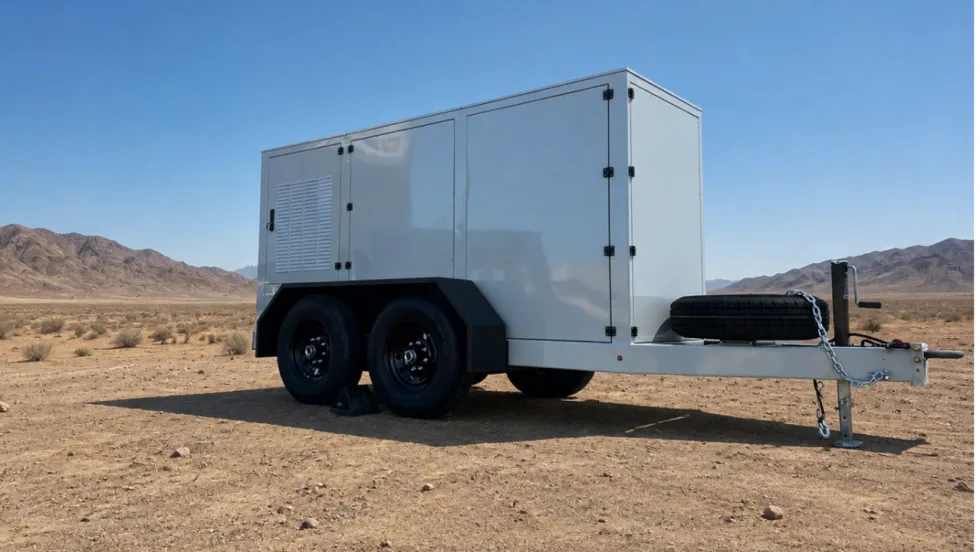
Xos Hub Surpasses One Gigawatt-Hour of Energy Delivered in the Field
A single Xos Hub has surpassed one gigawatt-hour of energy across more than 33,600 charging sessions in the field, demonstrating performance that supports Xos' expansion across new products and markets.
Read More →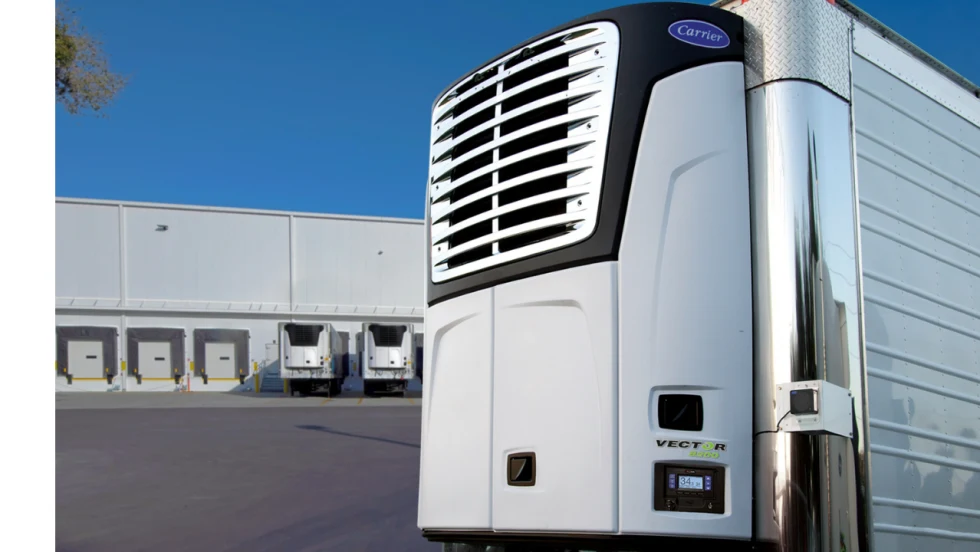
Carrier Transicold Launches All-Electric Vector 8200 TRU for Diesel-Free On-Site Cold Storage
Carrier Transicold’s first engineless multi-temperature TRU helps fresh- and frozen-food fleets add supplemental cold storage capacity during seasonal peaks.
Read More →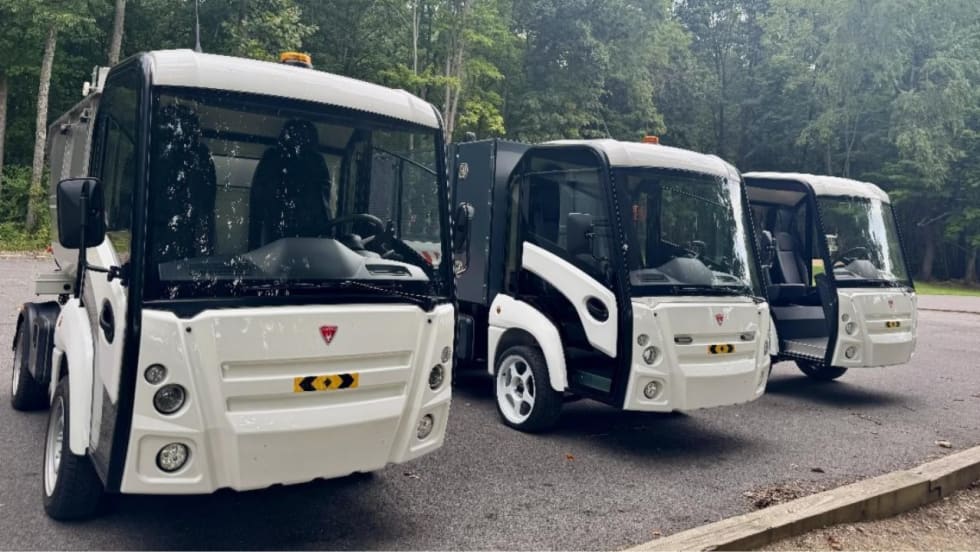
Narro Trucks Introduces Electric Utility Vehicle
Narro Trucks officially launched its operations on Aug. 20 and hosted a ride and drive to showcase its electric truck, which will be produced in Virginia.
Read More →
Samsung SDI Takes Full Control of GM Battery JV as Indiana Plant Pivots to Energy Storage
Samsung SDI is taking full control of its Indiana battery plant with GM, marking a major shift from the EV-focused joint venture Charged Fleet first covered in 2023.
Read More →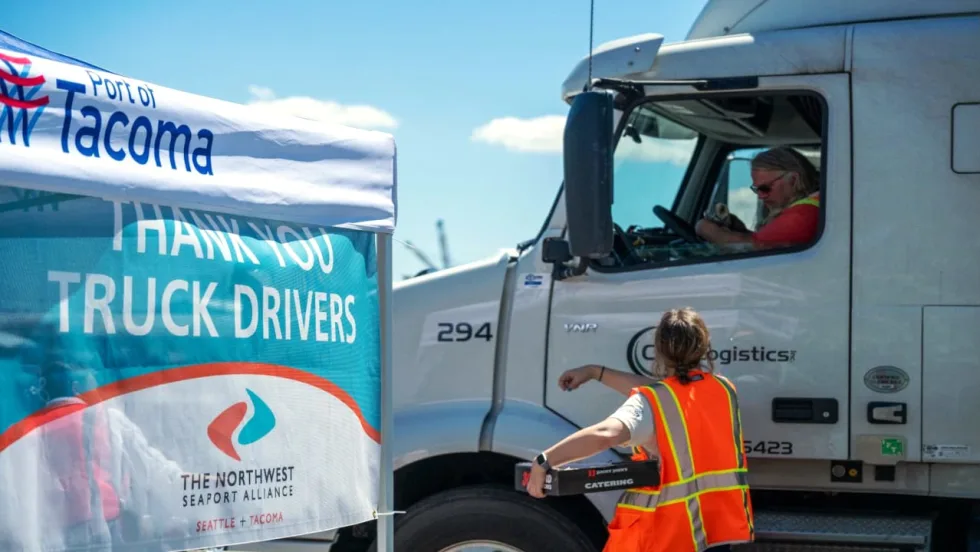
NWSA Taps CALSTART to Administer Zero-Emission Drayage Assistance Program
CALSTART will provide free technical assistance services to drayage fleets serving the Ports of Seattle and Tacoma and looking to transition to cleaner technologies and help decarbonize freight hubs.
Read More →
EV Fleet Reality Check: What Operators Wish They Knew Before Electrifying Their Work Vans
Electric work truck upfits bring new compatibility questions. Learn how parts availability, OEM guidance, power demands, and route planning can affect fleet performance.
Read More →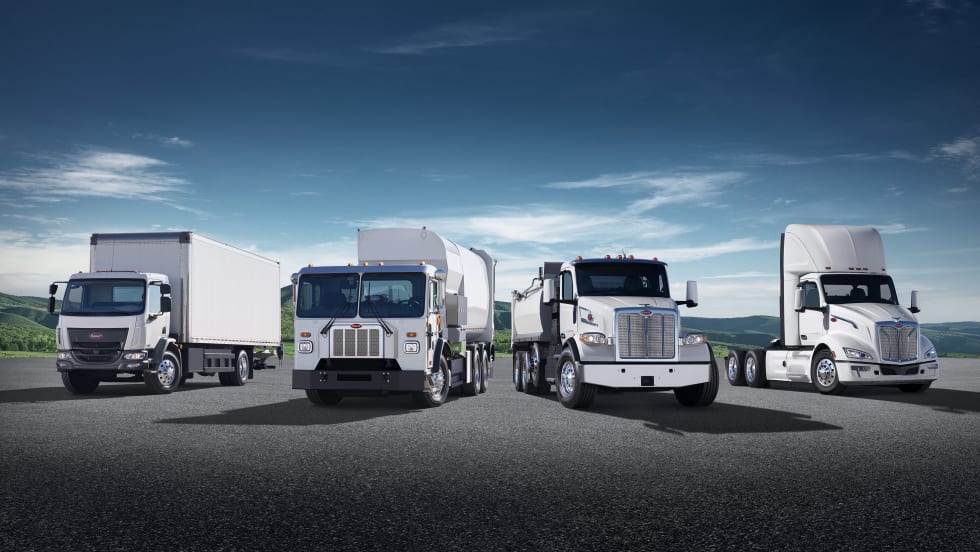
Peterbilt Expands Sourcewell Partnership with Electric Vehicle Lineup
Peterbilt Motors Company’s cooperative purchasing agreement with Sourcewell and its Canadian partner, Canoe Procurement Group, now includes including Peterbilt's battery-electric vehicle lineup.
Read More →