




Ford Highlights Electrified, Modified Vehicles
Ford Motor Co. partners will be showcasing a truck and vans upfitted from the three participants of its eQVM vehicle modifier program — XL Hybrids, Motiv Power Systems, and Lightning Systems — at the NTEA Work Truck Show this year.
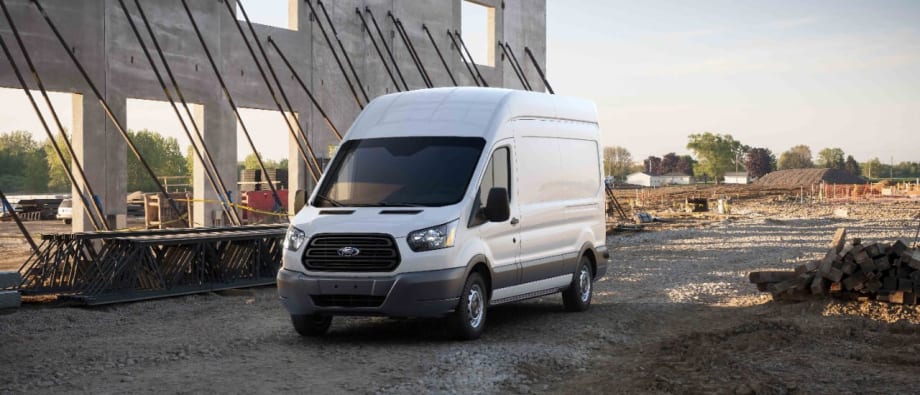
Photo of current Transit van courtesy of Ford.
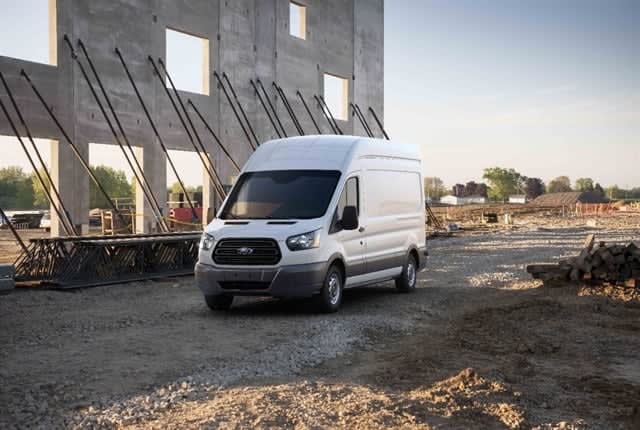
Photo of current Transit van courtesy of Ford.
Ford Motor Co. partners will be showcasing a truck and vans upfitted from the three participants of its eQVM vehicle modifier program — XL Hybrids, Motiv Power Systems, and Lightning Systems — at the NTEA Work Truck Show this year.
Lightning Systems will showcase a battery-electric full-size Transit Cargo Van, while XL Hybrids will showcase a plug-in electric hybrid F-150. Motiv Power Systems will showcase an electrified E-450 Cutaway.
“We have a program at Ford called the Qualified Vehicle Modifier (QVM) program. A few years ago, we started from a sustainability standpoint focusing on gaseous fuels such as propane and compressed natural gas,” said Dick Cupka, Ford’s commercial vehicles sustainability lead. “Just a couple of years ago, with the interest and the technology improving into electrification, we added a program called the eQVM program.”
The eQVM program, which was announced at the 2017 NTEA Work Truck Show, is a version of Ford’s QVM program that focuses on energy efficiency, such as electrification, he added.
Modified Electric Trucks at NTEA's Work Truck Show
The Colorado-based Lightning Systems — one of three fully qualified participants of Ford’s eQVM program — will have a full-sized battery electric Transit Cargo Van on display at Ford’s booth. The particular vehicle on display is a model ordered by FedEx Ground for one of its routes in New York. The van will have a 50-mile range, which the company has determined will suit its typical 25-mile route.
For operators with longer routes than that, Lightning Systems also offers vehicles with 100 miles or battery electric range.
XL Hybrids will display a PHEV F-150 that uses a blended hybrid operation. This blended operation means that XL’s F-150 will have traction motor, battery, and plug-in charger that a normal PHEV uses, however, the truck will also run its internal combustion engine at a low power output to run its peripherals, such as A/C and alternator.
XL Hybrid’s PHEV F-150 upfit is expected to produce a 50% fuel economy improvement on the first 80 miles driven after a full charge. So, as an example, if a truck is yielding an average 15 miles per gallon, an operator will see an average 22.5 miles per gallon for the first 80 miles after a full charge, according to Cupka.
Reasons that fleets may be interested in this kind of upfit would be reduced operating costs at a smaller cost of entry than a full PHEV upfit.
“There are customers that will find this appealing because it reduces operating costs, and what they will also like is that once they’ve used up the battery capacity, the car turns into a normal hybrid vehicle, which itself saves fuel [over a traditional ICE vehicle].”
Lastly, Motiv Power Systems will have an electrified E-450 Cutaway on display. The truck will be missing a body, to allow people to see the insides of the battery electric modified truck.
A representative of each of the three companies will be available near the displays; and literature on the different technologies will also be available for attendees.
Automotive Industry Leans Toward Electrification
Ford has long had a commitment toward showcasing sustainable trucks at the annual NTEA Work Truck Show. For the past eight years, the company has showcased trucks at the show that feature some sort of alternative fuel, such as natural gas or propane.
In the last couple years, however, sustainability in the automotive market has shifted toward electrification.
Cupka said that while he can’t disclose the specifics of Ford’s future portfolio items just yet, he can share that Ford has a clear interest in directly electrifying its commercial vehicles at some point. In the interim, fully qualified participants of its eQVM program will provide electrification upfits to fleets.
“Even when we have our own products, however, the commercial vehicle activity is so varied, that there are some niches that will never have sufficient volume for Ford Motor Co. to invest the assembly plant time and design time for,” Cupka said.
These niches, Cupka added, will be filled by its eQVMs. This means that even after battery electric versions of their vehicles are coming directly off of the Ford assembly line, Ford will continue to support its eQVMs.
“It wasn’t a decade ago that people were saying that there wouldn’t be electric trucks, and here we are. OEMs like Ford or others may not be as nimble or quick to adopt new technologies as some companies in the aftermarket are, but by working with them, we’ve been able to leverage their nimbleness to advance the technology quicker while also working with them to help ensure their upfits maintain the same OEM build quality that we produce,” said Cupka.
Originally posted on Automotive Fleet
More Green Fleet

Fleet Forward Conference Introduces One-Day Passes for 2026
New one-day registration gives fleet professionals the flexibility to attend Tuesday, Wednesday, or Thursday, with passes available for $199 through Sept. 18.
Read More →
CALSTART Rebrands as Catalyst Mobility, Will Combine with Forth in 2027
CALSTART has rebranded as Catalyst Mobility and will combine with Forth at the start of 2027. The new organization said it is poised to become one of the world's largest, strongest, and most impactful clean transportation nonprofits.
Read More →
Electric Truck and Charging Programs to Boost Sustainability at NY & NJ Ports
Together, the Port Authority of New York and New Jersey and CALSTART will electrify drayage and terminal operations serving the East Coast’s busiest container port. A pair of incentive programs totaling $45 million has launched to accelerate adoption of zero-emission drayage trucks and terminal tractors.
Read More →
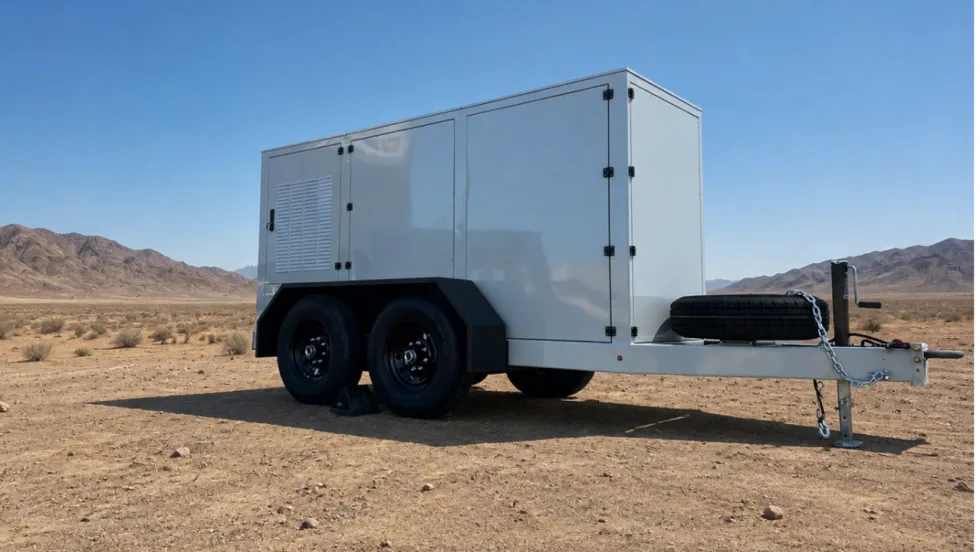
Xos Hub Surpasses One Gigawatt-Hour of Energy Delivered in the Field
A single Xos Hub has surpassed one gigawatt-hour of energy across more than 33,600 charging sessions in the field, demonstrating performance that supports Xos' expansion across new products and markets.
Read More →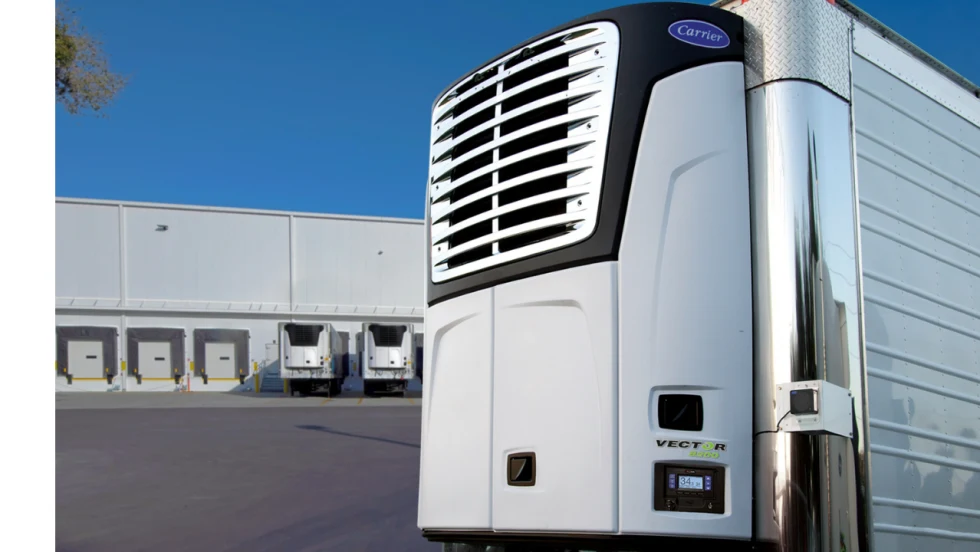
Carrier Transicold Launches All-Electric Vector 8200 TRU for Diesel-Free On-Site Cold Storage
Carrier Transicold’s first engineless multi-temperature TRU helps fresh- and frozen-food fleets add supplemental cold storage capacity during seasonal peaks.
Read More →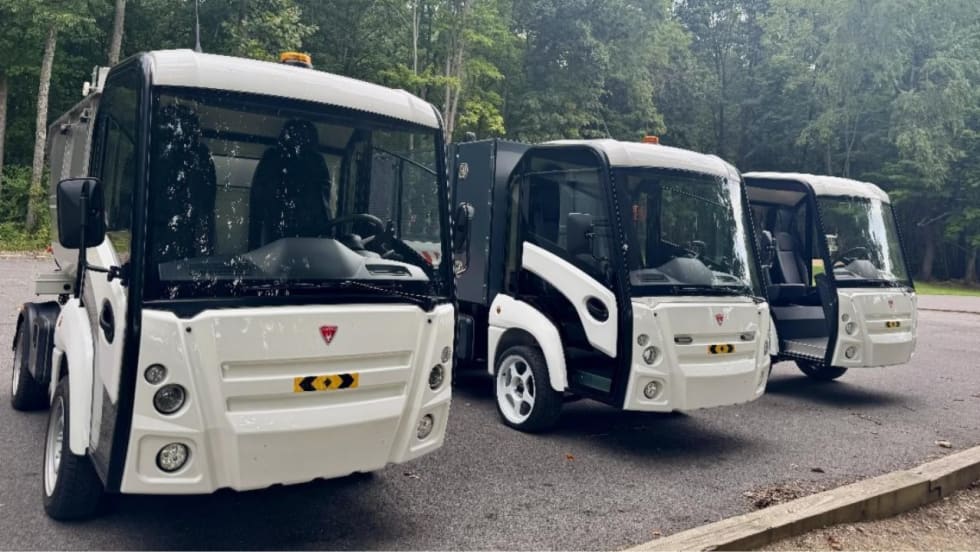
Narro Trucks Introduces Electric Utility Vehicle
Narro Trucks officially launched its operations on Aug. 20 and hosted a ride and drive to showcase its electric truck, which will be produced in Virginia.
Read More →
Samsung SDI Takes Full Control of GM Battery JV as Indiana Plant Pivots to Energy Storage
Samsung SDI is taking full control of its Indiana battery plant with GM, marking a major shift from the EV-focused joint venture Charged Fleet first covered in 2023.
Read More →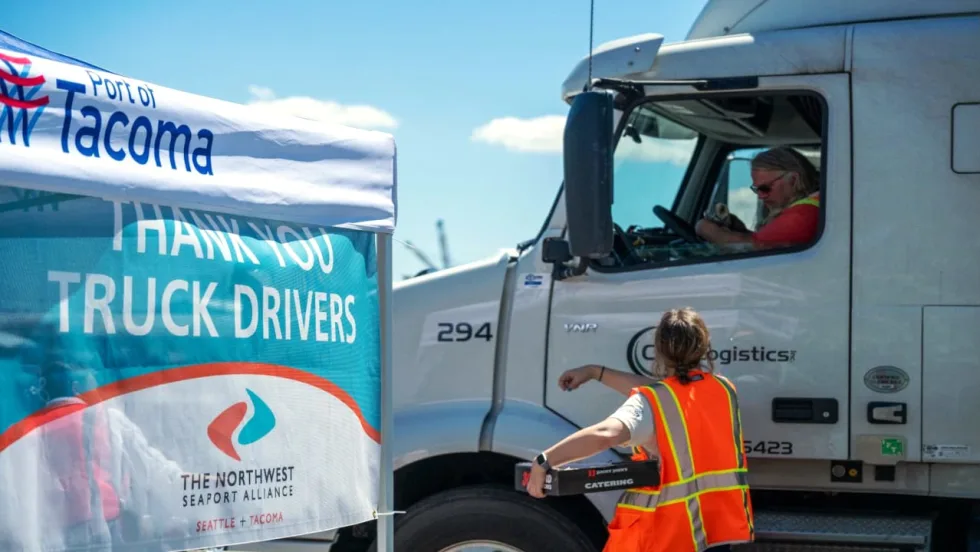
NWSA Taps CALSTART to Administer Zero-Emission Drayage Assistance Program
CALSTART will provide free technical assistance services to drayage fleets serving the Ports of Seattle and Tacoma and looking to transition to cleaner technologies and help decarbonize freight hubs.
Read More →
EV Fleet Reality Check: What Operators Wish They Knew Before Electrifying Their Work Vans
Electric work truck upfits bring new compatibility questions. Learn how parts availability, OEM guidance, power demands, and route planning can affect fleet performance.
Read More →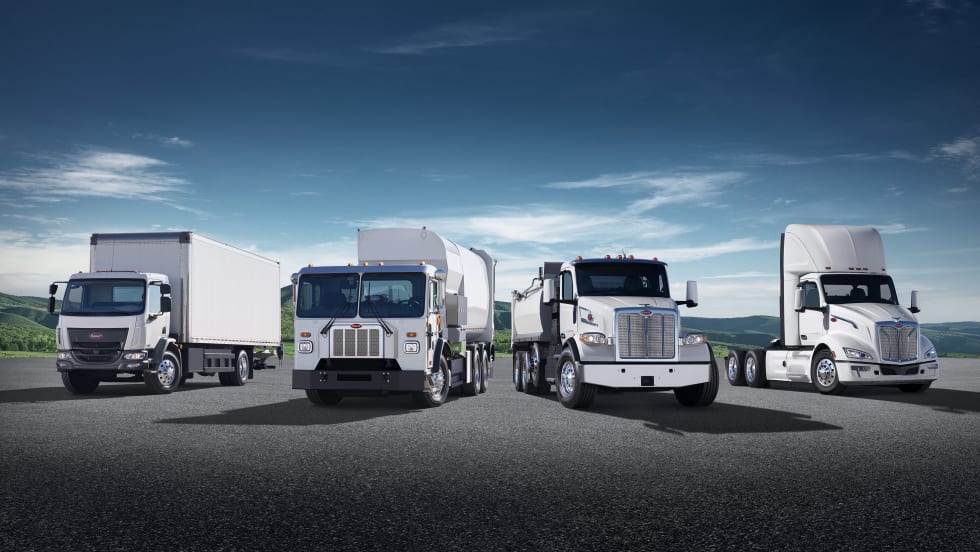
Peterbilt Expands Sourcewell Partnership with Electric Vehicle Lineup
Peterbilt Motors Company’s cooperative purchasing agreement with Sourcewell and its Canadian partner, Canoe Procurement Group, now includes including Peterbilt's battery-electric vehicle lineup.
Read More →