





Related: LeasePlan Launches Universal EV Charging Infrastructure Initiative
FirstEnergy Fleet Purchases Will Be 100% EV or Hybrid Starting 2021
FirstEnergy expects to electrify 30% of its approximately 3,400 light duty and aerial fleet vehicles by 2030, representing 1,034 vehicles.
September 24, 2020
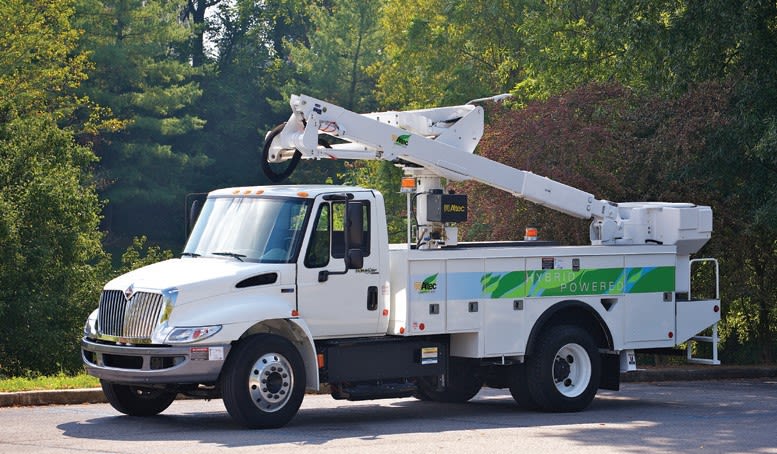
FirstEnergy expects to electrify 30% of its approximately 3,400 light duty and aerial fleet vehicles by 2030, representing 1,034 vehicles.
Photo: FirstEnergy
2 min to read
FirstEnergy Corp. announced that 100% of new fleet purchases of light-duty trucks will be electric or hybrid vehicles beginning in 2021.
Transitioning its vehicle fleet to these cleaner-powered options is part of FirstEnergy's larger efforts to reduce Greenhouse Gas (GHG) emissions companywide and support transportation electrification efforts in its six-state service area, according to FirstEnergy. FirstEnergy expects to electrify 30% of its approximately 3,400 light duty and aerial fleet vehicles by 2030, representing 1,034 vehicles, with the goal of reaching 100% electrification by 2050. This includes utility bucket trucks, small pickups, SUVs and other support vehicles.
The 30% fleet replacement target has the potential to annually eliminate approximately 10,000 metric tons of GHG emissions while saving more than 3.8 million gallons of fuel from 2021-2030.
"A team of employees tested versions of the hybrid vehicles in the field and determined we could get comparable operational benefits while substantially reducing emissions. We believe our efforts to lead by example in this area will help spur customer adoption of electric vehicles in the coming years," said Steven E. Strah, president, FirstEnergy.
Because fully electric aerial trucks are still under development, some of the new hybrid vehicles will feature plug-in idle mitigation units powered by battery packs for the lift or bucket, along with operating the truck's heating and air conditioning systems, according to FirstEnergy. These hybrid aerial trucks significantly reduce the amount of time the diesel engine operates, which also reduces air and noise pollution. Truck manufacturers estimate that utility vehicles idle in park for about 65% of their total engine hours, and an hour of engine idle is equivalent to using one gallon of fuel.
FirstEnergy's vehicle replacement process is based on the number of miles and the age of the current vehicles. Starting in 2021, hybrid light duty vehicles, such as pickup trucks, vans and SUVs, will be delivered to all FirstEnergy utilities. The plan is to increase all-electric light duty purchases as the charging infrastructure develops. Orders for the hybrid aerial trucks also have been placed and are expected to arrive next summer in the majority of FirstEnergy utility areas.
Part of FirstEnergy's vehicle replacement process includes a previously announced purchase agreement with Lordstown Motors, a start-up electric vehicle manufacturer in northeast Ohio, for 250 new all-electric pickup trucks.
Originally posted on Automotive Fleet
More Green Fleet
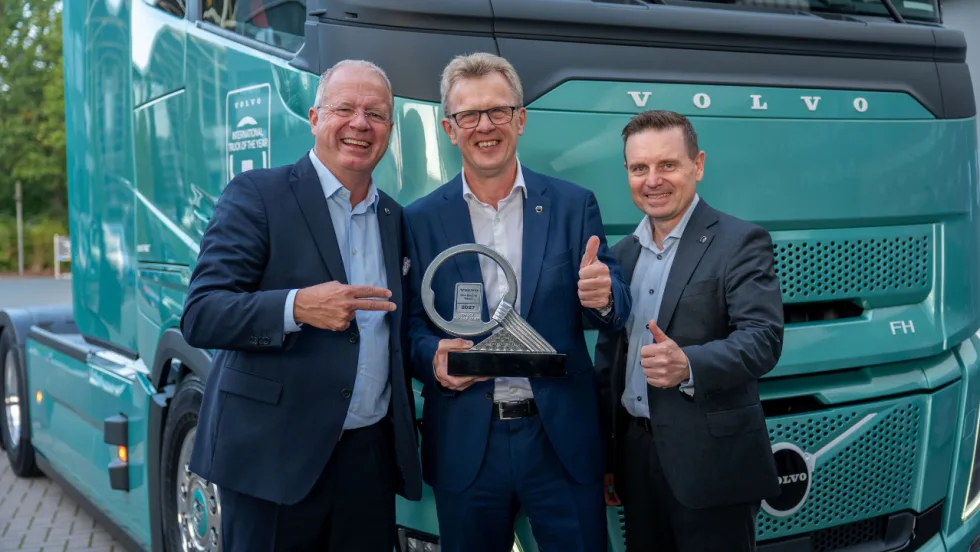
Volvo Trucks Wins International Truck of the Year 2027 for its Global Electric Range
Volvo Trucks' global heavy-duty electric range has been named International Truck of the Year 2027. Since 2019, more than 7,000 electric Volvo trucks have driven more than 310 million miles worldwide.
Read More →
Fleet Forward Conference Introduces One-Day Passes for 2026
New one-day registration gives fleet professionals the flexibility to attend Tuesday, Wednesday, or Thursday, with passes available for $199 through Sept. 18.
Read More →
CALSTART Rebrands as Catalyst Mobility, Will Combine with Forth in 2027
CALSTART has rebranded as Catalyst Mobility and will combine with Forth at the start of 2027. The new organization said it is poised to become one of the world's largest, strongest, and most impactful clean transportation nonprofits.
Read More →

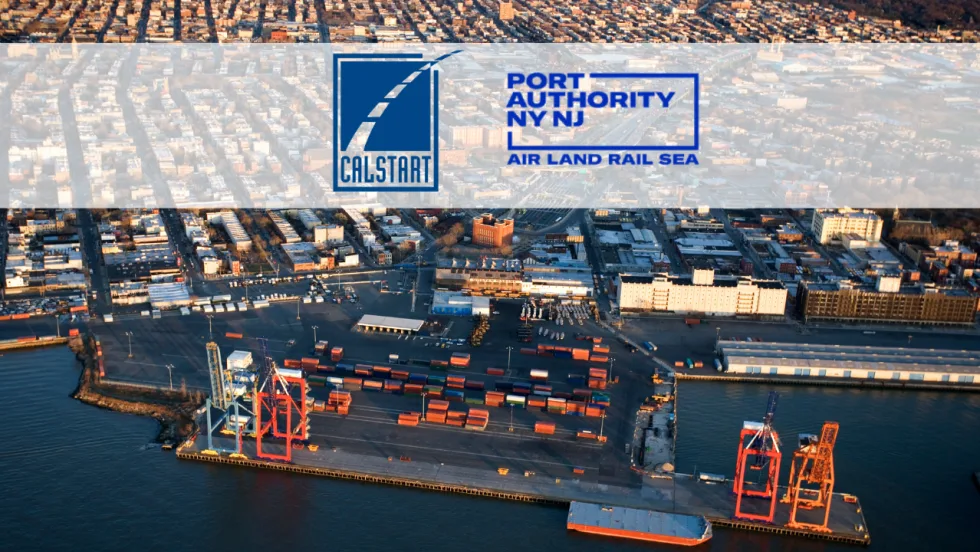
Electric Truck and Charging Programs to Boost Sustainability at NY & NJ Ports
Together, the Port Authority of New York and New Jersey and CALSTART will electrify drayage and terminal operations serving the East Coast’s busiest container port. A pair of incentive programs totaling $45 million has launched to accelerate adoption of zero-emission drayage trucks and terminal tractors.
Read More →
The Smart Way to Build a Mixed-Energy Fleet Isn’t About Picking a Side
Mixed-energy fleets aren’t about picking a winning fuel. Sarah Booth of WEX explains how vehicle data, duty cycles, charging strategy, and real-world costs can help fleets choose the right energy source for each job.
Read More →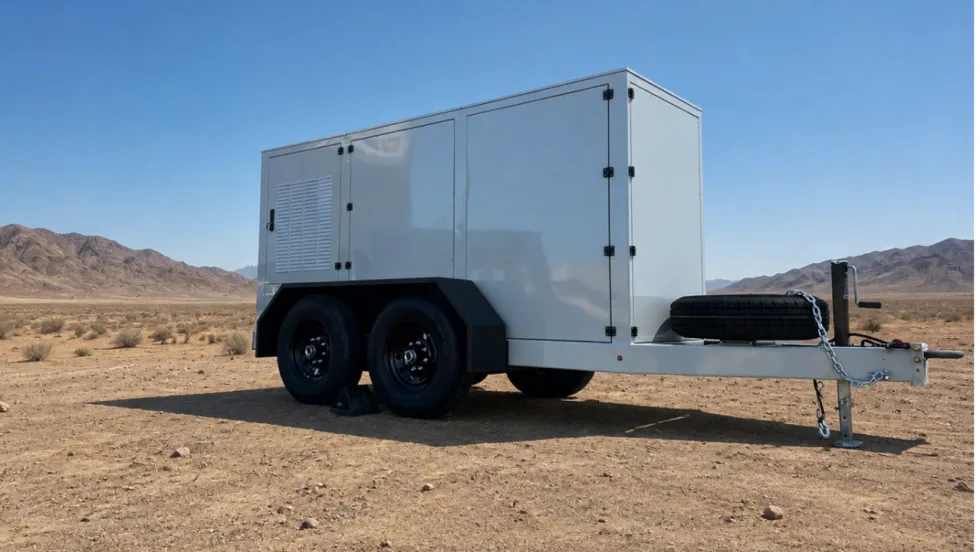
Xos Hub Surpasses One Gigawatt-Hour of Energy Delivered in the Field
A single Xos Hub has surpassed one gigawatt-hour of energy across more than 33,600 charging sessions in the field, demonstrating performance that supports Xos' expansion across new products and markets.
Read More →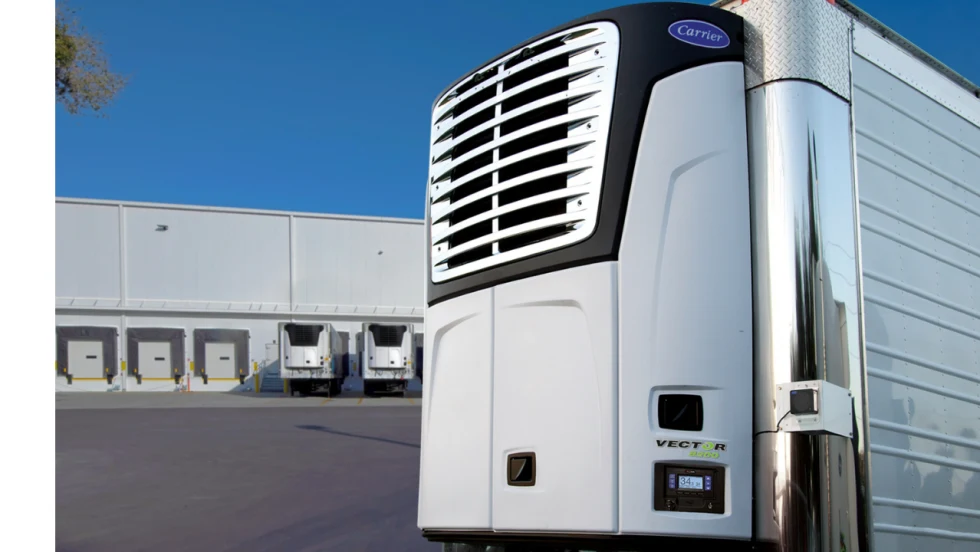
Carrier Transicold Launches All-Electric Vector 8200 TRU for Diesel-Free On-Site Cold Storage
Carrier Transicold’s first engineless multi-temperature TRU helps fresh- and frozen-food fleets add supplemental cold storage capacity during seasonal peaks.
Read More →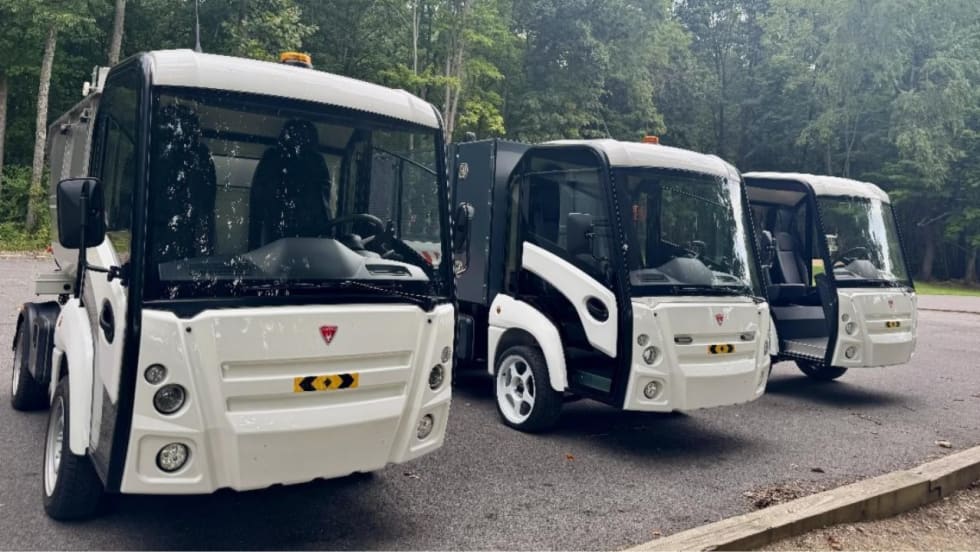
Narro Trucks Introduces Electric Utility Vehicle
Narro Trucks officially launched its operations on Aug. 20 and hosted a ride and drive to showcase its electric truck, which will be produced in Virginia.
Read More →
Samsung SDI Takes Full Control of GM Battery JV as Indiana Plant Pivots to Energy Storage
Samsung SDI is taking full control of its Indiana battery plant with GM, marking a major shift from the EV-focused joint venture Charged Fleet first covered in 2023.
Read More →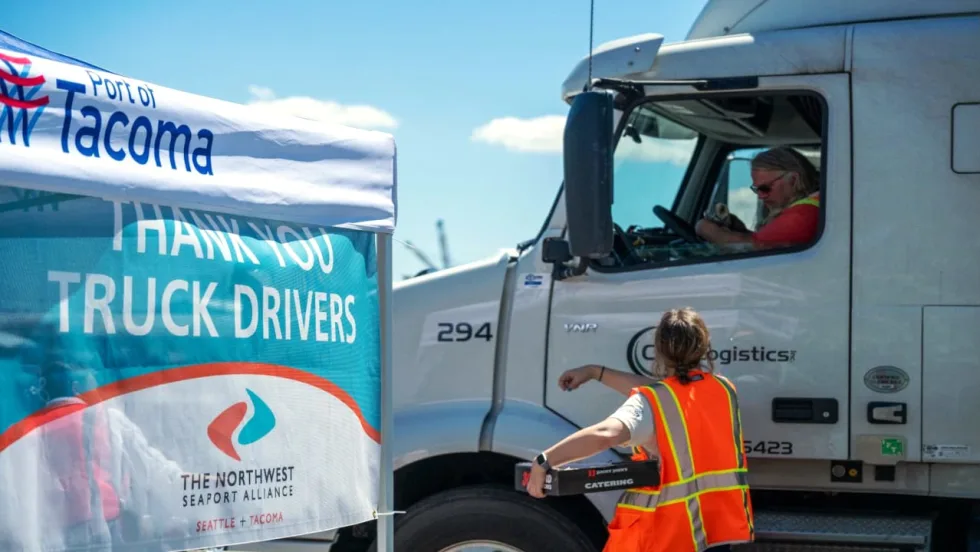
NWSA Taps CALSTART to Administer Zero-Emission Drayage Assistance Program
CALSTART will provide free technical assistance services to drayage fleets serving the Ports of Seattle and Tacoma and looking to transition to cleaner technologies and help decarbonize freight hubs.
Read More →