




Feds Award $10M to 7 States to Test Highway Financing Options
California, Delaware, Minnesota, Missouri, New Hampshire, Oregon and Utah are the recent recipients of Surface Transportation System Funding Alternatives grants totaling $10.2 million and awarded by the Federal Highway Administration.

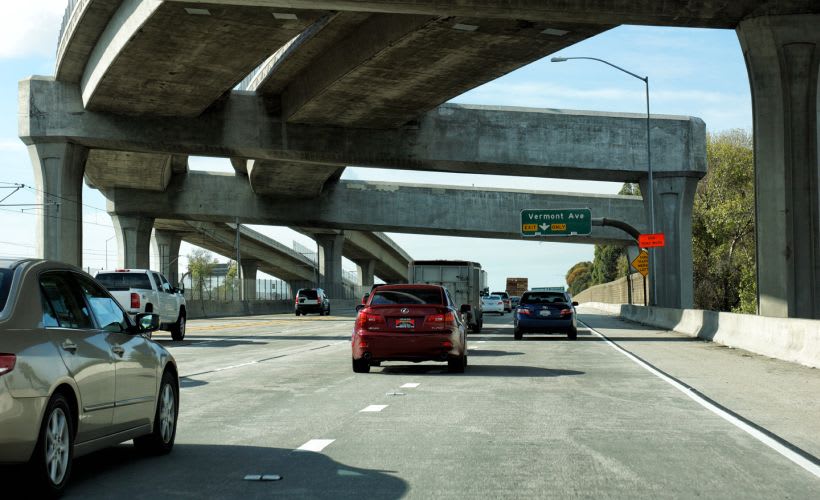
Seven states, including California (Interstate 105 shown), will receive federal transportation grants of $10.2 million.
Photo via SonySnob/Wikimedia.
California, Delaware, Minnesota, Missouri, New Hampshire, Oregon and Utah are the recent recipients of Surface Transportation System Funding Alternatives grants totaling $10.2 million and awarded by the Federal Highway Administration.
The grants allow states to test new and innovative ways to fund infrastructure improvements and maintenance on roads and bridges — making travel safer for all road users.
Specifically, the grants will pay for projects to test the design, implementation, and acceptance of user-based alternative revenue tools. The various state projects will investigate and evaluate diverse mileage-based and road-user charges, including for trucks and automated vehicles, and the implementation and operation of the technologies at a regional level.
For example, Minnesota will receive nearly $1 million to demonstrate the feasibility of distance based user fees through the shared mobility model, such as mobility-as-a-service providers. With a $1.2 million grant, Utah will pilot a road user charge program for alternative fuel vehicles including hybrid and electric vehicles. Delaware is receiving more than $3 million to explore the use of mileage-based user fees in a multi-state region. The project addresses the requirements for implementation, interoperability, public acceptance, and other potential hurdles across state lines.
The average annual capital investment necessary just to maintain highway and bridge conditions in the U.S. at 2010 levels is between $65 billion and $87 billion, according to a Committee for Economic Development report. More significant improvements to system performance would cost as much as $145.9 billion per year.
The grant program was designed to give states the opportunity to test alternative solutions to support the Highway Trust Fund, which relies primarily on the federal gas tax.
Originally posted on Automotive Fleet
More Safety & Compliance
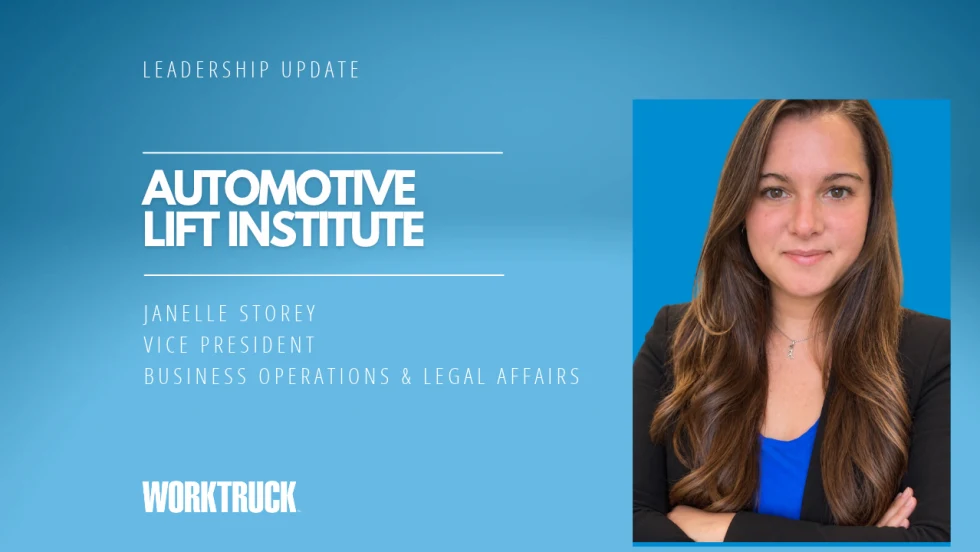
Automotive Lift Institute Promotes Vice President from Within
The Automotive Lift Institute has appointed Janelle Storey as vice president, business operations and legal affairs. She was named coordinator for the ALI Lift Inspector Certification Program in 2013, and later assumed responsibility for key aspects of ALI’s flagship Lift Certification Program.

The Difference a Word Makes in DOT Compliance
In fleet compliance, one word can change what’s required. Learn how FMCSR definitions help determine which rules apply to your trucks and drivers.

What Your Fleet's Brakes Might Be Telling You About Tailgating
Could frequent brake replacements reveal a driver following too closely? Learn how brake wear, driving habits, and maintenance costs connect.
From Our Partners
Recalls You Need to Know About in November 2026
If you have Altec, Autocar, Battle Motors, Chrysler, Daimler Truck, Ford, General Motors, Kalmar, Mack Trucks, Paccar, Rivian, Terex, Toyota, or Volvo Trucks vehicles in your fleet, you should check these important recalls issued by the National Highway Traffic Safety Administration.
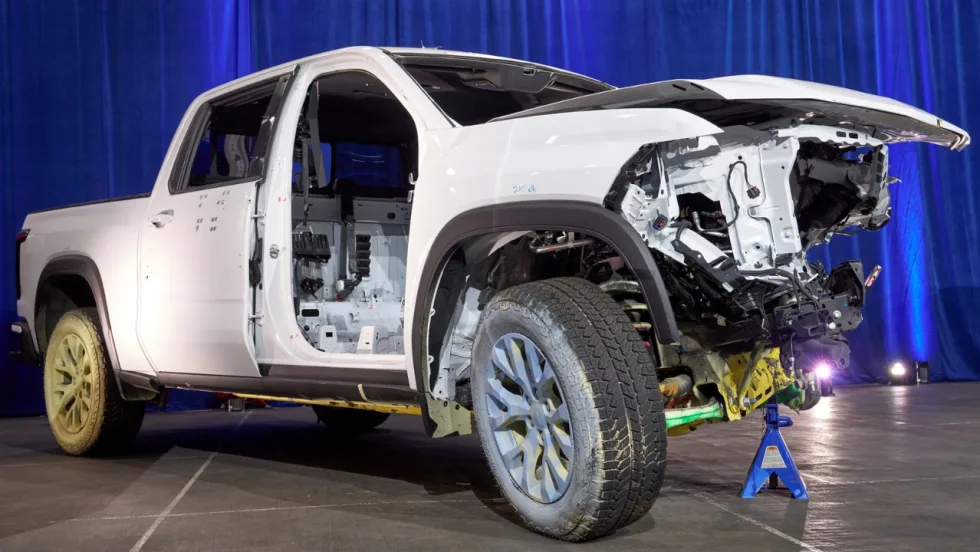
GM Runs 92,000 Virtual Crash Tests to Develop 2027 Chevrolet Silverado 1500
GM used 92,000 simulated crashes to evaluate the 2027 Chevrolet Silverado 1500's safety performance before confirming results through physical testing.
Thanksgiving Cargo Theft Risks Put Fleet Security in Focus
J. J. Keller shares cargo theft prevention tips for work truck fleets ahead of Thanksgiving, when parked vehicles and reduced staffing can increase security risks.
5 Winter Fleet Videos to Help Keep Trucks Running and Drivers Safe
From preventing cold-weather breakdowns to navigating icy roads, these five videos offer practical winter preparation tips for work truck fleets.
Navigating the Effects of Daylight Saving Time on Work Truck Fleets
Discover how daylight saving time impacts work truck fleets and get essential tips for fleet managers and drivers to navigate the "fall back" transition.
How Halloween Changes the Job for Work Truck Drivers
Truck traffic doesn’t take the same Halloween break as other drivers. What fleet managers should know about timing, neighborhood stops, and braking data.
Tips for Driving Safely on Halloween Night
This video features a reminder from the Connecticut Department of Transportation (DOT) and the Connecticut Police Chiefs Association, urging drivers to prioritize safety this Halloween.