




EPA to Require Sensors for Emissions in 2010
WASHINGTON – The U.S. Environmental Protection Agency (EPA) has issued its final rule requiring heavy-truck manufacturers to install onboard diagnostic systems starting in 2010 to alert drivers when engine emission systems are malfunctioning or deteriorating.
WASHINGTON – The U.S. Environmental Protection Agency (EPA) has issued its final rule requiring heavy-truck manufacturers to install onboard diagnostic systems starting in 2010 to alert drivers when engine emission systems are malfunctioning or deteriorating, according to Transport Topics.
The rule, modeled after one by the California Air Resources Board (CARB), is a follow-up action to ensure compliance with EPA’s emission regulations. The agency said it will reduce overall diesel emissions by more than 90 percent.
EPA said the rule was formally approved on Dec. 4, 2008, but at press time it had not yet been published in the Federal Register.
The requirement will provide truckers with a dashboard malfunction indicator light and diagnostic trouble codes similar to those that have been commonplace on passenger vehicles since the mid-90s.
A provision in the rule also will require manufacturers to make available information necessary for mechanics to perform repairs and maintenance service on OBD systems and related components.
Joseph Suchecki, a spokesman for the Engine Manufacturers Association, said the group is happy that many of its initial concerns with the proposed regulation were eliminated in the final rule, according to Transport Topics.
“We’re actually pleased with the job the EPA had done in changing the rule, providing some additional flexibility for us,” Suchecki said.
One of EPA’s major concessions, he said, was providing more flexibility in terms of nitrogen oxides and particulate matter sensors that have not yet been fully developed.
EPA estimates the new dashboard warning light will cost only $60-$70 per engine, but Suchecki said EMA thinks it will cost more.
Nonetheless, officials with both EMA and American Trucking Associations (ATA) said they were happy EPA set a single national OBD standard.
“We are pleased any time we have harmonization of a national standard, where there’s a one-size-fits-all,” said Glen Kedzie, ATA’s vice president and environmental affairs counsel. “We don’t want individual states to get too far out in front of other states.”
“At least we know what we’re getting into, wherever we are in the country, and it makes life easier for the manufacturers, knowing that they can develop one product line and be compliant in all 50 states,” Kedzie added.
But Kedzie said it remains to be seen just how accurate and durable the new sensor units will be.
The 475-page rule, highly technical and detailed, will apply to 2010 and later model-year engines and will be phased in gradually. Beginning in 2010, engine manufacturers will be required to produce one engine line for heavy-duty trucks that complies with the new rule. By 2013, the dashboard lights will be mandatory for all highway engines.
Without the warning device, a driver could easily not notice emission problems, the EPA regulation said.
In earlier public written comments, EMA and other groups expressed concern engine manufacturers would be challenged to meet the OBD requirements on time.
For example, the National Automobile Dealers Associations said the OBD rule would “require a major investment of manufacturer resources to invent the monitoring technology and develop it to a point that it can be used with confidence on 2010 and later engines.”
But in response, EPA said the sensors needed to comply with the requirements already are available and that the agency believes “they will exist in time for 2013 compliance, and we will keep abreast of technological advances in the coming years in case our requirements have to be modified.”
California’s OBD regulation gained EPA’s final approval in September. The agency said the new federal onboard requirements are largely consistent with the CARB rule.
More Safety & Compliance

Re-rating Gross Vehicle Weight Ratings (GVWR): Why and How it's Done
Sometimes, it is not in a fleet’s best interests to have a vehicle at a given GVWR. Changing the GVWR to a special value can be done, but the process is complicated.
Read More →
When a Work Truck Gets Stolen, the Real Loss Is Time
A stolen work truck can take more than a vehicle off the road. From tools and access cards to crew downtime, here’s how fleets can prepare for theft before it disrupts the entire workday.
Read More →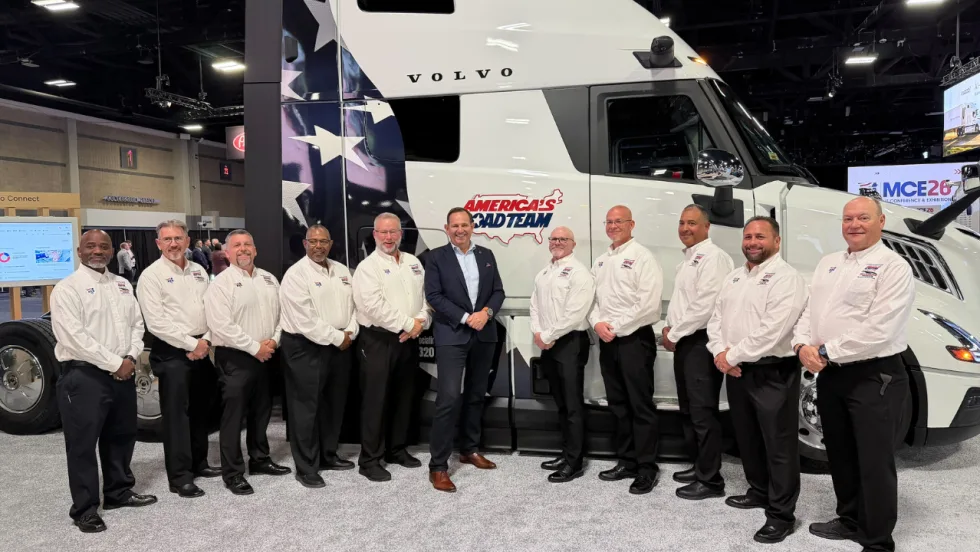
Volvo Trucks Marks 25 Years as Exclusive Sponsor of America's Road Team
Volvo Trucks North America will serve as the exclusive sponsor of the American Trucking Associations' America's Road Team, marking 25 years of Volvo sponsorship. The group of professional drivers promotes safety and the industry as they travel the country.
Read More →From Our Partners




Streamlight’s High-Output Scene Light Recognized with Occupational Safety Award
Streamlight’s Portable Scene Light III (PSL III) won the 2026 Occupational Health & Safety (OH&S) New Product of the Year Award in the Lighting category.
Read More →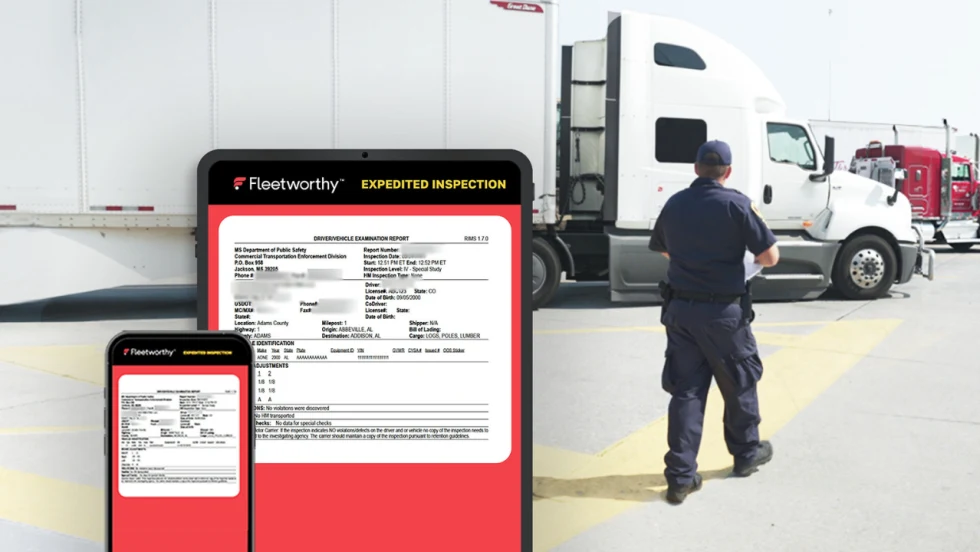
Fleetworthy Expands Expedited Inspection to 5 States
Following its industry-first launch in Nevada, Fleetworthy’s automated inspection technology is now live in California, Michigan, Vermont, and Maine.
Read More →
Crossing State Lines in a Light-Duty Work Truck? Check These Rules First
Crossing state lines in a lighter work truck? J.J. Keller's Kathy Close explains when IRP registration, trip permits, and towing rules come into play.
Read More →
GeoFencing Adds to Your Truck Security Arsenal
Geofencing is a familiar fleet tool today, but its early adoption marked a major shift in vehicle tracking, route monitoring, and the debate over employee privacy.
Read More →
Recalls You Need to Know About in October 2026
In October 2026, what recalls might impact your fleet? Work Truck has the answers in this comprehensive overview of recent NHTSA recalls.
Read More →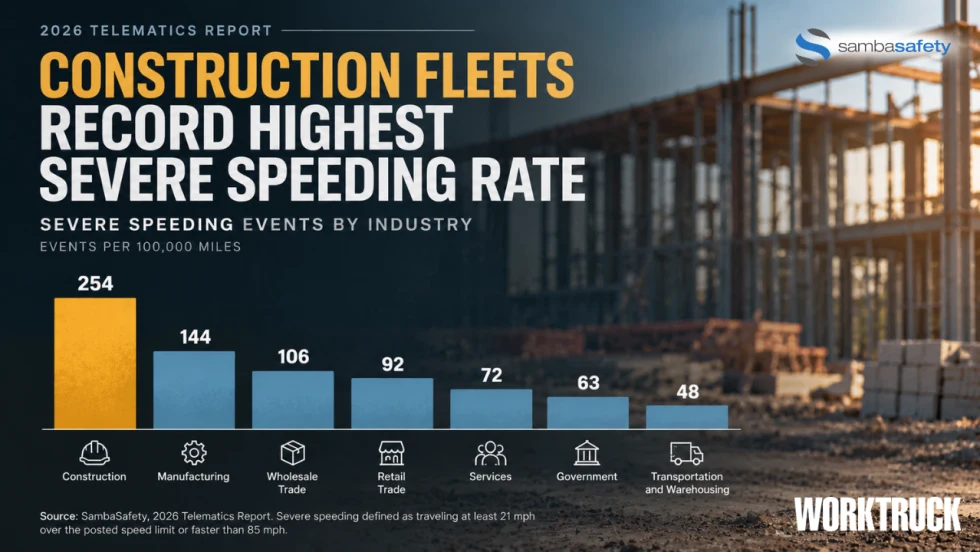
Construction Fleets Show Telematics Adoption Alone May Not Reduce Driving Risk
SambaSafety found construction fleets monitor roughly 92% of their vehicles but recorded the highest severe speeding rate among industries studied.
Read More →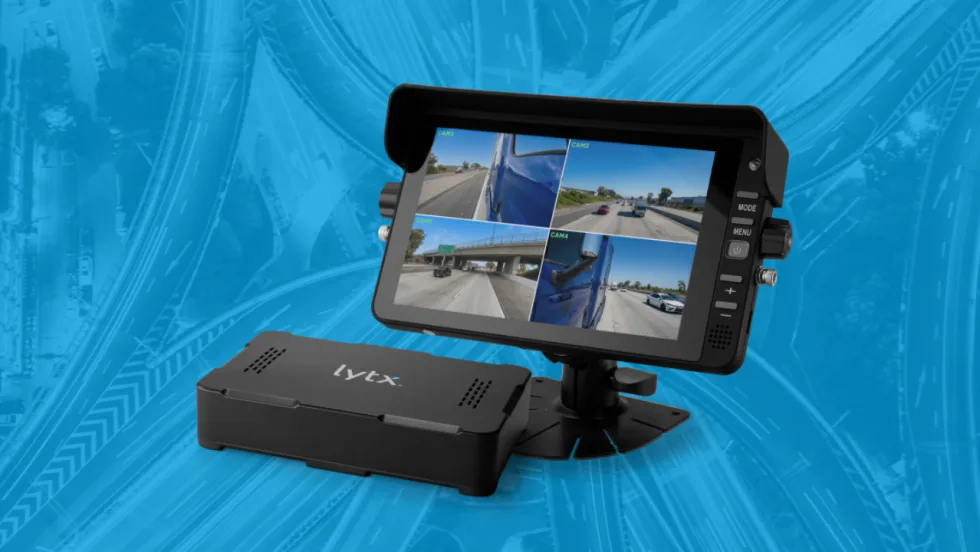
Lytx Launches 360 Hub Kit for Expanded Fleet Camera Visibility
Lytx’s new AI-ready gateway and HD auxiliary camera ecosystem, the Lytx 360 Hub Kit, extends visibility across side, rear, cargo, and blind-zone views to help fleets see more and respond faster.
Read More →