





Related: How to Purchase, Store & Handle Diesel Exhaust Fluid
Engine Oil Standards Improve
API announced the approval of improved performance standards for engine oils that will provide greater protection and fuel efficiency for today’s gasoline-engine-powered trucks and cars.
June 6, 2019
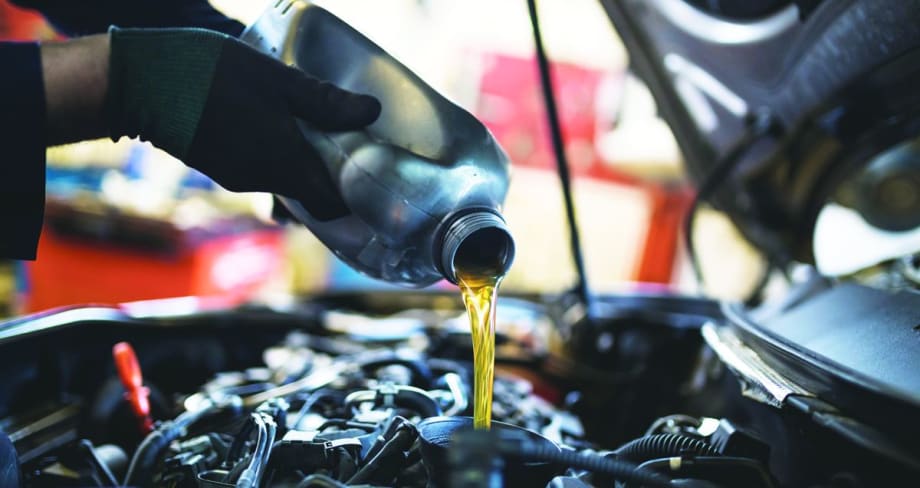
The new standards specify more stringent engine oil performance requirements for spark-ignited internal combustion engines.
Photo courtesy of Getty
2 min to read
API announced the approval of improved performance standards for engine oils that will provide greater protection and fuel efficiency for today’s gasoline-engine-powered trucks and cars.
Two of the new standards, ILSAC GF-6A and GF-6B, are the latest in a line of more stringent performance specifications put forward by the International Lubricant Standardization Advisory Committee (ILSAC), and a third standard, AP SP, is API’s latest engine oil performance standard.
API SP includes all of the ILSAC requirements while at the same time provides performance requirements for oils that do not fall under ILSAC-member recommendations.
The new standards specify more stringent engine oil performance requirements for spark-ignited internal combustion engines. All three of these standards can be licensed under API’s Engine Oil Licensing and Certification System beginning May 1, 2020.
“API developed these new performance standards in response to a request from automakers to introduce more robust engine oils that would be capable of meeting the needs of current and future gasoline engines. ILSAC GF-6A, GF-6B and API SP represent the fruits of the oil, additive, and automobile industries’ labors to introduce such essential products for the people who use these vehicles every day,” said Kevin Ferrick, director, API Product Programs.
The development of ILSAC GF-6A, GF-6B, and API SP was done over the course of seven years. In that time, seven new tests were developed, evaluated, and measured for precision, and companies ran tests to demonstrate that oils can meet the more stringent requirements. Now, oil marketing companies are working to bring the oils that meet these standards to market to ensure current and future engines perform as designed.
Licensed oils that meet the ILSAC GF-6A standard will be allowed to display the API Certification Mark “Starburst” and may be used where oils meeting GF-5 or earlier gasoline engine oil standards had been recommended. Oils that meet ILSAC GF-6B will be allowed to display a new mark, the API Certification Mark “Shield,” and may be used where SAE 0W-16 oils meeting API SN had been recommended.
API is introducing this new “Shield” at the request of automakers to prevent confusion and ensure that 0W-16 oils are used only in applications where they are recommended. API standards are developed under API’s American National Standards Institute accredited process, ensuring that the API standards are recognized not only for their technical rigor but also their third-party accreditation which facilitates acceptance by state, federal, and increasingly international regulators. API’s GIS division is responsible for standards-setting, certification, training, events, publications, and safety programs for industry operations.
More Maintenance & Uptime
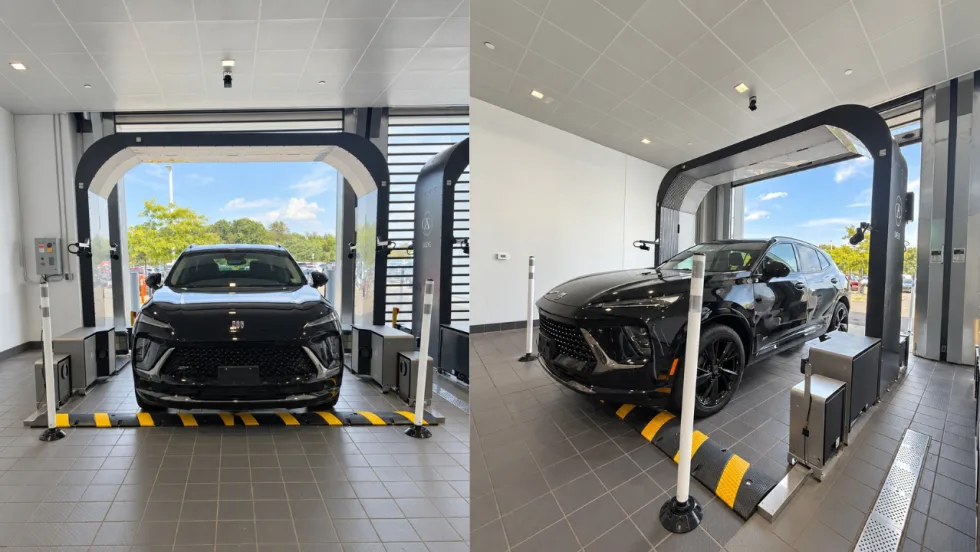
LaFontaine Partners With UVeye to Expand AI Vehicle Inspections in Michigan
LaFontaine is expanding UVeye AI vehicle inspections across Michigan, while UVeye tells Work Truck how the technology can support fleet maintenance and heavy-duty vehicle inspections.
Read More →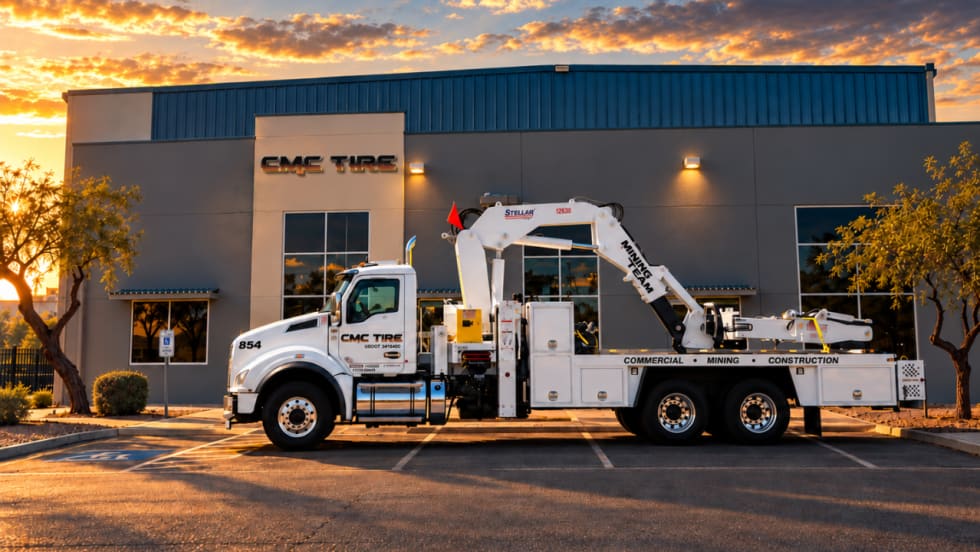
Les Schwab Expands Commercial Tire Footprint Into Arizona
Les Schwab Tires has expanded into Arizona with two commercial tire locations in Phoenix and Tucson, strengthening its fleet service footprint in the Southwest.
Read More →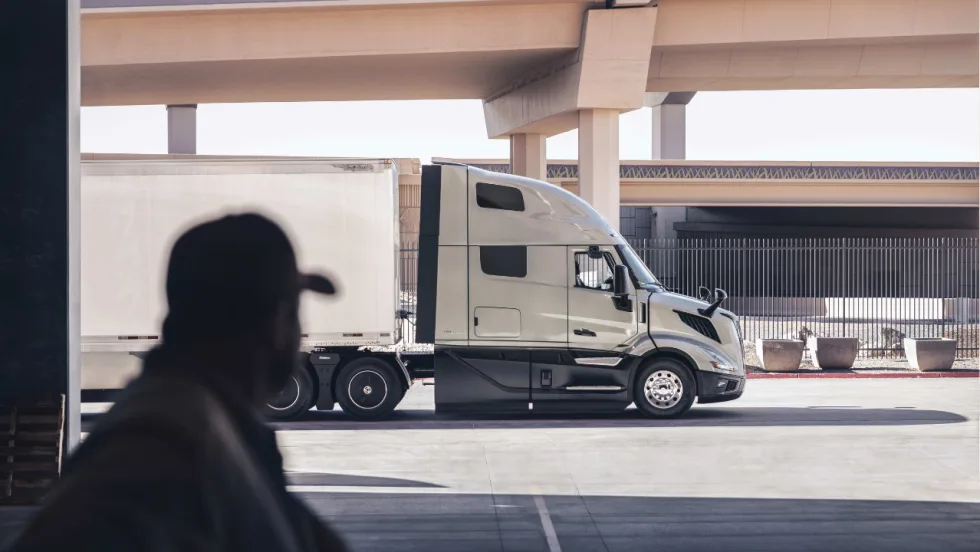
Volvo Trucks’ 'Lock and Leave' Software Updates Go Live Across North America
Unattended over-the-air software updates are now available in Volvo trucks across the U.S. and Canada. The new capability lets trucks stay current with the latest software without interrupting operations or requiring a dealership visit.
Read More →From Our Partners



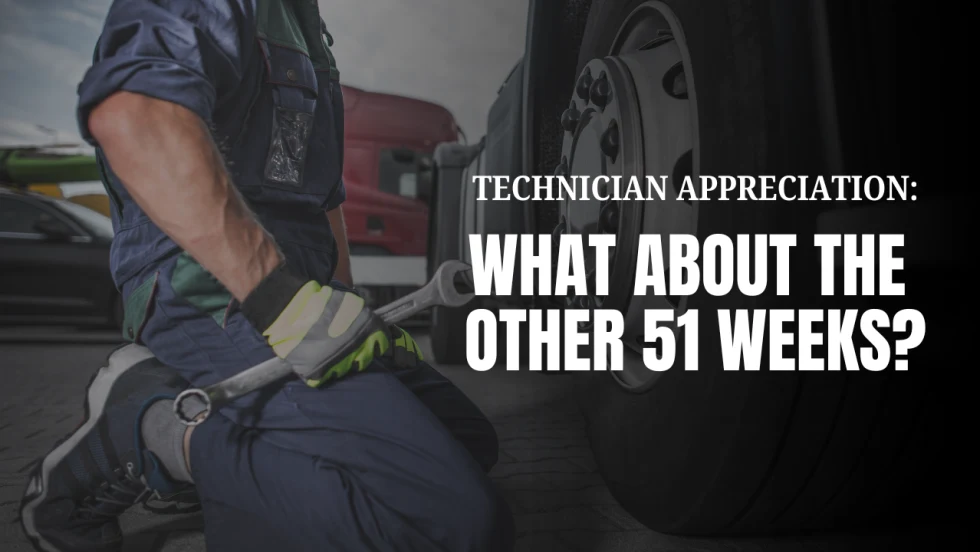
Why Technician Appreciation Can’t Be a Once-a-Year Thought
For fleets trying to keep skilled technicians, recognition cannot begin and end with Technician Appreciation Week. Learn what year-round appreciation really looks like and why the everyday technician experience matters just as much as pay when fleets are trying to keep good people.
Read More →
How Faster Driver Reporting Can Keep Small Truck Problems Small
When minor damage, warning lights, or equipment issues are reported late, small problems can quickly become bigger maintenance headaches. Conversational AI can help shorten the path from what a driver notices in the field to the person who can act on it.
Read More →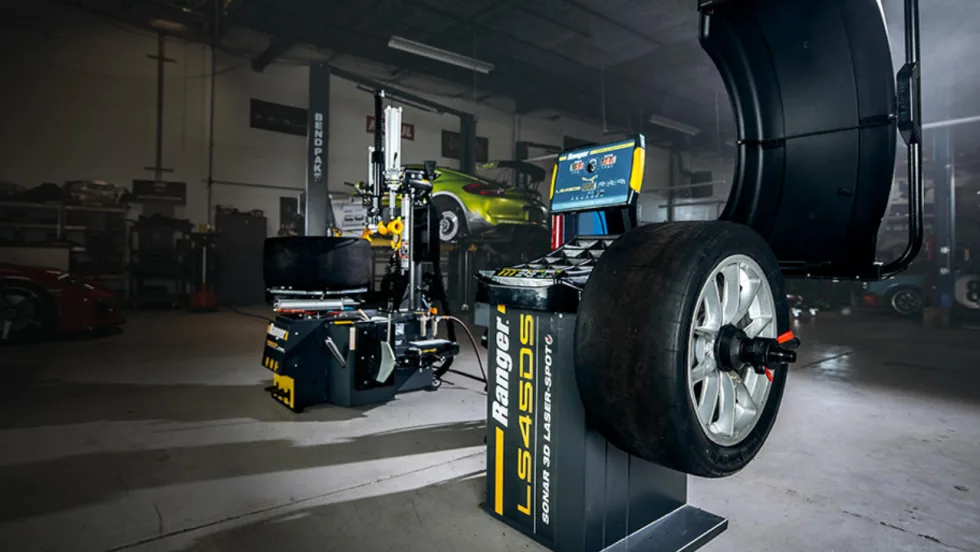
BendPak’s Ranger Wheel Service Equipment Achieves North American Safety Certification
BendPak’s full line of Ranger tire changers and wheel balancers has been ETL certified to UL and CSA standards to improve operator safety.
Read More →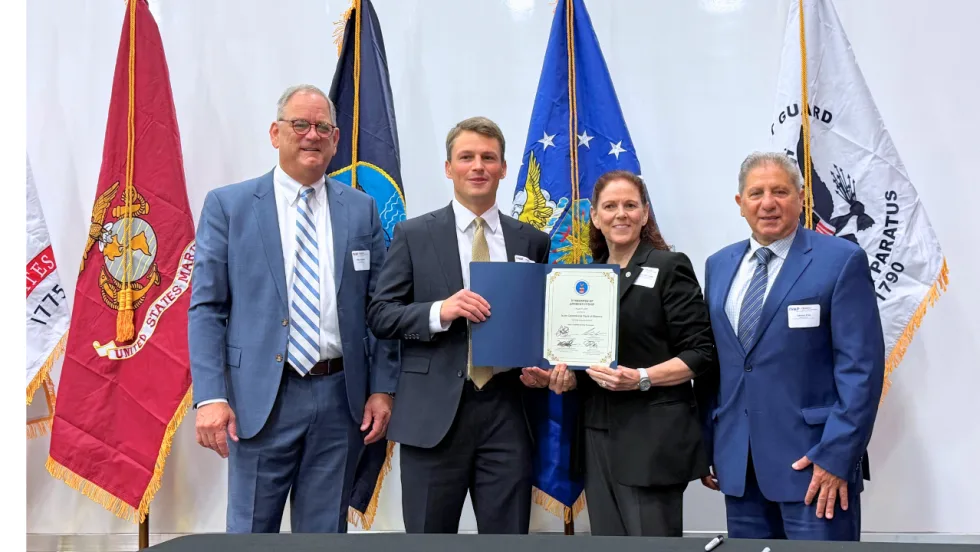
Isuzu & U.S. Department of Labor Celebrate Milestone for Veterans Apprenticeship Program
The Isuzu Veterans Apprenticeship Program (IVAP) signing ceremony highlighted Isuzu’s long-term commitment to veterans, Isuzu dealers, and the skilled workforce supporting its customers and the commercial transportation industry.
Read More →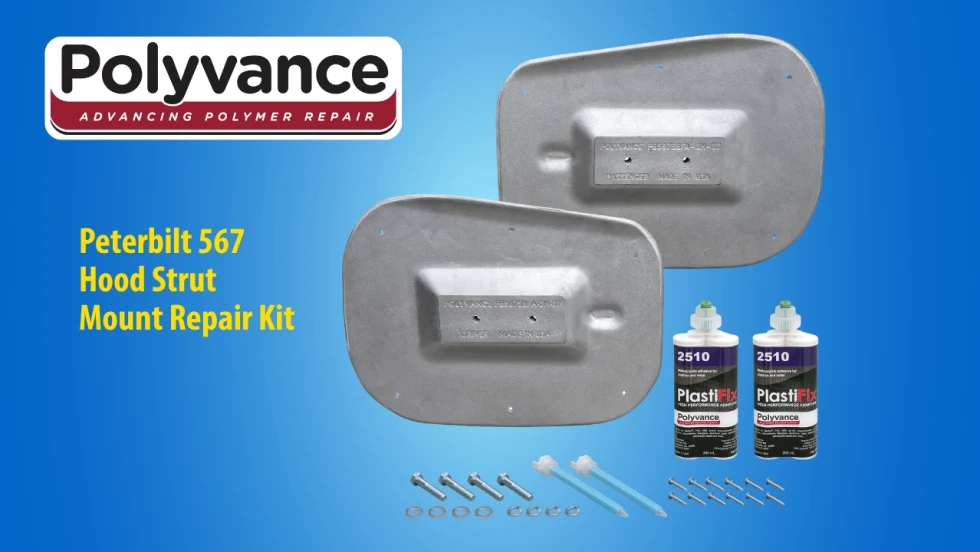
Polyvance Introduces New Peterbilt 567 Hood Strut Mount Repair Kit
Polyvance has launched a repair solution for Peterbilt 567 hood struts, helping truck owners and repair facilities avoid costly hood replacements.
Read More →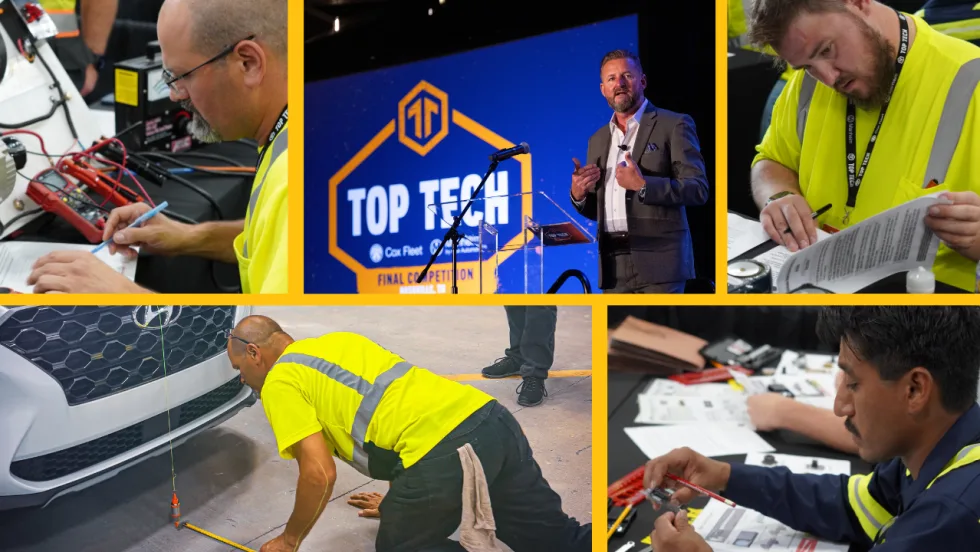
Cox Automotive Celebrates Technical Excellence at 2026 Top Tech Finals
The top technicians from Cox Fleet and Manheim tested their skills in Nashville, Tennessee, at Cox Automotive’s 2026 Top Tech Finals. The overall winners will advance to compete at the American Trucking Association’s TMC SuperTech competition.
Read More →
Grote Industries Appoints Vice President of North American Operations
Grote Industries has appointed Patrick Smith as vice president of North American operations as it celebrates 125 years of innovation and manufacturing excellence. He has more than 20 years of manufacturing leadership experience.
Read More →