




Crude Topping $50 Could Mark Oil Tipping Point
Analysts contend that the crude oil supply-and-demand imbalance will be righted just as soon as the price climbs high enough to compel U.S. shale-oil drillers to again ramp up production.


Photo: Federal Reserve Bank of New York

Photo: Federal Reserve Bank of New York
For the first time this year, crude-oil futures briefly floated above $50 per barrel Thursday before closing just below that level. Clearing that mark, a psychological hurdle for many in the market, in itself was no surprise. The price of crude has been on the upswing in recent months, driven by increasing global demand and declining domestic production.
Analysts say the good news is that the supply-and-demand imbalance will be righted just as soon as the price of crude climbs high enough to compel U.S. shale-oil drillers to again ramp up production.
In addition, some events that have recently curtailed oil production elsewhere are being seen as temporary price-drivers, including the wildfires in Canada and a strike by French refinery workers. Of course, there’s no telling what other such supply disruptions could pop up at any time.
Still, on May 26, West Texas Intermediate, the benchmark U.S. grade, hit a high of $50.21, before closing the day at $49.35. Brent crude, the international benchmark grade, finished slightly higher at $50.09.
But early trading on May 27 indicates oil futures are already moving lower. WTI crude was down 35 cents on the New York Mercantile Exchange. That 7% fall-off suggested caution on the part of traders ahead of a June 2 OPEC meeting, reports MarketWatch. The outcome of that meeting could lead Saudi Arabia to up oil production. Overall, crude prices were trading about 1.5% higher for the week, indicating a third weekly gain in a row.
“Crude oil is falling back from $50 a bit in what looks like a normal trading correction,” advised CMC analyst Colin Cieszynski in a May 27 post. “It continues to face considerable resistance at that big round number [$50] ahead of next week’s OPEC meeting, and with traders speculating a price somewhere above, there could be enough to encourage some U.S. [shale-oil] producers to re-enter the market.”
To be sure, crude prices are nowhere near the $100-per-barrel average that held from 2011 to 2014 — when Saudi Arabia began pumping out oil to protect its global market share by driving down global prices. The resulting steep decline in crude prices drove U.S. drillers to cut production.
While the worldwide oil glut meant lower prices at the fuel pump, the pullback in investment, drilling activity, and jobs hurt the U.S. economy as well as trucking companies serving the previously booming market.
Shale-oil producers have yet to step things back up. The U.S. onshore rig count, according to oil services firm Baker Hughes, now stands at 375 — compared to 853 a year ago.
In a May 27 post, Fawad Razaqzada, market analyst at FOREX.com and City Index, contends that as crude continues to rise, “it will become lucrative for U.S. shale oil companies to ramp up production once again, which could put a ceiling on oil prices.” As he sees it, if rig counts begin to stabilize or start to climb, that would serve as “a warning sign for the ongoing oil price rally.”
Razaqzada also points to hedging by oil companies to lock in a higher sell price for future delivery as helping to end the oil upswing. Still, he adds that “it is impossible to say at what price the impact of these bearish factors will start to outweigh the bullish dynamics. But we have now entered the lower band of the $50 to $70 range many think will probably be the top for this current cycle.”
Originally posted on Automotive Fleet
More Fuel

The Smart Way to Build a Mixed-Energy Fleet Isn’t About Picking a Side
Mixed-energy fleets aren’t about picking a winning fuel. Sarah Booth of WEX explains how vehicle data, duty cycles, charging strategy, and real-world costs can help fleets choose the right energy source for each job.
Read More →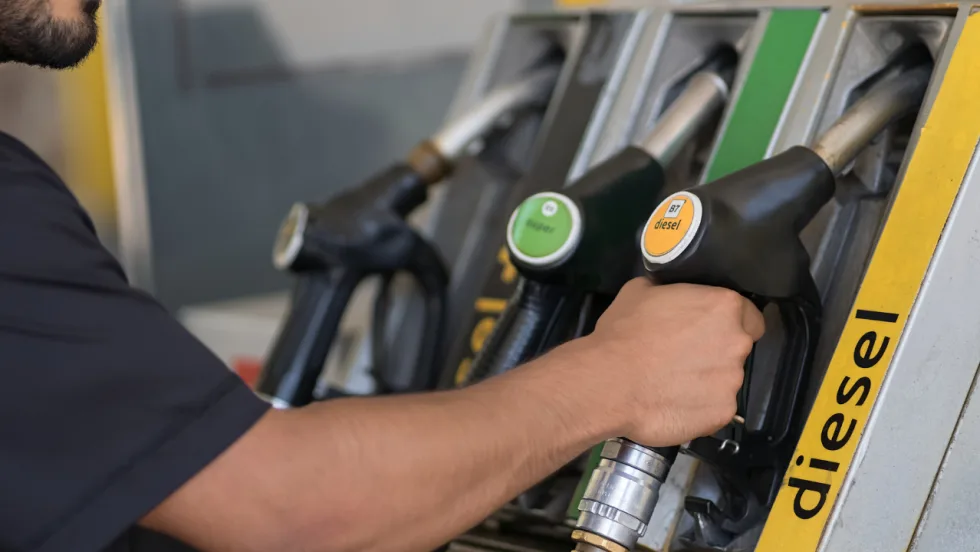
Ignoring This Dashboard Warning Could Cost Your Fleet Thousands in Fuel
New research suggests neglected diesel aftertreatment systems could waste up to $30 in fuel per vehicle each day. Here's why vocational fleets should pay attention.
Read More →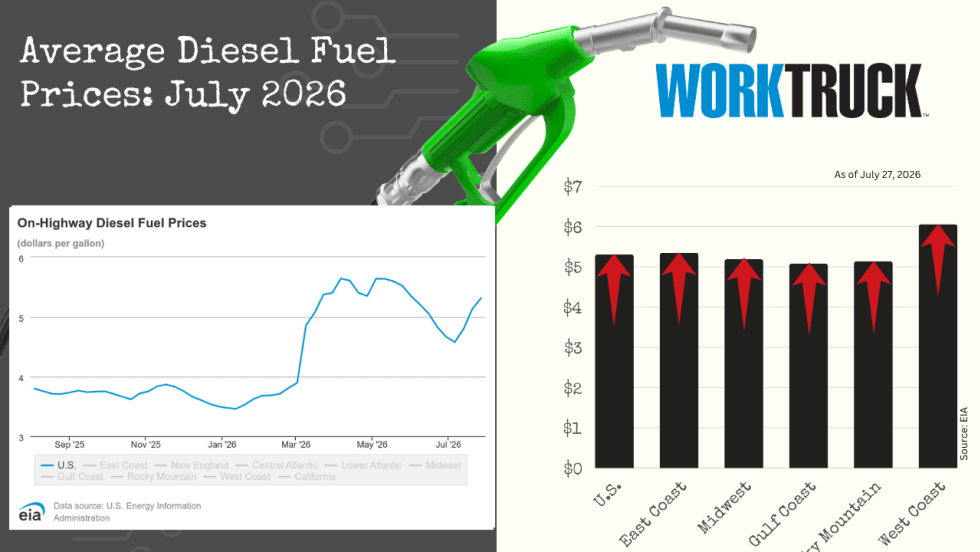
July Diesel Trends Update
The average price of a gallon of diesel increased again this week, and the EIA reported a new national average of $5.31 at the start of the week.
Read More →
WEX Brings Standard Fleet's Connected Vehicle Platform to Fleet Customers
This week’s product launch with Standard Fleet’s connected vehicle platform reflects WEX Venture Capital's strategy of turning startup innovation into customer solutions. Standard Fleet is now available to WEX fleet customers.
Read More →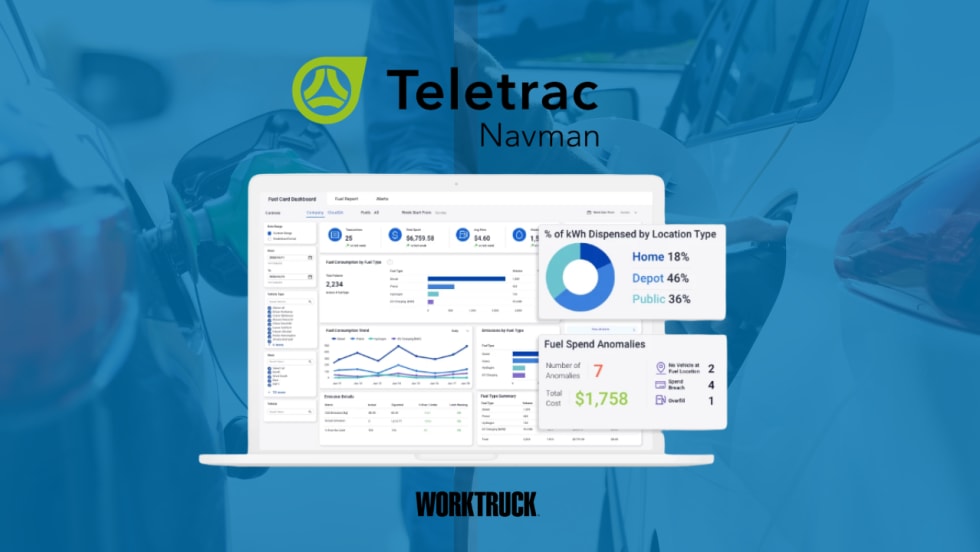
Teletrac Navman Adds Mixed-Energy Fleet Tools to TN360
The new Energy Hub combines fuel transactions, EV charging data, vehicle range, and energy costs in one dashboard for fleets operating multiple vehicle and energy types.
Read More →
WEX DriverDash adds CITGO, Expands Nationwide Access for Fleets
The DriverDash mobile payment app, by WEX, has been integrated into the CITGO merchant network, which means WEX has expanded its U.S. station footprint with the addition of approximately 4,000 CITGO locations.
Read More →
Mixed Energy Fleet Tips for Balancing EVs, Gas and Diesel Vehicles
Mixed energy fleets are becoming the new normal. Learn how fleet managers are balancing EVs, gas and diesel vehicles while controlling costs and planning for the future.
Read More →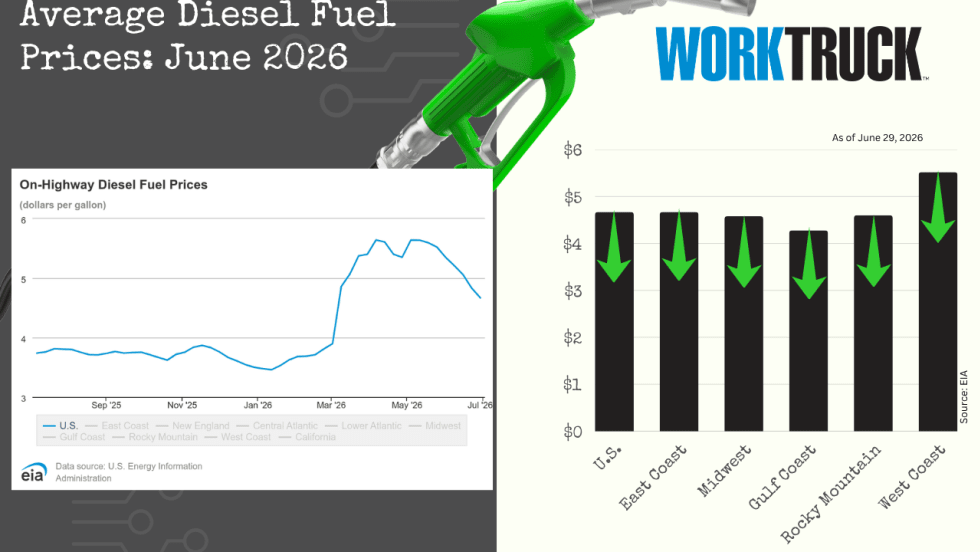
June Diesel Trends Update
The national average price of a gallon of diesel has dropped again, this week by more than 16 cents. All five regions reported lower average prices, ranging from almost 13 cents to more than 28 cents cheaper than a week ago.
Read More →
RoadFlex Launches RoadFlex Direct Open API Platform
RoadFlex Direct connects fuel cards, controls, and data to the telematics and fleet management systems fleets already run, from Geotab and Samsara to Fleetio and RTA, with no separate dashboard or double data entry.
Read More →
The Key to Fuel Efficiency Sits in the Cab
Learn how driver behavior, telematics, coaching, and fuel data can help fleets improve fuel efficiency, lower costs, and reduce emissions.
Read More →