




Concern About Possible Natural Gas Measurement Changes for Vehicles
A group dedicated to the development of a market for natural gas powered vehicles has issued a call to action over possible changes in the way compressed natural gas and liquefied natural gas are priced and sold.
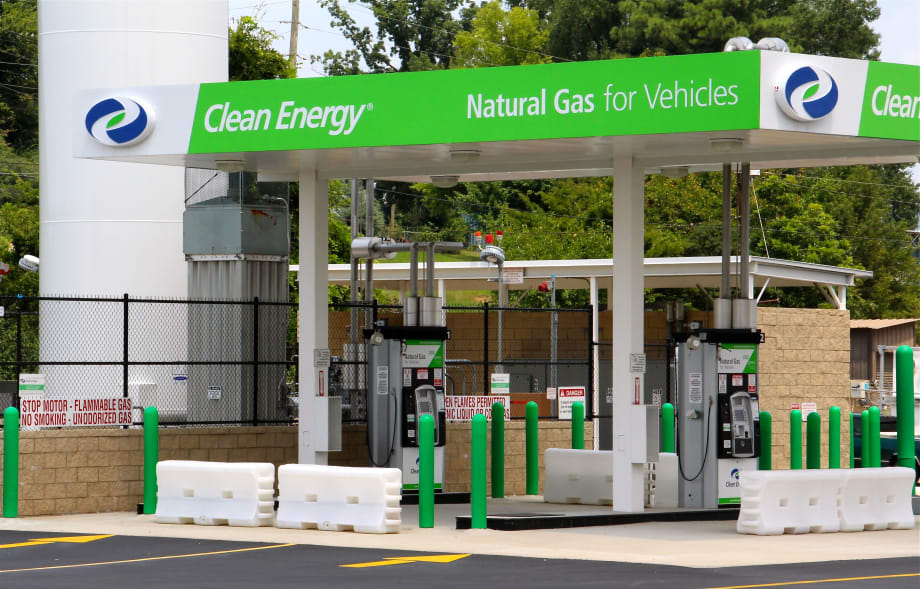
Photo: Evan Lockridge
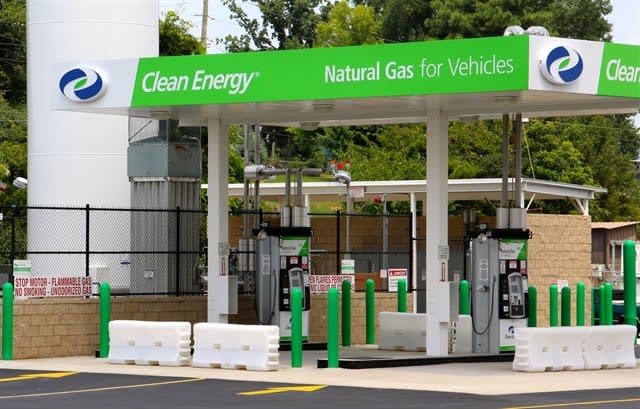
Photo: Evan Lockridge
A group dedicated to the development of a market for natural gas powered vehicles has issued a call to action over possible changes in the way compressed natural gas and liquefied natural gas are priced and sold.
NGVAmerica is urging members and customers to contact state weights and measures officials, along with other state officials, to get them to support the adoption of a national diesel gallon equivalent standard, also known as DGE, for CNG and LNG.
“This standard would allow CNG and LNG to be sold in a way that allows for ready comparison with diesel fuel at retail stations,” the group says.
The National Conference of Weights and Measures Natural Gas Vehicle Steering Committee is reportedly considering this issue. However, NGVAmerica says there is no consensus on moving this issue forward at this time, because several state officials oppose adoption of the DGE standard. In fact, some state officials even advocating doing away with the gasoline gallon equivalent standard currently in place for CNG, according to the group. NGVAmerica says some state officials want to see both CNG and LNG sold in kilograms.
The NCWM’s NGV Steering Committee is reportedly working to develop a proposal by the end of February in order for this issue to be available for possible voting later this summer at the NCWM annual meeting.
Standards adopted by the National Conference of Weights and Measures in 1994 require CNG to be sold in gasoline gallon equivalents, also know as GGE. Supporters of this standard say it has benefited consumers and industry alike because it provides a common unit for comparing the average energy in CNG to the average energy in a gasoline gallon.
NGVAmerica says the natural gas industry has requested that NCWM adopt a diesel gallon equivalent unit for CNG, and that LNG that is sold to truckers and other users who typically use diesel fuel.
From the purchaser’s perspective, the pump display and readings would show the number of DGE units dispensed, and information would be provided on the pump to show how natural gas is converted to DGE units, according to NGVAmerica.
Under the NCWM proposal, LNG would only be sold in DGE units, since LNG is expected to be used exclusively as a heavy-duty vehicle fuel. CNG, however, would be dispensed in GGE units at retail outlets serving the general public and would be sold in DGE units on pumps selling to trucks and heavy-duty vehicles.
NGVAmerica says the change is needed because of significant national interest in promoting increased use of natural gas in heavy-duty vehicles where diesel fuel has traditionally been used.
“The federal government and many state governments currently have in place policies intended to expand the use of natural gas as a transportation fuel,” the group says. “Private firms are investing hundreds of millions of dollars establishing a national network of retail fueling stations to supply this fuel to motor vehicles. Development of a weights and measures standard for a DGE of natural gas will complement the effort made 20 years ago to create the GGE standard.”
“A number of key state weights and measures officials do not support adoption of a DGE unit or the continued use of the GGE unit as the primary methods of selling natural gas,” NGVAmerica says. “Instead, these officials support a proposal to require that natural gas be sold in kilograms, despite the fact that there is no industry support for such a standard and no fueling stations currently sell natural gas in kilograms in the U.S.”
The group claims these state officials say that all fuels should be dispensed in metric units but currently only plan to require this for natural gas.
“This proposal is not only discriminatory, but will put natural gas at a significant disadvantage to other fuels by creating confusion for consumers who are not used to purchasing motor fuel in mass units, let alone kilograms. This standard will increase the cost of new pumps and it will impose costly retrofit of existing pumps,” according to NGVAmerica.
Originally posted on Automotive Fleet
More Fuel

The Smart Way to Build a Mixed-Energy Fleet Isn’t About Picking a Side
Mixed-energy fleets aren’t about picking a winning fuel. Sarah Booth of WEX explains how vehicle data, duty cycles, charging strategy, and real-world costs can help fleets choose the right energy source for each job.
Read More →
Ignoring This Dashboard Warning Could Cost Your Fleet Thousands in Fuel
New research suggests neglected diesel aftertreatment systems could waste up to $30 in fuel per vehicle each day. Here's why vocational fleets should pay attention.
Read More →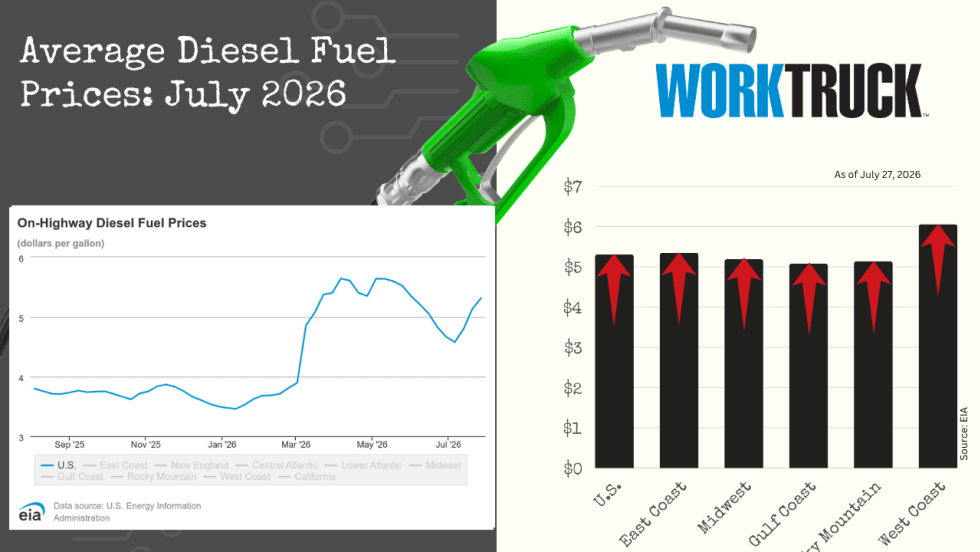
July Diesel Trends Update
The average price of a gallon of diesel increased again this week, and the EIA reported a new national average of $5.31 at the start of the week.
Read More →

WEX Brings Standard Fleet's Connected Vehicle Platform to Fleet Customers
This week’s product launch with Standard Fleet’s connected vehicle platform reflects WEX Venture Capital's strategy of turning startup innovation into customer solutions. Standard Fleet is now available to WEX fleet customers.
Read More →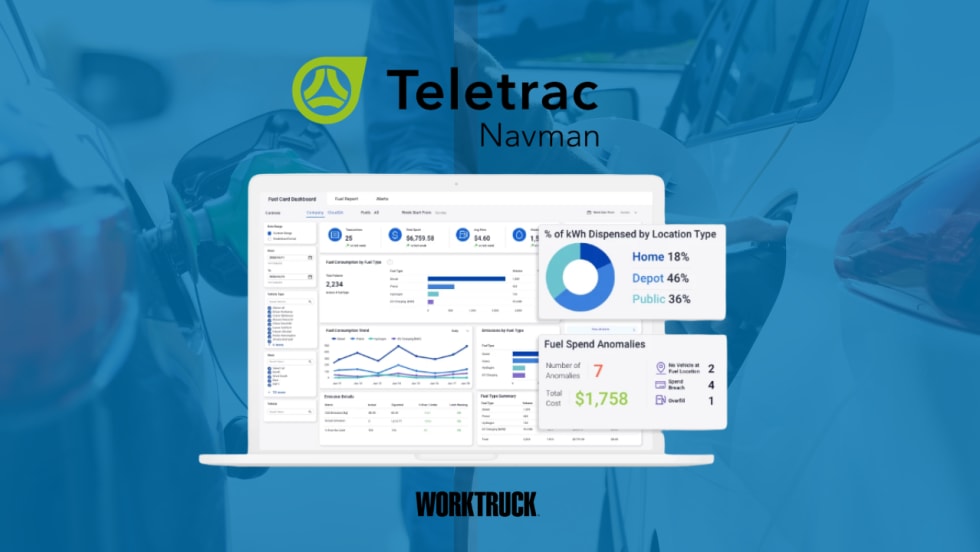
Teletrac Navman Adds Mixed-Energy Fleet Tools to TN360
The new Energy Hub combines fuel transactions, EV charging data, vehicle range, and energy costs in one dashboard for fleets operating multiple vehicle and energy types.
Read More →
WEX DriverDash adds CITGO, Expands Nationwide Access for Fleets
The DriverDash mobile payment app, by WEX, has been integrated into the CITGO merchant network, which means WEX has expanded its U.S. station footprint with the addition of approximately 4,000 CITGO locations.
Read More →
Mixed Energy Fleet Tips for Balancing EVs, Gas and Diesel Vehicles
Mixed energy fleets are becoming the new normal. Learn how fleet managers are balancing EVs, gas and diesel vehicles while controlling costs and planning for the future.
Read More →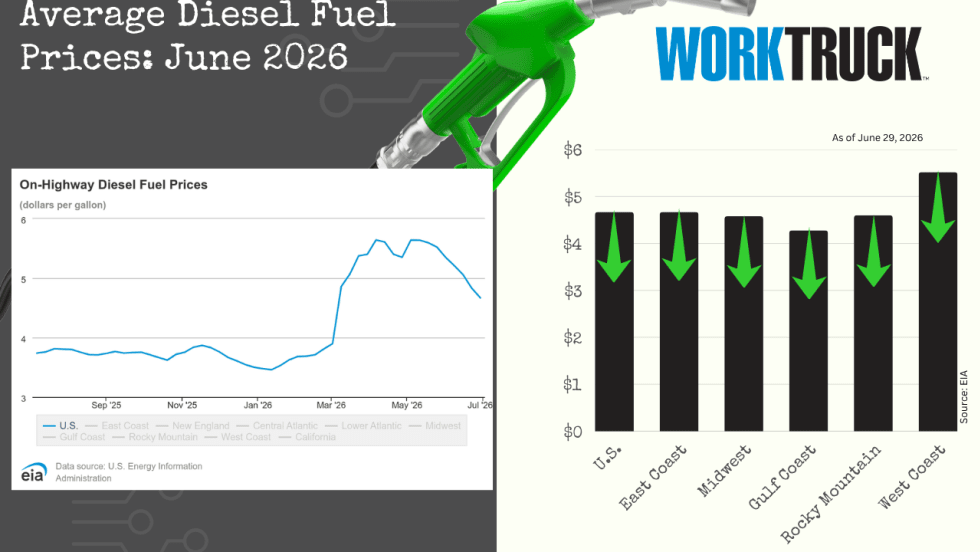
June Diesel Trends Update
The national average price of a gallon of diesel has dropped again, this week by more than 16 cents. All five regions reported lower average prices, ranging from almost 13 cents to more than 28 cents cheaper than a week ago.
Read More →
RoadFlex Launches RoadFlex Direct Open API Platform
RoadFlex Direct connects fuel cards, controls, and data to the telematics and fleet management systems fleets already run, from Geotab and Samsara to Fleetio and RTA, with no separate dashboard or double data entry.
Read More →
The Key to Fuel Efficiency Sits in the Cab
Learn how driver behavior, telematics, coaching, and fuel data can help fleets improve fuel efficiency, lower costs, and reduce emissions.
Read More →