




Commercial Trucks Can Save More Than 20x Fuel of 100 MPG Car
SAN JOSE, CA - Wrightspeed is challenging convention with the Route, a retrofit electric drive powertrain with an onboard generator engineered for the large medium-duty commercial fleet market.
SAN JOSE, CA - Wrightspeed is challenging convention with the Route, a retrofit electric drive powertrain with an onboard generator engineered for the large medium-duty commercial fleet market. In the U.S. alone, this part of the transportation sector boasts over 2 million trucks.
Why trucks, instead of hyper-efficient cars?
"For electric drive to make economic sense, you have to displace enough fuel to pay for the technology," Wright said. "That pretty much rules out passenger cars, because they don't burn enough fuel. Medium-duty trucks on commercial routes burn thousands of gallons of fuel annually."
Enter the Wrightspeed Route retrofit powertrain. By preserving existing truck chassis and bodies, Wrightspeed avoids the capital costs, time, and pitfalls of learning how to make trucks as cheaply and as well as the established vehicle manufacturers, according to the company..
Unlike a pure battery powertrain, the Wrightspeed Route does not restrict fleet operations with range limitations, because it has an onboard generator that charges the 40 mile battery in the field. Unlike in a conventional hybrid, the electric motors are always producing the variable torque necessary to turn the wheels. This frees the generator from having to perform over the entire speed-load map, and allows it to operate at its most efficient point to charge the small, high-power battery. Wrightspeed calls this system architecture a Range-extended Electric Vehicle (REV) powertrain.
"It's the best of both worlds," says Wrightspeed's marketing manager, Maya Giannini. "The Route™ combines the efficiency of an EV with the unlimited range of a mild parallel hybrid. And our generator fuel system can be fitted to run diesel, compressed natural gas, or landfill gases; so, the Route™ is really the best of all three worlds."
Wrightspeed has retrofitted an Isuzu NPR with its Route powertrain. The NPR holds 70 percent of the world's cab-forward box truck market. With its conventional diesel powertrain, the NPR averaged about 12 mpg in testing with a metro drive cycle. With the Route, under the same test conditions, Wrightspeed measured 44 mpg (on a cost equivalent basis), a more than 300-percent improvement.
"The measured miles per gallon will vary widely with drive cycle. We are modest in our calculations, because fleet operators are looking for a new technology they can trust to reduce their bottom line." says Giannini. "They carefully track their fuel usage, and inflated efficiency numbers do nothing to further their trust in the clean tech industry."
Wrightspeed's Route was demonstrated to the public for Ride & Drive testing at the 2012 Alternative Clean Transportation (ACT) Expo in Long Beach on Wed., May 16.
So, how does Wrightspeed's Route save more fuel than a 100 mpg car? According to the company, urban cars average 12 miles per hour and drive an average of 12 hours per week. That's 7,500 miles per year. If that car got 100 mpg, it would burn 75 gallons annually. If that car were to replace a 40 mpg hybrid, which would burn, under the same conditions, 188 gallons, the fuel savings would be 113 gallons per year.
However, the Route can get trucks 44 mpg (cost equivalent) at an average of 30,000 miles per year at, that's 700 gallons. When the Route replaces an 8 mpg conventional powertrain that burns 3,750 gallons annually, the fuel savings is 3,050 gallons.
That's 27 times more fuel saved.
To learn more go to: www.wrightspeed.com
More Fuel

The Smart Way to Build a Mixed-Energy Fleet Isn’t About Picking a Side
Mixed-energy fleets aren’t about picking a winning fuel. Sarah Booth of WEX explains how vehicle data, duty cycles, charging strategy, and real-world costs can help fleets choose the right energy source for each job.
Read More →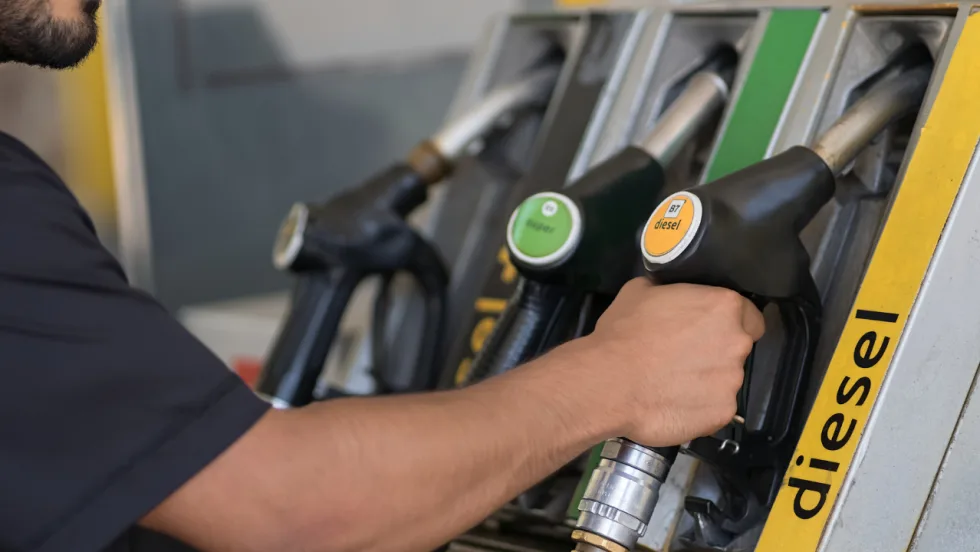
Ignoring This Dashboard Warning Could Cost Your Fleet Thousands in Fuel
New research suggests neglected diesel aftertreatment systems could waste up to $30 in fuel per vehicle each day. Here's why vocational fleets should pay attention.
Read More →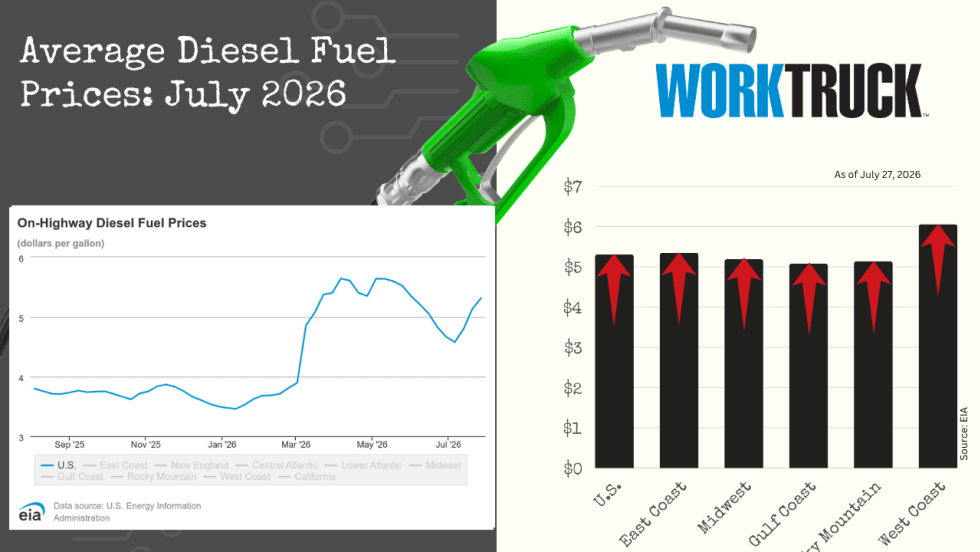
July Diesel Trends Update
The average price of a gallon of diesel increased again this week, and the EIA reported a new national average of $5.31 at the start of the week.
Read More →

WEX Brings Standard Fleet's Connected Vehicle Platform to Fleet Customers
This week’s product launch with Standard Fleet’s connected vehicle platform reflects WEX Venture Capital's strategy of turning startup innovation into customer solutions. Standard Fleet is now available to WEX fleet customers.
Read More →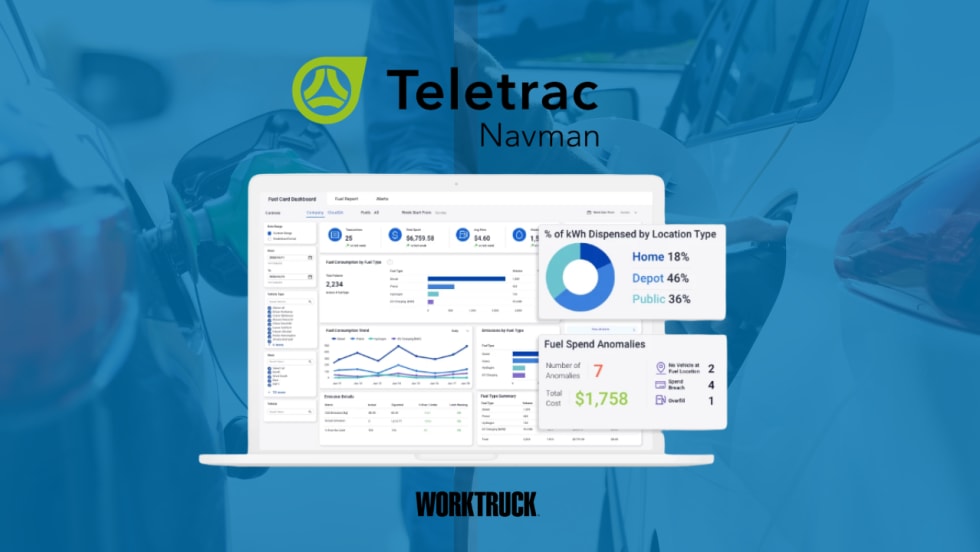
Teletrac Navman Adds Mixed-Energy Fleet Tools to TN360
The new Energy Hub combines fuel transactions, EV charging data, vehicle range, and energy costs in one dashboard for fleets operating multiple vehicle and energy types.
Read More →
WEX DriverDash adds CITGO, Expands Nationwide Access for Fleets
The DriverDash mobile payment app, by WEX, has been integrated into the CITGO merchant network, which means WEX has expanded its U.S. station footprint with the addition of approximately 4,000 CITGO locations.
Read More →
Mixed Energy Fleet Tips for Balancing EVs, Gas and Diesel Vehicles
Mixed energy fleets are becoming the new normal. Learn how fleet managers are balancing EVs, gas and diesel vehicles while controlling costs and planning for the future.
Read More →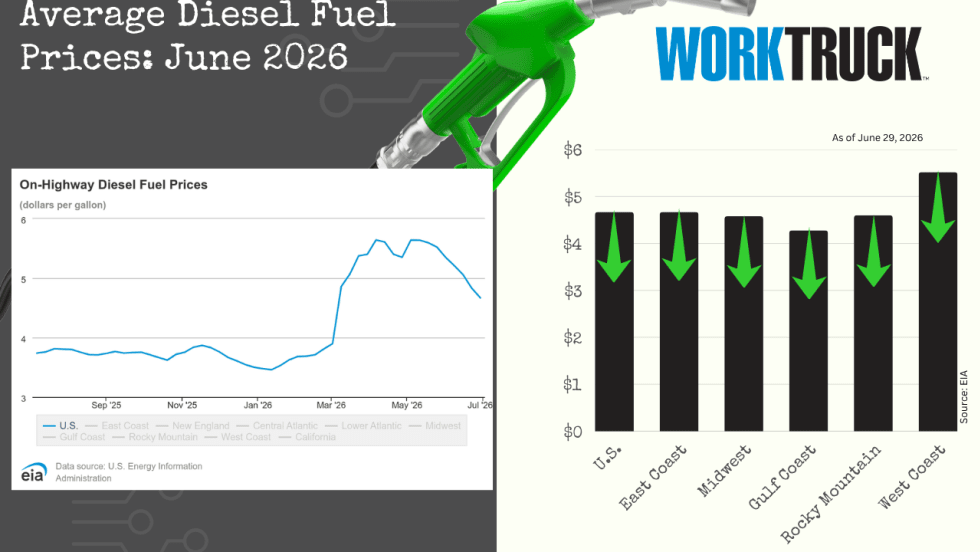
June Diesel Trends Update
The national average price of a gallon of diesel has dropped again, this week by more than 16 cents. All five regions reported lower average prices, ranging from almost 13 cents to more than 28 cents cheaper than a week ago.
Read More →
RoadFlex Launches RoadFlex Direct Open API Platform
RoadFlex Direct connects fuel cards, controls, and data to the telematics and fleet management systems fleets already run, from Geotab and Samsara to Fleetio and RTA, with no separate dashboard or double data entry.
Read More →
The Key to Fuel Efficiency Sits in the Cab
Learn how driver behavior, telematics, coaching, and fuel data can help fleets improve fuel efficiency, lower costs, and reduce emissions.
Read More →