




Clean Diesel Emerging Technology Grant Funding Now Available
WASHINGTON – The U.S. Environmental Protection Agency (EPA) plans to award approximately $3.4 million in grants to establish projects using emerging technologies to reduce emissions from the nation’s existing fleet of diesel engines.
WASHINGTON – The U.S. Environmental Protection Agency (EPA) plans to award approximately $3.4 million in grants to establish projects using emerging technologies to reduce emissions from the nation’s existing fleet of diesel engines. Addressing the existing fleet is important because it pre-dates EPA’s stringent new particulate, and nitrogen oxide standards and diesels remain in use for decades. This sum was authorized by the Energy Policy Act of 2005 and funded for the first time this fiscal year.
State, local, regional, and tribal governments may apply for the grants, as well as non-profits and institutions with transportation, educational service, and air quality responsibilities. Emerging technology manufacturers must partner with an eligible applicant to receive this funding. The grants are targeting school or transit buses, medium and heavy-duty trucks, marine engines, locomotives, and non-road engines. Grant proposals must be submitted by Sept. 21, 2008. The final awards will be announced in December.
The grants will be administered by EPA’s National Clean Diesel Campaign under the Emerging Technology Program (ETP). ETP supports the development and commercialization of new, cutting-edge technologies. The program gives manufacturers the opportunity to capture real-world data and gain valuable operating experience on their technology while it is used by fleet partners.
An emerging technology is a device or strategy that reduces emissions from diesel engines or equipment that has not been verified or certified by EPA or the California Air Resources Board (ARB). To qualify as an emerging technology, manufacturers must submit an application and test plan to EPA or ARB. Each technology will be reviewed on a case-by-case basis to determine if it qualifies as an emerging technology.
Qualified emerging technologies will be added to the Emerging Technologies List. The first three qualifying technologies are: 1) Caterpillars’ Marine Emissions Upgrade Group (EUG), the 3500 Marine EUG; 2) Johnson Matthey’s urea-based selective catalytic reduction (SCR) system for on-highway applications, the SCRT-1000; and 3) Nett Technologies’ urea-based SCR for nonroad applications, the BlueMAX. Specifics of each technology including the emission reductions and engine applications can be found on the Emerging Technology List.
For more information about this grant, visit: http://www.epa.gov/otaq/diesel/grantfund.htm. For more information about the Emerging Technology Program, visit: http://www.epa.gov/otaq/diesel/prgemerg.htm. View the qualifying emerging technologies list at http://www.epa.gov/otaq/diesel/prgemerglist.htm.
More Fuel

The Smart Way to Build a Mixed-Energy Fleet Isn’t About Picking a Side
Mixed-energy fleets aren’t about picking a winning fuel. Sarah Booth of WEX explains how vehicle data, duty cycles, charging strategy, and real-world costs can help fleets choose the right energy source for each job.
Read More →
Ignoring This Dashboard Warning Could Cost Your Fleet Thousands in Fuel
New research suggests neglected diesel aftertreatment systems could waste up to $30 in fuel per vehicle each day. Here's why vocational fleets should pay attention.
Read More →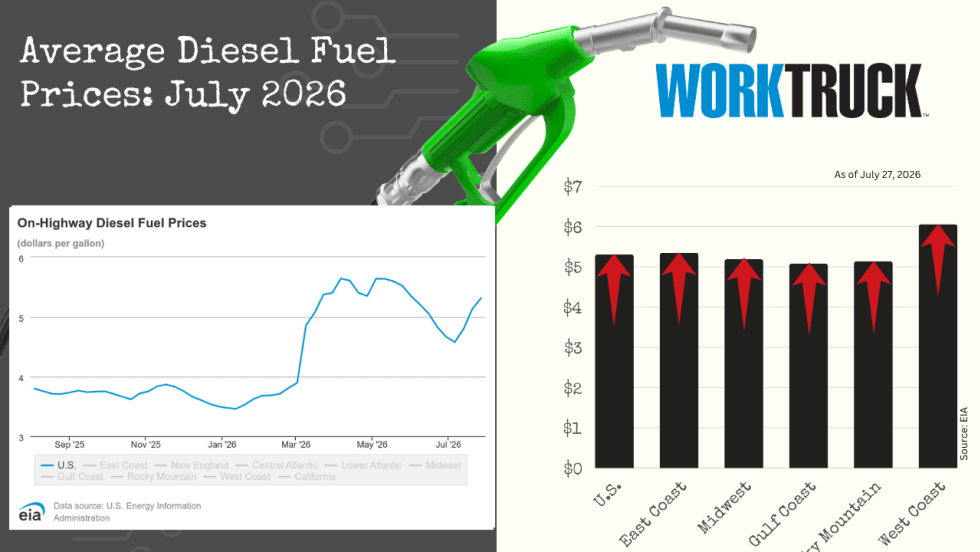
July Diesel Trends Update
The average price of a gallon of diesel increased again this week, and the EIA reported a new national average of $5.31 at the start of the week.
Read More →
WEX Brings Standard Fleet's Connected Vehicle Platform to Fleet Customers
This week’s product launch with Standard Fleet’s connected vehicle platform reflects WEX Venture Capital's strategy of turning startup innovation into customer solutions. Standard Fleet is now available to WEX fleet customers.
Read More →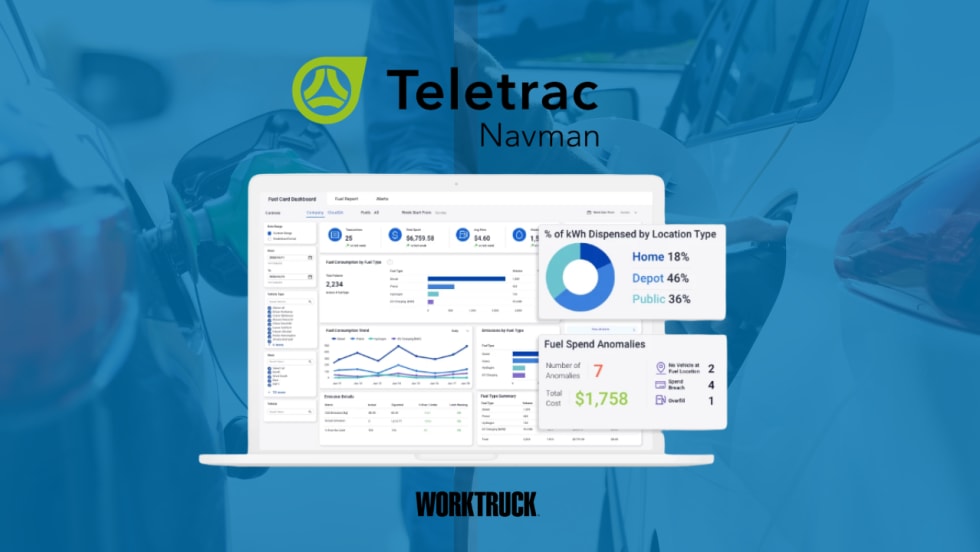
Teletrac Navman Adds Mixed-Energy Fleet Tools to TN360
The new Energy Hub combines fuel transactions, EV charging data, vehicle range, and energy costs in one dashboard for fleets operating multiple vehicle and energy types.
Read More →
WEX DriverDash adds CITGO, Expands Nationwide Access for Fleets
The DriverDash mobile payment app, by WEX, has been integrated into the CITGO merchant network, which means WEX has expanded its U.S. station footprint with the addition of approximately 4,000 CITGO locations.
Read More →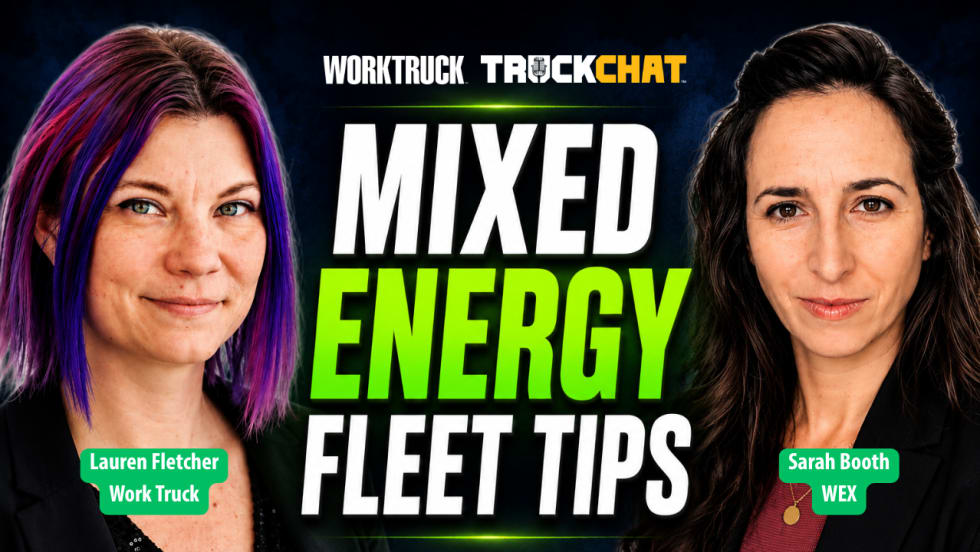
Mixed Energy Fleet Tips for Balancing EVs, Gas and Diesel Vehicles
Mixed energy fleets are becoming the new normal. Learn how fleet managers are balancing EVs, gas and diesel vehicles while controlling costs and planning for the future.
Read More →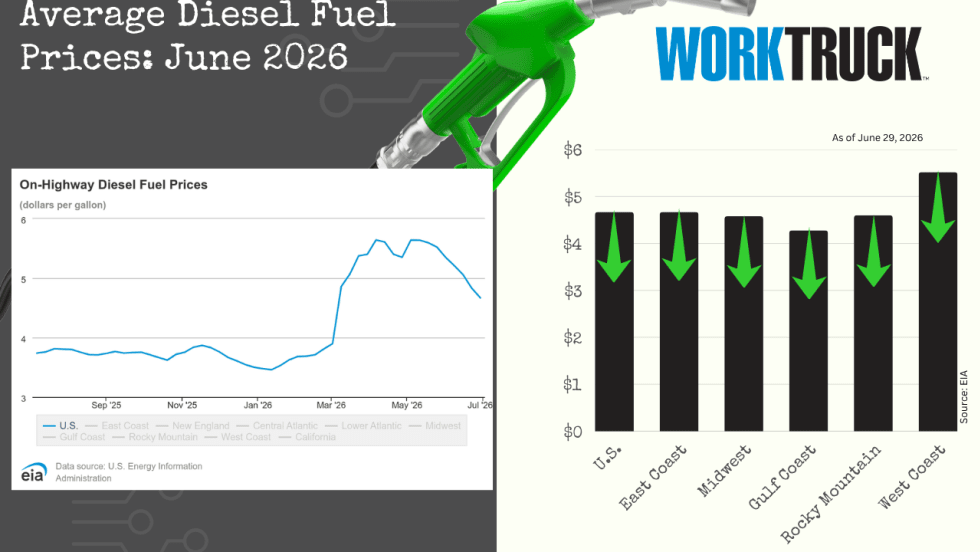
June Diesel Trends Update
The national average price of a gallon of diesel has dropped again, this week by more than 16 cents. All five regions reported lower average prices, ranging from almost 13 cents to more than 28 cents cheaper than a week ago.
Read More →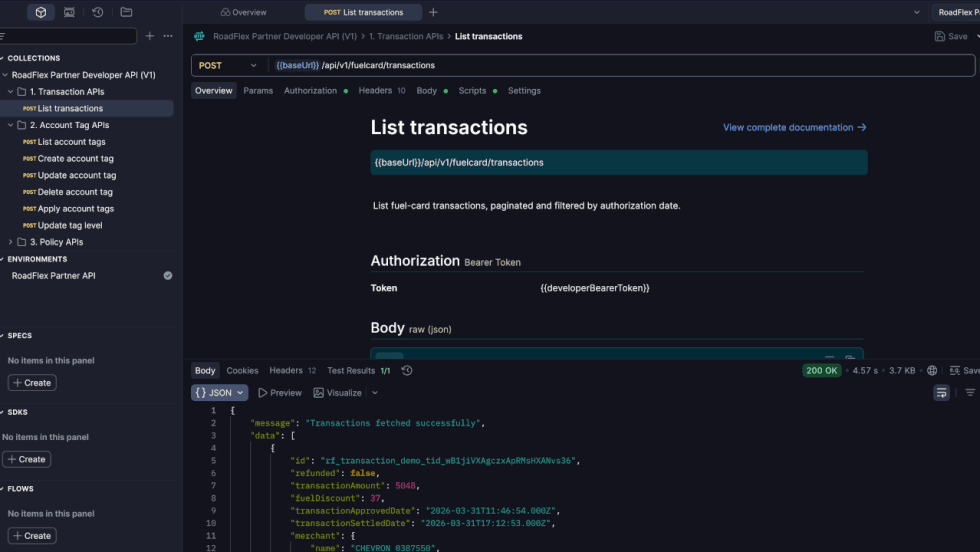
RoadFlex Launches RoadFlex Direct Open API Platform
RoadFlex Direct connects fuel cards, controls, and data to the telematics and fleet management systems fleets already run, from Geotab and Samsara to Fleetio and RTA, with no separate dashboard or double data entry.
Read More →
The Key to Fuel Efficiency Sits in the Cab
Learn how driver behavior, telematics, coaching, and fuel data can help fleets improve fuel efficiency, lower costs, and reduce emissions.
Read More →