




Caterpillar C13 & C15 Engines with ACERT Technology for 2007 Certified by EPA
PEORIA, IL – Caterpillar Inc. has received certification from the U. S. Environmental Protection Agency (EPA) for its C13 and C15 engines equipped with ACERT Technology for 2007. This technology positions Caterpillar to meet future EPA emissions regulations and provides a long-term emissions solution for the global on-highway engine market.
PEORIA, IL – Caterpillar Inc. has received certification from the U. S. Environmental Protection Agency (EPA) for its C13 and C15 engines equipped with ACERT Technology for 2007. This technology positions Caterpillar to meet future EPA emissions regulations and provides a long-term emissions solution for the global on-highway engine market. The new C13 is available in on-highway vocational and heavy-duty line haul configurations for expanded versatility. In addition to truck, bus, recreational vehicle, and fire truck ratings, the C15 provides the highest horsepower and torque rating in the industry, according to Caterpillar. ACERT Technology relies on four basic systems to lower emissions — air management, precision combustion, advanced electronics, and effective aftertreatment. These four systems work to decrease particulate matter, oxides of nitrogen, and hydrocarbon emissions while preserving the engine’s reliability and durability, which keep owning and operating costs low.
Originally posted on Automotive Fleet
More Fuel

Precision Under Pressure: Why Modern Diesels Demand a New Fuel Maintenance Playbook
Modern diesel fuel systems leave little room for contamination, deposits, or old maintenance habits. See why today’s HPCR engines demand a more proactive approach to fuel quality, injector health, and DPF protection.
Read More →
Peterbilt Trucks Equipped with Paccar TX-18 Pro Boost Efficiency for Maryland Fleet
Patuxent Companies is replacing aging trucks with the Peterbilt Model 567 and Model 589, specified with the Paccar TX-18 Pro 18-speed automated transmissions, and is reporting an 8% to 10% improvement in fuel economy.
Read More →
The Smart Way to Build a Mixed-Energy Fleet Isn’t About Picking a Side
Mixed-energy fleets aren’t about picking a winning fuel. Sarah Booth of WEX explains how vehicle data, duty cycles, charging strategy, and real-world costs can help fleets choose the right energy source for each job.
Read More →



Ignoring This Dashboard Warning Could Cost Your Fleet Thousands in Fuel
New research suggests neglected diesel aftertreatment systems could waste up to $30 in fuel per vehicle each day. Here's why vocational fleets should pay attention.
Read More →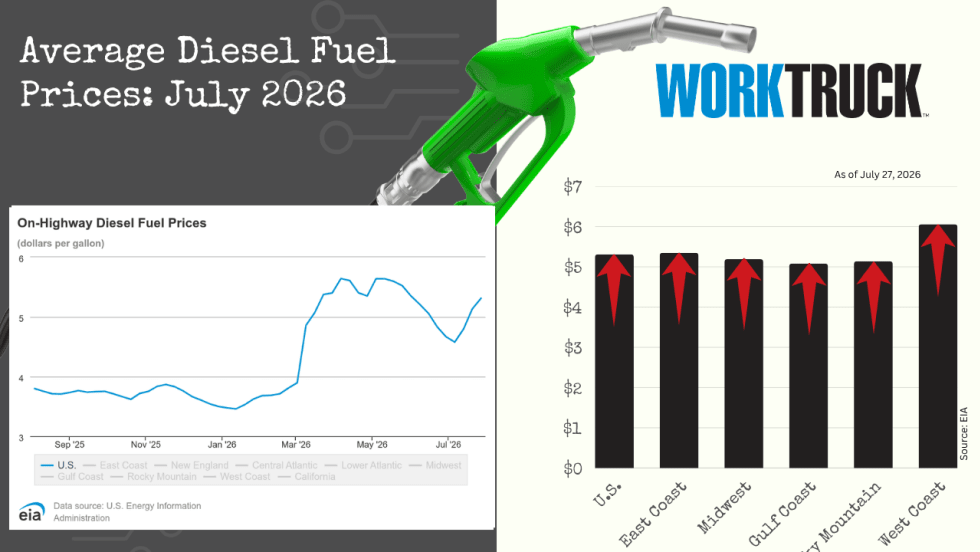
July Diesel Trends Update
The average price of a gallon of diesel increased again this week, and the EIA reported a new national average of $5.31 at the start of the week.
Read More →
WEX Brings Standard Fleet's Connected Vehicle Platform to Fleet Customers
This week’s product launch with Standard Fleet’s connected vehicle platform reflects WEX Venture Capital's strategy of turning startup innovation into customer solutions. Standard Fleet is now available to WEX fleet customers.
Read More →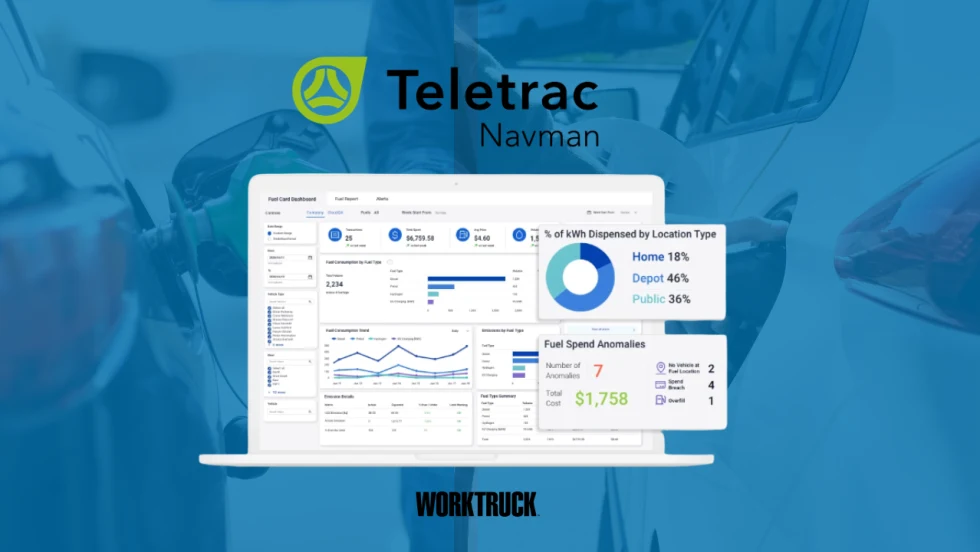
Teletrac Navman Adds Mixed-Energy Fleet Tools to TN360
The new Energy Hub combines fuel transactions, EV charging data, vehicle range, and energy costs in one dashboard for fleets operating multiple vehicle and energy types.
Read More →
WEX DriverDash adds CITGO, Expands Nationwide Access for Fleets
The DriverDash mobile payment app, by WEX, has been integrated into the CITGO merchant network, which means WEX has expanded its U.S. station footprint with the addition of approximately 4,000 CITGO locations.
Read More →
Mixed Energy Fleet Tips for Balancing EVs, Gas and Diesel Vehicles
Mixed energy fleets are becoming the new normal. Learn how fleet managers are balancing EVs, gas and diesel vehicles while controlling costs and planning for the future.
Read More →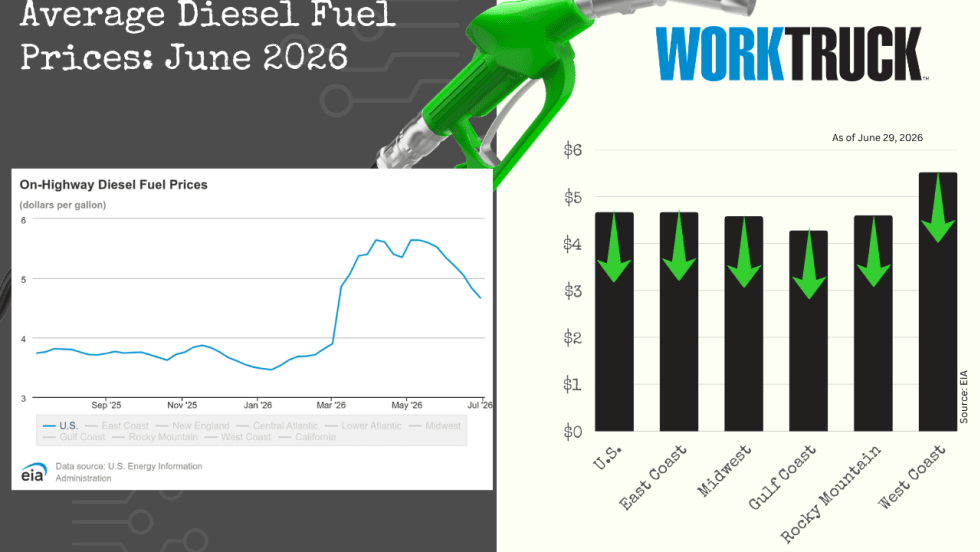
June Diesel Trends Update
The national average price of a gallon of diesel has dropped again, this week by more than 16 cents. All five regions reported lower average prices, ranging from almost 13 cents to more than 28 cents cheaper than a week ago.
Read More →