




Related: CARB Tightens Fuel Emission Rules
California's Climate Change Deal May Increase Fuel Prices
California's Legislature has voted to extend the state's cap-and-trade program through 2030, which could result in an increase to the gasoline tax and would codify the Low Carbon Fuel Standard (LCFS) into law.
by Staff
July 18, 2017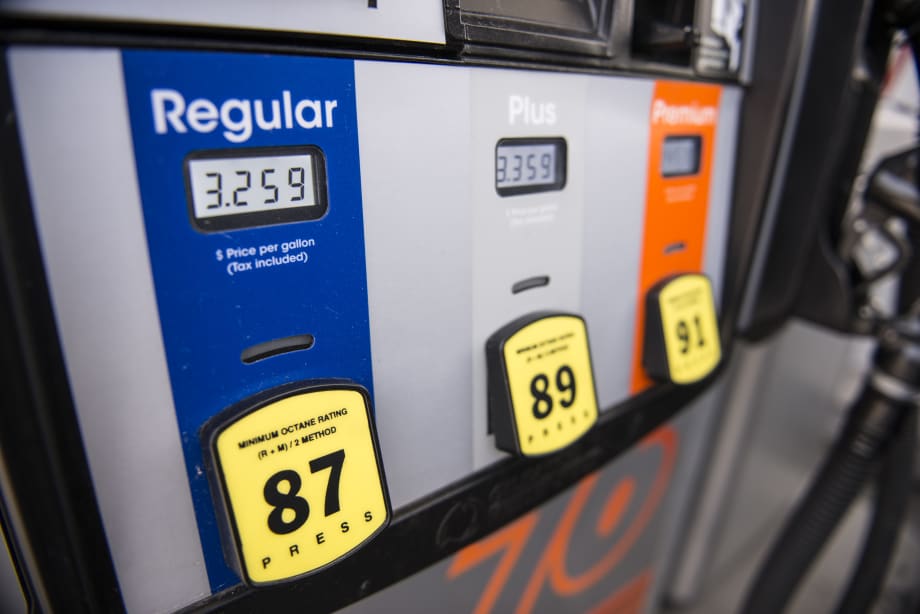
Photo by Vince Taroc.
2 min to read
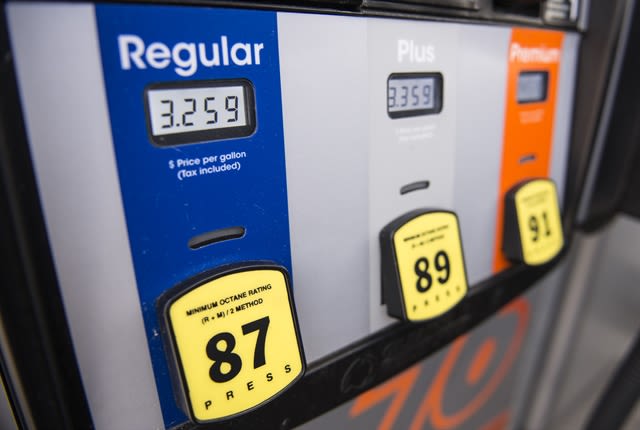
Photo by Vince Taroc.
California's Legislature has voted to extend the state's cap-and-trade program through 2030, which could result in an increase to the gasoline tax and would codify the Low Carbon Fuel Standard (LCFS) into law.
Legislators approved the signature legislation from Gov. Jerry Brown, who hopes to roll back greenhouse gas emissions to 40% below 1990 levels by 2030. AB 398 received the neccessary two-thirds in each house. The bill was sponsored by Assemblyman Eduardo Garcia (D-Coachella), while companion bill AB 617 was sponsored by Assemblywoman Cristina Garcia (D-Bell Gardens).
Under the state's current system, emissions are capped and pulluers must obtain permits for the greenhouse gases they emit. Companies can trade for more capacity on the private market or at a state-run auction.
The passage of the bill was greeted enthusiastically by groups representing alternative fuels, including the Coalition for Renewable Natural Gas.
"In addition to extending cap-and-trade, state law will now also recognize low-carbon transportation alternatives for purposes of allocating future Greenhouse Gas Reduction Funds (GGRF) from related auction revenues — funds that are needed to realize increased in-state development, deployment and utilization of RNG." said Nina Kapoor, the coalition's manager of legislative and regulatory affairs.
The Low Carbon Transportation Fund hasn't provided money for in-state biofuels production and cap-and-trade-related Greenhouse Gas Reduction Fund (GGRF) in the past, and hasn't focused enough attention on reducing air contaminants and Short-Lived Climate Pollutants (SLCP) other than methane from the dairy sector, accordiong to the coalition.
The codification of the Low Carbon Fuel Standard provides "additional market certainty that the industry needs to continue developing RNG for transportation fuel use both in California and across the country," said Johannes Escudero, the coalition's CEO.
Originally posted on Automotive Fleet
More Fuel

The Smart Way to Build a Mixed-Energy Fleet Isn’t About Picking a Side
Mixed-energy fleets aren’t about picking a winning fuel. Sarah Booth of WEX explains how vehicle data, duty cycles, charging strategy, and real-world costs can help fleets choose the right energy source for each job.
Read More →
Ignoring This Dashboard Warning Could Cost Your Fleet Thousands in Fuel
New research suggests neglected diesel aftertreatment systems could waste up to $30 in fuel per vehicle each day. Here's why vocational fleets should pay attention.
Read More →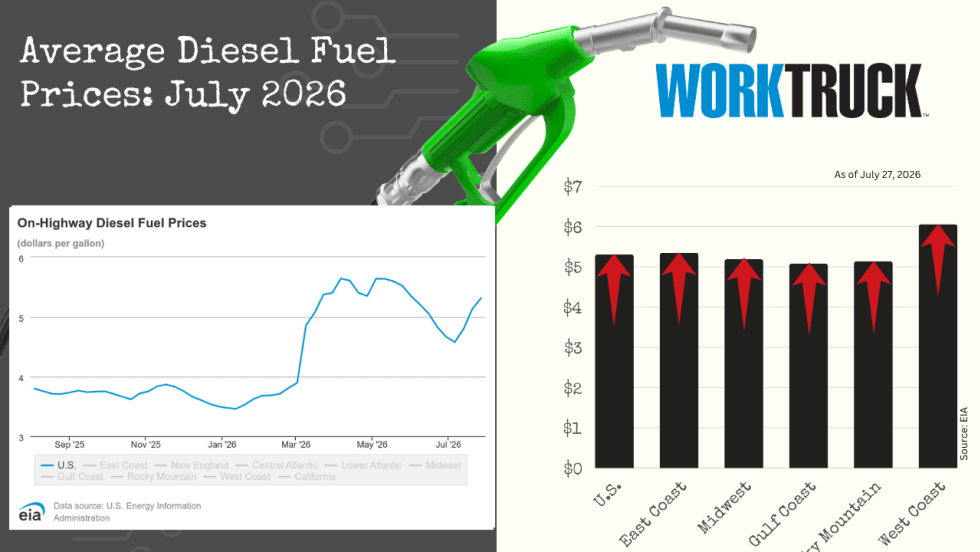
July Diesel Trends Update
The average price of a gallon of diesel increased again this week, and the EIA reported a new national average of $5.31 at the start of the week.
Read More →
WEX Brings Standard Fleet's Connected Vehicle Platform to Fleet Customers
This week’s product launch with Standard Fleet’s connected vehicle platform reflects WEX Venture Capital's strategy of turning startup innovation into customer solutions. Standard Fleet is now available to WEX fleet customers.
Read More →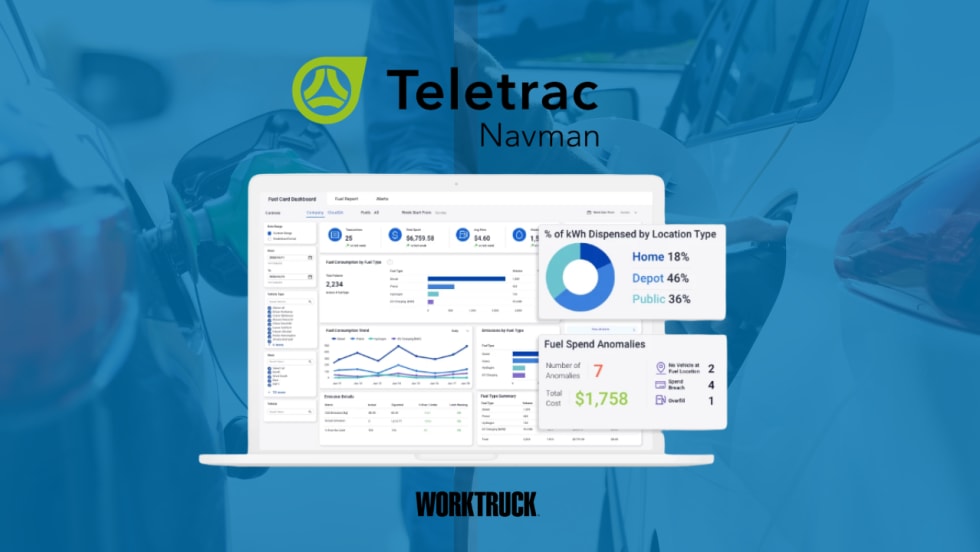
Teletrac Navman Adds Mixed-Energy Fleet Tools to TN360
The new Energy Hub combines fuel transactions, EV charging data, vehicle range, and energy costs in one dashboard for fleets operating multiple vehicle and energy types.
Read More →
WEX DriverDash adds CITGO, Expands Nationwide Access for Fleets
The DriverDash mobile payment app, by WEX, has been integrated into the CITGO merchant network, which means WEX has expanded its U.S. station footprint with the addition of approximately 4,000 CITGO locations.
Read More →
Mixed Energy Fleet Tips for Balancing EVs, Gas and Diesel Vehicles
Mixed energy fleets are becoming the new normal. Learn how fleet managers are balancing EVs, gas and diesel vehicles while controlling costs and planning for the future.
Read More →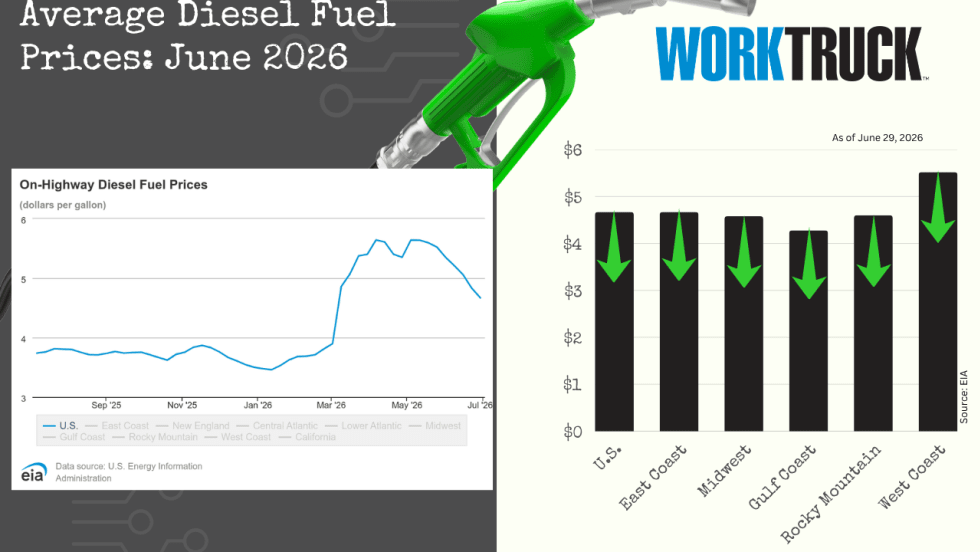
June Diesel Trends Update
The national average price of a gallon of diesel has dropped again, this week by more than 16 cents. All five regions reported lower average prices, ranging from almost 13 cents to more than 28 cents cheaper than a week ago.
Read More →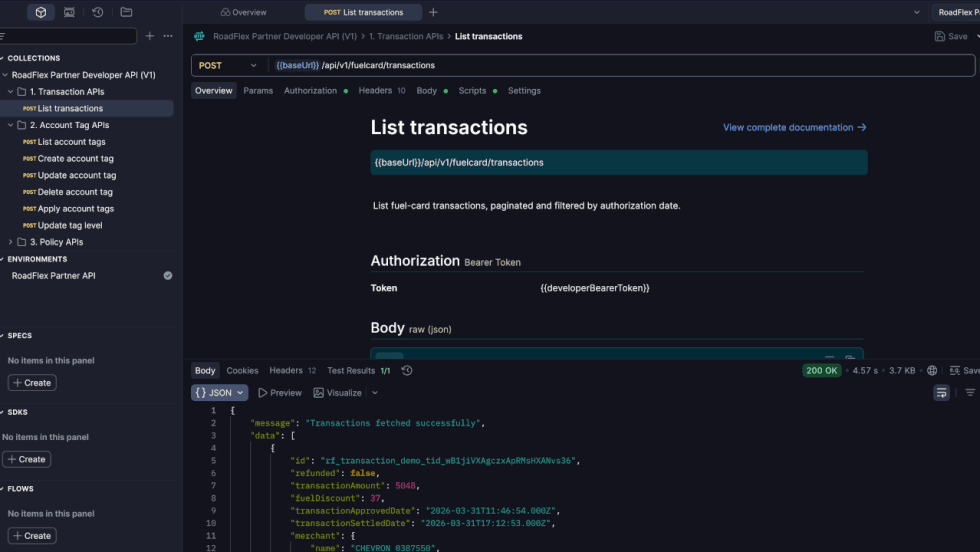
RoadFlex Launches RoadFlex Direct Open API Platform
RoadFlex Direct connects fuel cards, controls, and data to the telematics and fleet management systems fleets already run, from Geotab and Samsara to Fleetio and RTA, with no separate dashboard or double data entry.
Read More →
The Key to Fuel Efficiency Sits in the Cab
Learn how driver behavior, telematics, coaching, and fuel data can help fleets improve fuel efficiency, lower costs, and reduce emissions.
Read More →