




Advancements Help Minimize the Environmental Impact of Trucks and Diesel Engines, According to Navistar
WARRENVILLE, IL – As the world becomes more vigilant and active about key environmental issues, many industries have renewed commitments to green initiatives.
WARRENVILLE, IL – As the world becomes more vigilant and active about key environmental issues, many industries have renewed commitments to green initiatives. According to Navistar, one group that has been steadily improving the environmental landscape is the commercial transportation industry. The industry has traditionally been thought of as unfriendly to the environment, but new technology has transformed many of today’s trucks and buses into environmentally responsible forms of transportation.
Below is Navistar’s list of its products now helping to
green the vehicle industry:
American Idle — Do Trucks Really Need to Idle at Truck Stops? The U.S. Department of Energy estimates that each year trucks use 10 percent of diesel fuel idling — costing nearly $10 billion annually and emitting countless amounts of greenhouse gases into the atmosphere.
However, new technology provides trucks the necessary in-cab power without needing engines to idle. A MaxxPower auxiliary power unit (APU) from Navistar provides truck drivers with a power system that can save each truck more than $7,000 in fuel costs each year because the trucks will not need to idle to produce power. No idling means less diesel fuel used. The APU can produce the power many trucks rely on while using only two-tenths of a gallon per hour.
Are Semi-Trucks Fuel-Guzzlers? New advances in truck design allow for more aerodynamic, fuel-efficient travel. The International ProStar semi-truck achieved a fuel savings of more than $5,000 per truck. The fuel savings is based on traveling 144,000 miles annually and when compared to a leading competitor. It results in 1,300 gallons of fuel saved each year, per truck. The ProStar and the new International LoneStar both feature aerodynamic designs that make a difference both in reducing diesel fuel consumption as well as lowering greenhouse gas emissions.
Along with idle management products such as the MaxxPower APU and cleaner diesel engines, today’s semi-trucks are more environmentally responsible than ever before.
We Have Hybrid Cars, Why Not Hybrid Trucks? To date, Navistar has built more than 100 hybrid trucks that are in service by more than a dozen major utility companies, including Florida Power & Light, Exelon, and American Electric Power.
The International DuraStar Hybrid can provide fuel savings of 30 to 40 percent in many applications. Fuel efficiency can increase to more than 60 percent in utility-type applications. Diesel emissions are completely eliminated when the hybrid truck operates equipment (such as overhead utility booms) solely on the truck’s battery power, instead of allowing the engine to idle.
Navistar also partnered with the EPA, the U.S. Army, UPS, and Eaton Corporation to develop the first-ever series of diesel hydraulic hybrid urban delivery vehicles. Last year, Navistar received the 2007 Blue Sky Award from WestStart-CALSTART, the nation’s leading advanced transportation technology organization, for its contributions to the commercial development of diesel hybrid technology.
Aren’t Diesel Engines Smoky and Noisy? Today’s diesel engines meet strict EPA emissions requirements. With diesel fuel, drivers can get 40 percent more miles to the gallon than gasoline. Plus, diesel engines burn cleaner due to reformulated diesel fuel introduced in 2007 called Ultra Low-Sulfur Diesel.
In 2007, new diesel engines were introduced that eliminate more than 90 percent of particulate and hydrocarbon emissions, leaving the exhaust smokeless, odorless and much cleaner for the environment. In 2010, diesel engines will be even cleaner, with aggressive, near-zero emissions goals.
Navistar’s new MaxxForce mid-range diesel engines are 9-13 percent more fuel efficient. In fact, MaxxForce 7 and MaxxForce DT engines include a fuel efficiency guarantee. If customers don’t experience improvement in fuel economy over their previous engines, they are eligible to be refunded the difference (up to $1,000).
More Green Fleet

Fleet Forward Conference Introduces One-Day Passes for 2026
New one-day registration gives fleet professionals the flexibility to attend Tuesday, Wednesday, or Thursday, with passes available for $199 through Sept. 18.
Read More →
CALSTART Rebrands as Catalyst Mobility, Will Combine with Forth in 2027
CALSTART has rebranded as Catalyst Mobility and will combine with Forth at the start of 2027. The new organization said it is poised to become one of the world's largest, strongest, and most impactful clean transportation nonprofits.
Read More →
Electric Truck and Charging Programs to Boost Sustainability at NY & NJ Ports
Together, the Port Authority of New York and New Jersey and CALSTART will electrify drayage and terminal operations serving the East Coast’s busiest container port. A pair of incentive programs totaling $45 million has launched to accelerate adoption of zero-emission drayage trucks and terminal tractors.
Read More →
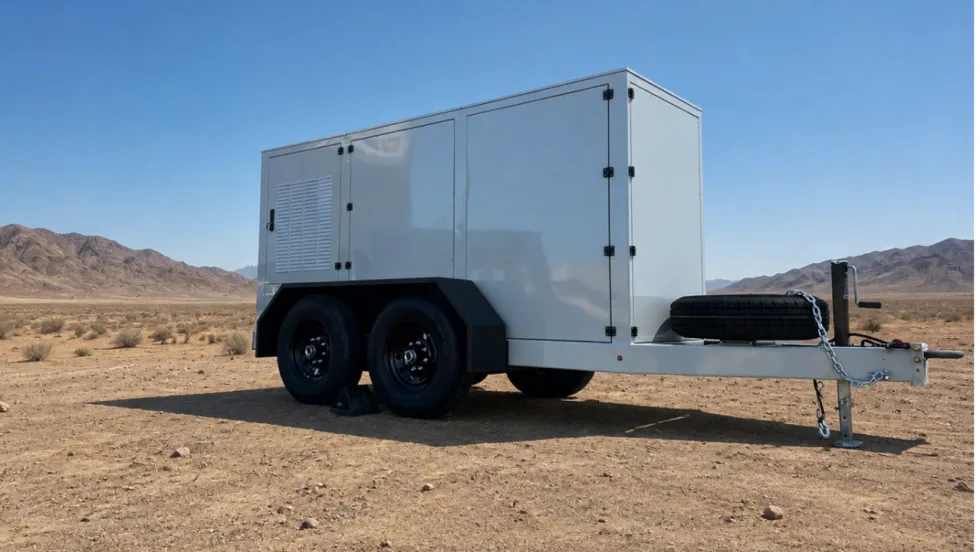
Xos Hub Surpasses One Gigawatt-Hour of Energy Delivered in the Field
A single Xos Hub has surpassed one gigawatt-hour of energy across more than 33,600 charging sessions in the field, demonstrating performance that supports Xos' expansion across new products and markets.
Read More →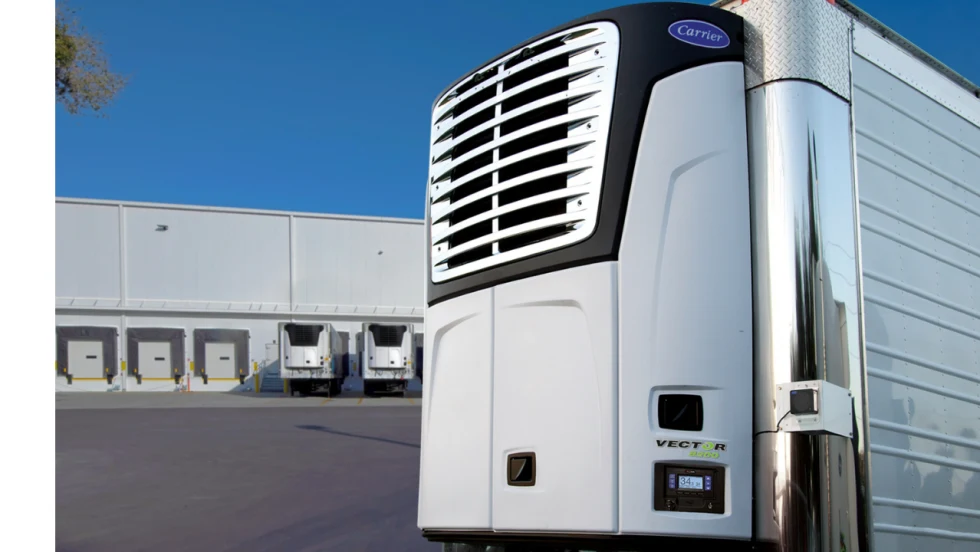
Carrier Transicold Launches All-Electric Vector 8200 TRU for Diesel-Free On-Site Cold Storage
Carrier Transicold’s first engineless multi-temperature TRU helps fresh- and frozen-food fleets add supplemental cold storage capacity during seasonal peaks.
Read More →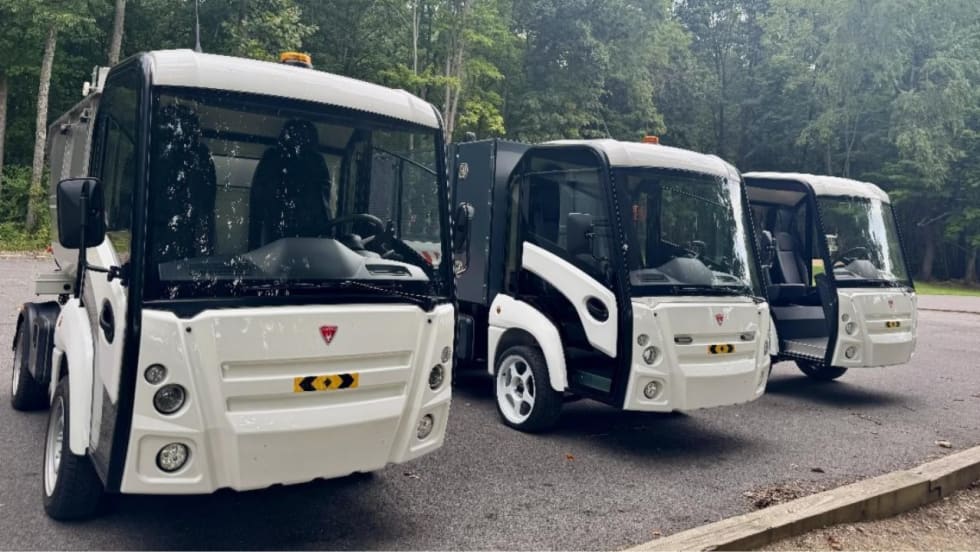
Narro Trucks Introduces Electric Utility Vehicle
Narro Trucks officially launched its operations on Aug. 20 and hosted a ride and drive to showcase its electric truck, which will be produced in Virginia.
Read More →
Samsung SDI Takes Full Control of GM Battery JV as Indiana Plant Pivots to Energy Storage
Samsung SDI is taking full control of its Indiana battery plant with GM, marking a major shift from the EV-focused joint venture Charged Fleet first covered in 2023.
Read More →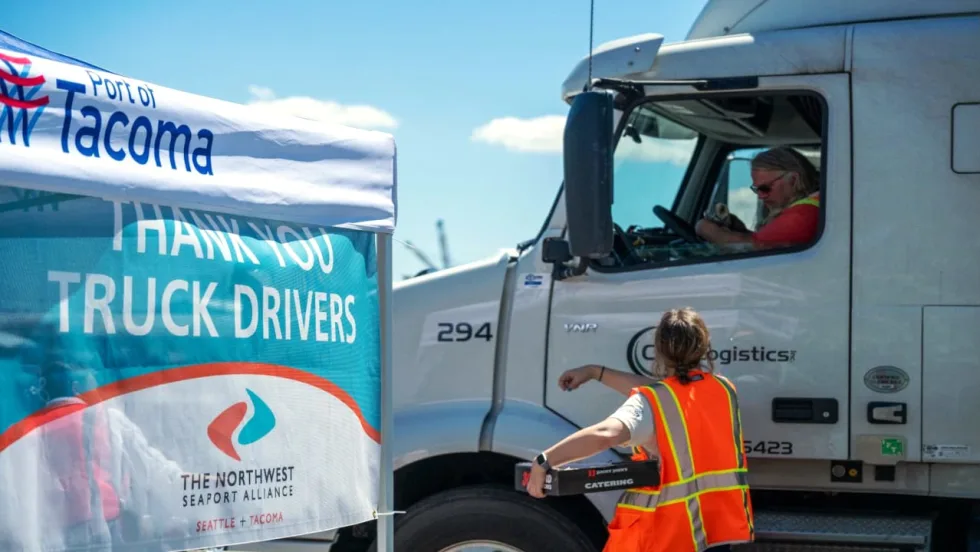
NWSA Taps CALSTART to Administer Zero-Emission Drayage Assistance Program
CALSTART will provide free technical assistance services to drayage fleets serving the Ports of Seattle and Tacoma and looking to transition to cleaner technologies and help decarbonize freight hubs.
Read More →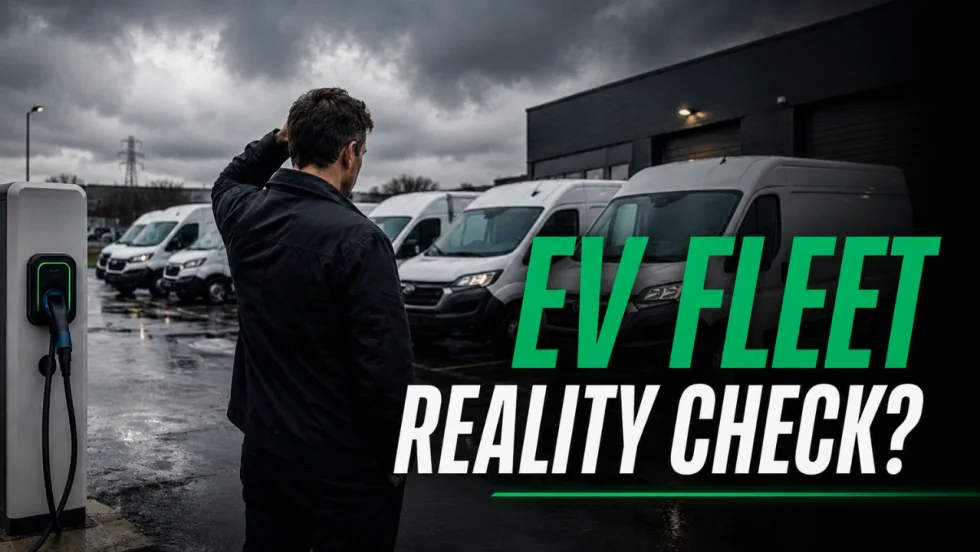
EV Fleet Reality Check: What Operators Wish They Knew Before Electrifying Their Work Vans
Electric work truck upfits bring new compatibility questions. Learn how parts availability, OEM guidance, power demands, and route planning can affect fleet performance.
Read More →
Peterbilt Expands Sourcewell Partnership with Electric Vehicle Lineup
Peterbilt Motors Company’s cooperative purchasing agreement with Sourcewell and its Canadian partner, Canoe Procurement Group, now includes including Peterbilt's battery-electric vehicle lineup.
Read More →