




7 Tips for Driving in Snowy and Icy Conditions
More than 150,000 crashes happen every year due to icy roads. Offer these safe driving tips to your fleet drivers now because winter is around the corner.


70% of U.S. roads are in snowy areas, increasing the threat of an accident significantly.
Photo via pixabay.com/Thilo Becker
Editor's Note: This content was originally published in January 2021. It has been reviewed and updated for continued relevance.
According to the AAA, more than 2,000 road deaths occur each year due to bad weather and winter storms.
Winter is peak season, so now is the time for fleet operators to remind drivers of some scary statistics to keep safety top of mind during the most frigid months.
Approximately 70% of the United States population lives in places with snowy and icy conditions during the winter.
Here are some hard, cold facts your drivers should know: Driving on snowy roads can take your car 10 times longer to stop completely, according to AAA. Moreover, The Weather Channel notes that slushy or snowy pavement causes a 30% to 40% speed reduction on major roads.
Of particular note, about 17% of vehicle crashes occur in snowy conditions, according to the National Highway Traffic Safety Administration. What’s more, 70% of roads in the United States are in snowy areas, which increases the threat of an accident significantly.
As the days grow shorter and the weather turns cooler, here are seven tips offered by Zutobi, a driver education company, about how to stay safe when behind the wheel in the winter months.
Prepare Your Vehicle
Be sure to have your vehicle serviced and your tires checked. A safe tread depth is critical for winter weather driving. Make sure your fluids are topped off. It’s safer to have at least half a tank of fuel and be sure your windshield fluid is always full. Road salt tends to increase your need to clean your windshield during the winter.
Remember the Basics
Don’t forget to buckle up and ensure that you are in a physical and mental state that’s safe for driving. Being fatigued or distracted will put you in a dangerous condition on the roadway and getting your job done.
Watch Your Speed & Increase Following Distance
Slowing down is critical in winter driving conditions. Be cautious to avoid hitting other cars or stationary items by reducing your speed. Another way to be safer is to increase the distance between you and the vehicle in front. Instead of the usual 3-second following distance, consider 5 seconds in winter driving conditions. This will allow you more time to stop should something unforeseen happen. For example, in icy conditions, the stopping distance can be up to 10 times longer compared to when driving on a dry road, so you need that extra safety margin to stay safe. We might also consider reducing your speed by half if driving on packed snow.
Keep Low Beams On
Using your headlights isn’t only about allowing you to see better, but it will also help you be seen by others. Especially during the winter, any extra visibility can be a safety precaution. However, remember that high beam headlights aren’t necessarily better than low beams. In bad weather conditions, high beams can actually make you see less instead of more.
Clear All Windows
Be sure to leave enough time to clear all your windows of snow and ice, and to defrost them before you get on the road. It can be tempting to just chip away enough so you can barely see and hope that the warmth of the car will take care of the rest during the trip. However, clear visibility is really important to stay safe in winter weather. Snow can also fly off your vehicle and create a road hazard for drivers behind you.
Don't Slam the Brakes
If you happen to lose control of your vehicle on an icy road, it can be hard to know what to do quickly enough. The most important thing is to take your foot off the gas pedal, so your vehicle slows. It can be difficult to regain control because you often instinctively want to do the wrong things, like slam on your brakes and counter-steer. If your vehicle has anti-lock brakes, that can help you avoid skidding. Regular brakes may need to be pumped to keep them from locking.
Be extra cautious around curves and shaded areas.
Curves and shaded areas are known to hide spots of ice, making them very dangerous during winter, especially on wet and cold days. These areas tend to freeze first, hide spots of ice, and remain frozen the longest.
Originally posted on Automotive Fleet
More Safety
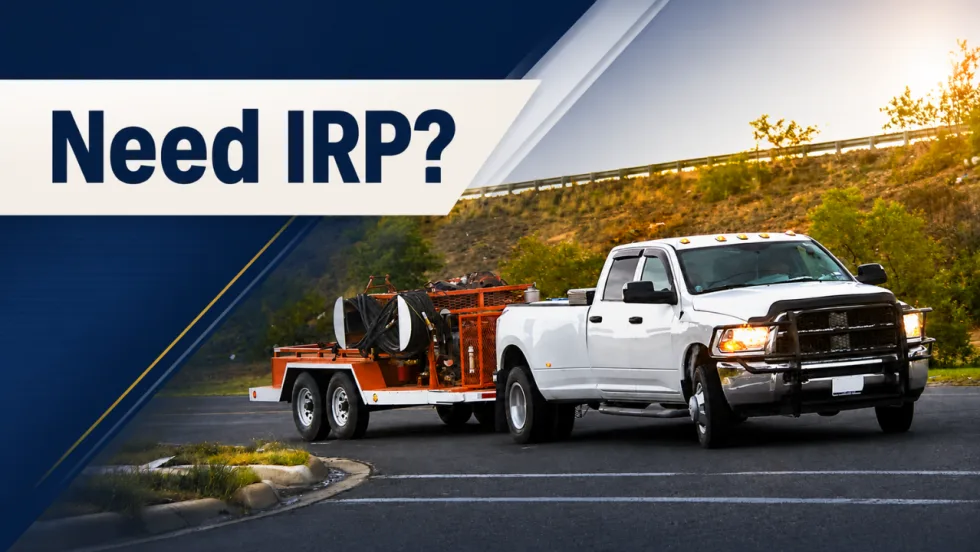
When Work Trucks Under 26,001 Pounds Need IRP Registration
Think trucks under 26,001 pounds are automatically in the clear when it comes to IRP? Not always. Learn where lighter vehicles can still run into trip permit, apportioned registration, and IFTA compliance requirements when crossing state or provincial lines.
Read More →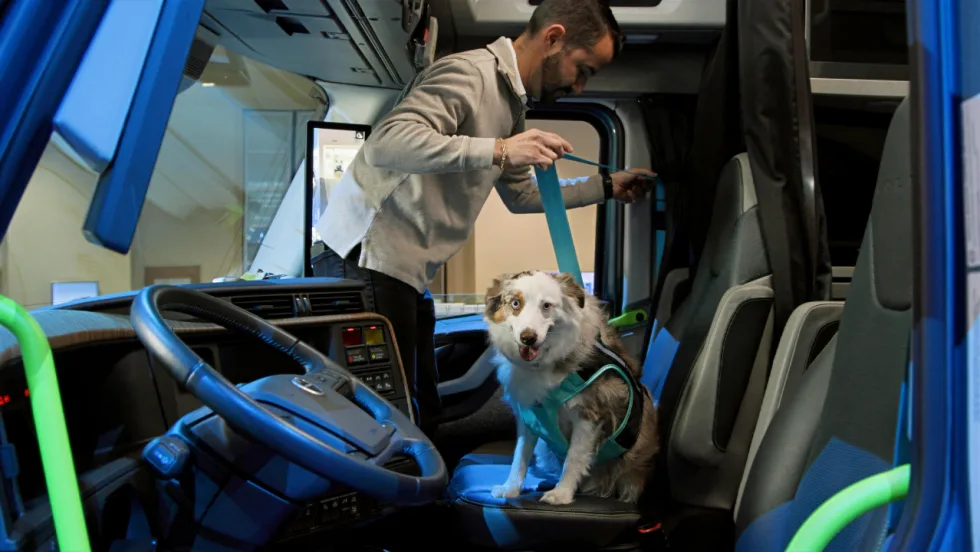
Volvo Trucks Releases New Safety Recommendations for Traveling with Pets
One of the most important recommendations for professional drivers traveling with pets is to ensure pets are properly restrained while the truck is moving. Other tips are available in the new guide from Volvo Trucks North America and Center for Pet Safety.
Read More →
API Issues Refueling Safety Guidelines
The American Petroleum Institute offers a list of safe vehicle refueling guidelines, including ways to avoid potential problems with static electricity discharges in fall, winter, and early spring.
Read More →
Winter Fleet Prep: Expert Tips to Keep Vehicles Running Smoothly
Cold weather can expose weak batteries, tires, fuel systems, and maintenance gaps fast. Use this winter fleet checklist to prepare trucks and drivers before temperatures drop.
Read More →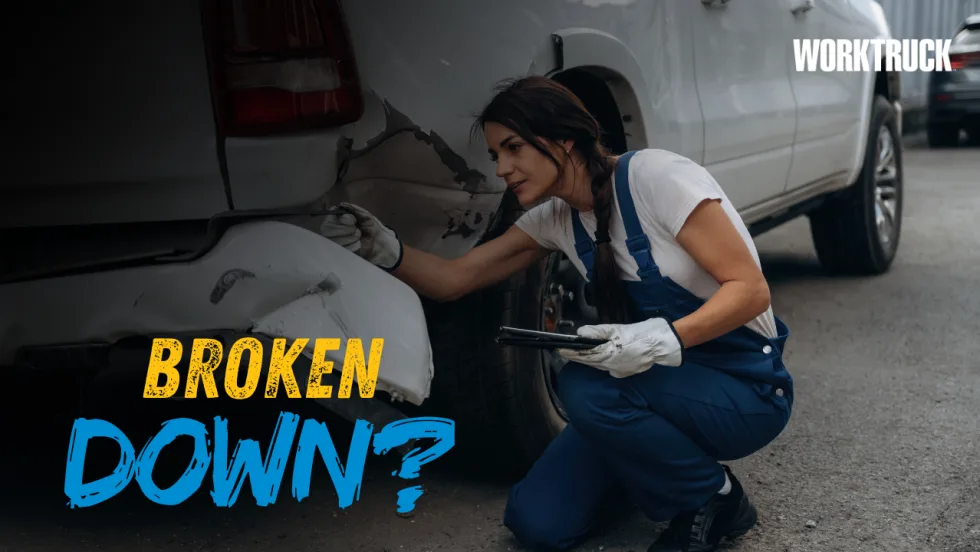
When a Work Truck Breaks Down, the Job Can Stop, Too
A work truck breakdown can stop more than the vehicle. Discover how payloads, jobsites, and specialty equipment change the roadside response.
Read More →
What Stronger Long-Term Fleet Service Partnerships Actually Require
Fleet service partnerships rarely fall apart all at once. Learn the three warning signs that trust is eroding and what fleets and providers can do before downtime, frustration, and lost revenue follow.
Read More →
Applause & TRUCE Software Partner to Improve Driver Safety Through AI-Powered Telematics & Employee Performance Management
Applause has integrated TRUCE driving metrics directly into its employee-first performance and safety platform that transforms mobile devices into AI-powered telematics.
Read More →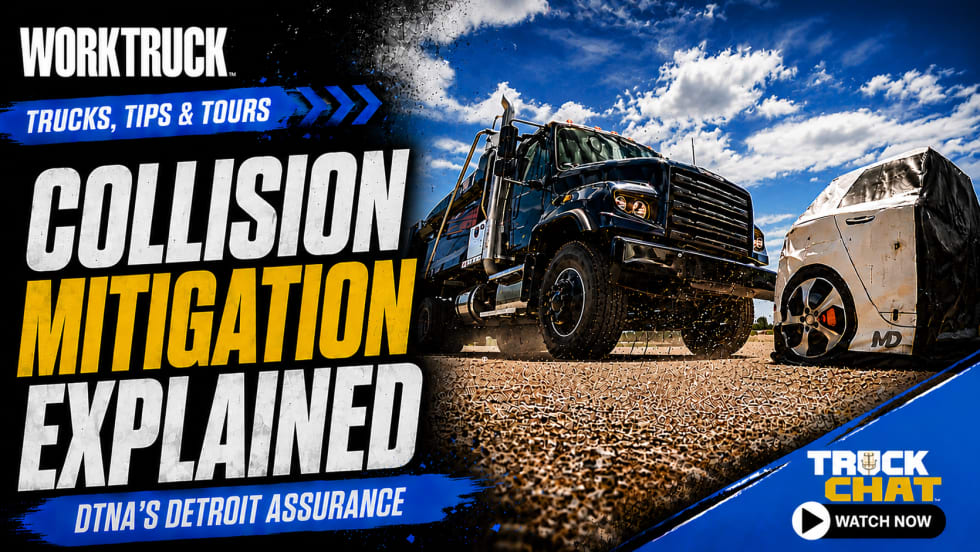
How Detroit Assurance with Active Brake Assist Works
Do you want to see what it is like to experience Detroit Assurance’s Active Brake Assist? In this video, Work Truck will put you in the cab to see how it all works and then hear more details from DTNA’s Mike Young.
Read More →
Get Left of Loss: A 5-Step Workplace Violence Prevention Framework for Fleet Operators
Violence risks do not stop at the driver’s door. Learn five practical steps fleets can take to spot threats early and protect workers before loss occurs.
Read More →
How Better Visibility Cut Speeding Violations by 48%
Fleet leaders don't need more data, they need clearer visibility into what the data is saying. This case study explores how one utility replaced speeding-event counts with a single metric — miles driven in violation — to strengthen safety and significantly reduce speeding violations.
Read More →