




2012-MY Explorer to Offer Lane Keeping and Distracted Driving Prevention Technologies
DEARBORN, MI – Ford posted news on a couple of the technologies it’s offering on the 2012-MY Explorer, including its new MyKey “Do Not Disturb” technology and its new Lane Keeping System.
DEARBORN, MI – Ford posted news on a couple of the new technologies it’s offering on the 2012-MY Explorer, including its new MyKey “Do Not Disturb” technology and its new Lane Keeping System.
The new feature will block incoming phone calls or text messages received via a Bluetooth-paired mobile device. It will divert calls to voicemail and save text messages for later viewing. Unlike turning the phone off, though, drivers can still make voice-activated outgoing phone calls and the SYNC 911 Assist feature can make a call in case of emergency.
The Do Not Disturb feature will be controllable via the Ford MyKey system on the 2012-MY Explorer.
Ford’s Lane Keeping System on the Explorer will feature three new technologies, the Driver Alert System, Lane Keeping Alert, and Lane Keeping Aid.
The Driver Alert system monitors a vehicle’s movements compared to lane markings. The vehicle uses a camera to track the lane markings. If the system detects a driving pattern that’s consistent with a drowsy driver, a chime will sound and a “coffee cup” icon will appear on the dashboard cluster. If the driver doesn’t respond to that alert, the system will issue another warning and chime. All information on the system resets as soon as the driver stops and opens the door or turns off the engine.
The Lane Keeping Alert alerts the driver, via a steering wheel vibration, when the system detects the vehicle drifting close to lane markings. To calculate lane position, Lane Keeping Alert uses data from a front camera on the windshield. The system uses a dashboard alert to let the driver know it’s operating.
Lane Keeping Aid actively provides steering torque to alert a driver of the need to steer back toward the center of a lane. The system calculates the amount of steering required to move the vehicle back into a safe position using factors such as the distance to the lane markings, yaw angle, and curve radius based on data provided by the front camera and other vehicle sensors.
Dashed lane markings, like those on highways, will appear when the system is activated. A green line indicates the system is available and ready to provide a warning. A flashing yellow line means the system has just provided a Lane Keeping Aid warning, while a flashing red line notifies the driver of a Lane Keeping Alert warning.
Gray lines indicate the system isn’t active because the vehicle is moving at less than the 40-mph activation speed, the road is poorly marked, or adverse environmental conditions prevent the camera from determining road markings.
The driver has to turn the system on to use it. The driver also has the ability to adjust the sensitivity of the various system settings, for example for audible alerts and the steering wheel vibration warning.
Originally posted on Automotive Fleet
More Articles
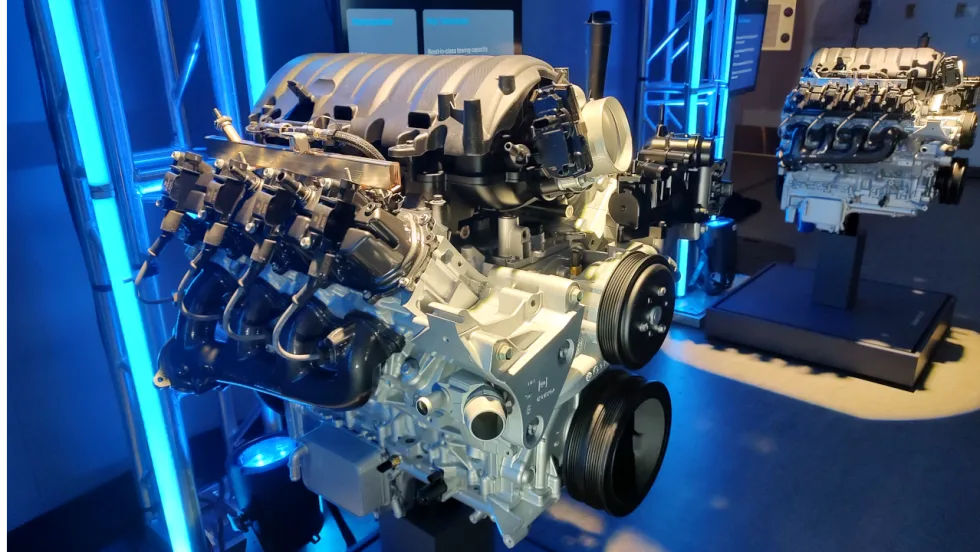
GM Unveils New Sixth-Generation Small Block Engines for 2027 Light-Duty Pickups
General Motors unveiled two new small-block engines, backed by extensive real-world validation and more than 70 years of small-block V8 manufacturing experience, as part of the engine portfolio for the 2027 Chevrolet Silverado 1500 and GMC Sierra 1500.
Read More →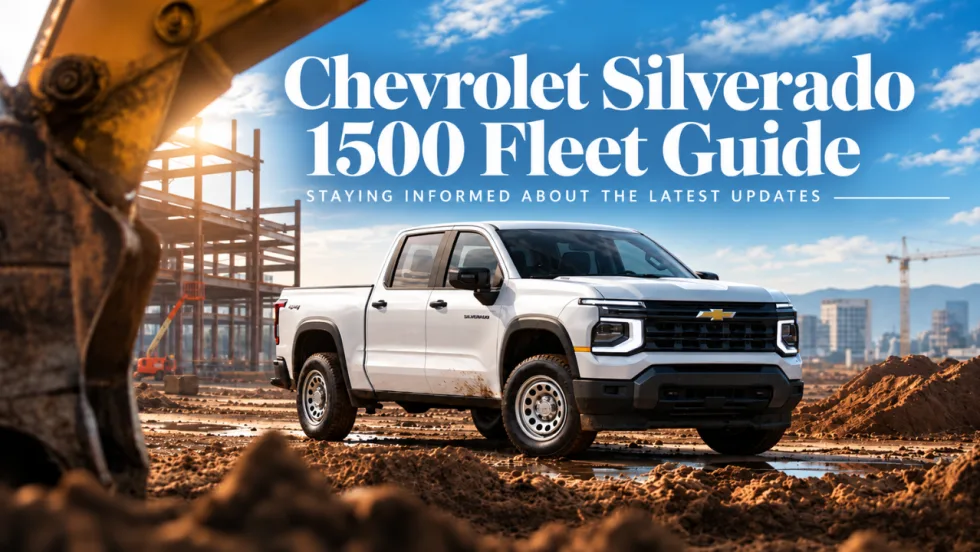
Chevrolet Silverado 1500 Fleet Guide Specs Capability and 2027 Model-Year Updates
The next-generation 2027 Chevrolet Silverado 1500 brings new V-8 engines, updated technology, expanded safety features, and a fleet-focused Work Truck. Here’s what commercial fleets need to know so far.
Read More →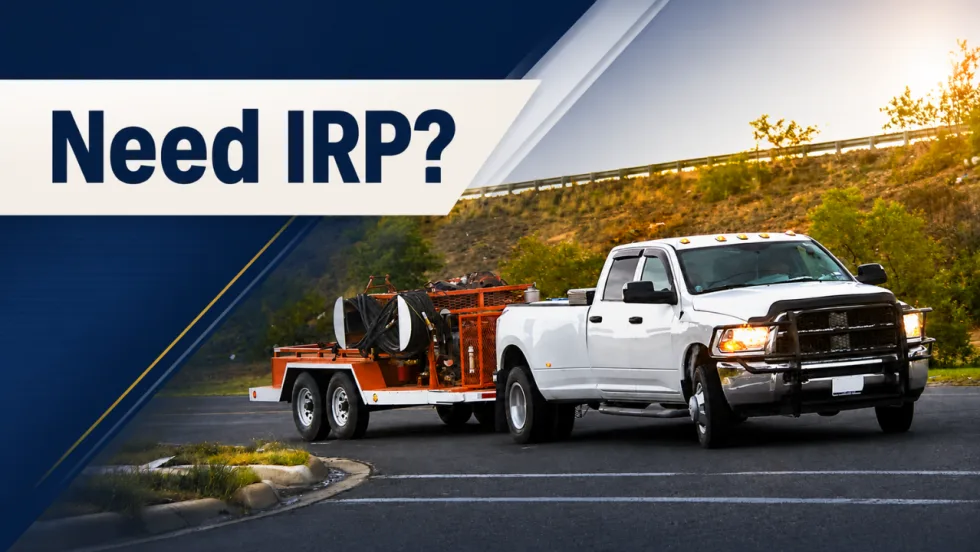
When Work Trucks Under 26,001 Pounds Need IRP Registration
Think trucks under 26,001 pounds are automatically in the clear when it comes to IRP? Not always. Learn where lighter vehicles can still run into trip permit, apportioned registration, and IFTA compliance requirements when crossing state or provincial lines.
Read More →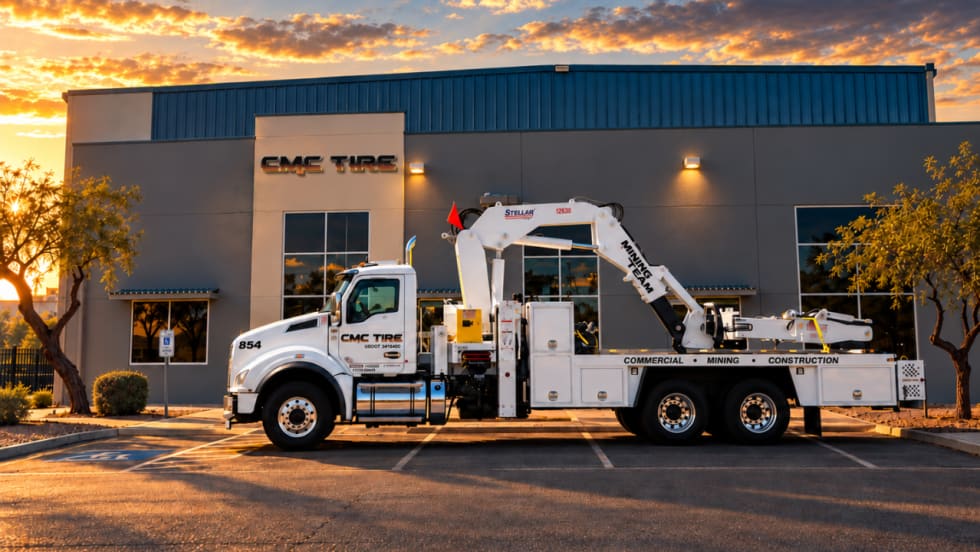
Les Schwab Expands Commercial Tire Footprint Into Arizona
Les Schwab Tires has expanded into Arizona with two commercial tire locations in Phoenix and Tucson, strengthening its fleet service footprint in the Southwest.
Read More →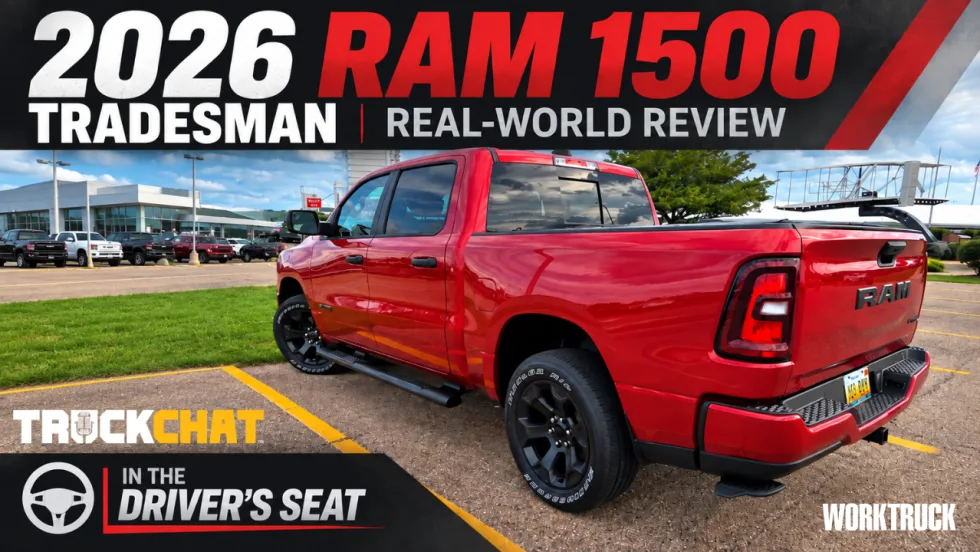
2026 Ram 1500 Tradesman Put to a Real-World Fleet Test
A few days behind the wheel of a 2026 Ram 1500 Tradesman turned into a test of visibility, parking, work-ready features, and even severe-weather driving.
Read More →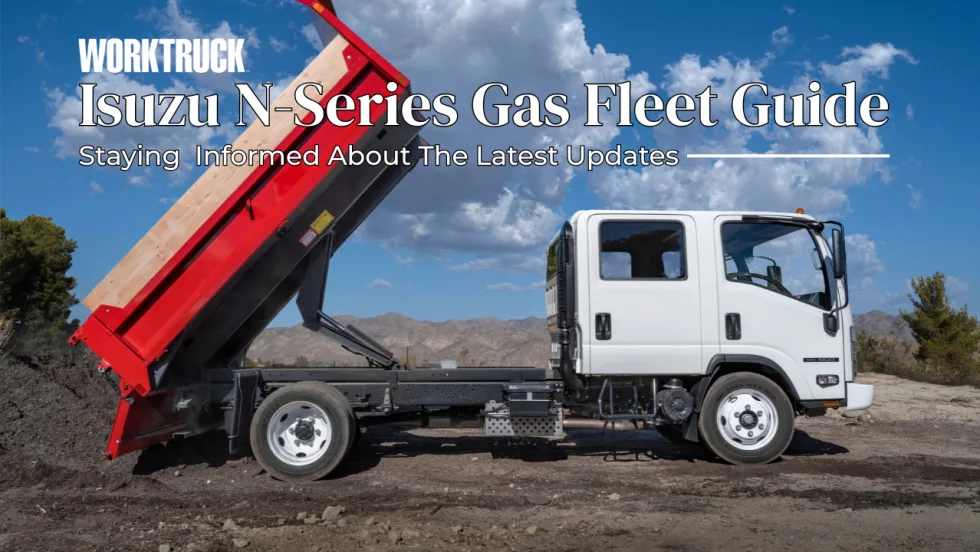
Isuzu N-Series Gas Fleet Guide: Specs, Capability and 2027 Model-Year Updates
Explore Isuzu Truck North America’s N-Series Gas fleet specs, engine performance, GVWR and payload capability, configurations, chassis dimensions, work-focused features, and 2027 model-year information.
Read More →
Fleet Forward Conference Introduces One-Day Passes for 2026
New one-day registration gives fleet professionals the flexibility to attend Tuesday, Wednesday, or Thursday, with passes available for $199 through Sept. 18.
Read More →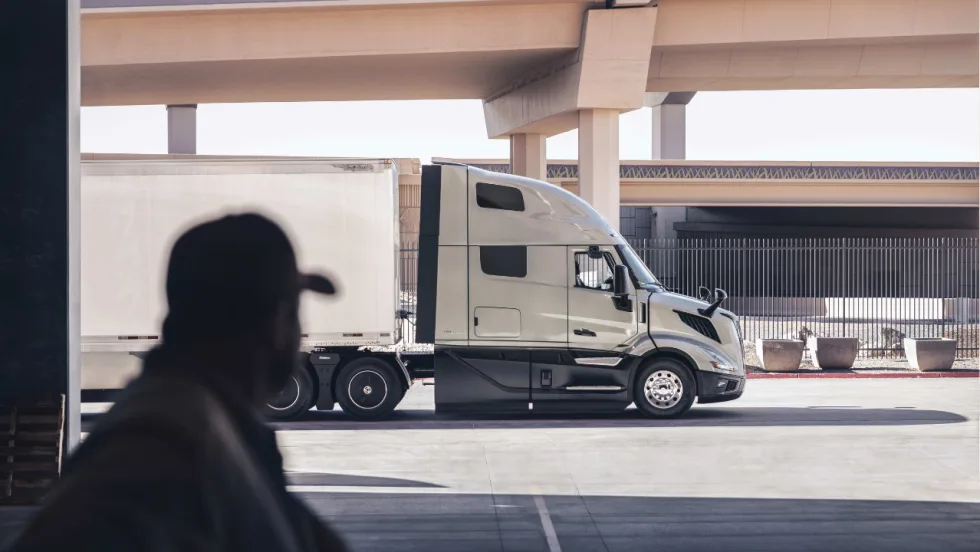
Volvo Trucks’ 'Lock and Leave' Software Updates Go Live Across North America
Unattended over-the-air software updates are now available in Volvo trucks across the U.S. and Canada. The new capability lets trucks stay current with the latest software without interrupting operations or requiring a dealership visit.
Read More →
Family Ties Inside the Fleet Families Building Careers Across Generations
Three fleet families share what it really takes to work together, learn across generations, and keep business from following them home.
Read More →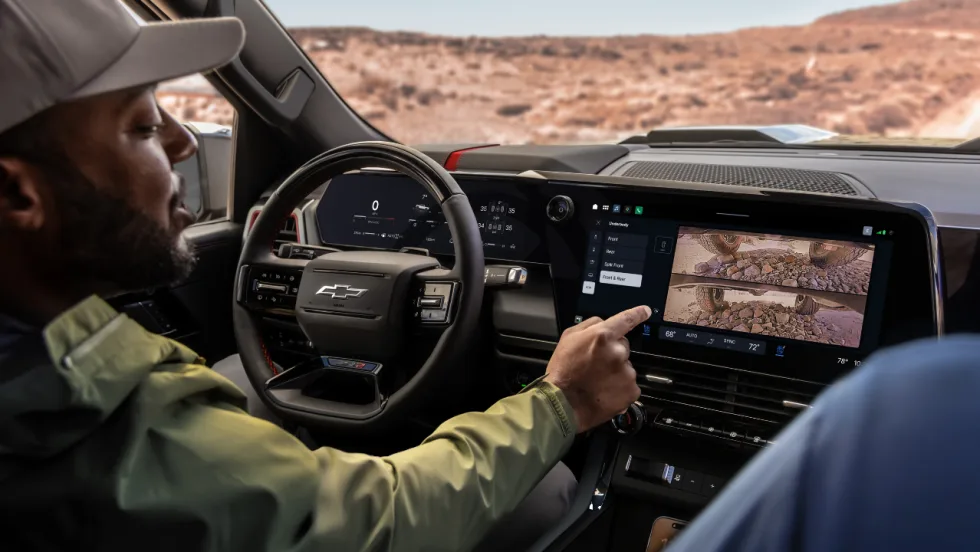
GM Brings New Truck Focused Interface to 2027 Silverado and Sierra
GM's new pickup interface puts trailering data, camera views, vehicle controls, and smartphone integration closer to the driver in the 2027 Silverado and Sierra.
Read More →