




2010 Prius Plug-in Hybrid Debuts at Frankfurt Motor Show
The 2010 Toyota Prius Plug-in Hybrid (PHV) Concept vehicle achieves an electric-only range of approximately 12 miles.
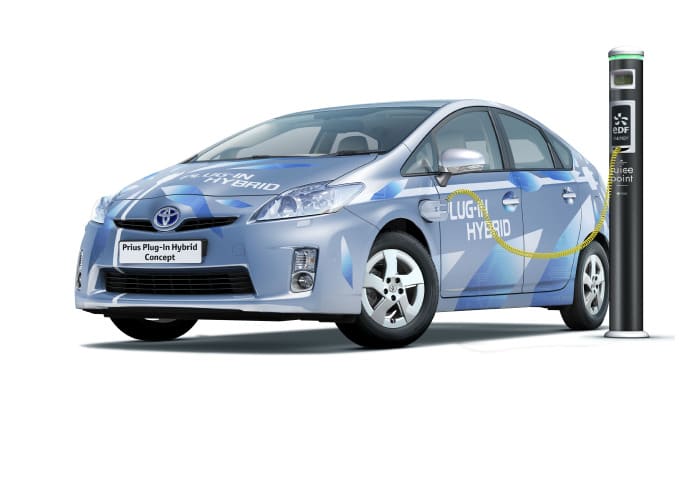
The 2010 Toyota Prius Plug-in Hybrid (PHV) Concept vehicle will make its world debut next week at the Frankfurt Motor Show.
Based on the third-generation Prius, the PHV Concept expands Toyota's Hybrid Synergy Drive technology, utilizing first generation lithium-ion battery technology and enabling electric operation at higher speeds and longer distances than conventional hybrids. When fully charged, the vehicle is targeted to achieve an electric-only range of approximately 12 miles and will be capable of achieving highway speeds in electric-only mode. For longer distances, the PHV concept reverts to "hybrid mode" and operates like a regular Prius. This ability to utilize all-electric power for short trips or hybrid power for longer drives alleviates the issue of limited cruising range encountered with pure electric vehicles.
Beginning in late 2009, Toyota will begin global delivery of 500 Prius PHV vehicles. Of this initial fleet, 150 will be placed with select U.S. lease-fleet customers for market and engineering analysis. This program will allow Toyota to gather real world driving feedback and understand customer expectations for plug-in technology. In addition, the program will allow evaluation of the first generation lithium-ion battery's durability, reliability and performance.
"The greatest hurdle in bringing to market a reliable lithium battery is mass production. We must have a production process that guarantees each battery will be identical in performance and quality," said Irv Miller, TMS group vice president, environmental and public affairs.
The vehicle's first-generation lithium-ion battery will be built on a dedicated PEVE (Panasonic EV Energy Company, LTD) assembly line. PEVE is a joint-venture in which Toyota owns 60 percent equity. The first generation lithium-ion batteries were developed in-house by Toyota Research and Development, and a dedicated battery development team is already working on the next battery "beyond lithium."
The 150 demonstration vehicles will be placed in strategic clusters around the U.S., allowing development of charging infrastructure and communications support for program participants. Each placement scenario will have a variety of 'use cases' or driving conditions (ie: commute length, usage type, access to charging) to gain maximum input to vehicle performance and customer needs.
"Although we like to be first to market with these technologies, it's more important that we are best to market," said Miller. "This demonstration program will ensure that the vehicles we bring to market will not just meet customer expectations, but exceed them."
More Small Fleet


Developing Budget-Friendly Driver Safety Programs
From driver training and safety meetings to one-on-one coaching and incentive programs, several small fleets share how they have developed a safety culture with their drivers using low- to no-cost resources.
Read More →
Boosting Last-Mile Fleet Uptime, Safety, and Value with AI Vehicle Inspections
AI-powered inspections are transforming last-mile fleets by replacing manual checks with highly accurate automated scans that detect defects in seconds. By giving fleet operations visibility into the daily condition of their vehicles, you can identify trends over the vehicle’s lifecycle that enable improved procurement decisions, route management, driver training and accountability.
Read More →
Five Ways Seat Belts Help Prevent Injuries
There are five ways seat belts protect occupants from injuries, according to the Tennessee Department of Safety and Homeland Security.
Read More →
It’s here: The 2026 Fleet Technology Trends Report
What does AI mean for fleets? Get the answer — and learn other top tech trends.
Read More →
Small Fleets, Big Impact: How Independent Drivers Power Wreaths Across America
Check out how small fleets and independent drivers power Wreaths Across America each December and why their impact matters more than ever.
Read More →
VMS Survey Finds 65% of Small Fleet Managers Run Operations Alone
A new VMS survey shows small fleet managers are stretched thin, with most handling operations solo and eager to adopt digital tools for relief.
Read More →
Tips for Driving Safely on Halloween Night
This video features a reminder from the Connecticut Department of Transportation (DOT) and the Connecticut Police Chiefs Association, urging drivers to prioritize safety this Halloween.
Read More →
AI, Access, and Uptime: VMS’s Next Chapter with David Prusinski
VMS’s new Co-CEO, David Prusinski, shares how an AI-first approach will give small fleets and repair shops the tools to compete like big players.
Read More →
Fleet Managers Share Winter Prep Tips: It's Never Too Early!
Three fleets share best practices to prep vehicles for winter and prevent downtime when the cold sets in.
Read More →