Articles
GeoFencing Adds to Your Truck Security Arsenal
Geofencing is a familiar fleet tool today, but its early adoption marked a major shift in vehicle tracking, route monitoring, and the debate over employee privacy.
Read More → MENU
MENU SEARCH
Resources to help fleets reduce risk and stay compliant, including driver safety, regulations, DOT requirements, training, risk management, and vehicle safety technologies.
Geofencing is a familiar fleet tool today, but its early adoption marked a major shift in vehicle tracking, route monitoring, and the debate over employee privacy.
Read More →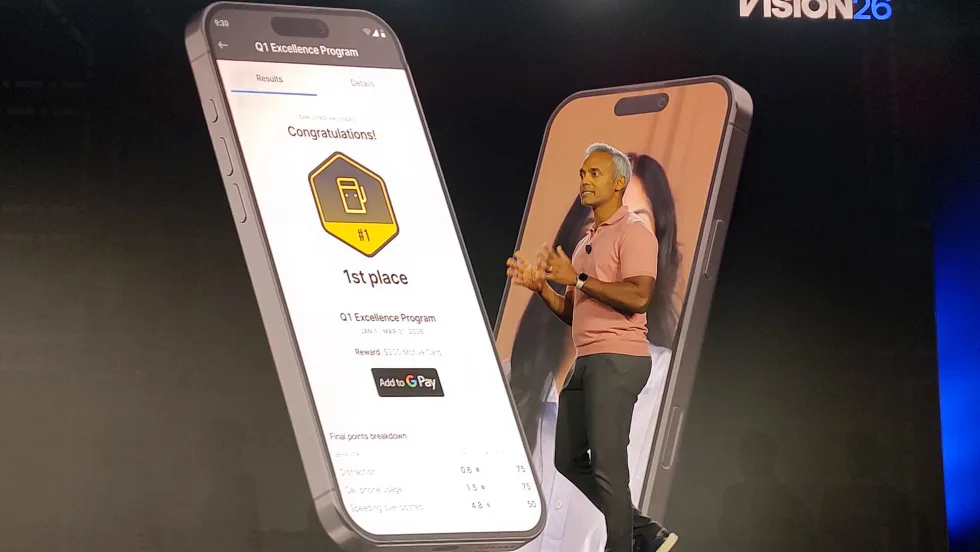
New automated rewards and recognition capabilities from Motive can help organizations engage drivers, reinforce positive behavior, and reduce turnover. AI Coach has also been updated to deliver personalized feedback across safety, fuel, and compliance.
Read More →
This year’s wildfire season will likely be more intense than in 2025. The 2026 wildfire forecast from AccuWeather is for fewer fires, but even more acreage will be impacted this year.
Read More →
Bad data on your carrier record can cost you. Here’s how DataQs helps fleets challenge errors before they hit CSA scores, insurance, and your bottom line.
Read More →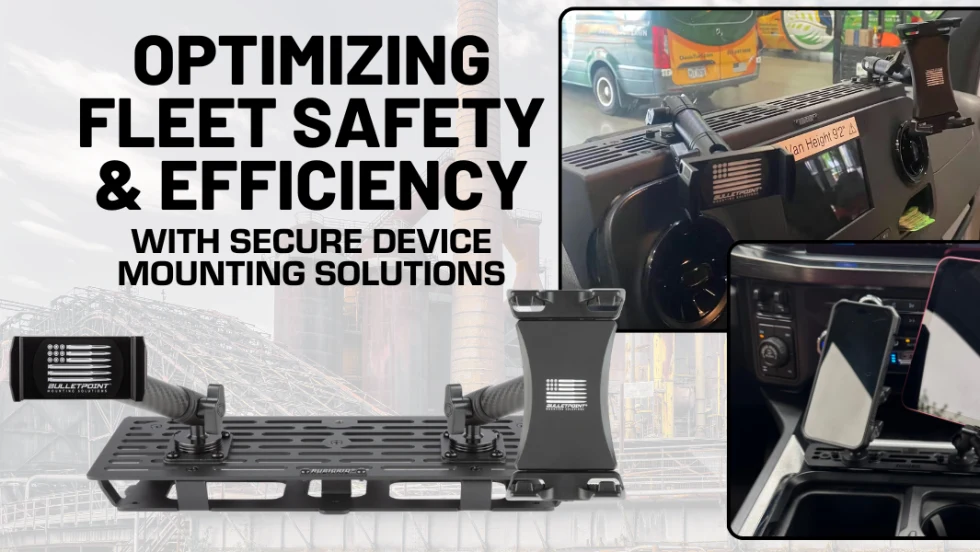
Unsecured devices are a hidden liability. Learn how precision-engineered mounting solutions enhance driver safety, streamline workflows and protect your technology.
Read More →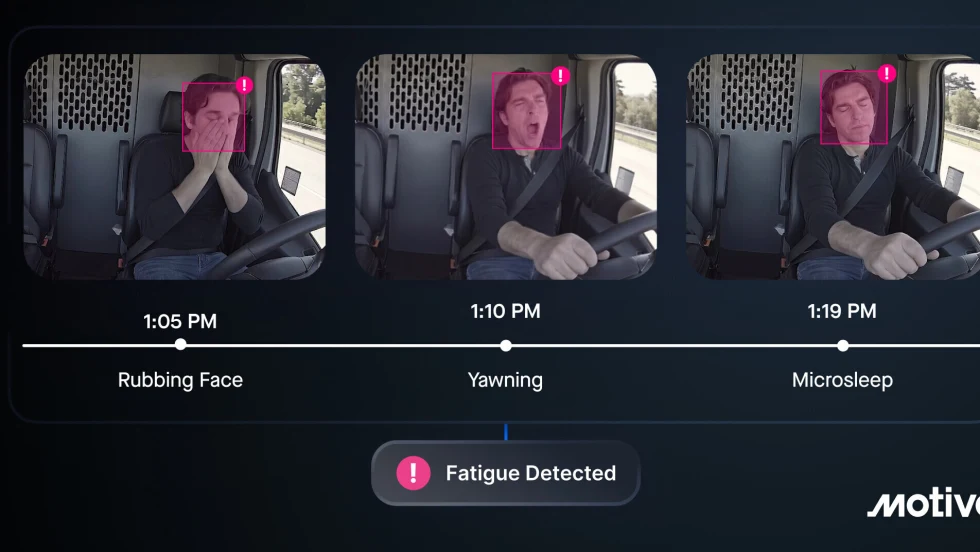
New AI models from Motive can detect signs of fatigue and eating, plus capture low-severity collisions often missed by telematics.
Read More →
Pro-Vision has acquired Convoy Technologies in a deal it said will broaden customer relationships and add specialized vehicle video capabilities for commercial fleets.
Read More →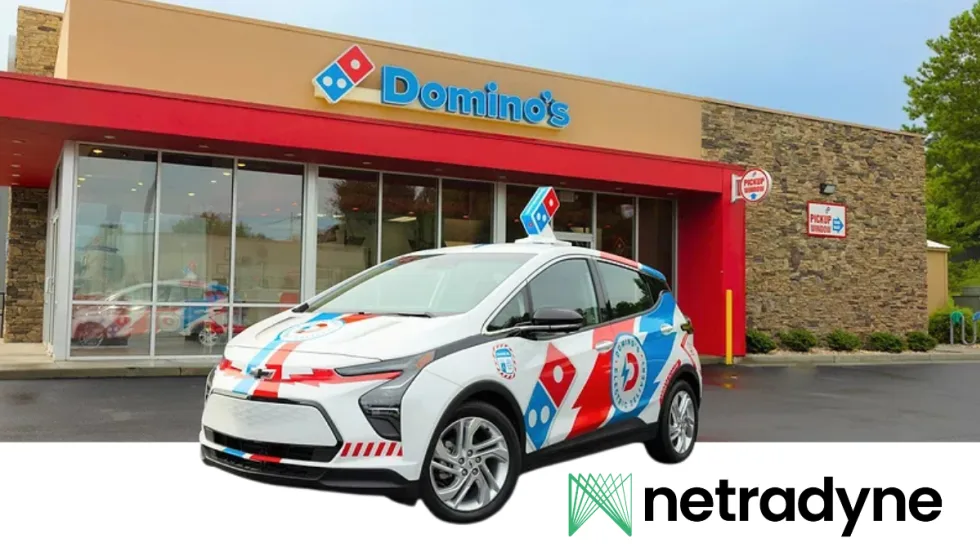
Five Domino's franchises and more than 1,000 vehicles are now running on Netradyne's AI-powered fleet safety and performance platform. Designed for fleets that use personal or non-owned vehicles, FlexMount allows drivers to quickly install and remove Driver-i.
Read More →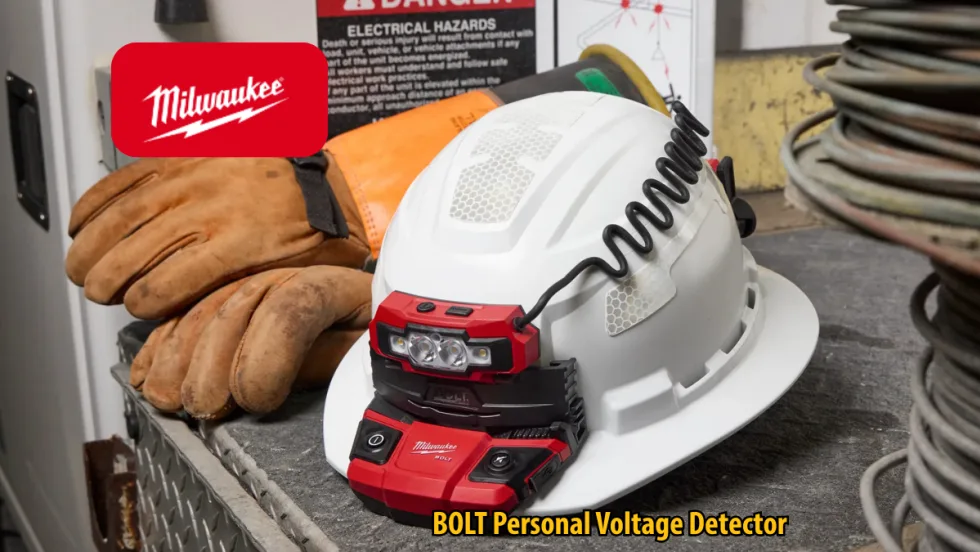
Milwaukee Tool’s new BOLT Personal Voltage Detector features a wide detection field and clearer voltage alerts to help users quickly identify the presence of voltage.
Read More →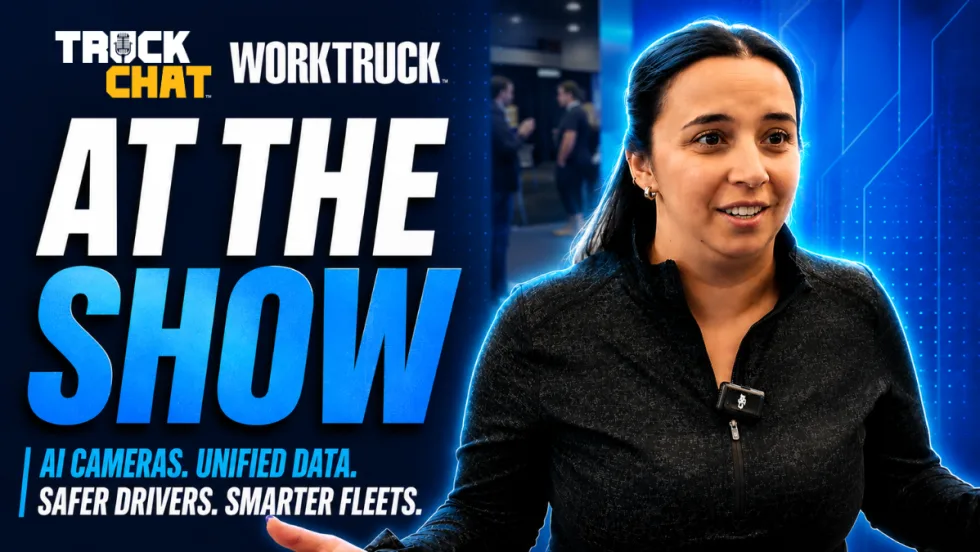
Explore how fleets are using AI cameras and connected data to improve safety, coaching, accountability, and driver performance.
Read More →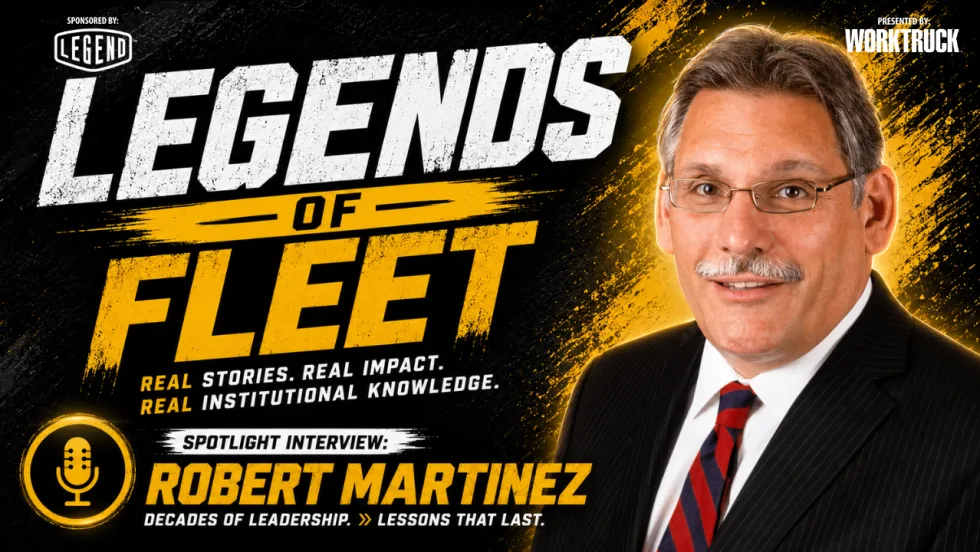
From motorcycle shop to NYPD Deputy Commissioner, Robert Martinez shares leadership lessons, fleet evolution, and his 2026 Tom Johnson Award win.
Read More →