




Work Truck 2025 Forecast: Regulatory and Sustainability Challenges
Regulatory and sustainability trends will shape fleet operations from emissions compliance to charging infrastructure in 2025. Are you prepared?

In 2025 and beyond, success will depend on proactive strategies to meet emissions compliance, make the most of remarketing opportunities, and explore alternative fuels.
Photo: Work Truck
Fleet managers heading into 2025 face an increasingly complex regulatory and sustainability landscape. Emissions compliance, supply chain dynamics, and the push for alternative fuels drive significant changes, with work truck fleet operations adapting to both challenges and opportunities.
The final installment of our three-part series explores how emissions regulations, vehicle remarketing, and the transition to sustainable and alternative fuels impact the industry.
Ready for a greener future?
Emissions and Supply Chain Standards Shape 2025
Emissions regulations continue to expand across the U.S., forcing fleet operators and OEMs to adjust.
“A growing number of emission requirements and regulations across the U.S. will influence the buying process for many fleet operators. As additional states adopt more stringent emissions limits, OEMs and fleet operators will find themselves adjusting. This is likely to have the greatest impact on the medium-duty truck segment,” explained Patrick Doyle, Director of Supply Chain Solutions at Holman.
As environmental regulations continue to tighten, fleets are being prompted to accelerate their adoption of sustainable technologies and strategies.
“As governments continue to introduce stricter environmental regulations, fleets will need to adapt quickly to remain compliant,” said Mike Willey, Assistant General Manager at PacLease. “Electric vehicles and the exploration of alternative fuels, such as hydrogen, continue to gain momentum.”
Fleet managers and manufacturers should also stay informed about upcoming EPA emissions standards that will affect heavy-duty vehicles in the near future.
“The Environmental Protection Agency (EPA) is taking a stronger stance on reducing greenhouse gas emissions and other air pollutants,” said Mac Molli, account supervisor for Commercial Truck Trader. “These EPA standards for heavy-duty vehicles will begin in 2027, affecting work trucks produced in that model year. While two years may seem far enough away, it’s better to be prepared for what these new standards mean for manufacturers, drivers, and fleet managers.”
Regulatory uncertainties add another layer of complexity for fleets, especially as new emissions standards and environmental mandates roll out across states and at the federal level.
Doyle said his team is working with customers to explore alternatives to stay ahead of these changes.
“With these regulations on the horizon, we are helping customers prepare accordingly by exploring viable alternatives such as smaller, more efficient units or electric vehicles where appropriate,” he added.
Fleet managers in 2025 will also need to navigate region-specific emissions standards and consider how political shifts could influence future regulatory requirements.
Brian Tabel, VP of Marketing for Isuzu Commercial Truck of America, highlighted the potential for state-level regulations, particularly in areas like New Jersey and New York, to add complexity to emissions compliance.
“Changes in government leadership could further alter emissions policies, creating uncertainty for fleets as they plan for the future,” Tabel explained.
We’re also seeing the continued growth of last-mile delivery fleets, thanks partly to the e-commerce boom with more delivery and carrier options.
“Whether it be low NOx, ACT that are scheduled to roll on state by state, or GHG Phase 3 that is scheduled to come into play federally starting in 2027, the uncertainty of all these regulations and how or if they will be adopted will create confusion for fleets,” said Shaun Skinner, president of Isuzu Commercial Truck of America, Inc. “This uncertainty extends to potential pre-buys that may or may not be necessary in 2025 and beyond.”
Fleet owners need to consider the duty cycle of their fleets to make the best decision on how to match this growth.
“For fleets that consistently run regional routes, need a range of up to 300 miles, and the ability to carry a heavier payload, propane autogas is a great choice. Propane autogas engines are also 90% cleaner than the Environmental Protection Agency (EPA) standards. This makes them a great option for fleet owners looking to meet or exceed emissions standards,” noted Tucker Perkins, President & CEO of the Propane Education & Research Council (PERC)
Trends Weather Forecast: Overcast but Clearing. Emissions compliance poses challenges, but viable alternatives provide pathways to adaptation.
Vehicle Remarketing Strategies Adapt to Market Volatility
The remarketing landscape in 2025 offers potential opportunities alongside market uncertainties.
“On a positive note, many anticipate market growth driven by e-commerce activity and strong economic performance in North America. Given the potential market volatility on the horizon, fleet operators should align with a strong remarketing partner who can help assess market conditions and provide strategic recommendations to maximize returns,” shared Holly Vollant, Remarketing Manager at Holman.
The current glut of new commercial vehicle inventory also influences this market volatility.
“The current glut of new commercial vehicle inventory will have two effects in 2025: pricing modifications and/or incentives will have to be employed to move the inventory. As the new inventory moves, used vehicle inventory will become more plentiful but with lower mileage and subsequently cost more,” noted Kathryn Schifferle, Chief Vision Officer and Founder of Work Truck Solutions.
Strategic partnerships will be essential for fleets aiming to navigate remarketing efforts in 2025 and beyond to maximize their returns in this changing marketplace.
Trends Weather Forecast: Partly Sunny. Market growth offers opportunities, but careful planning will be necessary to address potential volatility.
Alternative Fuels and EVs Lead the Push for Diversification
The transition to alternative and sustainable fuels continues to gain traction, with electric vehicles (EVs) playing a leading role. However, other technologies, such as propane and renewable fuels, are still very much in the mix.
“Medium-duty EVs have proven they’re ready for the mainstream, but the broader energy transition will depend on diverse solutions,” said Ryan Gaul, President Commercial Vehicles at Workhorse. “Fleets will need to evaluate where technologies like hydrogen, hybrids, and renewable fuels fit their operations, while EVs continue to dominate predictable delivery routes and urban environments.”
This push for electrification is expected to accelerate significantly in the next few years, driven by both demand and advancements from major manufacturers.
“Keeping with the trend of reducing vehicle emissions, the commercial trucking industry is expected to continue its shift towards electric vehicles, as well as hybrid and alternative fuel,” Molli added. “Major manufacturers such as Volvo, Ford, and GM are already producing electric work vehicles including delivery vans and trucks. According to analysis from Wood Mackenzie, there were slightly more than 2,000 electric trucks on the road by the end of 2019. This is expected to grow to more than 54,000 by 2025.”
However, there is a growing integration of renewable energy sources, and electrification isn’t the only alternative fuel on the fleet menu in 2025 and beyond.
“In 2024, the transportation industry saw a notable shift toward integrating renewable energy sources, driven by a combination of regulatory pressure, corporate sustainability goals, and higher consumer expectations,” pointed out Perkins of PERC. “This trend wasn’t just about reducing carbon emissions; it highlighted a broader effort to future-proof fleets and enhance energy security. This trend is unlikely to change, and something companies should start thinking about in 2025 and beyond.”
Perkins also highlighted innovative developments in EV charging using propane autogas.
“Electric vehicle fleet owners have started to employ propane-powered recharging systems that run on renewable energy. The technology utilizes a propane-powered generator alongside wind and solar power to recharge EVs independently of the electric grid. The generator can operate on renewable propane for further reduced carbon emissions,” he added.
Schifferle of Work Truck Solutions emphasized the rapid growth in commercial EVs.
“Growth in commercial EVs is rising, according to S&P Global data, with commercial vehicle registrations (Class 1-8) rising 14% in 2023 compared to 2022. From 2022-2023, new registrations of commercial EVs increased by 108%, and 2024 registrations for new commercial EVs (light-duty) surpassed 2023 numbers within the first eight months,” she shared.
As fleet electrification gains complexity, businesses are turning to holistic service models that provide integrated solutions for electrification challenges.
"The increasing complexity of fleet electrification will spur the development of an 'everything-as-a-service' business model. Whole EV ecosystem packages will become more common,” Schifferle added.
Gaul of Workhorse added that government incentives are a vital driver of early EV adoption, but history shows they tend to fluctuate.
“For a product to thrive in the long term, it must deliver clear business value. Medium-duty EVs will succeed by offering lower operating costs, reduced maintenance, and dependable reliability, benefits that fleets can count on. While incentives provide an important initial boost, the built-in advantages of EVs ensure they remain a smart investment, regardless of shifting policies,” he explained.
Trends Weather Forecast: Partly Sunny with Clouds. EVs lead the charge, but diverse solutions will be needed for broader transitions.
Charging Infrastructure Expands to Meet Fleet Demands
Infrastructure remains a critical factor for scaling EV adoption, with fleets seeking solutions that address current grid limitations and operational needs.
“We anticipate fleets will look to turnkey infrastructure solutions in 2025, focusing on depot-based charging optimized for fleet operations,” Kasserman said. “Infrastructure-as-a-service models, combining consulting and implementation, will enable fleets to scale EVs efficiently while minimizing complexity.”
However, Kasserman added that infrastructure challenges may arise in markets where the grid is already at capacity, limiting expansion opportunities.
“These limitations will drive demand for adaptable, forward-thinking charging solutions that operate within existing grid constraints while supplementing capacity through innovative approaches, such as energy storage integration,” she said.
Matt Krukin, North America head of Ford Pro software and charging solutions highlighted the importance of tailoring infrastructure to fleet needs.
“Home charging can be cost-effective, and charging software makes it easy for fleet managers to schedule and manage. Businesses are tailoring charging infrastructure to specific requirements based on their use cases, such as DC fast charging for rapid turnover or AC level 2 charging for overnight replenishment,” he noted.
This adaptability helps businesses plan for their daily operations and future investments in the most efficient way possible. In addition, business value will continue to lead the way in commercial EV adoption as early adopters “show, not tell,” according to Krukin.
“Early adopters have started to demonstrate tangible benefits – these practical demonstrations provide compelling evidence that will continue to provide confidence and motivate others to make smart business investments in electric trucks and vans,” he added.
Trends Weather Forecast: Cloudy but Improving. Infrastructure challenges remain, but scalable and adaptable solutions are emerging.
2025 Brings Opportunities Amid New Challenges
Fleet managers in 2025 will need to navigate a delicate balancing act between regulatory demands, shifting market dynamics, and ambitious sustainability goals. Success will depend on proactive strategies to meet emissions compliance, make the most of remarketing opportunities, and explore alternative fuels.
At the same time, scalable and adaptable infrastructure solutions will be critical to fully realizing the potential of EVs and other sustainable technologies.
Want the Full Picture? Check out the series!
Discover the key trends and strategies shaping fleet management in 2025:
Tech Advancements Driving Fleet Transformation: See how AI, telematics, and data security redefine fleet operations and competitive strategies. Read more!
Operational Challenges and Trends in 2025: Learn how upfitting capacity, supply chain shifts, and outsourcing reshape fleet operations. Read more!
What sustainability and regulatory challenges is your fleet preparing to tackle in 2025? Share your strategies in the comments below!
More Green Fleet

Fleet Forward Conference Introduces One-Day Passes for 2026
New one-day registration gives fleet professionals the flexibility to attend Tuesday, Wednesday, or Thursday, with passes available for $199 through Sept. 18.
Read More →
CALSTART Rebrands as Catalyst Mobility, Will Combine with Forth in 2027
CALSTART has rebranded as Catalyst Mobility and will combine with Forth at the start of 2027. The new organization said it is poised to become one of the world's largest, strongest, and most impactful clean transportation nonprofits.
Read More →
Electric Truck and Charging Programs to Boost Sustainability at NY & NJ Ports
Together, the Port Authority of New York and New Jersey and CALSTART will electrify drayage and terminal operations serving the East Coast’s busiest container port. A pair of incentive programs totaling $45 million has launched to accelerate adoption of zero-emission drayage trucks and terminal tractors.
Read More →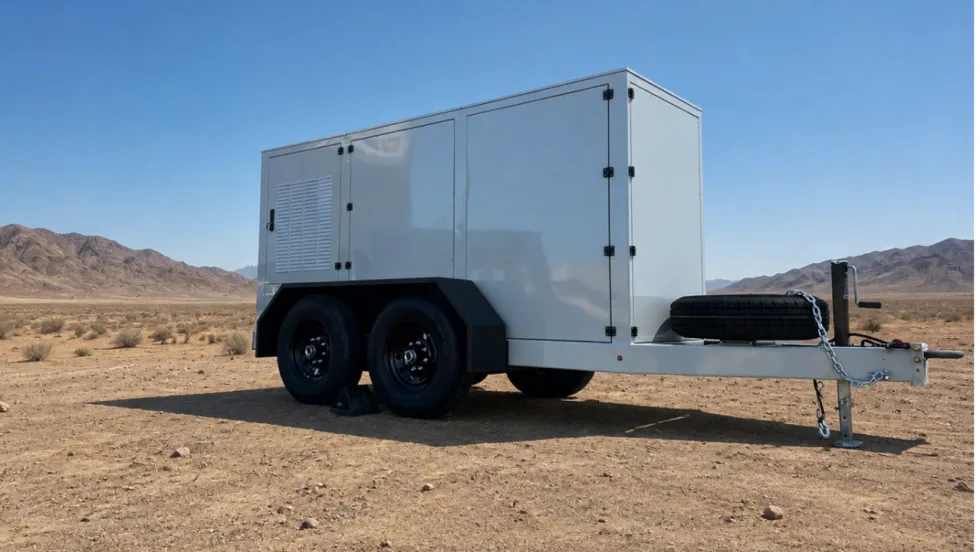
Xos Hub Surpasses One Gigawatt-Hour of Energy Delivered in the Field
A single Xos Hub has surpassed one gigawatt-hour of energy across more than 33,600 charging sessions in the field, demonstrating performance that supports Xos' expansion across new products and markets.
Read More →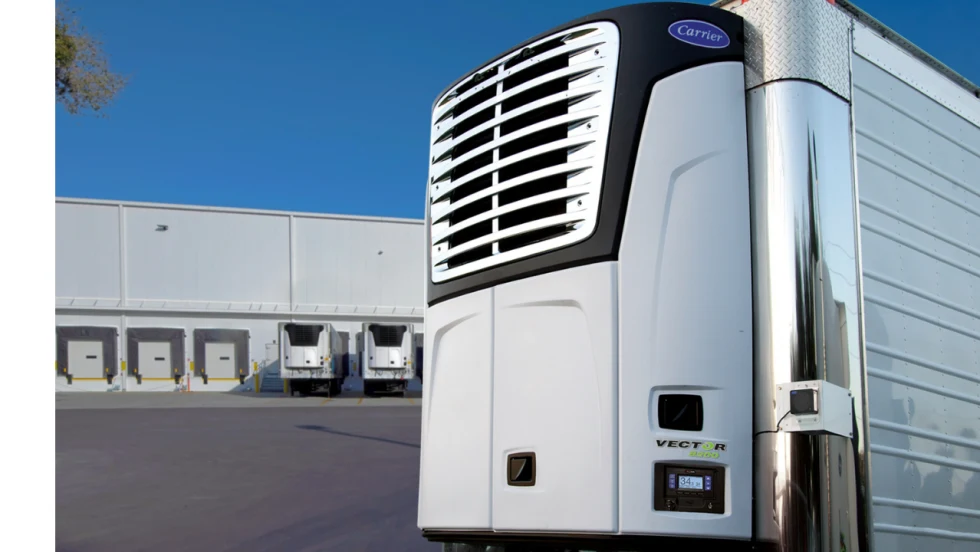
Carrier Transicold Launches All-Electric Vector 8200 TRU for Diesel-Free On-Site Cold Storage
Carrier Transicold’s first engineless multi-temperature TRU helps fresh- and frozen-food fleets add supplemental cold storage capacity during seasonal peaks.
Read More →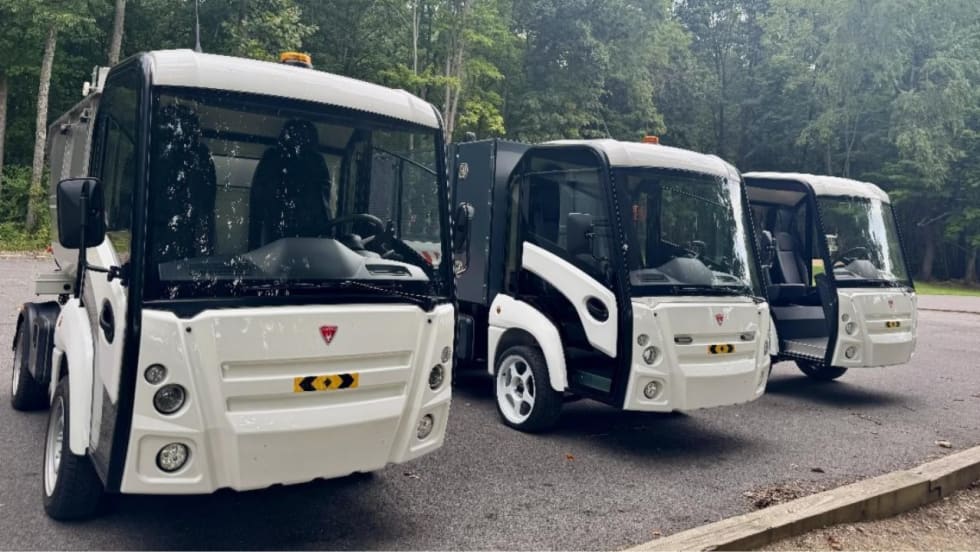
Narro Trucks Introduces Electric Utility Vehicle
Narro Trucks officially launched its operations on Aug. 20 and hosted a ride and drive to showcase its electric truck, which will be produced in Virginia.
Read More →
Samsung SDI Takes Full Control of GM Battery JV as Indiana Plant Pivots to Energy Storage
Samsung SDI is taking full control of its Indiana battery plant with GM, marking a major shift from the EV-focused joint venture Charged Fleet first covered in 2023.
Read More →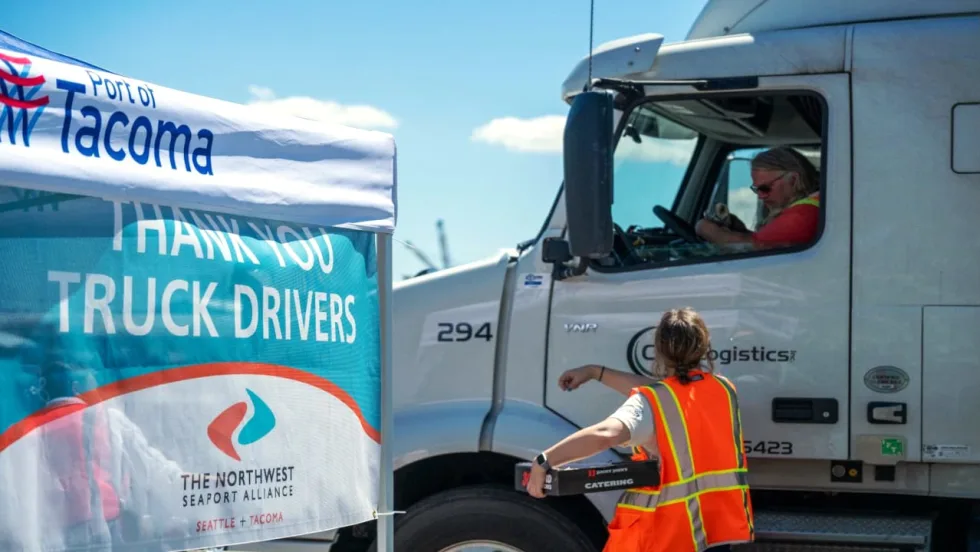
NWSA Taps CALSTART to Administer Zero-Emission Drayage Assistance Program
CALSTART will provide free technical assistance services to drayage fleets serving the Ports of Seattle and Tacoma and looking to transition to cleaner technologies and help decarbonize freight hubs.
Read More →
EV Fleet Reality Check: What Operators Wish They Knew Before Electrifying Their Work Vans
Electric work truck upfits bring new compatibility questions. Learn how parts availability, OEM guidance, power demands, and route planning can affect fleet performance.
Read More →
Peterbilt Expands Sourcewell Partnership with Electric Vehicle Lineup
Peterbilt Motors Company’s cooperative purchasing agreement with Sourcewell and its Canadian partner, Canoe Procurement Group, now includes including Peterbilt's battery-electric vehicle lineup.
Read More →